
A good Paste Wax Guide starts with understanding that paste wax is not just a polish. It is a traditional wood finishing product made to protect surfaces and improve their appearance. Many American woodworkers, furniture makers, and restoration experts still use it because it creates a natural look that modern coatings often cannot match.
After years of working with wood finishes, one lesson becomes clear: paste wax works best when used for the right purpose. It can enhance sealed furniture, protect antique pieces, and add a soft glow, but it is not a replacement for strong protective finishes in high-use areas.

What Is Paste Wax?
Paste wax is a thick finishing product made from natural or synthetic waxes. Common ingredients include beeswax, carnauba wax, and mineral waxes mixed with solvents that help spread the product.
In this Paste Wax Guide, it is important to know that paste wax forms a thin protective layer on the surface. It does not soak deeply into most finished wood. Instead, it improves feel, appearance, and resistance to minor marks.

- ✦ Natural ingredients
Many paste wax products contain plant-based or natural waxes that create a soft, traditional finish.
- ✦ Surface protection
Paste wax helps protect against dust, light moisture, and small surface scratches.
How Paste Wax Differs From Liquid Wax
Paste wax is thicker and usually gives better control during application. Liquid wax spreads faster but may provide a different level of protection and durability.
For furniture restoration and detailed woodworking projects, many professionals prefer paste wax because it allows careful application and hand buffing.
Benefits of Using Paste Wax on Wood Furniture
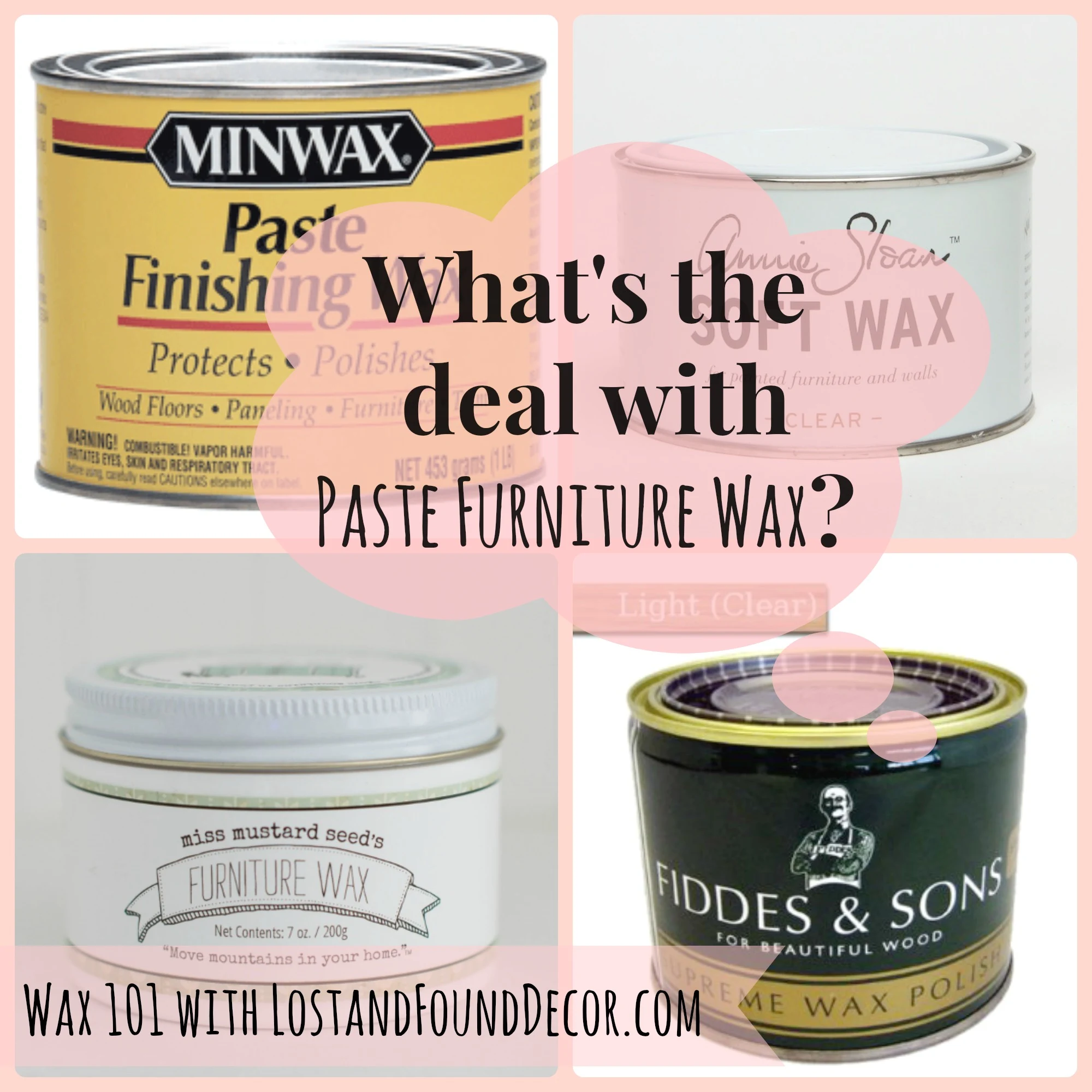
A major reason people search for a Paste Wax Guide is the desire for a beautiful furniture finish. Paste wax can make wood feel smoother and bring out the natural depth of the grain.
It is especially popular for antique furniture, cabinets, decorative pieces, and low-wear surfaces where appearance matters as much as protection.
- ✦ Adds a warm shine
Paste wax creates a soft satin glow instead of the heavy plastic look some finishes produce.
- ✦ Improves smoothness
A properly buffed wax surface feels silky and pleasant to touch.
- ✦ Easy maintenance
Small areas can often be refreshed without fully refinishing the furniture.
How to Apply Paste Wax Correctly
The best results from paste wax come from careful preparation. Always clean the surface first and remove dust before applying any product.
This Paste Wax Guide recommends using thin coats. Too much wax can create a cloudy surface that becomes difficult to buff.

- ✦ Clean the surface
Remove dirt, grease, and dust before applying wax.
- ✦ Apply a thin coat
Use a soft cloth and spread a small amount evenly across the surface.
- ✦ Allow drying time
Wait until the wax becomes slightly hazy before buffing.
- ✦ Buff carefully
Use a clean cloth to create a smooth and even finish.
Common Application Mistakes
Applying thick layers is one of the most common mistakes. More wax does not always mean more protection.
Another mistake is using paste wax on unfinished wood without understanding the expected result. Testing a small area first is always a smart step.
Where Can You Use Paste Wax?
Paste wax is useful in many woodworking and home improvement projects. It is commonly used on furniture, wooden boxes, cabinets, and decorative items.
In this Paste Wax Guide, remember that wax is best for surfaces that do not face heavy daily abuse, water exposure, or extreme heat.
- ✦ Wood furniture
Tables, chairs, cabinets, and antique pieces can benefit from a wax finish.
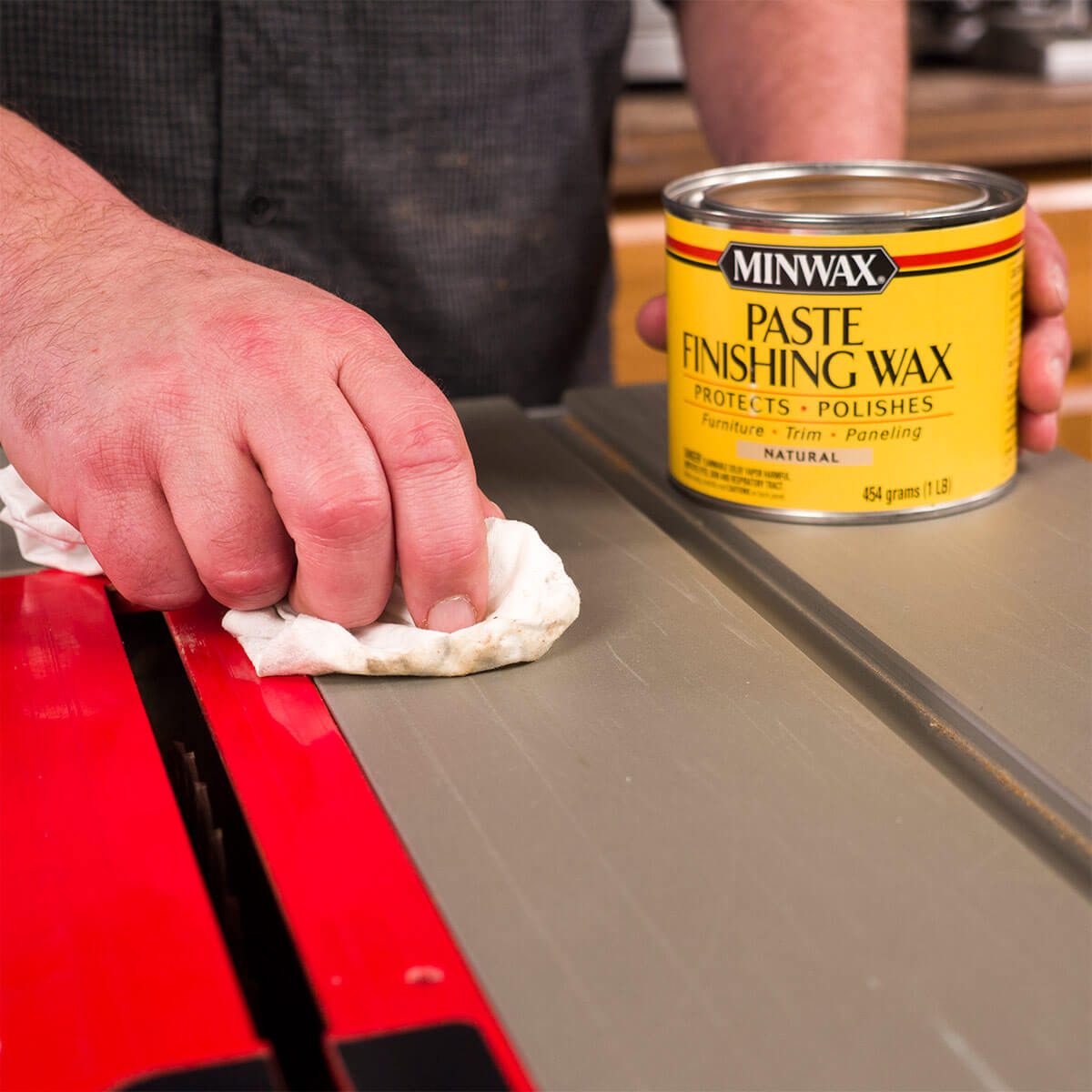
- ✦ Metal tools
Some craftsmen use paste wax to reduce rust risk and improve tool movement.
- ✦ Painted furniture
Wax can add protection and improve the feel of painted surfaces.
Paste Wax Limitations You Should Know
Although paste wax has many benefits, it is not a heavy-duty finish. It cannot provide the same protection as polyurethane, varnish, or outdoor coatings.
A complete Paste Wax Guide should explain that wax needs occasional maintenance. High-use surfaces may require more frequent refreshing.

- ✦ Limited water resistance
Wax helps with light moisture but is not ideal for wet environments.
- ✦ Needs maintenance
The finish may need reapplication over time.
- ✦ Not for every surface
Some modern finishes may not bond well with wax.