
Outdoor wood faces harsh conditions every day. Sun, rain, humidity, and temperature changes can damage unfinished wood quickly. A good finish creates a protective layer that helps wood stay strong and attractive.
After years of working with wood projects, one lesson stands out: the right finish matters as much as the wood itself. A premium outdoor table, deck, or fence can fail early if the finish does not match the environment.

What Are Outdoor Wood Finishes?
Outdoor Wood Finishes are protective products designed for wood exposed to outdoor conditions. They reduce damage caused by water, UV rays, dirt, and temperature changes.
Unlike indoor finishes, exterior finishes must handle movement in wood. Wood expands and contracts with weather, so flexible protection is often better than a hard coating that can crack.
- ✦ Moisture protection
Finishes help stop water from entering wood fibers and causing swelling, cracks, or rot.
- ✦ UV protection
Many outdoor finishes contain UV blockers that slow fading and surface damage from sunlight.
Why Exterior Wood Needs Protection
Bare wood absorbs moisture and loses natural oils over time. This can lead to gray color, rough texture, and structural problems.
- ✦ Weather resistance
A suitable finish helps wood survive changing seasons.
Types of Outdoor Wood Finishes
There are several types of Outdoor Wood Finishes available in the US market. Each option has different strengths, maintenance needs, and appearances.
Choosing the right product starts with understanding the project. A deck, garden bench, and outdoor dining table may need different protection levels.

- ✦ Exterior wood stain
Stains add color while allowing the wood grain to remain visible. They are popular for decks, fences, and outdoor furniture.
- ✦ Wood oil
Oils soak into wood and refresh its natural look. They work well for teak, cedar, and hardwood furniture.
- ✦ Exterior varnish
Varnishes create a protective surface layer but may need more maintenance when exposed to weather.
- ✦ Wood sealer
Sealers provide moisture protection and are often used as a simple protective solution.
Oil-Based vs Water-Based Finishes
Oil-based finishes often provide deep penetration and rich color. Water-based finishes dry faster, have lower odor, and are easier to clean.
- ✦ Oil-based benefit
Good penetration and a traditional wood appearance.
- ✦ Water-based benefit
Fast drying and easier application for many DIY users.
How to Choose the Best Outdoor Wood Finish
The best Outdoor Wood Finishes depend on wood species, location, and the amount of exposure. A finish for a covered porch may not work well for a fully exposed deck.
Consider your local weather patterns. In many parts of the United States, strong sunlight, snow, and heavy rain require finishes with strong moisture and UV resistance.

- ✦ Consider the wood type
Cedar, teak, pine, and hardwoods absorb finishes differently.
- ✦ Think about maintenance
Some finishes need yearly refreshes while others last longer.
- ✦ Match the finish to use
Furniture, decks, and fences each have different protection needs.
Best Finishes for Outdoor Furniture
Outdoor furniture often benefits from penetrating oils or exterior stains because they protect while keeping a natural feel.
- ✦ Furniture oil
Helps maintain the appearance of natural wood furniture.
How to Apply Outdoor Wood Finishes Correctly
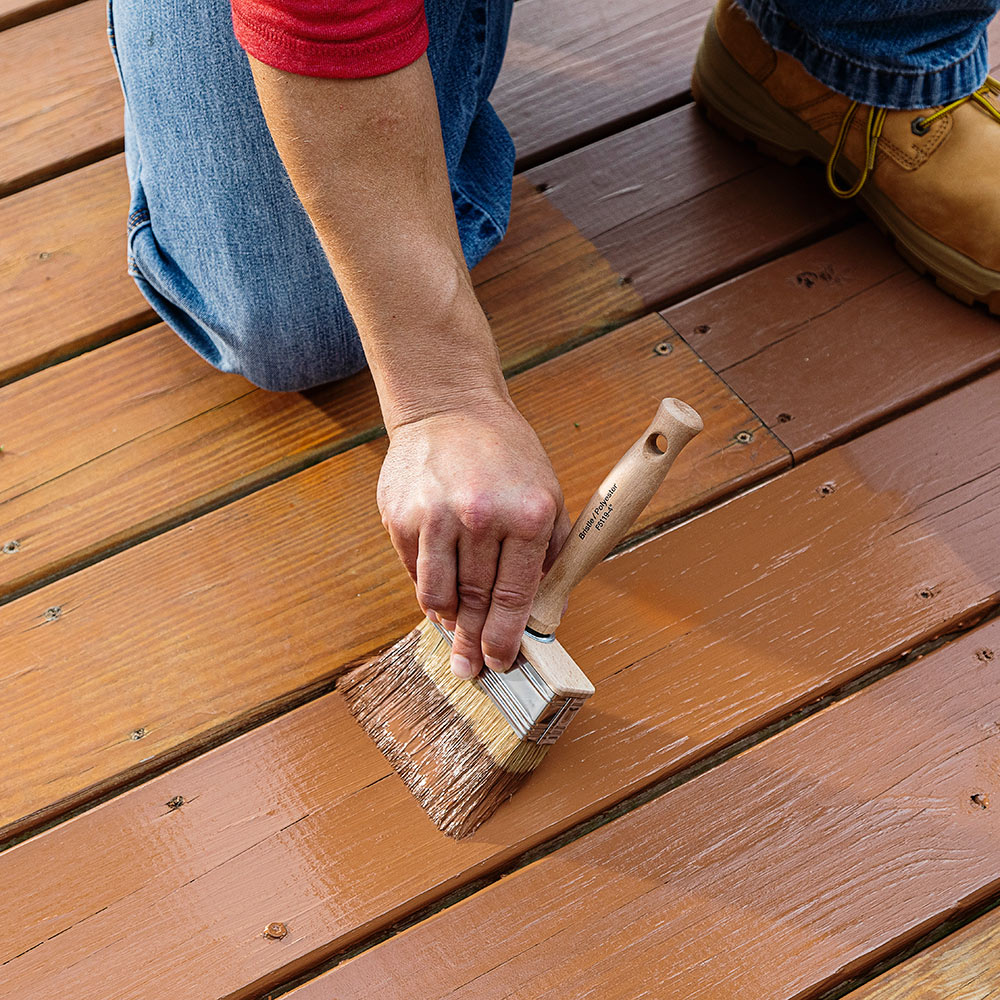
Proper preparation creates better results. Even the best Outdoor Wood Finishes can fail when applied to dirty, wet, or damaged wood.
Take time to clean, sand, and dry the surface before applying any product. Thin, even coats usually perform better than one heavy coat.
- ✦ Clean the surface
Remove dirt, old coatings, mildew, and loose material before finishing.
- ✦ Sand when needed
Smooth wood helps the finish absorb evenly.
- ✦ Apply proper coats
Follow the manufacturer’s instructions for drying time and coverage.
Common Application Mistakes
Applying finish in direct hot sunlight or on damp wood can reduce performance. Weather conditions matter during application.
- ✦ Avoid rushed application
Allow enough drying time between coats.
Maintaining Finished Outdoor Wood
Even high-quality Outdoor Wood Finishes need care. Regular cleaning prevents dirt buildup and helps you spot damage early.
Most outdoor wood projects benefit from inspection at least once a year. Small repairs are easier and cheaper than replacing damaged wood.

- ✦ Clean regularly
Use gentle cleaners to remove dirt without damaging the finish.
- ✦ Inspect for wear
Look for peeling, fading, cracks, or areas where water absorbs quickly.
When to Refinish Outdoor Wood
Refinishing time depends on exposure and product quality. When water stops beading or the color fades, it may be time for maintenance.
- ✦ Visible fading
Loss of color can indicate reduced protection.