Choose a drill bit by matching the bit type, material, size, and cutting design to the material you are drilling. Wood, metal, masonry, glass, and tile each require different bit designs.
In the United States, homeowners, contractors, and workshop users commonly work with materials ranging from softwood lumber and drywall to steel, concrete, and tile. Selecting the wrong drill bit can lead to slow drilling, damaged surfaces, broken bits, or unsafe working conditions.
Drill bit selection starts with identifying the material, the hole size required, and the drilling tool being used. A general-purpose twist bit may handle many basic tasks, but specialized bits provide better results when drilling harder materials or creating precise holes.
Source: bigcommerce.com
What Is Drill Bit Selection?
Drill bit selection is the process of choosing a drill bit that matches the drilling material, hole requirements, and equipment. The cutting edges, tip shape, material composition, and coating all influence how effectively a bit removes material.
A drill bit designed for wood is not automatically suitable for steel or concrete because each material creates different cutting challenges. Wood requires clean chip removal, metal requires controlled cutting pressure, and masonry requires a tip that can withstand abrasive surfaces.
Source: zoro.com
Material compatibility
The drill bit must be designed for the hardness and structure of the material.
Hole requirements
Diameter, depth, and finish quality determine the appropriate bit style.
Tool compatibility
The drill type, chuck size, and available power affect which bits can be used effectively.
How to Choose the Right Drill Bit Step by Step
Start by identifying the material and the final purpose of the hole. A mounting hole in drywall requires a different approach than drilling a bolt hole through steel.
Follow a simple selection process: identify the material, determine the required hole size, select the correct bit style, check compatibility with the drill, and adjust drilling technique.
Source: walmartimages.com
Step 1: Identify the material
Determine whether you are drilling wood, metal, masonry, tile, glass, plastic, or another material.
Step 2: Select the bit type
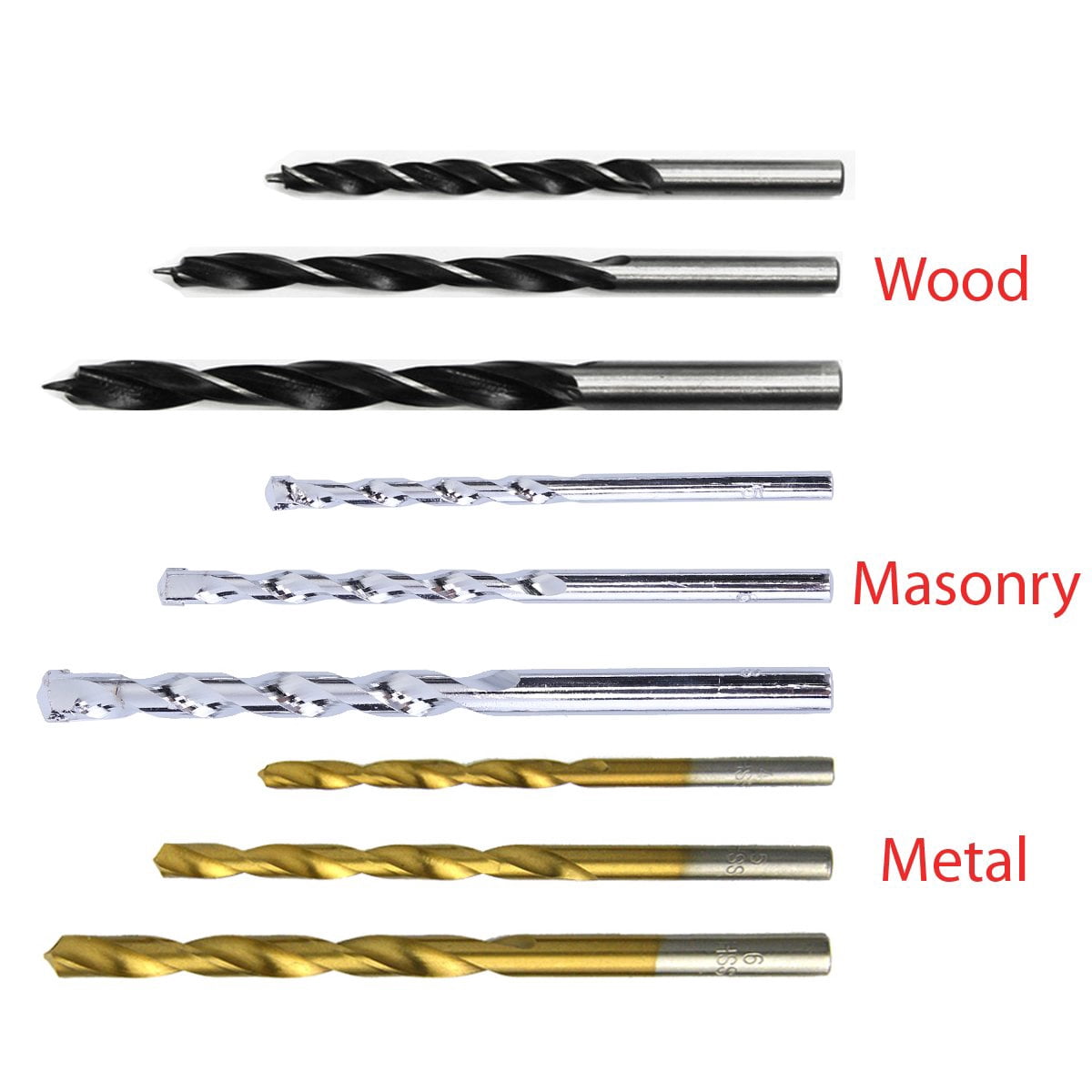
Choose a twist bit, brad point bit, spade bit, masonry bit, hole saw, or another specialized design.
Step 3: Match the size
Select a diameter that matches the fastener, anchor, or project requirement.
Choosing Drill Bits for Wood
Wood drilling usually benefits from bits designed for clean chip removal. Brad point bits help create accurate starter holes, while spade bits are commonly used for larger holes in softer wood.
Brad point bits
Useful for accurate woodworking holes because the center point helps prevent wandering.
Spade bits
Suitable for quickly making larger holes in wood.
Choosing Drill Bits for Metal
Metal drilling requires bits made from materials that can withstand heat and cutting forces. High-speed steel bits are common for many metal applications, while cobalt or carbide options may be used for harder materials.
High-speed steel bits
General-purpose option for many steel and metal drilling tasks.
Cobalt bits
Designed for improved heat resistance when drilling harder metals.
Drill Bit Types and Their Best Uses
Different drill bit designs solve different drilling problems. Choosing the correct style improves accuracy, speed, and durability.
Source: wikimedia.org
Twist drill bits
Common general-purpose bits used for metal, plastic, and some wood applications.
Masonry bits
Designed for brick, block, concrete, and similar abrasive materials.
Hole saws
Used for creating larger diameter holes in materials such as wood and thin metal.
Tile and glass bits
Designed with specialized tips to reduce cracking in brittle materials.
Drill Bit Size, Material, and Coating Considerations
The size of a drill bit determines the hole diameter, but the bit material and coating influence performance. A larger hole usually requires more power and slower drilling speeds.
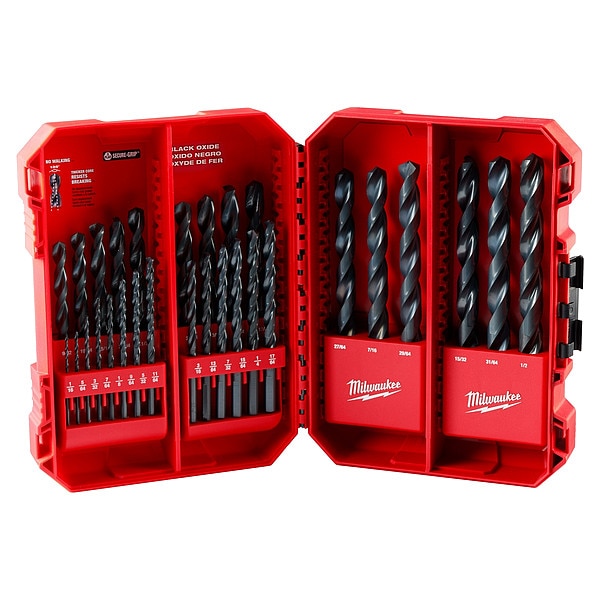
Common drill bit materials include high-speed steel, cobalt alloy, and carbide. Coatings such as black oxide or titanium-based coatings may improve wear resistance for certain applications, but they do not make every bit suitable for every material.
Source: wikimedia.org
Small diameter holes
Usually require less power but need careful handling because smaller bits can break more easily.
Large diameter holes
Often require slower speeds and proper support to maintain control.
Common Drill Bit Selection Mistakes
Many drilling problems happen because users choose a convenient bit instead of the correct bit. Understanding common mistakes helps prevent damaged tools and poor results.
Source: wikimedia.org
Using a wood bit on metal
Wood-specific designs may not withstand the heat and cutting forces created by metal drilling.
Ignoring drilling speed
Incorrect speed can create excess heat and shorten bit life.
Using damaged bits
Dull or cracked bits can increase effort and create unsafe drilling conditions.
Frequently Asked Questions
Q
Can one drill bit be used for all materials?
A general-purpose twist bit can handle some basic tasks, but no single drill bit is ideal for every material. Specialized bits provide better performance for wood, masonry, metal, and brittle surfaces.
Q
How do I know what size drill bit to use?
Choose the drill bit size based on the required hole diameter. For screws and anchors, follow the manufacturer’s recommended pilot hole size.
Q
Why does my drill bit keep breaking?
Common causes include excessive pressure, incorrect speed, using the wrong bit type, overheating, or using a worn bit.
Q
Are cobalt drill bits better than regular bits?
Cobalt bits can perform better in some hard metal applications because they tolerate higher temperatures, but they are not necessary for ordinary drilling tasks.
Q
Should I use lubrication when drilling metal?
For many metal drilling tasks, cutting fluid or lubricant can reduce heat and improve bit life. The correct method depends on the metal and drilling conditions.
✦ Wrapping Up
Conclusion
Successful drill bit selection depends on matching the bit design to the material, hole size, and drilling conditions. Choosing the correct bit improves accuracy, reduces damage, and helps the tool perform as intended.
Before drilling, identify the material, select the appropriate bit type, confirm the size, and use safe drilling practices. A few minutes spent choosing the right bit can prevent wasted time and broken tools.
💡 Key Takeaway
Identify the material first, then choose the drill bit type, size, and drilling method that match the job.