Cabinet interior finishing protects surfaces, improves appearance, and makes storage easier to maintain.
In U.S. homes, cabinet interiors must handle daily exposure to dishes, cookware, pantry items, cleaning products, and occasional moisture. Cabinet Interior Finishing refers to the materials and protective coatings applied to cabinet boxes, shelves, and inside surfaces to improve durability and usability.
A good interior finish depends on the cabinet material, room conditions, cleaning habits, and desired appearance. Common choices include melamine, laminate, veneer, paint, and clear protective coatings, each with different maintenance needs and performance limits.
Source: etsy.com
What Cabinet Interior Finishing Means
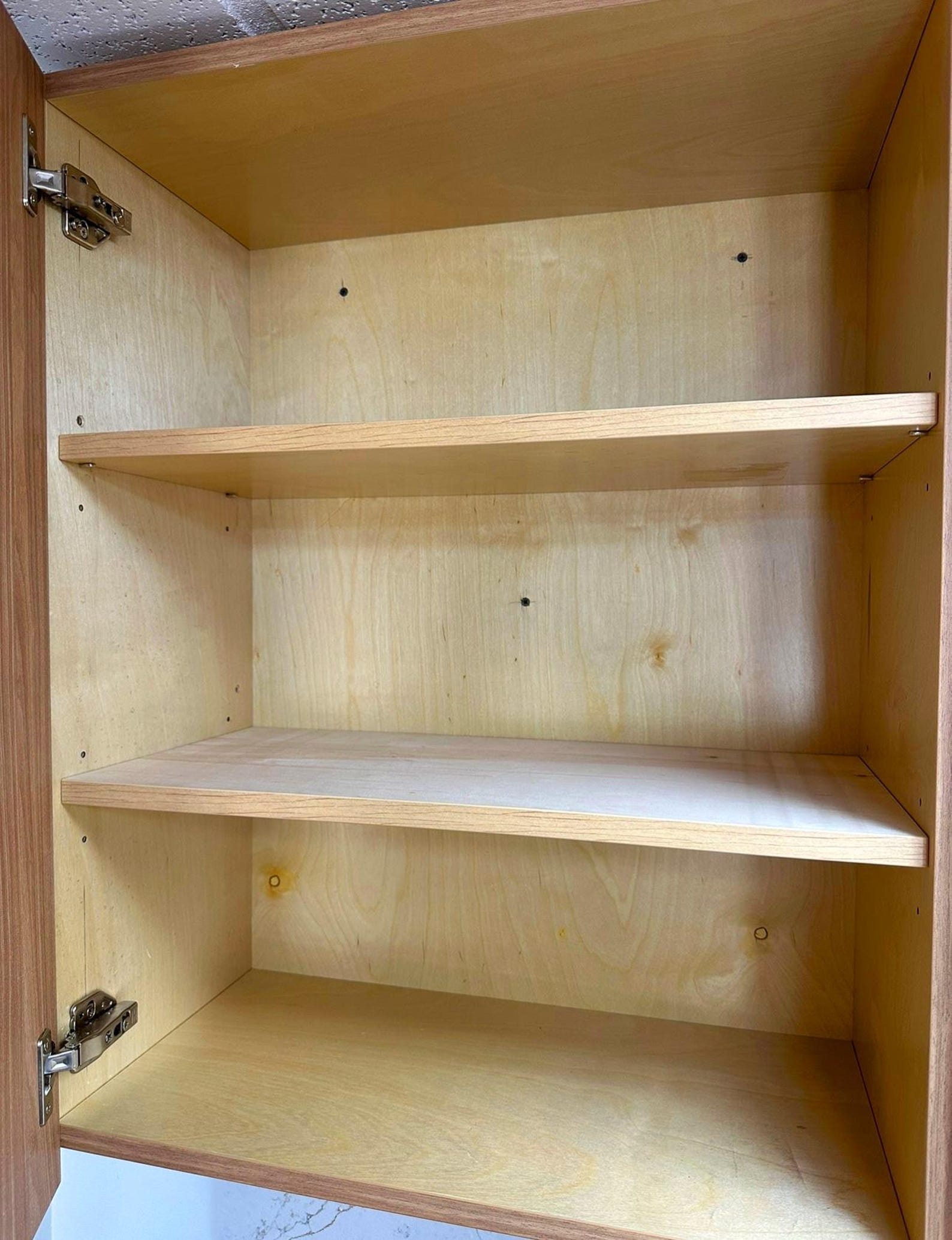
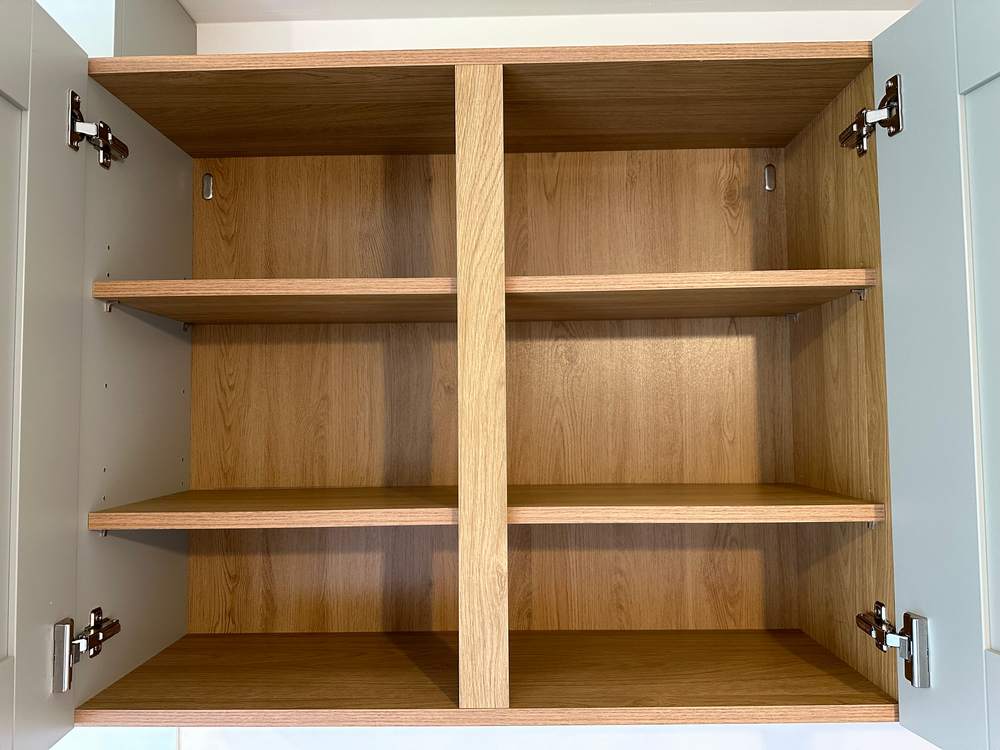
Cabinet Interior Finishing is the process of treating the inside surfaces of cabinets with a decorative or protective layer. These surfaces include cabinet sides, bottoms, shelves, drawer interiors, and interior door faces.
The finish does more than improve appearance. It helps reduce staining, makes cleaning easier, and protects the underlying panel material from normal household use.
Source: usedkitchenhub.com
Surface protection
A sealed interior surface helps limit damage from spills, abrasion, and repeated contact with stored items.
Improved appearance
Interior finishes can create a consistent look that matches cabinet exteriors or provides a practical contrast.
Common Cabinet Interior Finish Materials
Melamine is widely used because it provides a smooth, easy-to-clean surface. Wood veneer offers a natural appearance, while laminate provides additional design options and resistance to daily wear.
Melamine
A resin-coated surface commonly applied over engineered wood panels.
Wood veneer
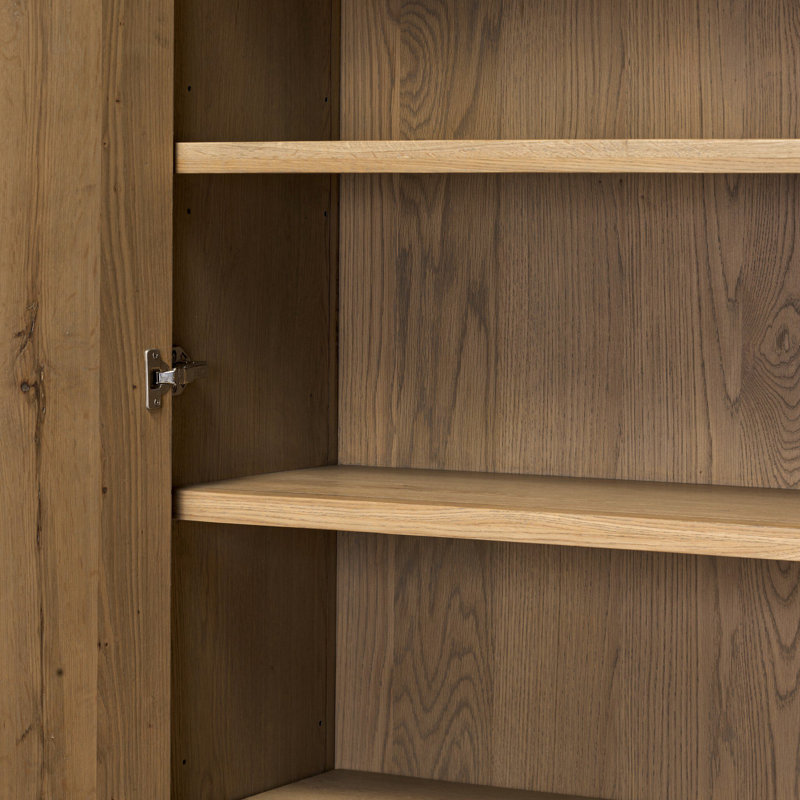
A thin layer of real wood that provides natural grain and texture.
How to Choose a Cabinet Interior Finish
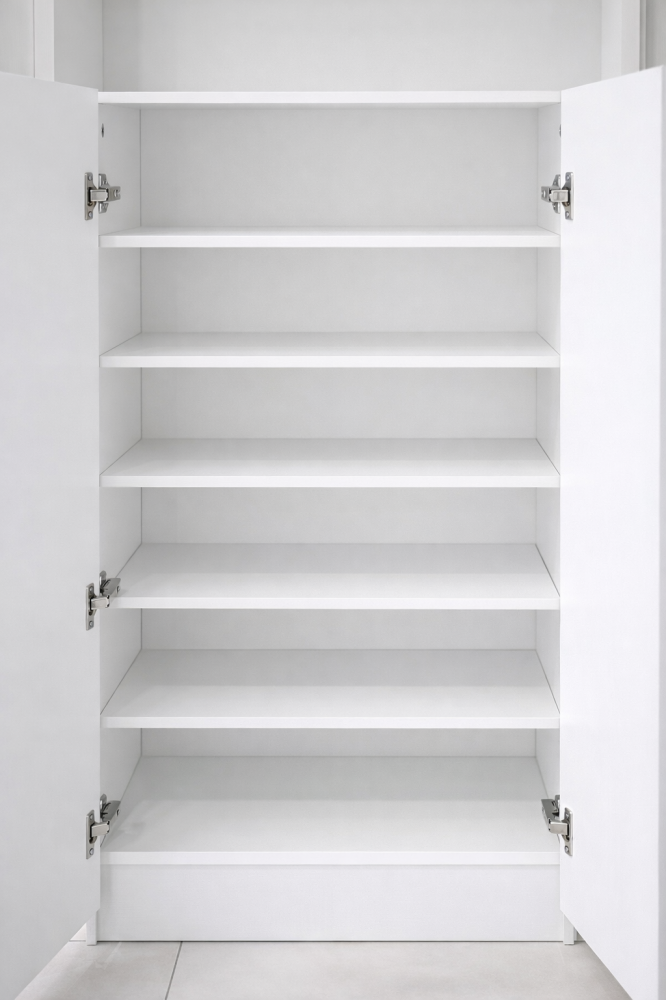
The best cabinet interior finish depends on where the cabinet is installed and how it will be used. Kitchen cabinets near sinks may need better moisture resistance, while display cabinets may prioritize appearance.
Consider the cabinet substrate, edge protection, expected cleaning products, and whether matching the exterior finish is important.
Source: walmartimages.com
Kitchen storage
Choose finishes that handle spills, frequent cleaning, and contact with cookware.
Bathroom cabinets
Prioritize finishes and construction methods designed for higher humidity conditions.
Decorative cabinets
Appearance and grain matching may matter more than heavy-duty protection.
Finish Comparison Factors
A practical comparison should include durability, cleaning requirements, repair options, cost, and how well the finish fits the cabinet design.
Durability
Harder surfaces generally handle scratches and daily contact better.
Maintenance
Smooth sealed surfaces are usually easier to wipe clean.
Steps for Applying Cabinet Interior Finishing
Successful cabinet interior finishing starts with surface preparation. Dust, grease, and uneven areas must be removed before applying coatings or installing finished panels.
The finishing method depends on the material. Factory-applied finishes usually provide consistent coverage, while custom finishing requires careful sanding, coating, and drying between layers.
Source: lowes.com
Step 1: Prepare surfaces
Clean, sand when required, and repair damaged areas before finishing.
Step 2: Apply the finish
Use the correct coating or finishing material for the cabinet substrate.
Step 3: Inspect the result
Check coverage, smoothness, edges, and areas that receive frequent contact.
Common Cabinet Interior Finishing Problems
Interior finishes can fail when the surface is not properly prepared or when the chosen material does not match the environment. Identifying the cause helps prevent repeated repairs.
Moisture, impact damage, harsh cleaners, and poor edge protection are common contributors to cabinet interior damage.
Source: paintedkitchen.co.uk
Peeling finish
May result from poor adhesion, moisture exposure, or incorrect application.
Stains and discoloration
Can occur when spills penetrate unprotected or worn surfaces.
Damaged edges
Exposed panel edges can be vulnerable to moisture and impact.
Maintaining Finished Cabinet Interiors
Regular cleaning and careful use extend the life of cabinet interior finishes. Most finished surfaces only require mild cleaning methods and prompt attention to spills.
Avoid excessive moisture and abrasive cleaners because they can dull surfaces or damage protective layers over time.
Source: salla.sa
Clean regularly
Remove dust and spills before they build up.
Protect surfaces
Use liners when storing items that may scratch or leak.
Frequently Asked Design Considerations for Cabinet Interiors
Cabinet interiors should support the way a space is used. Storage layout, lighting, accessibility, and finish color all influence daily convenience.
A lighter interior finish can improve visibility, while darker finishes may provide a warmer appearance.
Source: wfcdn.com
Visibility
Light finishes can make stored items easier to locate.
Consistency
Matching finishes create a more coordinated cabinet design.
Frequently Asked Questions
Q
What is the most common cabinet interior finish?
Melamine is one of the most common cabinet interior finishes because it provides a smooth, durable, and easy-to-clean surface. It is frequently used in kitchen and storage cabinets.
Q
Can cabinet interiors be refinished?
Yes, many cabinet interiors can be refinished if the existing surface is suitable for preparation and coating. The correct method depends on the current material and its condition.
Q
Should cabinet interiors match the outside finish?
Matching is a design preference rather than a requirement. Some cabinets use coordinated interiors, while others use practical finishes with different colors or materials.
Q
How do you protect cabinet interiors from moisture?
Moisture protection depends on sealed surfaces, protected edges, proper cabinet construction, and quick cleanup of spills.
Q
Is wood veneer better than melamine for cabinet interiors?
Neither material is universally better. Wood veneer provides natural appearance, while melamine often offers easier maintenance and consistent performance.
✦ Wrapping Up
Conclusion
Cabinet Interior Finishing improves both the function and appearance of storage spaces. Choosing the right finish requires balancing durability, maintenance, moisture exposure, and design goals.
A properly prepared and maintained interior finish can help cabinets remain cleaner, easier to use, and more attractive throughout everyday use.
💡 Key Takeaway
Choose a cabinet interior finish based on your room conditions, storage habits, and maintenance expectations before starting the project.