Door panel movement happens because materials such as wood expand and contract as moisture and temperature conditions change. Proper construction, finishing, and installation allow normal movement without damaging the door.
In homes across the United States, door panels commonly experience seasonal movement because indoor humidity levels change between heating seasons and warmer, more humid months. Solid wood is a natural material that absorbs and releases moisture, causing it to expand and shrink mainly across the grain.
Door panel movement is not always a defect. Traditional frame-and-panel doors are designed to allow controlled movement by keeping the panel free inside the frame. Problems occur when movement is restricted, when finishes are uneven, or when moisture exposure causes excessive expansion, shrinking, or warping.
Source: popularwoodworking.com
What Is Door Panel Movement?
Door panel movement refers to the expansion, contraction, shifting, or slight deformation of a door panel caused by changes in moisture, temperature, material properties, or construction conditions.
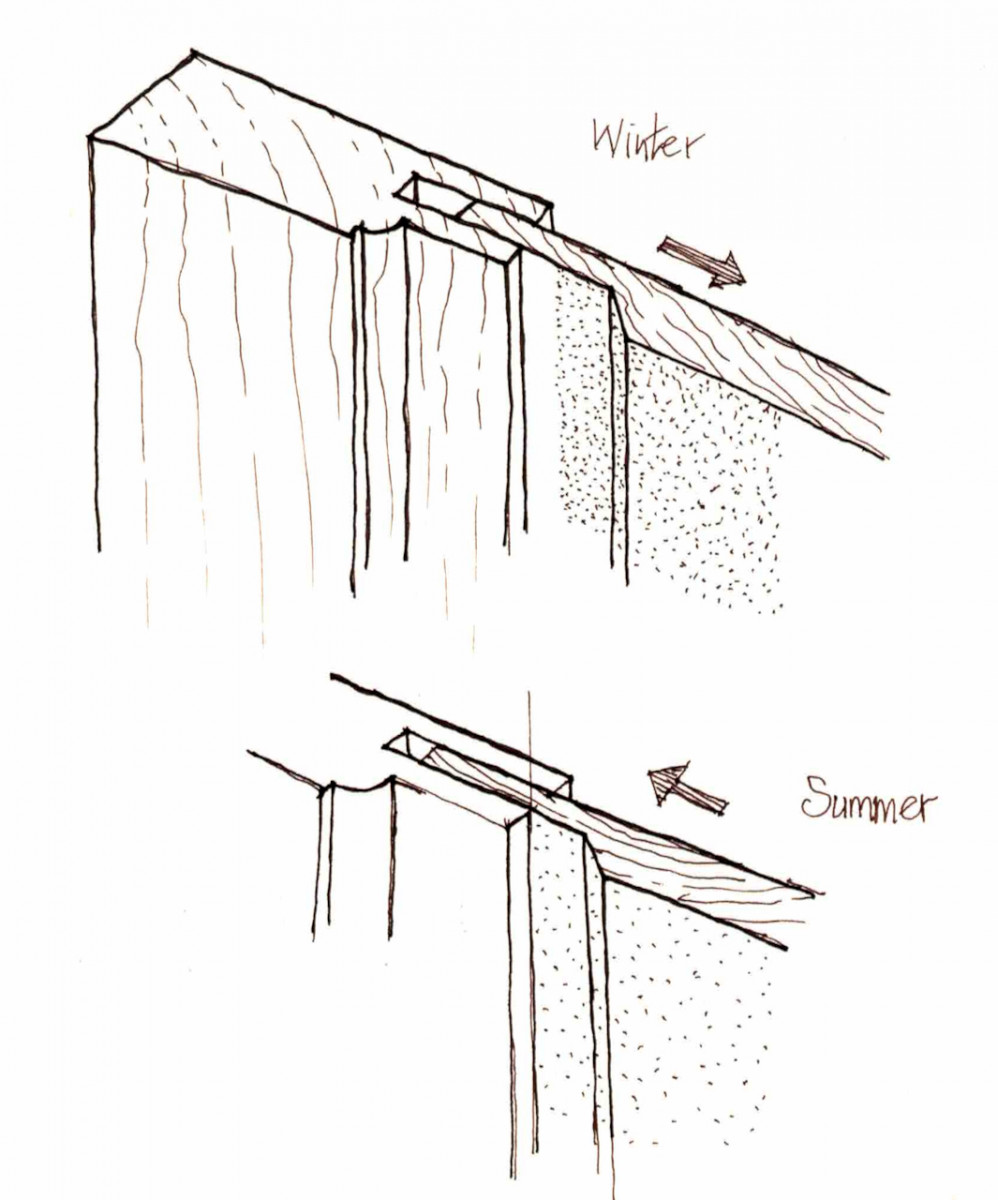
In a traditional wood frame-and-panel door, the center panel is intentionally allowed to float inside grooves in the surrounding frame. This design lets the wood change size without forcing the entire door structure to crack or split.
Source: phiko.kr
Normal movement
Small seasonal changes in panel size are expected, especially with solid wood doors.
Problematic movement
Large gaps, cracks, binding, or visible bending usually indicate excessive moisture, poor finishing, or structural issues.
Why Wood Doors Move
Wood is hygroscopic, meaning it naturally gains and loses moisture from the surrounding air. The amount of movement depends on wood species, grain direction, panel size, moisture levels, and environmental conditions.
Humidity changes
Higher humidity can make wood panels swell, while dry indoor air can cause them to shrink.
Uneven exposure
A door exposed to sunlight, exterior moisture, or different temperatures on each side may move unevenly.
Common Causes of Door Panel Movement
Most door panel movement problems come from changes in moisture conditions or from construction methods that do not account for natural material behavior.
Identifying the cause before making repairs helps prevent repeating the same problem after adjustment or refinishing.
Source: lairdubois.fr
Moisture imbalance
Water exposure, high humidity, or an unfinished surface can cause uneven expansion.
Restricted panel movement
Gluing a floating panel tightly into its frame can prevent normal expansion and create cracks.
Improper finishing
Leaving edges or surfaces poorly sealed can allow moisture to enter unevenly.
How to Diagnose Door Panel Movement Problems
Start by identifying the visible symptom before attempting repairs. A panel that moves slightly with seasons may only need monitoring, while a damaged or distorted panel may require professional repair.
Check the door in different weather conditions when possible because seasonal changes can reveal whether the movement is temporary or ongoing.
Source: klusidee.nl
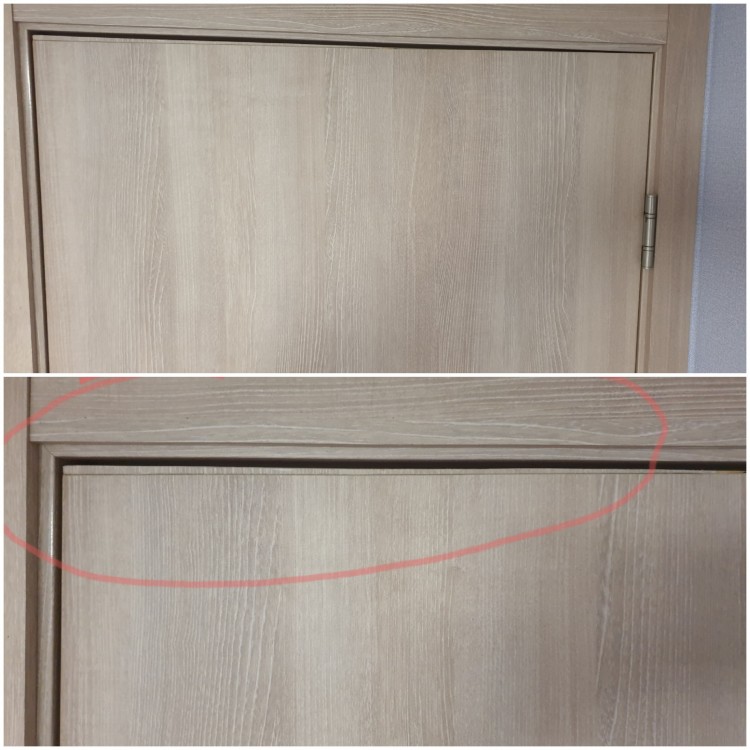
Look for gaps
Small seasonal gaps may be normal, but large or permanent gaps can indicate excessive shrinkage or poor fitting.
Check for sticking
A swollen panel or warped door may rub against the frame and prevent smooth operation.
Inspect cracks
Cracks near joints or panels may show that movement is being restricted.
Basic Troubleshooting Sequence
Inspect moisture sources first, then check finishes, alignment, hardware, and structural condition. Addressing the moisture cause before repairs improves the chance of a lasting fix.
Step 1
Check whether the door is exposed to leaks, high humidity, direct weather, or uneven sunlight.
Step 2
Inspect hinges, frame alignment, and clearance around the door.
Step 3
Repair or refinish only after the cause of movement is understood.
How to Prevent Excessive Door Panel Movement
Prevention focuses on controlling moisture exposure and allowing the door design to work as intended. A well-maintained door can move naturally without developing serious damage.
Regular inspection is especially useful for exterior doors because they experience larger temperature and humidity changes than interior doors.
Source: popularwoodworking.com
Seal all surfaces
Finish the front, back, edges, and exposed areas of wooden doors to reduce uneven moisture absorption.
Maintain indoor humidity
Stable indoor humidity reduces extreme expansion and contraction cycles.
Avoid blocking movement
Floating panels should have room to expand and contract inside their frames.
Frequently Asked Questions
Q
Is door panel movement normal?
Yes. Small seasonal movement is normal for many wood doors because wood responds to changes in moisture. Properly designed doors allow this movement without damage.
Q
Why does my door panel crack during seasonal changes?
Cracking can happen when the panel cannot move freely or when moisture changes create stress in the wood. Restricted panels and uneven finishing are common causes.
Q
Can humidity affect interior door panels?
Yes. Indoor humidity changes can cause wood panels to expand or contract. Heating systems during dry seasons can also increase wood shrinkage.
Q
Should a floating door panel be glued?
Generally, traditional floating panels are not glued into the frame because they need room for seasonal expansion and contraction.
Q
When should I replace a damaged door panel?
Replacement may be needed when the panel has severe warping, structural cracks, water damage, or damage that prevents proper operation.
✦ Wrapping Up
Conclusion
Door panel movement is a natural result of how wood responds to moisture and temperature changes. The goal is not to eliminate all movement but to manage it through proper design, finishing, and maintenance.
Understanding whether movement is normal or a sign of damage helps homeowners and builders choose the right solution. Small seasonal changes may only require observation, while persistent problems should be investigated before repairs are made.
💡 Key Takeaway
Inspect moisture conditions first, allow wood panels to move as designed, and repair the underlying cause instead of only treating the visible symptom.