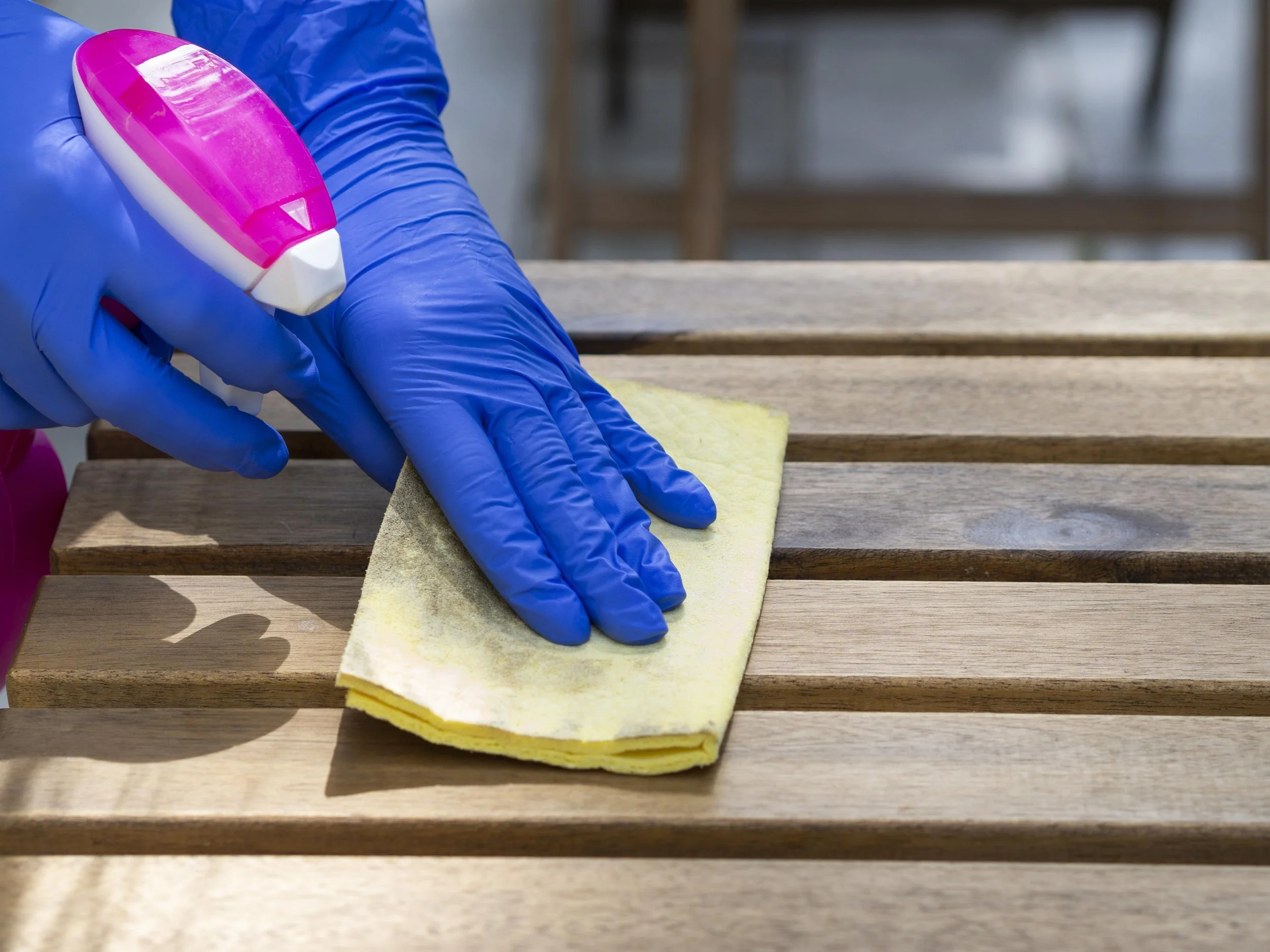
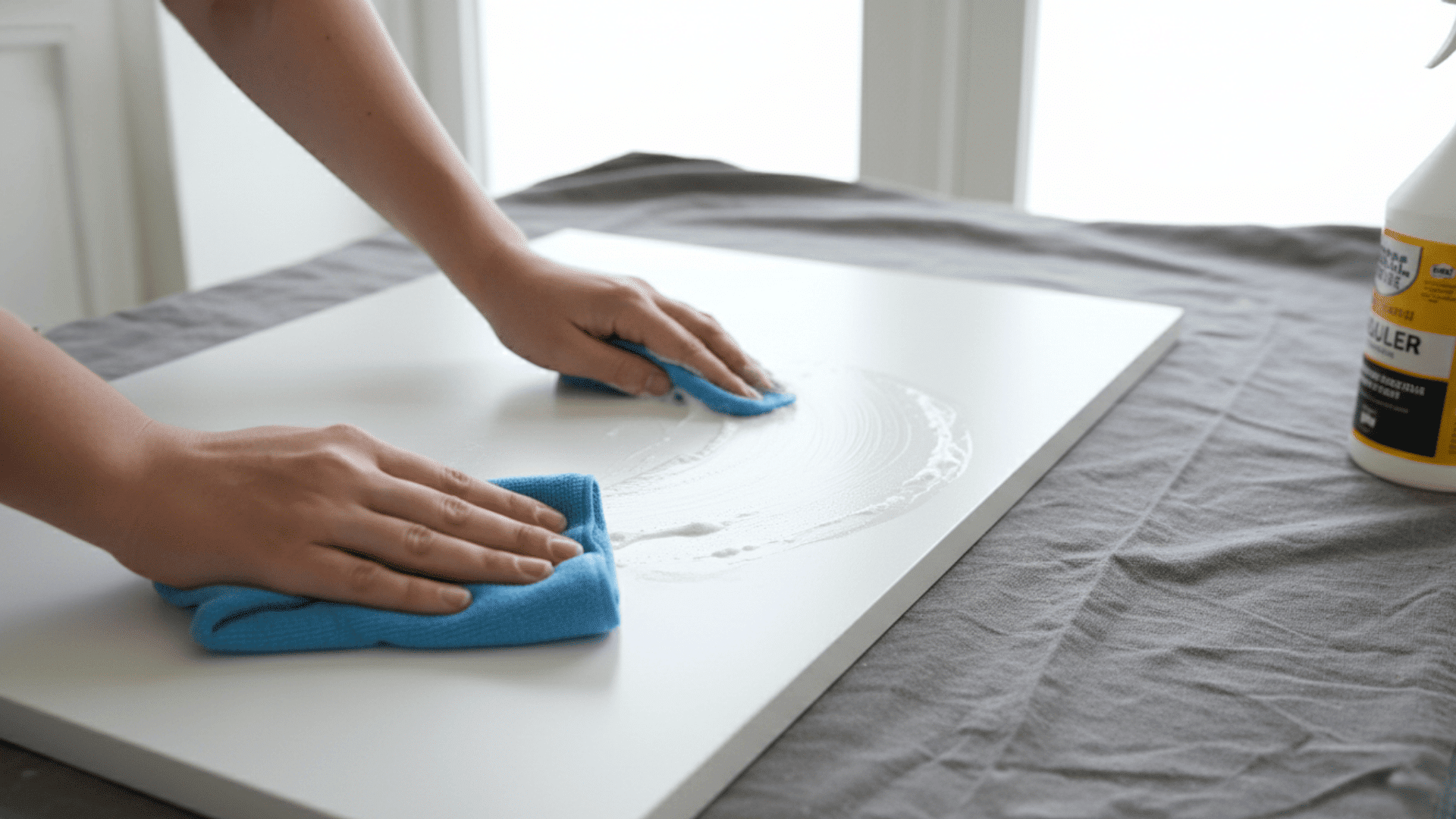
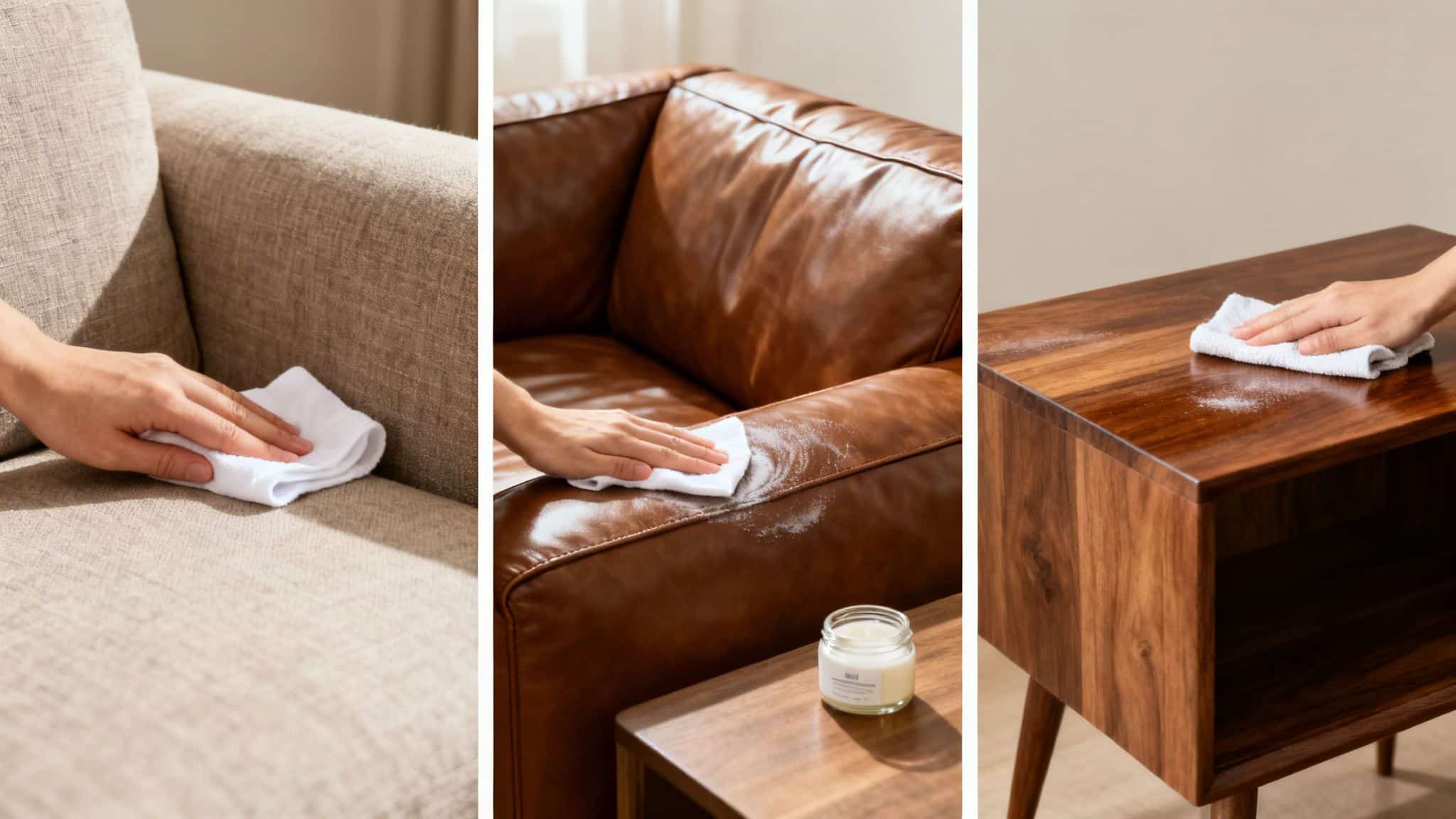
furniture surface cleaning removes dust, dirt, grease, fingerprints, and stains without harming the material or its finish. Use a soft cloth, the right cleaner for the surface, very little moisture, and a dry cloth to finish. Always check the manufacturer’s care instructions first.
In American homes, furniture faces daily wear from family meals, pets, children, dust, and regular use. A dining table may collect food marks, while a coffee table gathers fingerprints and drink rings. Sofas can trap dust, crumbs, and body oils. These small problems can build up and change how furniture looks over time.
Good furniture care starts with knowing what you are cleaning. Solid wood, wood veneer, laminate, glass, metal, leather, and fabric all need different care. A cleaner that works on one surface may leave marks or damage another. Even plain water can cause trouble when it reaches an unsealed edge or a damaged finish.
The safest method is simple. Remove loose dust first, check the surface, and test any cleaning solution in a hidden spot. Work with a soft cloth and avoid soaking the furniture. After cleaning, remove extra moisture and let the surface dry before putting items back.
Source: ccpi.com.ph
Why Proper Furniture Surface Cleaning Matters
Furniture cleaning does more than improve the look of a room. It helps remove the dirt and oils that build up during daily use. Dust can act like a fine abrasive when people rub it across a surface. Over time, this can leave small marks on polished wood, glass, and painted furniture.
Food, drinks, skin oils, and pet marks can also affect furniture. Some spills leave a sticky layer that attracts more dirt. Others may stain a porous material or harm a protective coating. Quick and gentle cleaning can help prevent a small mark from becoming a larger problem.
A clean surface also makes it easier to spot damage. You may notice a loose veneer edge, a crack in a finish, or a small area of rust. Finding these issues early helps you decide whether simple care is enough or whether repair is needed.
Source: furnifixes.com
Protect the finish
Gentle cleaning removes dirt without adding needless wear to paint, lacquer, oil, or other surface coatings.
Control stains
Fast spill cleanup limits the time that food, drinks, and oils can remain on furniture.
Improve daily hygiene
Regular cleaning removes common surface dirt from tables, chairs, desks, and other items that people touch often.
Extend useful life
Good care helps furniture stay clean and useful. It also reduces the need for major cleaning or finish repair.
How Dirt Can Damage Furniture
Loose dust may look harmless, but it can contain small hard particles. Rubbing these particles over a glossy surface can cause fine scratches. Grit can also collect in corners, seams, and decorative details.
Sticky dirt creates another problem. It holds more dust and can become harder to remove as it dries. Strong scrubbing may then damage the finish. Removing dirt in light passes is safer than trying to clean a thick layer at once.
Dry dust
Can scratch a finish when wiped with too much pressure.
Grease and oils
Can leave cloudy or sticky marks on tables, cabinets, and chairs.
Standing water
Can leave rings, swell wood edges, or damage weak joints.
Identify the Furniture Surface Before Cleaning
The material is the first thing to check before you clean furniture. A wooden table may have a clear protective coat, while another table may have an oil finish. A cabinet may look like solid wood but have a thin veneer or a printed laminate layer. These surfaces do not always react in the same way.
Check the care label, product manual, or maker’s website when possible. Look for details about the material, finish, and approved cleaners. If you cannot identify the surface, begin with dry dusting and avoid strong products.
Pay special attention to old furniture, antiques, painted pieces, and items with signs of damage. Their finishes may be weak or hard to replace. A small test is useful, but it cannot make an unsuitable cleaner safe.
Source: amenify.com
Solid wood
Natural wood protected by oil, wax, lacquer, varnish, or another finish. Avoid excess water and harsh chemicals.
Wood veneer
A thin layer of real wood attached to a core material. Keep water away from edges and loose areas.
Laminate
A manufactured surface that often has a printed wood or color pattern. Clean with a soft cloth and a suitable mild solution.
Glass
A smooth surface that can show fingerprints, streaks, and mineral marks. Use a suitable glass cleaner and a soft cloth.
Metal
May have paint, powder coating, chrome, or another protective layer. Avoid abrasive pads and dry the surface after cleaning.
Leather
A natural or coated material that needs care suited to its type. Avoid general household cleaners unless the maker approves them.
Fabric
Needs cleaning based on its care code. Water, foam, or solvent use depends on the fabric and its backing.
Why Furniture Finish Makes a Difference
A finish is the layer that protects or changes the look of a furniture surface. It may create a glossy, satin, matte, or textured look. Some finishes form a strong barrier, while others allow more contact with the wood beneath.
For example, a sealed wooden desk may handle a lightly damp cloth. An unfinished wood shelf may absorb the same water and develop a dark mark. The visible material alone does not tell you how much moisture it can handle.
Sealed finishes
Often allow careful damp wiping, provided the finish is intact and the maker permits it.
Oil finishes
May need special care products and occasional renewal based on the product instructions.
Wax finishes
Can be sensitive to heat, liquids, and cleaners that remove or soften wax.
Tools and Supplies for Safe Furniture Cleaning
You do not need a large set of cleaning tools to care for most furniture. A few clean cloths, a soft brush, and suitable cleaners can handle many daily tasks. The key is to use the right tool without putting too much pressure on the surface.
Keep separate cloths for dusting, wet cleaning, and drying. A cloth that has picked up grit can scratch a polished finish. Wash reusable cloths after use and keep them free from fabric softener or other residue that may transfer to furniture.
Choose cleaning products based on the material and the maker’s instructions. A product labeled as a furniture cleaner is not automatically safe for every type of furniture. Read the label before use and follow its directions.
Source: meredithplays.com
Soft microfiber or lint-free cloths
Useful for removing dust and wiping many sealed hard surfaces. Keep each cloth clean.
Soft natural-bristle brush
Helps remove dust from carved details, seams, and textured areas.
Vacuum with an upholstery attachment
Removes crumbs and loose dirt from fabric furniture without hard scrubbing.
Mild dish soap
May help with some sealed hard surfaces when diluted and approved for the material.
Clean water
Useful for a lightly damp cloth when the furniture care instructions allow water.
Dry cloth
Removes extra moisture after cleaning and helps prevent water marks.
Protective gloves
Can reduce skin contact with cleaning products. Follow the product label for any extra protection.
Prepare Your Cleaning Area
Move small objects, papers, and decorations away from the furniture. This gives you room to clean without knocking items over. Place fragile objects in a safe area before you start.
Open a window when using a product that requires good airflow. Keep children and pets away from wet surfaces and cleaning supplies. Never combine bleach, ammonia, vinegar, or other household cleaners.
Check the label
Confirm that the cleaner is suitable for the material.
Prepare clean cloths
Use separate cloths for dusting, cleaning, and drying.
Protect nearby items
Keep electronics, papers, and decorations away from cleaning liquids.
Step-by-Step Furniture Surface Cleaning Method
A simple cleaning order helps prevent scratches and missed areas. Start with loose dirt, then deal with marks, and finish by drying the surface. Do not begin by spraying a large amount of cleaner onto the furniture.
Use this method for compatible hard surfaces. If the manufacturer gives different instructions, follow those instead. Upholstery, unfinished wood, and delicate antiques may need a separate process.
Source: rightpricecarpetcleaning.com.au
Step 1: Remove loose objects
Clear the surface so you can reach all areas without moving objects across the finish.
Step 2: Remove dust
Use a clean, soft, dry cloth. Lift dust gently instead of pressing hard against the surface.
Step 3: Check for stains
Look for grease, fingerprints, food marks, water rings, and other spots that need extra care.
Step 4: Test the cleaner
Apply a small amount to a hidden area with a cloth. Check for color change, dullness, swelling, or other damage.
Step 5: Clean gently
Dampen the cloth lightly if the material allows it. Wipe in short, gentle passes without soaking the surface.
Step 6: Remove residue
If the cleaner requires rinsing, use a separate cloth lightly dampened with clean water.
Step 7: Dry the surface
Use a fresh, soft cloth to remove moisture. Pay close attention to seams, edges, and joints.
Step 8: Check the result
Look at the surface from different angles. Repeat only if dirt remains and the material allows another pass.
How to Test a Cleaning Product
Choose a small hidden area, such as the back of a table leg or an inside cabinet edge. Apply the cleaner as directed on its label. Do not use more product than the instructions allow.
Wait for the surface to dry before judging the result. Look for color loss, a sticky feel, a cloudy film, swelling, or changes in shine. If you notice any change, stop using that cleaner.
Safe result
The test area looks and feels the same after drying.
Unsafe result
The finish becomes dull, sticky, discolored, rough, or swollen.
How to Know When Cleaning Is Complete
A clean surface should feel free from loose dirt and sticky residue. It should also look even under normal room light. Do not keep wiping only to make a surface look brighter than its original finish.
No loose dirt
A clean cloth no longer picks up visible dust from the treated area.
No cleaner residue
The surface does not feel sticky or show a film from the cleaning product.
Fully dry
No moisture remains around seams, edges, or hardware.
How to Clean Different Types of Furniture Surfaces
Different materials need different cleaning methods. The safest choice depends on the finish, the age of the furniture, and the type of dirt. Use the following methods as general guidance, not as a replacement for the maker’s care instructions.
If a piece has more than one material, treat each part separately. A wood table with metal legs and a glass top needs care for all three surfaces. Do not let cleaner from one area run onto another.
Source: ccpi.com.ph
Clean wood with care
Use a soft cloth and a method approved for the finish. Keep water away from open grain, damaged areas, and joints.
Protect veneer edges
Use very little moisture and avoid rubbing areas where the thin wood layer may be loose.
Wipe laminate gently
Use a soft cloth and a suitable mild cleaner. Dry seams and exposed edges after cleaning.
Clean glass with a soft cloth
Use a glass cleaner that is suitable for the furniture. Avoid abrasive pads and protect the frame.
Cleaning Solid Wood Furniture
Solid wood furniture can have oil, wax, lacquer, varnish, or paint on its surface. Start with a soft, dry cloth to remove dust. If the care instructions allow damp cleaning, use a lightly damp cloth and wipe with the grain.
Dry the surface at once. Do not let water sit on the wood or collect around joints. This is especially important for tables, cabinets, and chairs with small gaps.
Avoid strong cleaners, scouring powders, and rough pads. Do not apply polish or wax every time you clean. Extra products may build up and leave a cloudy or sticky layer.
For daily dust
Use a clean, soft, dry cloth.
For light marks
Use a lightly damp cloth only if the finish permits it, then dry at once.
For old stains
Do not sand or strip the finish without knowing its type. Seek advice from a furniture repair professional when needed.
Cleaning Wood Veneer Furniture
Wood veneer has a thin layer of real wood attached to a core. It can look like solid wood, but its surface needs extra care. Water can enter through damaged edges and may cause the veneer to lift or bubble.
Remove dust with a soft cloth. If the maker allows damp cleaning, use a cloth that is only slightly moist. Avoid soaking the surface, pressing on loose veneer, or rubbing a damaged spot.
If an edge starts to lift, stop cleaning that area. Do not push water or cleaner beneath it. A repair specialist can assess whether the veneer needs to be secured or replaced.
Avoid soaking
Keep liquid away from seams, edges, and areas with damage.
Avoid strong pressure
Light wiping is safer than hard scrubbing.
Cleaning Laminate and Melamine Furniture
Laminate and melamine furniture often have smooth, easy-care surfaces. Dust them with a soft cloth. For normal dirt, use a lightly damp cloth and a mild cleaner approved for the surface.
Do not use steel wool, abrasive powders, or rough scrub pads. These tools can leave marks that cannot be removed with normal cleaning. Avoid strong solvents unless the furniture maker confirms they are safe.
Dry the surface and pay attention to seams and exposed edges. Water trapped near a joint can reach the core and cause swelling. A swollen panel usually needs repair or replacement rather than more cleaning.
For fingerprints
Wipe gently with a clean cloth suited to the laminate finish.
For food marks
Use a mild cleaner approved by the maker, then remove any residue.
For sticky residue
Do not scrape with a knife. Use only a surface-safe cleaner and a soft cloth.
Cleaning Glass Furniture
Glass tables, shelves, and cabinet doors often show fingerprints and streaks. Remove loose dust first with a clean cloth. Then use a glass cleaner that is suitable for the surface and wipe with a soft, lint-free cloth.
Do not spray liquid near wood frames, metal joints, or electrical parts. Apply the cleaner to the cloth when possible. This gives you more control over where the liquid goes.
Check the glass for chips or cracks before cleaning. Do not press on damaged glass. A damaged panel may need professional attention or replacement.
Prevent streaks
Use a clean cloth and avoid leaving excess cleaner on the glass.
Protect the frame
Keep glass cleaner away from wood, paint, and delicate metal finishes.
Cleaning Metal Furniture Surfaces
Metal furniture may have a painted, powder-coated, plated, or polished finish. Dust it with a soft cloth. For normal marks, use a mild cleaning method approved for that finish.
Avoid rough pads and strong acids. They can scratch the coating or affect the metal beneath it. Dry the surface after damp cleaning, especially around screws, joints, and connections.
If rust appears, do not assume that ordinary cleaning will remove it safely. The right treatment depends on the metal and its coating. Deep rust or flaking paint may need repair.
Painted metal
Use a soft cloth and a mild cleaner approved for the paint.
Chrome or plated metal
Avoid harsh abrasives that can wear through the thin surface layer.
Outdoor metal
Remove dirt and dry the surface to reduce moisture-related damage.
Cleaning Leather Furniture
Leather sofas and chairs need gentle care. Begin by removing dust with a soft, dry cloth. Use a vacuum with a soft attachment to remove crumbs from seams and gaps.
For a small spill, blot the liquid with a clean, dry cloth. Do not rub it into the leather. If further cleaning is needed, follow the care instructions for the exact leather type.
Avoid household disinfectants, alcohol-based cleaners, and strong detergents unless the maker approves them. These products may change the color or damage the surface coating. Use leather care products only when they match the leather and its finish.
Natural leather
Needs products suited to its finish and level of protection.
Coated leather
Needs care that will not weaken or strip its surface coating.
Faux leather
Needs care for its synthetic coating. Do not assume natural leather products are suitable.
Cleaning Upholstered Furniture
Fabric furniture can trap dust, crumbs, hair, and other loose dirt. Vacuum it with a soft upholstery attachment. Work gently around seams, buttons, and decorative details.
Check the furniture label for its cleaning code before using liquid. A W code allows certain water-based cleaning methods. An S code calls for an approved solvent-based method. WS allows specified water-based or solvent methods, while X means vacuuming or light brushing only.
These codes are general care directions. The product maker may provide extra limits. Never soak fabric cushions or assume that a removable-looking cover can be washed. Some covers are not made for machine washing or dry cleaning.
For a spill, blot with a clean white cloth. Avoid rubbing, as this can push the stain deeper or damage the fabric. If the stain remains, use only a cleaner approved for the code and test it first.
Code W
Use an approved water-based upholstery cleaner. Avoid over-wetting the fabric.
Code S
Use only a suitable solvent-based product and follow its safety instructions.
Code WS
Use an approved water-based or solvent-based method, based on the care label.
Code X
Use vacuuming or light brushing only. Do not apply liquid or solvent cleaners.
How to Remove Common Furniture Stains and Marks
The right stain treatment depends on both the mark and the material. A food stain on laminate is different from a water ring on wood. Start with the least aggressive method that the care instructions allow.
Do not use one home remedy on every surface. Vinegar, baking soda, alcohol, and other common household products may harm certain finishes. A treatment that seems mild can still cause discoloration or dullness.
If a mark does not come away with gentle cleaning, stop before you damage the finish. Deep stains may need a repair method rather than a stronger household cleaner.
Source: amenify.com
Fingerprints
Wipe with a clean cloth and a suitable cleaner. Avoid pressing hard on glossy or delicate finishes.
Food spills
Remove solid pieces gently, then clean the remaining mark using a material-safe method.
Grease marks
Use a mild cleaner only if approved for the surface. Remove residue and dry the area.
Water rings
Identify the finish before trying a treatment. Some rings are beneath the finish and need professional repair.
Ink marks
Do not use alcohol or solvents without checking the surface instructions. They may remove paint or finish.
Removing Dust and Everyday Dirt
Dust is usually the easiest type of dirt to remove. Use a soft cloth and move gently across the surface. For detailed furniture, use a soft brush to reach corners and carved areas.
Clean from the top down so dust does not fall onto areas you have already cleaned. Wash or replace the cloth when it becomes dirty. This helps prevent grit from moving across the finish.
Use light pressure
Let the cloth collect the dust rather than pushing hard.
Reach hidden areas
Clean under handles, around legs, and along safe-to-reach edges.
Removing Sticky Food and Drink Marks
Remove food residue before it dries when possible. Lift solid pieces with a soft cloth or a suitable non-sharp tool. Do not scrape the surface with metal objects.
For a compatible sealed surface, use a lightly damp cloth with an approved mild cleaning solution. Wipe away the residue and dry the area. If the mark remains, check the furniture care instructions before trying another product.
Fresh spills
Blot or lift the spill quickly without spreading it.
Dried residue
Soften it only with a method approved for the material. Avoid scraping and rough rubbing.
Dealing With Water Marks
Water marks on wood can have different causes. A light surface mark may be residue, while a white ring can involve moisture trapped in the finish. A dark mark may indicate that moisture has reached the wood.
Do not assume that heat, toothpaste, baking soda, or vinegar will fix the problem. These methods can damage some finishes. If gentle cleaning does not work, ask a furniture repair specialist to assess the mark.
Light surface residue
Try the approved routine cleaning method first.
White rings
Check the finish type before using any special treatment.
Dark water stains
Consider professional repair because the wood itself may be affected.
Common Furniture Cleaning Mistakes to Avoid
Many furniture problems happen because people use too much cleaner or apply the wrong product. A strong smell does not mean a cleaner works better. In fact, strong chemicals may remove a protective finish or change the color of a surface.
The safest approach is to clean gently and stop when the dirt is gone. Do not keep scrubbing a stain just because it remains visible. The stain may be deeper than the surface cleaning method can reach.
Good care also means knowing when not to clean. A cracked finish, loose veneer, peeling paint, or damaged upholstery may need repair first. Cleaning over damaged material can make the problem worse.
Source: rightpricecarpetcleaning.com.au
Using too much water
Excess moisture can swell wood, loosen veneer, damage joints, and leave marks.
Using rough scrubbers
Steel wool and abrasive pads can scratch coatings and polished surfaces.
Applying cleaner directly
Spraying onto furniture can allow liquid to enter seams, joints, and nearby materials.
Mixing cleaning products
Combining household chemicals can create harmful fumes or dangerous reactions.
Ignoring care labels
A cleaner may be unsuitable even when it is designed for general household use.
Using too much polish
Repeated layers may create buildup and attract more dust.
Why Vinegar and Baking Soda Are Not Universal Cleaners
Vinegar is acidic, while baking soda can act as an abrasive. Both have uses in some household cleaning tasks, but that does not make them safe for every furniture finish.
Acid may affect stone, some coatings, and other sensitive materials. Abrasive powders may dull polished finishes. Avoid these products unless the furniture maker confirms that the method is suitable.
Do not assume natural means safe
Household ingredients can still react with furniture coatings.
Avoid untested recipes
Use a tested care method that matches the material and finish.
When to Stop Cleaning and Seek Help
Stop if the surface begins to change during cleaning. A cloudy patch, color transfer, peeling coating, or swelling can signal damage. Adding more cleaner may make the problem worse.
A professional furniture restorer or suitable cleaning service can assess delicate and valuable pieces. This is a safer choice for antiques, deep stains, loose veneer, damaged leather, and large upholstery stains.
Finish damage
Seek help when paint, lacquer, varnish, or another coating starts to peel or dissolve.
Structural damage
Do not wet or scrub loose joints, cracks, or swollen panels.
Large upholstery stains
Use a qualified upholstery cleaning service when home spot care is not suitable.
How Often Should You Clean Furniture Surfaces?
Furniture cleaning frequency depends on how often a piece is used and where it sits. A dining table may need daily attention, while a decorative cabinet may need only regular dusting. Homes with pets, children, or heavy foot traffic may need more frequent care.
A simple routine works better than waiting until dirt becomes hard to remove. Daily attention to spills and weekly dusting can help keep many furniture surfaces in good condition. Deeper cleaning should follow the material and maker’s instructions.
Do not apply polish, wax, or conditioner on a fixed schedule unless the product instructions call for it. These treatments are not the same as normal cleaning. Too much product can leave residue or change the appearance of the finish.
Source: meredithplays.com
Daily
Wipe fresh spills and food marks from suitable surfaces. Remove visible crumbs from tables and seating.
Weekly
Dust frequently used furniture and vacuum upholstery where needed.
Monthly
Check corners, seams, handles, and less-used areas for dirt buildup.
As needed
Perform deeper cleaning based on the surface material, care label, and actual level of dirt.
Build a Simple Furniture Care Routine
Choose a regular day for basic dusting and inspection. Keep clean cloths in a convenient place so you can remove spills without delay. Make sure every family member knows which products are safe for the furniture.
Use coasters under drinks and mats under items that may scratch or stain a table. Place felt pads under decorative objects that move often. These small habits reduce the need for repeated cleaning.
Keep supplies ready
Store suitable cloths and approved cleaners in a safe place.
Protect busy surfaces
Use coasters, placemats, and suitable protective pads.
Inspect for damage
Look for loose edges, cracks, stains, and changes in the finish.
How to Protect Furniture After Cleaning
Furniture protection starts with keeping dirt, heat, sunlight, and moisture under control. Cleaning removes existing dirt, but daily habits help prevent new damage. A few simple changes can reduce marks and wear on common household furniture.
Keep furniture away from strong heat and direct sunlight when possible. Long exposure may change colors, dry some materials, or affect finishes. Use curtains or blinds to reduce harsh sunlight on valuable pieces.
Use coasters and placemats on tables. Do not place hot pans, wet containers, or heavy objects directly on a delicate surface. Lift objects when moving them instead of dragging them across the furniture.
Source: amenify.com
Control moisture
Wipe spills quickly and avoid leaving wet cloths or containers on furniture.
Reduce heat exposure
Keep furniture away from heaters, fireplaces, and very hot objects.
Limit direct sunlight
Use window coverings where strong sunlight reaches furniture for long periods.
Prevent scratches
Use felt pads under objects and avoid dragging items across tables.
Care for outdoor pieces
Remove dirt, dry surfaces, and use suitable covers when the furniture is not in use.
Protect Furniture in Homes With Children and Pets
Homes with children and pets often have more spills, crumbs, hair, and fingerprints. Choose cleaning products that are approved for the furniture and store them away from children and animals. Never leave a wet cleaning solution where a pet or child can touch it.
Use washable placemats and suitable covers on busy areas. Clean spills as soon as they happen. For pet hair, use an upholstery attachment or a tool approved for the fabric rather than a rough brush.
Keep cleaners secure
Store all products in their original containers and follow label safety directions.
Clean food areas often
Remove crumbs and spills before they attract more dirt.
Use suitable fabric tools
Choose a soft attachment that will not pull or damage upholstery fibers.
Furniture Surface Cleaning: Choosing the Right Method
The best cleaning method is the least aggressive method that safely removes the dirt. Material, finish, stain type, and furniture age all affect the choice. When two methods seem possible, start with the one that uses less moisture and less friction.
The table below gives a simple starting point for common furniture materials. It does not replace a care label or product manual. Special coatings, damaged finishes, and antique materials may need a different approach.
Source: ccpi.com.ph
For routine dust
Choose a clean, soft, dry cloth or a suitable soft brush.
For light surface dirt
Use a compatible lightly damp cloth and mild cleaner when permitted.
For deep stains
Check the care instructions and consider professional cleaning or repair.
Quick Furniture Cleaning Decision Guide
Use this guide tochoose a safe first step. If you do not know the material or finish, avoid liquid cleaners until you can identify it. A careful first step is better than a fast treatment that leaves permanent damage.
Wood
Dry dust first. Use only a finish-compatible cleaning method and dry any permitted moisture quickly.
Veneer
Dust gently and keep liquid away from edges, seams, and damaged areas.
Laminate
Use a soft cloth and a mild approved cleaner. Dry the edges and joints.
Glass
Use a suitable glass cleaner and a clean, soft cloth.
Metal
Use a mild compatible cleaner and dry the surface after wiping.
Leather
Dust gently and follow the care instructions for the exact leather type.
Upholstery
Check the cleaning code before using water, foam, or solvent.
What to Do When a Cleaning Method Fails
If a mark remains, do not keep increasing the cleaner strength. Check whether the stain has entered the material or changed the finish. A surface cleaner cannot repair missing coating, deep discoloration, or structural damage.
Stop if you notice a change in color, shine, texture, or shape. Record the material and the product used, then ask a suitable furniture care professional for advice. This can help avoid repeated attempts that make the damage worse.
Stain remains
Check whether a material-specific stain treatment is approved.
Finish changes
Stop cleaning and seek advice about restoring the surface.
Material swells or lifts
Keep the area dry and arrange an assessment or repair.
Frequently Asked Questions
Q
What is the safest way to clean furniture surfaces?
The safest starting point is to remove loose dust with a clean, soft cloth. Then check the material and finish before using a cleaner. If damp cleaning is allowed, use a lightly damp cloth and dry the surface afterward. Always follow the furniture maker’s instructions.
Q
Can I use dish soap to clean all furniture?
No. A mild dish soap solution may work on some sealed hard surfaces, but it is not suitable for every material. It may leave residue or harm delicate finishes, leather, and certain fabrics. Check the care instructions and test a hidden area before use.
Q
How do I clean furniture without damaging the finish?
Remove dust first, use a soft cloth, and avoid strong pressure. Choose a cleaner that matches the surface and use only the amount needed. Avoid abrasive pads, excess water, and unapproved household remedies. Dry the surface when the care instructions allow damp cleaning.
Q
Is vinegar safe for wooden furniture?
Vinegar is not a universal wood cleaner. Its acidic nature may affect some finishes and coatings. Do not use it unless the furniture maker confirms that it is suitable for the exact surface. A compatible wood cleaner or approved gentle method is a safer choice.
Q
How often should I clean my furniture?
Remove spills as soon as they happen. Dust frequently used furniture about once a week, or more often when needed. Dining tables and other busy surfaces may need daily attention. Deeper cleaning depends on the material, level of dirt, and manufacturer guidance.
Q
Can I use disinfectant on furniture surfaces?
Only use a disinfectant when its label confirms that it is suitable for the furniture material. Some disinfectants contain alcohol, bleach, or other chemicals that can damage finishes and coatings. Follow the label directions and keep the required contact time without allowing excess liquid to enter seams.
Q
How do I clean a fabric sofa safely?
Start by checking the sofa’s cleaning code. Vacuum loose dirt with a soft upholstery attachment. Use only the water-based, solvent-based, or dry-care method allowed by that code. Blot spills instead of rubbing them, and avoid soaking the fabric.
Q
Should I polish furniture after every cleaning?
No. Normal cleaning does not always require polish or wax. Repeated use can leave buildup, change the sheen, or attract dust. Use a care product only when it matches the finish and the maker’s instructions recommend it.
✦ Wrapping Up
Conclusion
Furniture surface cleaning is easier when you understand the material before choosing a method. Wood, veneer, laminate, glass, metal, leather, and fabric all have different care needs. A soft cloth, gentle cleaning, and careful drying are useful habits for many surfaces, but the manufacturer’s instructions should guide the final choice.
The best results come from regular care rather than harsh cleaning. Remove dust before wiping, clean spills quickly, and test unfamiliar products in a hidden area. Avoid too much water, strong chemicals, and rough tools that may damage a finish.
Some marks cannot be removed through normal cleaning. Deep stains, loose veneer, peeling finishes, swollen panels, and damaged upholstery may need professional care. Knowing when to stop is part of good furniture maintenance.
💡 Key Takeaway
Start by identifying the furniture material and checking its care instructions. Remove loose dust, test an approved cleaner in a hidden area, and clean gently with a soft cloth. Dry the surface when appropriate, protect it from future spills, and seek professional help if the finish or material shows signs of damage.