
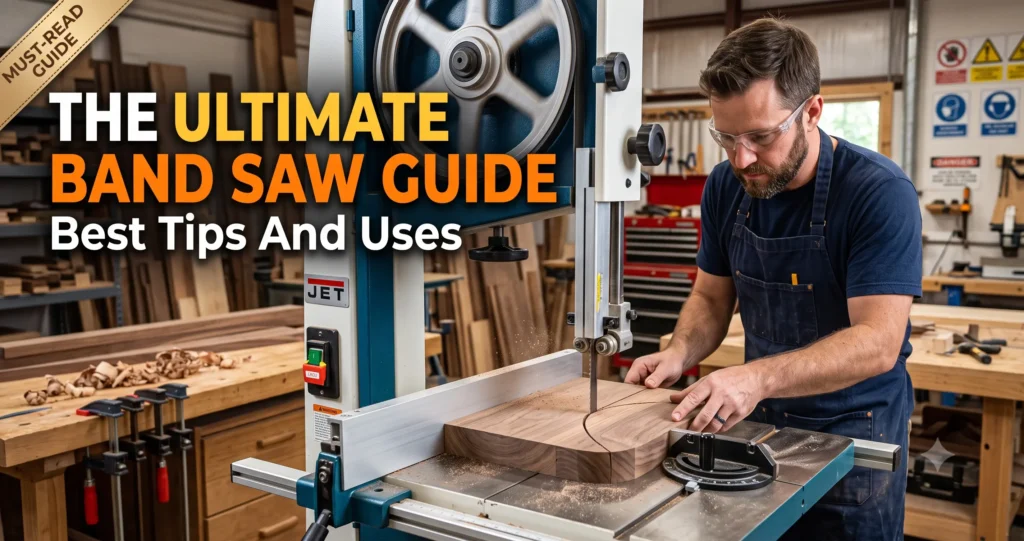
The ultimate band saw guide helps you choose, use, and maintain the right saw with confidence.
If you have ever watched a band saw slice through wood like it was soft butter, you already know why this tool has such a loyal following. I have spent years around band saws in home shops and busy workshop settings, and I can tell you this: the right setup makes the tool feel almost effortless, while the wrong setup turns even simple cuts into frustration. This guide walks you through everything you need to know about the ultimate band saw guide, from parts and blade choices to safe use, tuning, and buying tips, so you can get clean, accurate results without wasting time or material.
What a Band Saw Is and Why It Matters
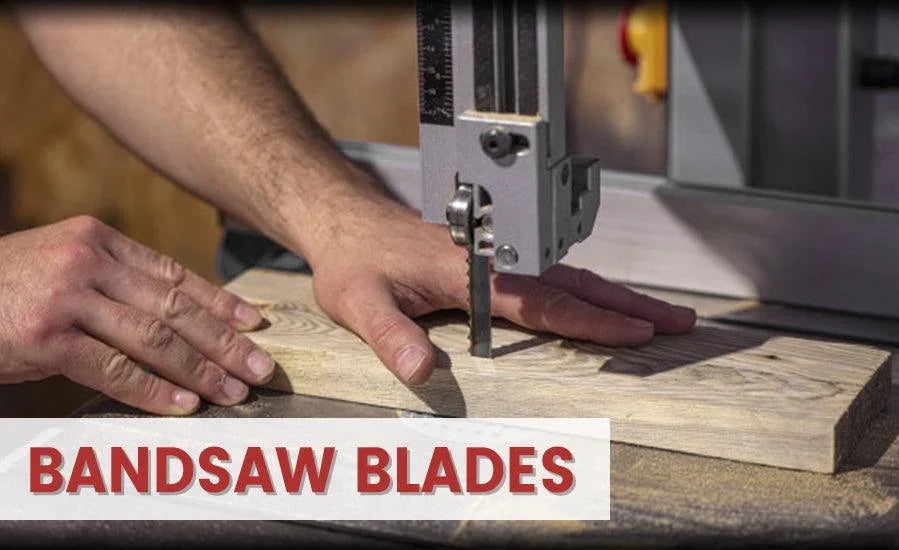
A band saw is a power tool that uses a long, continuous blade with teeth along one edge. The blade moves in a loop around two or more wheels, which lets it cut smoothly and consistently. Because the blade moves in one direction and makes a narrow cut, a band saw is great for curves, resawing, ripping, and general shop work.
People often ask what makes a band saw different from other saws. The biggest advantage is control. A table saw is better for some straight cuts, but a band saw is usually safer for curved work and can handle thicker stock with less waste.
Here is why the ultimate band saw guide matters for beginners and experienced users alike:
- It helps you pick the right machine for your needs.
- It helps you choose the right blade for the job.
- It helps you avoid common mistakes that ruin cuts.
- It helps you work safer and with more confidence.
In my experience, many bad cuts are not caused by a weak saw. They come from poor blade choice, bad tension, or a table that is not tuned square. Once those basics are right, the saw starts behaving like a trusted partner instead of a fight waiting to happen.

Main Parts of a Band Saw
To use a band saw well, you need to understand the main parts. Each part affects cut quality, safety, and ease of use.
Blade
The blade is the heart of the saw. It comes in different widths, tooth counts, and tooth patterns. Wider blades are better for straight cuts and resawing, while narrow blades are better for tight curves.
Wheels
The wheels keep the blade moving in a loop. Good wheel alignment helps the blade track properly and reduces wear. If the wheels are out of tune, the blade can drift or jump.
Table
The table supports the workpiece. A flat, stable table makes it easier to cut accurately. Many tables tilt for bevel cuts.
Guides
Blade guides help keep the blade steady during cutting. They usually sit above and below the table. Proper guide setup reduces vibration and gives you cleaner cuts.
Tensioning system
This lets you set blade tension. Correct tension keeps the blade stable without overstressing it. Too little tension causes wandering cuts. Too much can shorten blade life.
Motor
The motor powers the saw. More powerful motors help with thick hardwoods and longer cutting sessions. Smaller motors are fine for light shop use, but they can struggle with demanding jobs.
Types of Band Saws
The ultimate band saw guide is not complete without looking at the different types. Each style serves a different user and shop.
Benchtop band saws
These are small and portable. They are a good choice for hobbyists, small projects, and tight spaces. They are usually less expensive, but they have limits with depth of cut and motor power.
Floor standing band saws
These are larger and more stable. They are ideal for serious woodworking, repeated use, and bigger stock. If you plan to resaw boards or cut thick hardwood, this is often the better choice.
Vertical band saws
These are the most common style in woodworking shops. The blade moves vertically, and the user moves the material by hand. They are versatile and work well for curves, shaping, and general cutting.
Horizontal band saws
These are often used in metalworking. The blade cuts horizontally, and the machine often lowers itself through the material. They are especially useful for cutting metal stock, pipe, and tubing.
Portable band saws
These are handheld tools. They are common in construction, plumbing, and electrical work. They are handy for quick cuts on site, though they do not replace a shop band saw.
How to Choose the Right Band Saw
Buying the wrong saw is a common mistake. I have seen people buy a machine that looked impressive on paper but did not match their actual work. The best band saw is the one that fits your projects, space, and budget.
Think about your main use
Ask yourself what you will cut most often.
- Curves and small shapes
- Straight cuts in wood
- Resawing thick boards
- Metal cutting
- Mixed general use
Check throat depth and cutting height
Throat depth is the distance from the blade to the frame. It affects how wide a workpiece you can cut. Cutting height tells you how thick the material can be.
Look at motor power
A stronger motor helps with hardwood, thick stock, and long sessions. For light hobby use, a smaller motor may be enough. For resawing, more power is usually worth it.
Review blade size options
A saw that supports a wide range of blade widths is more flexible. That matters if you want to move from tight curves to straight resaw cuts without buying a new machine.
Pay attention to frame quality
A rigid frame reduces vibration and improves accuracy. Cast iron and heavy steel frames often perform better than light, flimsy ones.
Consider dust collection
Dust collection is not just about cleanup. It helps visibility, keeps the workspace healthier, and can extend the life of the saw.
From my own shop experience, I always tell people to spend less time chasing the biggest spec and more time matching the saw to their real projects. A well-sized midrange saw with good tuning often beats a bigger saw that is poorly used.
Band Saw Blade Types and When to Use Them
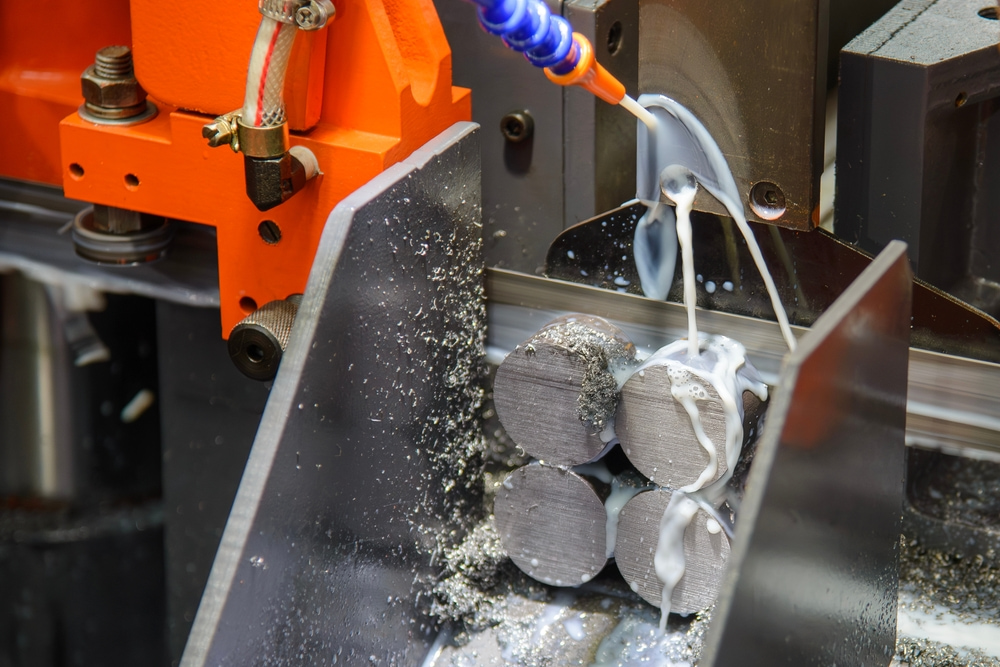
Blade choice changes everything. Even a great saw will cut badly with the wrong blade. This is one of the biggest lessons in the ultimate band saw guide.
Blade width
- Narrow blades, such as 1/8 inch or 1/4 inch, are best for tight curves.
- Medium blades, such as 3/8 inch, work well for general use.
- Wide blades, such as 1/2 inch or 3/4 inch, are better for straight cuts and resawing.
Tooth count
- Fewer teeth per inch, or TPI, clear material faster.
- More TPI gives smoother cuts but slower feed rates.
Tooth style
- Hook teeth cut aggressively and are useful for faster work.
- Skip teeth help clear chips and are good for wood.
- Variable pitch blades reduce vibration and improve finish.
Blade material
- Carbon steel blades are affordable and good for light use.
- Bi metal blades last longer and handle tougher jobs.
- Carbide tipped blades stay sharp longer and are great for demanding work.
A mistake I made early on was using one blade for too many tasks. It was like trying to use one kitchen knife for bread, meat, and tomatoes. Once I started matching blade width and TPI to the job, the saw became far easier to control.
How to Set Up a Band Saw Correctly
Setup is where good results begin. Many users skip this step and then blame the saw for poor cuts.
Step 1: Install the blade properly
Make sure the blade is seated correctly on the wheels. Check that the teeth point in the right direction for the cut.
Step 2: Set the tension
Use the manufacturer’s recommendation as your starting point. Then fine-tune based on the blade behavior. The blade should be firm, stable, and not overly tight.
Step 3: Align the blade guides
The guides should support the blade without pinching it. Proper spacing helps prevent deflection and reduces wear.
Step 4: Check tracking
Spin the wheels by hand and confirm that the blade tracks centrally. Small adjustments can make a big difference.
Step 5: Square the table
If you want accurate cuts, the table must be square to the blade unless you are intentionally cutting at an angle. Use a reliable square for this.
Step 6: Test with scrap wood
Always test on scrap before cutting your final workpiece. This saves time, money, and frustration.
How to Use a Band Saw Safely
Safety should always come first. A band saw is generally safer than many other shop saws, but it still demands respect.
Safe operating habits
- Keep your hands away from the blade path.
- Use push sticks when needed.
- Wear safety glasses.
- Avoid loose clothing and jewelry.
- Keep the work area clean and well lit.
Feeding the material
Let the blade do the work. Do not force the wood or metal through too quickly. A steady feed gives better control and a smoother cut.
Cutting curves
Move the workpiece slowly and guide it with both hands if possible. Make small relief cuts on tight curves to reduce stress on the blade.
Cutting thick stock
Thicker material needs patience. If the saw starts bogging down, reduce feed speed and check whether the blade is sharp enough and the motor is strong enough.
Common safety mistakes
- Using a dull blade
- Standing in line with the blade path
- Forcing the cut
- Reaching too close while the saw is running
One of the best habits I learned was to pause before each cut and mentally trace the blade path. That small habit has saved me from more than one bad move.
Band Saw Cutting Techniques
Different cuts need different techniques. The ultimate band saw guide should help you cut smarter, not just cut more.
Straight cuts
Use a wide blade with proper tension. Keep your feed steady and guide the material without twisting it. A fence can help with repeatable cuts.
Curved cuts
Use a narrow blade and take your time. Cut just outside your line first, then refine the shape in a second pass if needed.
Resawing
Resawing means cutting boards into thinner pieces. This requires a stable saw, a sharp wide blade, and good fence support. Slow feed and proper tuning matter a lot here.
Ripping
Ripping on a band saw can reduce waste and blade strain compared with other saws. It works best on a tuned saw with a sharp blade and a fence.
Metal cutting
If you use a horizontal or metal-rated band saw, choose the right blade for the material. Metal cutting usually needs slower speed and the proper tooth pattern.
Maintenance Tips That Keep the Saw Working Well
Good maintenance saves money and improves performance. I have seen old saws come back to life with nothing more than cleaning, adjustment, and a fresh blade.
Clean the saw often
Dust and chips build up fast. Clean around the wheels, table, guides, and lower cabinet.
Check blade condition
Replace blades that are dull, cracked, or bent. A worn blade makes the saw work harder and raises the chance of mistakes.
Inspect tires and wheels
Worn tires can affect tracking. Make sure the wheels turn smoothly and stay properly aligned.
Lubricate moving parts
Follow the manufacturer’s advice for lubrication. Do not overdo it, since too much lubricant can attract dust.
Keep the table flat and rust free
A clean table helps material slide smoothly. Use paste wax or a suitable protectant if recommended for your saw.
Troubleshooting Common Band Saw Problems
Even a good saw can act up. The key is knowing what the symptoms mean.
Blade drifts during cuts
This often means the blade is dull, the guides are misaligned, or the fence is being used incorrectly. Check each one before blaming the saw.
The blade keeps coming off the wheels
This may point to bad tracking, improper tension, or worn tires. Inspect the setup step by step.
The cut surface is rough
A rough surface usually means the blade is wrong for the job or the feed rate is too fast. A finer-tooth blade may help.
The motor struggles
If the motor bogs down, the cut may be too aggressive, the blade dull, or the material too thick for the machine. Back off and reassess.
Too much vibration
Vibration can come from loose parts, an unbalanced blade, or a weak setup. Tightening the machine and checking the blade usually helps.
Benefits and Limitations of a Band Saw
The ultimate band saw guide should be honest about both the strengths and the limits.
Benefits
- Safer than many other saws for curved work
- Narrower kerf, which means less waste
- Versatile for many materials
- Good for resawing and shaping
- Cleaner control on tricky cuts
Limitations
- Not always the best choice for ultra-fine finish cuts
- Requires setup and tuning
- Blade changes can take time
- Smaller saws have power and depth limits
A band saw is a lot like a steady hiking partner. It will not sprint for you, but if you keep it tuned and choose the right path, it will carry you far.
Band Saw Buying Tips for Different Users
The right choice depends on who you are and what you do.
For beginners
Look for a simple saw with easy adjustments, stable construction, and good blade availability. You do not need the most expensive model to learn well.
For hobby woodworkers
Choose a saw with enough power for hardwood and enough throat depth for your projects. Flexibility matters more than flashy features.
For small shops
Focus on durability, dust collection, and repeatability. You want a tool that keeps up without constant fuss.
For metalworkers
Pick a saw designed for metal with the right speed control, blade support, and frame strength.
Frequently Asked Questions of The Ultimate Band Saw Guide
What is a band saw best used for?
A band saw is best for curved cuts, resawing, and general shop cutting. It is also useful for ripping and shaping wood with less waste than many other saws.
How do I know which blade to buy?
Start with the type of cut you need. Narrow blades are better for curves, while wider blades work better for straight cuts and resawing.
How often should I replace a band saw blade?
Replace the blade when it becomes dull, starts drifting, or leaves rough cuts even after tuning. How long it lasts depends on the material, usage, and blade quality.
Is a band saw safer than a table saw?
A band saw is often safer for curved work because the blade moves in one direction and has less kickback risk. Still, it can cause serious injury if used carelessly.
Can a band saw cut metal and wood?
Yes, but usually not with the same blade or the same setup. Wood and metal need different blade types, speeds, and cutting habits.
Conclusion
The ultimate band saw guide comes down to a simple idea: the saw works best when the blade, setup, and technique all match the task. Once you understand the machine, you stop fighting it and start getting clean, controlled results. That is where the real value is, whether you are a weekend hobbyist or a serious shop user.
If you are ready to get better results, focus on blade choice, careful setup, and steady maintenance. Then put what you learned into practice on scrap before moving to final workpieces. Keep exploring, keep testing, and if this guide helped, share your thoughts or subscribe for more practical shop advice.