
The Ultimate Drill Guide helps you choose the right drill, use it safely, and get cleaner results faster.
If you have ever stood in a tool aisle wondering which drill actually fits the job, you are not alone. The Ultimate Drill Guide breaks the whole topic down in a simple, practical way, so you can understand drill types, drill bits, power, torque, safety, and real-world use without the guesswork. I have used drills on everything from quick home repairs to longer shop projects, and the biggest lesson is this: the right drill makes the work feel easier, cleaner, and far less frustrating.

What The Ultimate Drill Guide Covers
The Ultimate Drill Guide is a practical roadmap for anyone who wants to drill better, safer, and smarter. It covers the main drill types, how they work, what to look for before buying, and how to match the tool to the material.
A lot of people think a drill is just a drill. In reality, the difference between a basic cordless drill and a hammer drill can completely change your results. The Ultimate Drill Guide helps you avoid common mistakes like using the wrong bit, choosing too much power, or forcing the tool through the material.
Here is what matters most:
• Drill type selection for wood, metal, masonry, and general home use
• Power, torque, speed, and battery factors
• Drill bit materials and shapes
• Safety habits that prevent injury and damage
• Maintenance tips that keep your tool working longer
From my own experience, most drilling problems do not come from the drill itself. They come from mismatched tools, rushed prep, or poor technique. Once you understand those pieces, the work gets much smoother.
Understanding the Main Drill Types
The first step in The Ultimate Drill Guide is knowing the drill types you are likely to see. Each one is built for a different kind of job, and choosing the right one saves time and protects the surface you are working on.
Corded Drills
Corded drills plug into an outlet and deliver steady power. They are a good choice when you need long runtime and do not want to worry about charging batteries.
They are often used in workshops, garages, and job sites where power is easy to access. The downside is simple: you lose mobility, and the cord can get in the way.
Cordless Drills
Cordless drills are the most popular choice for home users. They run on rechargeable batteries, which makes them easy to carry and quick to use for everyday tasks.
Modern lithium ion batteries have improved run time and reduced weight, which is one reason cordless models are now so common. In practice, this is the drill most people reach for when assembling furniture, hanging shelves, or drilling pilot holes.
Hammer Drills
Hammer drills add a pulsing action that helps break through hard surfaces like brick, block, or concrete. They are useful when a standard drill struggles to make progress in masonry.
One thing I learned early: a hammer drill is not the same as a rotary hammer. A hammer drill is better for lighter masonry work, while heavier drilling into concrete usually calls for a rotary hammer.
Impact Drivers
Impact drivers are not the same as drills, though people often confuse them. They deliver strong rotational force in short bursts, which makes them excellent for driving screws and lag bolts.
They are compact, powerful, and great for fastening work. Still, they are not the best choice for delicate drilling tasks that need precision and control.
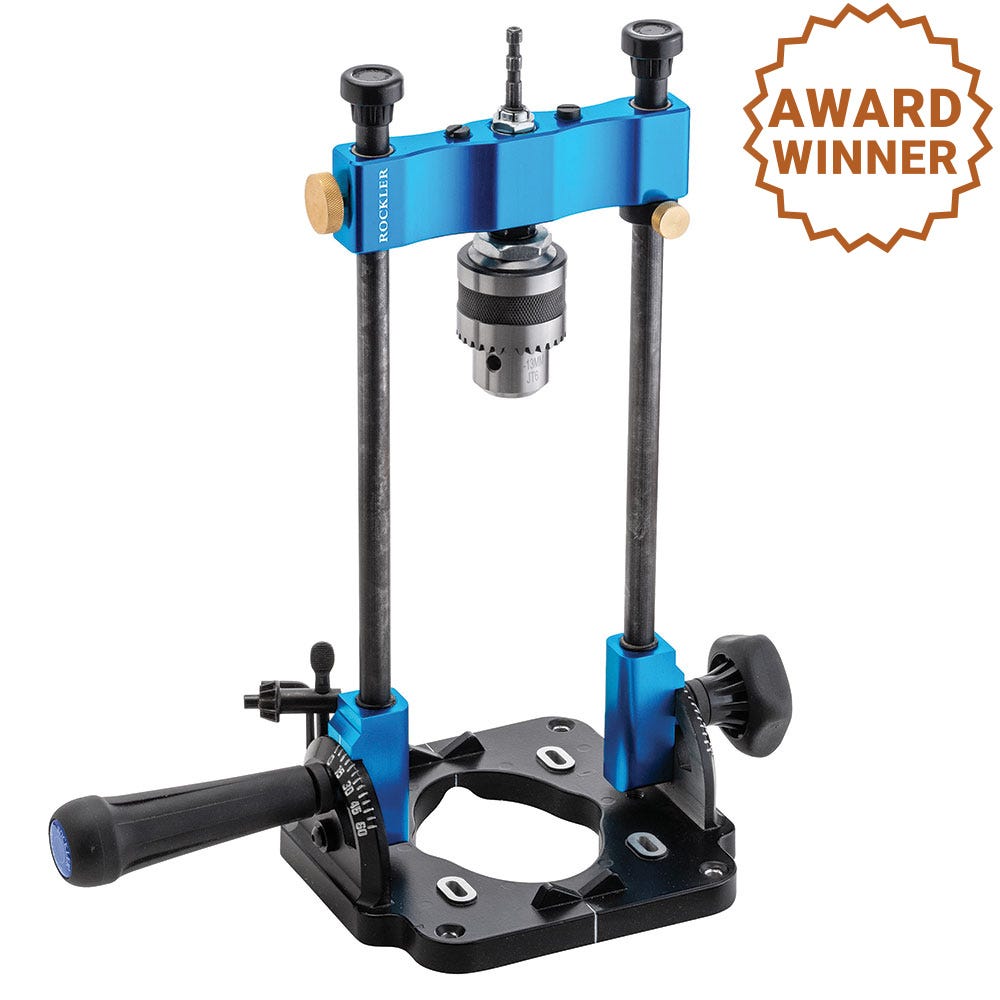
Drill Presses
Drill presses are stationary tools used in shops and serious DIY setups. They give you more control, better depth consistency, and cleaner vertical holes.
If you want repeatable accuracy, especially in wood or metal, a drill press is hard to beat. It is less about portability and more about precision.
How to Choose the Right Drill
Choosing the right drill starts with asking a simple question: what will you use it for most often? The best tool for you depends on material, frequency, size, and how much control you want.
Here are the main things to compare:
• Material type such as wood, drywall, metal, masonry, or plastic
• Battery voltage or corded power
• Chuck size, usually 3/8 inch or 1/2 inch
• Torque settings for control
• Speed settings for better precision
• Weight and grip comfort for long use
For light home jobs, a cordless drill with variable speed is usually enough. For heavier work, especially repeated drilling or tough materials, you may want a more powerful model with better torque.
A mistake I made years ago was buying a drill that looked strong but felt awkward in my hand. It had enough power, but the balance was poor, so longer jobs became tiring fast. That taught me that comfort matters almost as much as performance.
:max_bytes(150000):strip_icc():focal(411x280:413x282)/JS_1864-2008bd548fb548db8f5729d54b71976b.jpg)
Drill Power, Torque, and Speed Explained
These three terms show up everywhere in The Ultimate Drill Guide, and they matter more than many buyers realize. If you understand them, you can shop with more confidence.
Power is the overall output of the drill. For cordless drills, this is often linked to battery voltage, such as 12V, 18V, or 20V max.
Torque is the twisting force. Higher torque helps drive larger screws and work through tougher materials, but too much torque can strip screws or damage softer surfaces.
Speed is how fast the chuck rotates. Lower speeds usually give more control, while higher speeds work better for drilling cleaner holes in some materials.
A balanced drill often gives you:
• Low speed and high torque for driving screws
• High speed and lower torque for drilling holes
• Variable speed for better control
• Adjustable clutch for reducing overdriving
Think of it like biking. Speed helps you move faster, but torque is what helps you climb a hill. You need both, just in different moments.
Drill Bits: The Unsung Hero
The drill matters, but the bit is what actually touches the material. That is why The Ultimate Drill Guide would not be complete without a close look at drill bits.
Common drill bit types include:
• Twist bits for wood, metal, and general use
• Brad point bits for cleaner holes in wood
• Masonry bits for brick, stone, and concrete
• Spade bits for larger holes in wood
• Hole saws for cutting wider openings
• Countersink bits for flush screw heads
Bit material also matters. High speed steel works well for many tasks, while cobalt and carbide options handle harder materials better.
From experience, dull bits cause more heat, more pressure, and more mistakes. If you find yourself pushing hard to drill, the bit may be the problem, not the tool.

Matching the Drill to the Material
The best drilling results come from matching the drill, bit, and technique to the surface. Different materials behave in very different ways, and forcing the same method on all of them usually ends badly.
Wood
Wood is forgiving, but it still needs the right setup. A sharp bit, steady speed, and proper support help prevent splintering.
Use a backing board when possible for cleaner exits. This is especially helpful in plywood or thin boards.
Metal
Metal needs patience, oil in some cases, and the right bit. Too much speed can overheat the bit and dull it fast.
Start with a center punch if precision matters. That small mark helps keep the bit from wandering.
Masonry
Brick and concrete need masonry bits and often a hammer drill. Let the tool do the work instead of forcing it.
Dust can build up quickly, so clear the hole as you go. This improves drilling speed and helps the hole stay accurate.
Drywall and Plastic
These materials are softer, but they can crack or tear if you rush. A lighter touch is usually best.
For drywall anchors, measure carefully and avoid oversized holes. For plastic, use low speed and steady pressure to prevent melting or splitting.
Safety Tips Every Drill User Should Know
Safety is a huge part of The Ultimate Drill Guide because power tools deserve respect. Most drill injuries are preventable with a few simple habits.
Keep these rules in mind:
• Wear eye protection every time
• Secure the workpiece before drilling
• Keep hands clear of the bit
• Remove loose clothing and jewelry
• Match the bit to the material
• Check for wires or pipes before drilling walls
• Let the bit stop fully before setting the drill down
One of the most common mistakes I have seen is people holding small pieces by hand. It may feel faster, but it is one slip away from a bad cut or a ruined part. A clamp takes seconds and saves a lot of trouble.
Also, be mindful of dust. Concrete dust, wood dust, and metal filings all create different risks, so good ventilation and cleanup matter.

How to Use a Drill the Right Way
Using a drill well is mostly about control. Once you build good habits, the tool feels easier and the results look more professional.
A simple process works best:
- Mark your spot clearly
- Choose the right bit
- Secure the material
- Start slow to center the bit
- Increase speed only as needed
- Stop when you reach the right depth
- Clear dust or chips before moving on
If you are drilling straight into a wall, use a depth stop or tape marker on the bit. That small trick keeps you from drilling too far and damaging what is behind the surface.
Another tip I always share: let the bit cut. Do not lean your whole body weight into the tool. Good drilling feels steady, not aggressive.
Maintenance and Care for Longer Drill Life
A well-kept drill lasts longer and works better. The Ultimate Drill Guide would be incomplete without maintenance, because even a great tool wears down if ignored.
Basic care includes:
• Wiping off dust after use
• Checking the chuck for wear
• Charging batteries before long storage
• Storing the tool in a dry place
• Inspecting bits for dull edges or bending
• Tightening loose parts as needed
If your drill starts slipping, smoking, or sounding unusual, stop and inspect it. Small issues often become expensive ones when ignored.
Battery care is especially important for cordless drills. Many modern lithium ion batteries perform best when stored in moderate temperatures and not left fully drained for long periods. That advice aligns with general manufacturer guidance and battery safety best practices.
Common Mistakes to Avoid
The easiest way to improve fast is to avoid the mistakes that waste time and damage materials. I have made several of these myself, and they usually happen when you hurry.
Watch out for these problems:
• Using the wrong bit for the material
• Drilling at full speed from the start
• Forgetting to clamp the workpiece
• Applying too much pressure
• Not checking wall hazards before drilling
• Using a dull bit too long
• Choosing a drill that is too heavy for frequent use
If you are new, slow down and focus on control first. Speed comes later. Clean holes and safe habits are worth more than rushing through the task.
Who Needs The Ultimate Drill Guide Most
The Ultimate Drill Guide is useful for many kinds of users, not just professionals. It is especially helpful if you are trying to make smarter buying choices or improve your DIY skills.
It is a great fit for:
• Homeowners doing repairs and installations
• Renters handling simple mounting tasks
• DIY beginners learning tool basics
• Woodworkers and hobby builders
• Handymen who want a quick reference
• Anyone comparing cordless, corded, or specialty drills
If you only drill once in a while, this guide helps you avoid overbuying. If you use tools often, it helps you work more efficiently and with better results.
Benefits and Limitations of Drills
Every tool has strengths and limits, and drills are no different. Understanding both helps set realistic expectations.
Benefits include:
• Fast hole making
• Easy screw driving with the right bit
• Wide tool and bit availability
• Options for light and heavy jobs
• Portable cordless models for convenience
Limitations include:
• Not all drills work well on all materials
• Cheap bits can ruin good results
• Battery tools need charging
• Some jobs need specialized tools instead
• Poor technique can damage surfaces quickly
A drill is a bit like a kitchen knife. In skilled hands, it is versatile and precise. In the wrong setup, it can make a small job messy very quickly.
Frequently Asked Questions of The Ultimate Drill Guide
What is The Ultimate Drill Guide?
The Ultimate Drill Guide is a complete overview of how to choose, use, and care for drills. It covers drill types, drill bits, power, safety, and best practices in one place.
What drill is best for home use?
For most home use, a cordless drill with variable speed is the easiest and most flexible choice. It handles basic drilling and light screw driving without needing a wall outlet.
What is the difference between a drill and an impact driver?
A drill is better for general holes and lighter fastening, while an impact driver is better for driving long screws and tough fasteners. They work differently, so one does not fully replace the other.
Do I need a hammer drill for concrete?
If you only drill into concrete once in a while, a hammer drill may be enough for lighter work. For frequent or heavy concrete drilling, a rotary hammer is usually the better tool.
How do I know which drill bit to use?
Match the bit to the material. Use twist bits for general work, masonry bits for brick or concrete, and wood bits like brad point or spade bits for cleaner cuts in wood.
Conclusion
The Ultimate Drill Guide gives you a clear path through the noise, so you can choose the right tool, drill with more confidence, and avoid the mistakes that slow projects down. When you understand drill types, bit selection, speed, torque, and safety, even a simple job feels more controlled and less stressful.
The biggest takeaway is simple: the best drilling results come from the right match between tool, bit, and material. Start with that mindset, and you will save time, reduce waste, and get cleaner work every time.
If this guide helped you, take the next step by checking your current tools, upgrading where needed, and practicing the basics on scrap material before your next project.