
A wood chisel helps you cut, shape, and fine-tune wood with control and clean results.
The Ultimate Wood Chisel Guide is all about choosing the right chisel, using it the right way, and keeping it sharp enough to do clean work. I have found that most woodworkers struggle not because chisels are hard to use, but because they start with the wrong size, a dull edge, or poor technique. If you want smoother joints, cleaner cuts, and fewer frustrating mistakes, this guide will walk you through the tools, methods, and habits that make a real difference.
What a Wood Chisel Is and Why It Matters
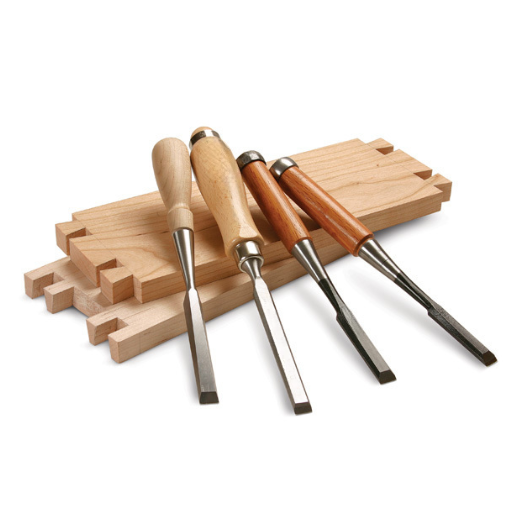
A wood chisel is a hand tool with a sharp metal blade and a handle, made for cutting, carving, and cleaning wood. In simple terms, it is one of those tools that looks basic but can do a lot of delicate work when used well. The Ultimate Wood Chisel Guide starts here because understanding the tool itself helps you avoid wasting time and damaging your project.
Wood chisels are used in many jobs, including:
• Cutting mortises for joinery
• Trimming wood joints for a tight fit
• Cleaning corners and edges
• Carving details in furniture and crafts
• Removing small amounts of material with control
I still remember the first time I tried to “force” a chisel through hardwood. It did not end well. The edge crushed, the cut wandered, and I learned fast that a chisel rewards patience, not pressure. That lesson comes up again and again in The Ultimate Wood Chisel Guide: let the blade do the work.

Types of Wood Chisels
Not every chisel is built for the same job. Some are made for heavy work, while others are designed for fine details. Picking the right type is a big part of The Ultimate Wood Chisel Guide because the tool should match the task.
Bench Chisels
Bench chisels are the most common type. They are versatile and good for general woodworking tasks. Most beginners start here because they work for trimming, paring, and light chopping.
Mortise Chisels
Mortise chisels are thicker and stronger. They are made to cut square holes, called mortises, in tough wood. Their stout build helps them survive heavy striking with a mallet.
Bevel Edge Chisels
These have sloped sides, which makes them easier to use in corners and tight spaces. They are a favorite for joinery because the shape gives you more room to work.
Paring Chisels
Paring chisels are long and thin. They are made for fine hand pressure, not mallet blows. If you need to shave off tiny bits for a perfect fit, this is the style to look at.
Firmer Chisels
Firmer chisels have straight sides and a strong blade. They are less common in some modern sets, but they remain useful for tougher jobs.
When I first built small cabinets, I used one cheap all-purpose chisel for everything. It worked poorly for almost every task. Once I switched to a bevel-edge bench chisel and a mortise chisel, my cuts got cleaner right away. That is one of the biggest truths in The Ultimate Wood Chisel Guide: the right shape matters more than people think.

How to Choose the Right Wood Chisel
Choosing a wood chisel is not just about price. It is about steel quality, handle comfort, blade shape, and how you plan to use it. The Ultimate Wood Chisel Guide works best when you think of chisels as part of a system, not just separate tools.
Blade Material
Look for blades made from quality high-carbon steel or chrome-vanadium steel. These materials can hold an edge well and handle repeated sharpening. Good steel saves time because you spend less effort bringing the edge back.
Handle Type
Handles come in wood, plastic, and composite materials. Wooden handles often feel warmer and more traditional, while plastic and composite handles can be more durable under mallet strikes. The best choice is the one that feels secure in your hand.
Blade Width
Common widths include 1/4 inch, 1/2 inch, 3/4 inch, and 1 inch. Smaller chisels are great for detail work, while wider chisels move material faster. A small starter set often includes a mix of sizes so you can handle more jobs.
Bevel Angle
Most woodworking chisels have a bevel angle that helps with cutting performance. A lower angle can cut easier but may be more delicate, while a steeper angle can last longer on harder wood. This balance matters a lot in real use.
Comfort and Balance
A chisel should feel stable in your hand. If the handle feels too heavy, too small, or slippery, it becomes harder to control. Comfort may sound simple, but it directly affects safety and accuracy.
Here is a practical way to choose:
• For beginners, start with a small set of bevel-edge bench chisels
• For joinery, add a mortise chisel
• For fine fitting, include one paring chisel
• For heavy work, make sure the handle can handle mallet use

How to Use a Wood Chisel the Right Way
Using a wood chisel well is about control, not force. The blade should move with the grain when possible, and your hands should guide the cut instead of fighting it. The Ultimate Wood Chisel Guide would not be complete without practical technique.
Basic Hand Position
Hold the handle firmly with your dominant hand. Use the other hand to guide the blade when making careful paring cuts. Keep your fingers away from the edge path at all times.
Cutting With the Grain
Wood has a natural grain direction. Cutting with the grain usually gives cleaner results and lowers the chance of tear-out. If the wood starts to split or lift, change your direction or take smaller cuts.
Using a Mallet
For chopping cuts, strike the chisel with a wooden or rubber mallet. Avoid using a steel hammer unless the chisel is built for it. Short, controlled taps are better than hard blows.
Paring Technique
For fine fitting, push the chisel by hand. Take shallow slices and check your progress often. This is the woodworking version of shaving little by little until the fit is just right.
Safe Body Position
Stand so your body is balanced and the chisel path is clear. Never place your hand behind the blade. I have seen too many beginners focus on the cut and forget where their other hand is; that is how avoidable accidents happen.
A few simple habits help a lot:
• Keep the edge sharp
• Take thin cuts
• Work slowly near final dimensions
• Check the grain direction before every cut
• Use clamps to hold the workpiece steady
Sharpening a Wood Chisel
A dull chisel is not just frustrating. It is also less safe because you push harder and lose control. Sharpening is one of the most important parts of The Ultimate Wood Chisel Guide, and it is the skill that separates clean work from messy work.
Why Sharpness Matters
A sharp chisel slices fibers instead of crushing them. This gives you cleaner surfaces and more accurate cuts. It also reduces hand strain, which matters more than people expect during long projects.
Basic Sharpening Steps
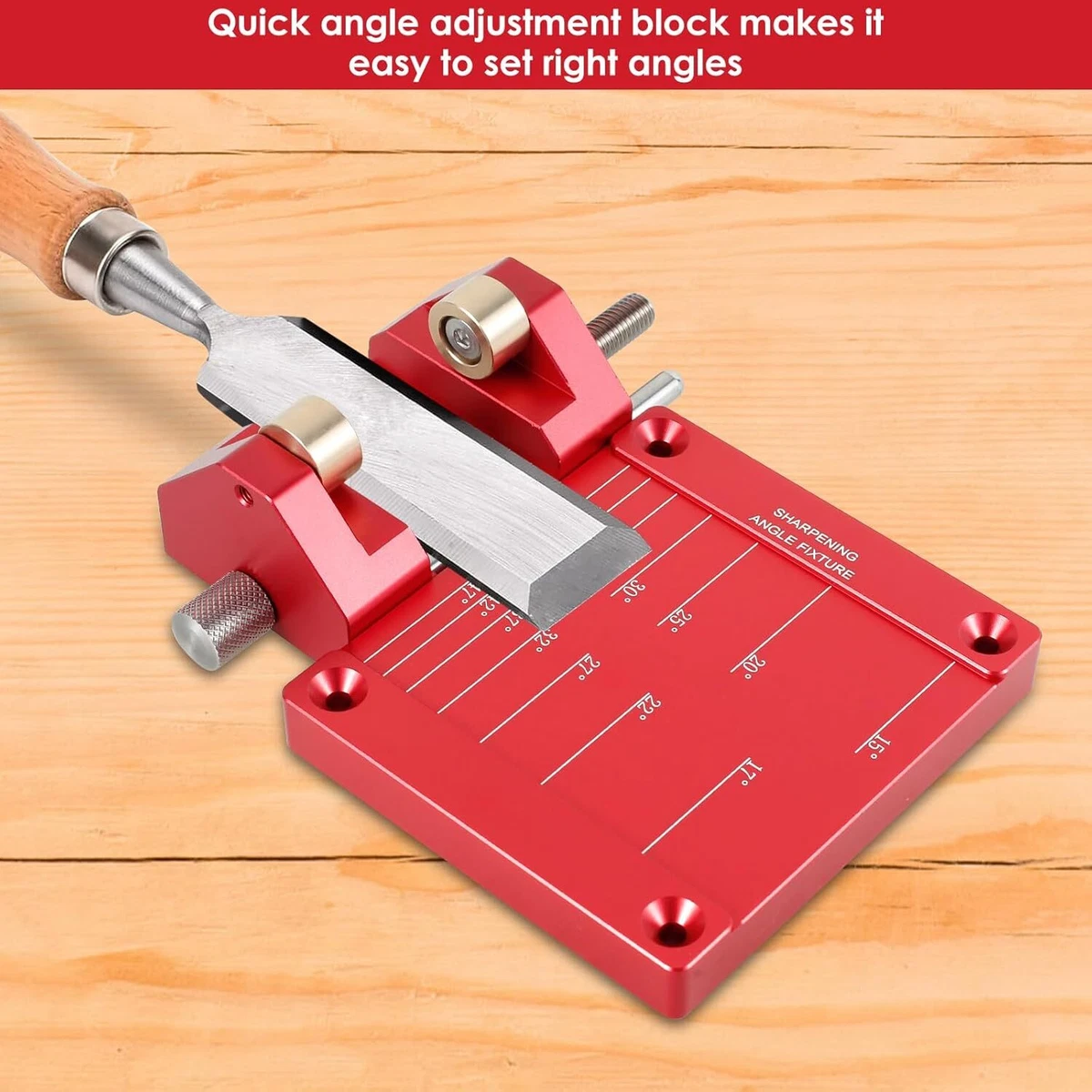
• Flatten the back of the blade near the edge
• Hone the bevel at the correct angle
• Remove burrs with a fine stone or strop
• Test the edge on scrap wood or thin paper
• Repeat often before the edge gets too dull
Sharpening Tools
Common sharpening tools include:
• Water stones
• Oil stones
• Diamond plates
• Honing guides
• Leather strops
Each one has its place. Diamond plates cut fast, water stones can produce a refined edge, and honing guides help beginners hold a steady angle. There is no single perfect method, which is a useful reminder in The Ultimate Wood Chisel Guide: consistency matters more than brand loyalty.
How Often to Sharpen
If you use chisels often, touch up the edge regularly rather than waiting for major dulling. Small, frequent maintenance is easier than trying to rescue a badly worn blade. That has saved me hours on more than one project.
Chisel Maintenance and Care
Good care helps your chisel last longer and work better. Rust, nicks, and loose handles can turn a good tool into a headache. The Ultimate Wood Chisel Guide should always include maintenance because a well-kept chisel performs like a different tool.
Cleaning the Blade
Wipe the blade after each use to remove dust, sap, and moisture. If resin builds up, use a mild cleaner and dry the blade fully. A quick cleanup prevents long-term corrosion.
Preventing Rust
Store chisels in a dry place. A light coat of tool oil or rust inhibitor can help protect the steel. Even small amounts of humidity can slowly damage an edge, especially if the tool sits unused for long periods.
Checking the Handle
Look for cracks, looseness, or worn grips. If a handle is damaged, fix it before the next project. A loose handle can make the tool unsafe and harder to control.
Storage Tips
• Use a chisel roll or rack
• Keep blade guards on when possible
• Separate chisels from other metal tools
• Store them where they will not bang into each other
I learned early that tossing chisels into a toolbox is a bad habit. The edges nick each other, and the next project starts with repair work instead of woodworking. Small storage habits make a big difference over time.
Wood Chisel Safety Tips
Safety should always come first. A chisel may look harmless, but its edge is razor sharp, and the blade can slip fast if the wood moves. The Ultimate Wood Chisel Guide is not complete without safe practice.
Key Safety Rules
• Always cut away from your body when possible
• Keep both hands behind the blade path
• Clamp the workpiece firmly
• Wear eye protection during mallet work
• Use a mallet, not your palm, for chopping cuts
Common Mistakes to Avoid
• Using a dull edge and forcing the cut
• Chiseling with the grain in the wrong direction
• Holding the wood in your hand instead of clamping it
• Striking too hard with a mallet
• Using the wrong chisel type for the task
A sharp chisel with good technique is safer than a dull one used in frustration. That sounds simple, but it is one of the most important ideas in woodworking.

Best Uses for Wood Chisels in Real Projects
Chisels are everywhere once you start paying attention to real woodworking jobs. They are not just for experts or fancy furniture makers. The Ultimate Wood Chisel Guide should show where the tool actually earns its keep.
Furniture Making
Chisels help clean joints, fit drawer parts, and refine corners. They are often the final touch that makes a piece look professional.
Cabinet Work
Cabinet makers use chisels to fine-tune hinge recesses, shelf supports, and tight joints. A small trim can be the difference between a sloppy fit and a perfect one.
Carpentry
On-site carpentry often calls for quick trimming and adjustments. A chisel can fix small problems that power tools would overdo.
Wood Carving and Detail Work
Smaller chisels help shape patterns, curves, and decorative lines. They are useful for hobbyists who want more control than a knife can give.
Restoration Work
When restoring old furniture, chisels help remove damaged material and clean old joints carefully. This is one area where patience matters even more than speed.
If you have ever tried to fit an old door hinge by eye, you know how handy a chisel can be. It feels a little like having a precision pen for wood. That is one reason The Ultimate Wood Chisel Guide stays relevant in both shops and homes.
How to Build a Starter Wood Chisel Set
You do not need a huge set right away. A small, thoughtful kit often works better than a drawer full of cheap tools. The Ultimate Wood Chisel Guide recommends starting simple and expanding as your projects grow.
A Practical Starter Set
• 1/4 inch chisel for detail work
• 1/2 inch chisel for general use
• 3/4 inch chisel for wider cuts
• 1 inch chisel for larger trimming jobs
• One mortise chisel if you plan to do joinery
What to Prioritize First
• Sharpness out of the box
• Comfortable handles
• Strong steel
• Reliable edge retention
• A shape that matches your main projects
A well-chosen four-piece set can do more than a large, poor-quality kit. That is one of those truths that comes from real use, not marketing.
Frequently Asked Questions of The Ultimate Wood Chisel Guide
What is the main purpose of a wood chisel?
A wood chisel is used to cut, shape, and trim wood with precision. It is especially useful for joinery, cleanup work, and fine adjustments that power tools may not handle well.
What size wood chisels should a beginner buy?
A beginner can start with 1/4 inch, 1/2 inch, 3/4 inch, and 1 inch bench chisels. This set covers most basic woodworking jobs without overwhelming you.
How do I know when a chisel is sharp enough?
A sharp chisel should slice wood cleanly with little pressure and leave a smooth edge. It should also be able to shave thin curls or cut paper easily during a test.
Can I use a wood chisel without a mallet?
Yes, many light trimming and paring cuts are done by hand. A mallet is only needed for heavier chopping work or when extra force is required.
How do I keep wood chisels from rusting?
Keep them dry, clean them after use, and store them with a light protective coat of oil. Good storage matters just as much as sharpening when it comes to long tool life.
Conclusion
A good wood chisel is one of the most useful tools in any workshop, but it only shines when you choose the right type, keep it sharp, and use it with care. The Ultimate Wood Chisel Guide comes down to a simple idea: small, steady habits create better cuts, better joints, and better results.
If you are just starting out, begin with a few quality chisels and practice on scrap wood before moving to real projects. Learn the grain, respect the edge, and keep your tools in good shape. If this guide helped you, explore more woodworking tips, save it for later, or leave a comment with your own chisel lessons.