
Wood species differ in strength, grain, color, durability, and best use.
The Ultimate Wood Species Guide is the kind of resource I wish I had early on, when I was comparing lumber for furniture, flooring, and trim and realizing that “wood” is never just wood. Some species are tough and stable, some are beautiful but picky, and some look great until moisture, dents, or sunlight start telling the truth. This guide breaks down the most useful wood species in plain English so you can choose with confidence, avoid costly mistakes, and match the right wood to the right project.
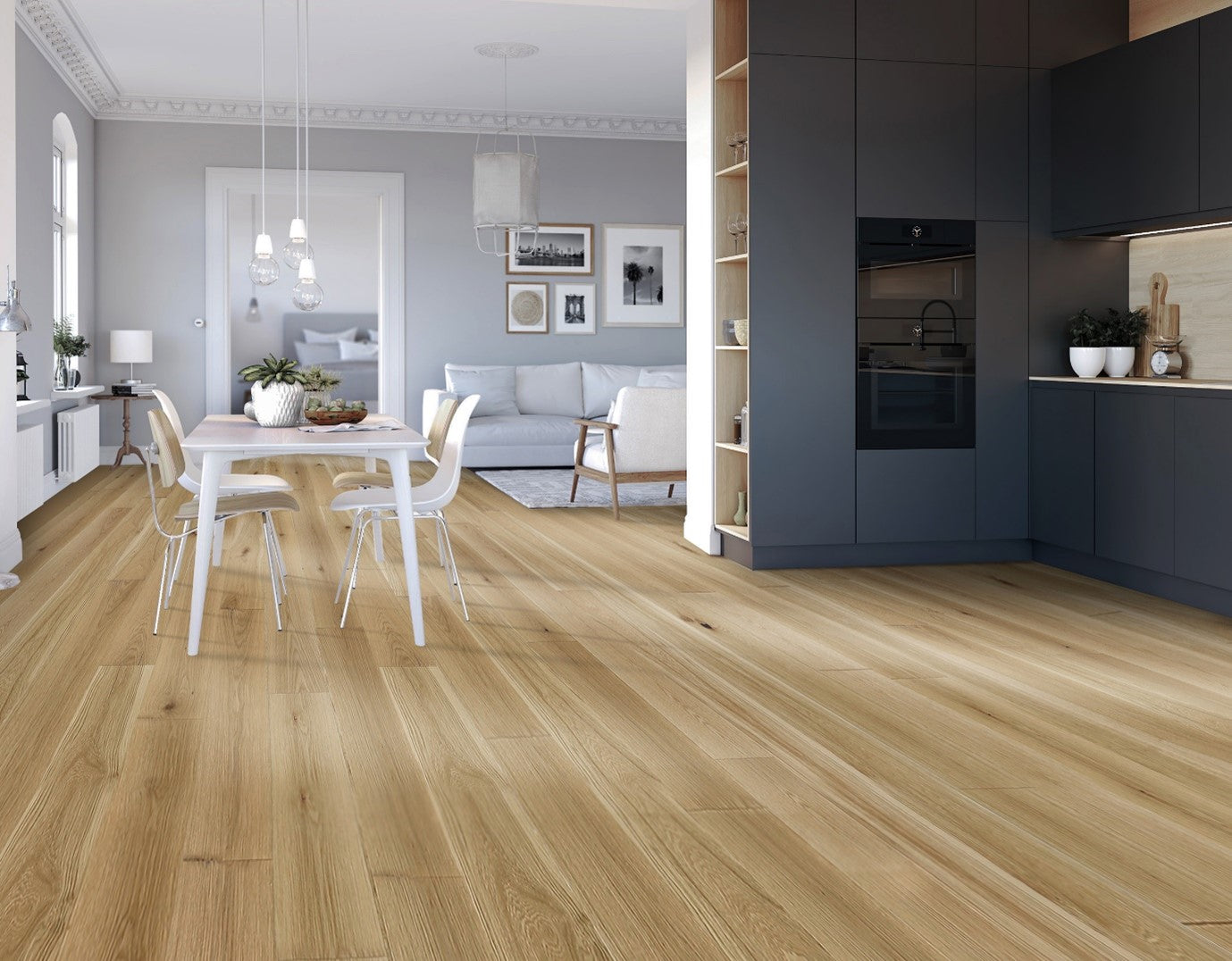
What makes one wood species better than another
Every wood species has its own mix of density, grain pattern, color, hardness, and movement. That mix decides how it cuts, sands, stains, glues, and holds up over time. In practical terms, the best wood for a dining table is not always the best wood for outdoor decking or a painted cabinet.
When I first worked on a custom shelving job, I learned this the hard way. I chose a beautiful softwood for a high-traffic area, and the shelves picked up dents faster than I expected. The lesson was simple: the right species saves time, money, and frustration.
Key traits to compare include:
- Hardness, which affects dent resistance and wear
- Stability, which affects warping and seasonal movement
- Grain, which affects appearance and finish
- Workability, which affects cutting and shaping
- Natural durability, which affects resistance to decay and insects
- Cost and availability, which affect project planning
If you understand these traits, The Ultimate Wood Species Guide becomes much easier to use in real life.

How to choose the right wood species
Choosing wood is a lot like choosing shoes. You would not wear dress shoes to hike a trail, and you would not use a very soft wood where daily wear is constant. Start with the job, then match the species.
Use this simple process:
-
Decide where the wood will be used
Think indoor, outdoor, dry area, wet area, or structural use. -
Set the finish goal
Ask whether you want a natural look, a stained finish, or paint coverage. -
Check wear needs
Floors, tabletops, and stairs need harder woods than wall paneling. -
Consider movement
Woods expand and shrink with humidity. Stable species are easier for large panels. -
Balance budget and look
A premium species may be worth it for a focal piece, but not for hidden parts.
This is where The Ultimate Wood Species Guide can save you from buying the prettiest board instead of the smartest one.

Hardwoods vs softwoods
People often think hardwoods are always hard and softwoods are always soft, but that is not really true. The terms mostly refer to how the tree grows, not just how hard the wood feels. Still, the categories are useful.
Hardwoods usually come from deciduous trees like oak, maple, walnut, and cherry. They are often chosen for furniture, flooring, cabinets, and fine woodworking. Many are dense and durable, though not all are equally hard.
Softwoods usually come from conifer trees like pine, fir, spruce, and cedar. They are often lighter, easier to work, and more affordable. They are common in framing, paneling, rustic furniture, and outdoor uses when naturally resistant species are chosen.
A quick comparison:
- Hardwoods often offer richer grain and better wear resistance
- Softwoods often cost less and are easier to cut
- Some softwoods, like Douglas fir, can be surprisingly strong
- Some hardwoods, like basswood, are very soft and easy to dent
Understanding this distinction is one of the biggest wins in The Ultimate Wood Species Guide.

Most popular wood species and what they are best for
Oak
Oak is one of the most trusted species in woodworking. Red oak has a warm tone and open grain, while white oak is a little more water resistant and often better for furniture, flooring, and cabinets. Both are strong, classic, and easy to source.
Best for:
- Flooring
- Dining tables
- Cabinetry
- Built-ins
Things to know:
- It stains well
- It has visible grain
- It can feel heavy to work with
Maple
Maple is known for its smooth grain and clean look. Hard maple is especially popular for butcher blocks, tabletops, and flooring because it resists wear well. It can be tricky to stain evenly, so test finishes first.
Best for:
- Cutting boards
- Cabinets
- Tables
- Flooring
Things to know:
- Very durable
- Light color with a modern feel
- Can blotch when stained
Walnut
Walnut is a favorite for premium furniture because of its rich brown color and elegant grain. It machines well and finishes beautifully, which is why many woodworkers love it. It is not the hardest wood, but it is still strong enough for many indoor projects.
Best for:
- High-end furniture
- Decorative pieces
- Cabinets
- Instrument parts
Things to know:
- Expensive compared with many species
- Beautiful natural color
- Great for projects where appearance matters most
Cherry
Cherry has a warm reddish tone that deepens over time. It is smooth, stable, and easy to shape, which makes it ideal for furniture and interior trim. I have always liked cherry for pieces that should age gracefully, like a good leather jacket for the room.
Best for:
- Fine furniture
- Cabinets
- Trim
- Decorative casework
Things to know:
- Darkens with exposure to light
- Softer than oak or maple
- Finishes very well
Pine
Pine is one of the most common and budget-friendly woods. It is easy to cut, glue, and paint, which makes it a go-to for beginners and many home projects. The tradeoff is that it dents more easily than hardwoods.
Best for:
- Painted furniture
- Shelving
- Interior trim
- Rustic projects
Things to know:
- Affordable and widely available
- Soft and prone to dents
- Great for painted finishes
Cedar
Cedar is valued for its natural resistance to decay and insects. It also has a pleasant scent, which is why it is often used for closets, outdoor projects, and storage. It is lighter than many woods and easy to work with.
Best for:
- Outdoor furniture
- Closets
- Siding
- Storage chests
Things to know:
- Naturally resistant to moisture and insects
- Not ideal for heavy wear surfaces
- Can be soft and scratch easily
Mahogany
Mahogany has long been associated with classic, elegant furniture and boat building. It is stable, workable, and attractive, with a fine grain that finishes smoothly. True mahogany can be costly, but many related species offer a similar look.
Best for:
- Furniture
- Boat trim
- Millwork
- Decorative panels
Things to know:
- Excellent stability
- Smooth finish quality
- Often more expensive
Teak
Teak is famous for outdoor durability. Its natural oils help it resist moisture, insects, and rot, which is why it is prized for marine use and outdoor furniture. It is one of the strongest choices when weather exposure is part of the job.
Best for:
- Outdoor furniture
- Boat decks
- Patio pieces
- High-moisture settings
Things to know:
- Very durable
- Expensive
- Can be oily, so finishing requires care
Birch
Birch is a practical, versatile wood with a clean appearance. It is commonly used in plywood, cabinets, and painted furniture. It is not as decorative as walnut or cherry, but it is dependable and cost-effective.
Best for:
- Cabinets
- Plywood
- Painted furniture
- Utility projects
Things to know:
- Good value
- Smooth surface
- Can have variable color
Ash
Ash is strong, elastic, and easy to work with. It has become especially popular for tool handles, chairs, and furniture parts that need strength with a bit of flexibility. Its grain is often bold and attractive.
Best for:
- Chair parts
- Tool handles
- Furniture frames
- Sports equipment
Things to know:
- Strong and springy
- Good grain character
- Availability can vary in some regions
Poplar
Poplar is often used as a utility hardwood. It is soft for a hardwood, easy to machine, and affordable, which makes it excellent for painted projects and interior parts. It is not usually chosen for visible luxury furniture, but it earns its keep on the workbench.
Best for:
- Painted trim
- Interior parts
- Shop projects
- Cabinet frames
Things to know:
- Economical
- Easy to work
- Not ideal for clear finishes if you want a rich look

Best wood species by project type
Different projects call for different strengths. The Ultimate Wood Species Guide works best when you match the wood to the task instead of chasing a one-size-fits-all answer.
Furniture
For furniture, look for a balance of appearance, stability, and strength.
Good choices include:
- Walnut for premium pieces
- Cherry for classic indoor furniture
- Oak for durable everyday use
- Maple for clean, modern designs
Flooring
Flooring needs hardness and wear resistance.
Good choices include:
- Hard maple
- Oak
- Ash
- Hickory, if you want very high hardness
Outdoor projects
Outdoor wood must handle moisture, sun, and insects.
Good choices include:
- Teak
- Cedar
- White oak
- Redwood, where available
Cabinets and built-ins
Cabinets should be stable and easy to finish.
Good choices include:
- Maple
- Birch
- Oak
- Poplar for painted work
Beginner projects
If you are just starting out, workability matters a lot.
Good choices include:
- Pine
- Poplar
- Cedar
- Birch plywood

Grain, color, and finish: what to expect
Wood species do more than affect strength. They also shape the entire look of a project. Grain is the pattern you see in the wood, and it can be straight, wavy, open, tight, or highly figured. Color can range from pale cream to deep chocolate brown, and it often changes with age and light.
A few finish tips I have learned the practical way:
- Test stain on a scrap piece first
- Use wood conditioner on blotch-prone species like pine and maple
- Expect cherry and walnut to deepen over time
- Remember that clear finish often looks best on naturally attractive species
- Choose paint-grade woods when the final color matters more than grain
If a project needs a strong visual statement, wood choice matters as much as the design itself. That is one reason The Ultimate Wood Species Guide focuses so much on appearance as well as performance.

Durability, moisture, and outdoor performance
Durability is not just about hardness. A wood can be hard but still fail outdoors if it absorbs too much moisture or is vulnerable to decay. For outdoor use, natural resistance matters a lot.
What helps wood last longer:
- Natural oils, as in teak
- Tight grain and good stability, as in white oak
- Proper sealing and maintenance
- Good drainage and airflow
- Choosing the right finish for the environment
What shortens wood life:
- Standing water
- Direct ground contact without protection
- Poor sealing
- UV exposure without maintenance
- Using an indoor species outdoors
In my experience, many outdoor failures come from bad matching, not bad craftsmanship. The joinery may be fine, but the species was wrong for the climate.
Sustainability and responsible sourcing
Today, more buyers care about where wood comes from, and that is a good thing. Responsible sourcing helps protect forests and supports better long-term supply. When possible, look for certified lumber, reclaimed wood, or locally sourced species.
Good things to ask before buying:
- Is the wood certified or reclaimed?
- Was it harvested responsibly?
- Is a local species available for the same job?
- Can a lower-impact wood do the same work?
Some exotic woods have environmental concerns or supply issues, so it is worth checking before you commit. A beautiful board is nice, but a responsible one is better. The Ultimate Wood Species Guide should help you choose wisely, not just stylishly.

Common mistakes to avoid
I have seen a lot of wood projects go sideways for simple reasons. Most of the time, the mistake was avoidable.
Watch out for these:
- Choosing wood by appearance alone
- Using softwood in high-wear spots
- Ignoring humidity and movement
- Staining species that blotch easily without testing first
- Forgetting that outdoor wood needs maintenance
- Buying expensive wood for hidden parts where it adds little value
One of the best habits is to buy a little extra and keep scraps for finish testing. That small step has saved me from more than one bad stain day.
Frequently Asked Questions of The Ultimate Wood Species Guide
What is the best wood species for furniture?
The best choice depends on the look and use, but walnut, cherry, oak, and maple are all excellent. Walnut and cherry are prized for beauty, while oak and maple are known for durability.
Which wood species is best for outdoor use?
Teak, cedar, and white oak are among the best options for outdoor use. They handle moisture and weather better than many other species, especially when properly finished and maintained.
Is hardwood always better than softwood?
No, not always. Hardwood is often better for wear and strength, but some softwoods are ideal for framing, paneling, and outdoor use because they are lighter or naturally resistant.
Why does some wood stain unevenly?
Some species absorb stain unevenly because of grain structure and density differences. Pine and maple are common examples, so testing a conditioner or pre-stain sealer can help.
What wood species is best for beginners?
Pine and poplar are great for beginners because they are affordable and easy to cut, sand, and glue. They are forgiving enough to help you learn without making the process too frustrating.
How do I know if a wood species is sustainably sourced?
Look for certification, reclaimed stock, or clear information from the supplier about origin and harvesting. If that information is missing, it is worth asking before you buy.
Conclusion
Choosing the right wood species is really about matching the material to the job, the look, and the environment. Once you understand hardness, stability, grain, durability, and cost, The Ultimate Wood Species Guide becomes a practical tool instead of a confusing list of names. That is the difference between a project that looks good for a season and one that holds up for years.
If you are planning a build, start with the use case first, then narrow your species choices from there. Compare a few options, test your finish on scrap, and pick the wood that fits both your goals and your budget. If this guide helped, save it for your next project, explore more woodworking resources, or leave a comment with the species you are deciding between.