
A Domino Joinery Guide helps woodworkers understand one of the most useful modern joinery methods. This system uses small wooden tenons that fit into matching slots cut into two pieces of wood. The result is a clean, strong, and accurate connection without the long setup time of traditional methods.
In my woodworking experience, precision often matters more than speed. A well-made Domino joint can improve furniture strength while keeping the project simple. Many professional cabinet makers and hobby woodworkers in the United States use this method for tables, cabinets, chairs, and custom furniture because it offers reliable results.
What Is Domino Joinery?
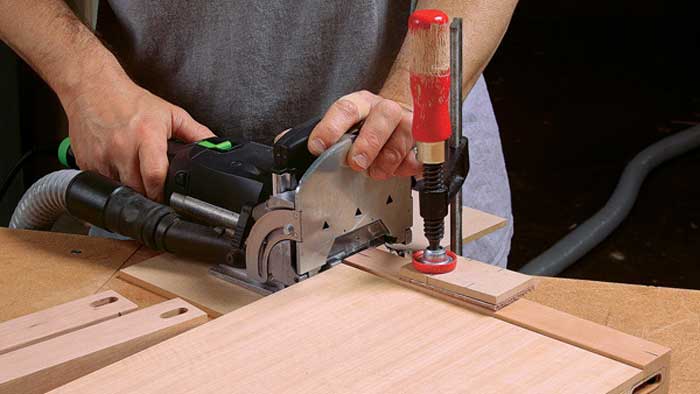
Domino joinery is a woodworking technique that uses a loose tenon system. Instead of cutting a fixed tenon on one board, the woodworker creates matching slots in both pieces and inserts a separate wooden piece called a Domino.
This method combines the strength of traditional mortise and tenon joints with the speed of modern tools. It works well for both small DIY projects and professional furniture production.
- ✦ Floating Tenon Design
A Domino joint uses a separate hardwood piece that sits inside two matching slots.
- ✦ High Accuracy
The tool creates consistent cuts that help parts line up correctly.
- ✦ Strong Connections
The large glue surface creates durable joints for long-lasting furniture.
How Domino Joinery Differs From Traditional Joinery
Traditional mortise and tenon joints require careful cutting of both parts of the joint. Domino joinery removes much of that complexity by using pre-made tenons and a specialized cutter.
This makes it easier for beginners to achieve professional results while still giving experienced woodworkers a fast production method.
How the Domino Joinery System Works
The Domino system works by cutting an oval-shaped slot into wood. A matching Domino tenon is then placed inside the slot with glue. When the two pieces join together, the tenon locks them into position.
The process starts with marking the joint location. The tool is then adjusted for the correct depth, width, and angle before cutting the slots.

- ✦ Mark the Joint Location
Accurate markings help both pieces align during assembly.
- ✦ Adjust Tool Settings
Choose the correct Domino size and cutting depth for the project.
- ✦ Insert and Glue
Apply glue, place the Domino tenon, and clamp the parts together.
Common Domino Sizes
Domino tenons come in different sizes to match project needs. Smaller sizes work well for frames and lighter furniture, while larger sizes provide extra strength for heavy pieces.
Choosing the right size depends on wood thickness, joint stress, and the final use of the project.
- ✦ Small Domino Sizes
Useful for picture frames, small cabinets, and lightweight projects.
- ✦ Large Domino Sizes
Better for tables, benches, and structural furniture.
Benefits of Using Domino Joinery
One major advantage of Domino joinery is speed. A joint that may take hours with traditional hand tools can often be completed in minutes with the right setup.
The system also improves accuracy. Woodworkers can create repeatable joints that help furniture parts fit together cleanly.

- ✦ Faster Project Completion
Domino joints reduce preparation time and simplify assembly.
- ✦ Better Alignment
The loose tenon helps prevent boards from shifting during glue-up.
- ✦ Professional Results
The method helps create clean furniture with strong connections.
Why Professionals Use Domino Joinery
Professional furniture makers value repeatability. When building several pieces, consistent joints save time and reduce mistakes.
For custom woodworking businesses in the US, this efficiency can improve workflow and allow more projects to be completed.
Best Uses for Domino Joinery
Domino joinery works across many woodworking projects. It is especially useful when strength, clean appearance, and easy assembly are important.
From dining tables to cabinets, this method provides a hidden connection that keeps the outside surface smooth.

- ✦ Tables
Domino joints help connect legs, aprons, and panels securely.
- ✦ Cabinet Projects
They improve alignment for face frames, shelves, and boxes.
- ✦ Doors and Panels
They provide strong connections while keeping surfaces clean.
DIY Projects Using Domino Joinery
Home woodworkers can use Domino joinery for simple upgrades such as shelves, coffee tables, and storage furniture.
The system is helpful for people who want strong joints without spending years mastering complex hand-cut joinery.
Common Domino Joinery Mistakes and How to Avoid Them
Even with a precise tool, mistakes can happen. Most problems come from poor measurement, wrong settings, or rushing the setup process.
Taking extra time before cutting prevents wasted material and improves the final result.

- ✦ Wrong Alignment
Always mark reference faces to keep parts positioned correctly.
- ✦ Incorrect Depth
Match the cutting depth with the thickness of your material.
- ✦ Too Much Glue
Use enough glue for strength but avoid excess that creates cleanup problems.
Tips for Better Domino Results
Test your settings on scrap wood before working on expensive material. This simple step helps confirm fit and alignment.
Keep the tool base flat against the wood surface during cutting. Stable control creates cleaner joints.
Domino Joinery vs Traditional Mortise and Tenon
Both methods create strong woodworking joints, but they serve different needs. Traditional mortise and tenon joinery offers a classic approach, while Domino joinery focuses on speed and repeatability.
For many modern workshops, the Domino system provides a practical balance between craftsmanship and efficiency.
- ✦ Traditional Mortise and Tenon
Offers classic craftsmanship but often requires more time and skill.
- ✦ Domino Joinery
Provides faster setup and consistent results with modern tools.