
Absolutely — here’s a more SEO-friendly rewrite of your blog post that improves readability, keyword usage, structure, and topical depth while keeping the original intent. I’ve also made the tone more polished and search-friendly, and expanded a few sections where it helps rankings.
A circular saw is one of the most versatile power tools for making fast, straight, and accurate cuts.
Whether you’re framing a house, cutting plywood, building shelves, or tackling weekend DIY projects, learning how to use a circular saw correctly can save time and improve your results. In this ultimate circular saw guide, you’ll learn how circular saws work, the different types available, how to choose the right blade, and the safest way to make clean cuts every time.
If you want better control, smoother cuts, and more professional results, this guide will walk you through everything you need to know about using a circular saw like a pro.
What Is a Circular Saw?
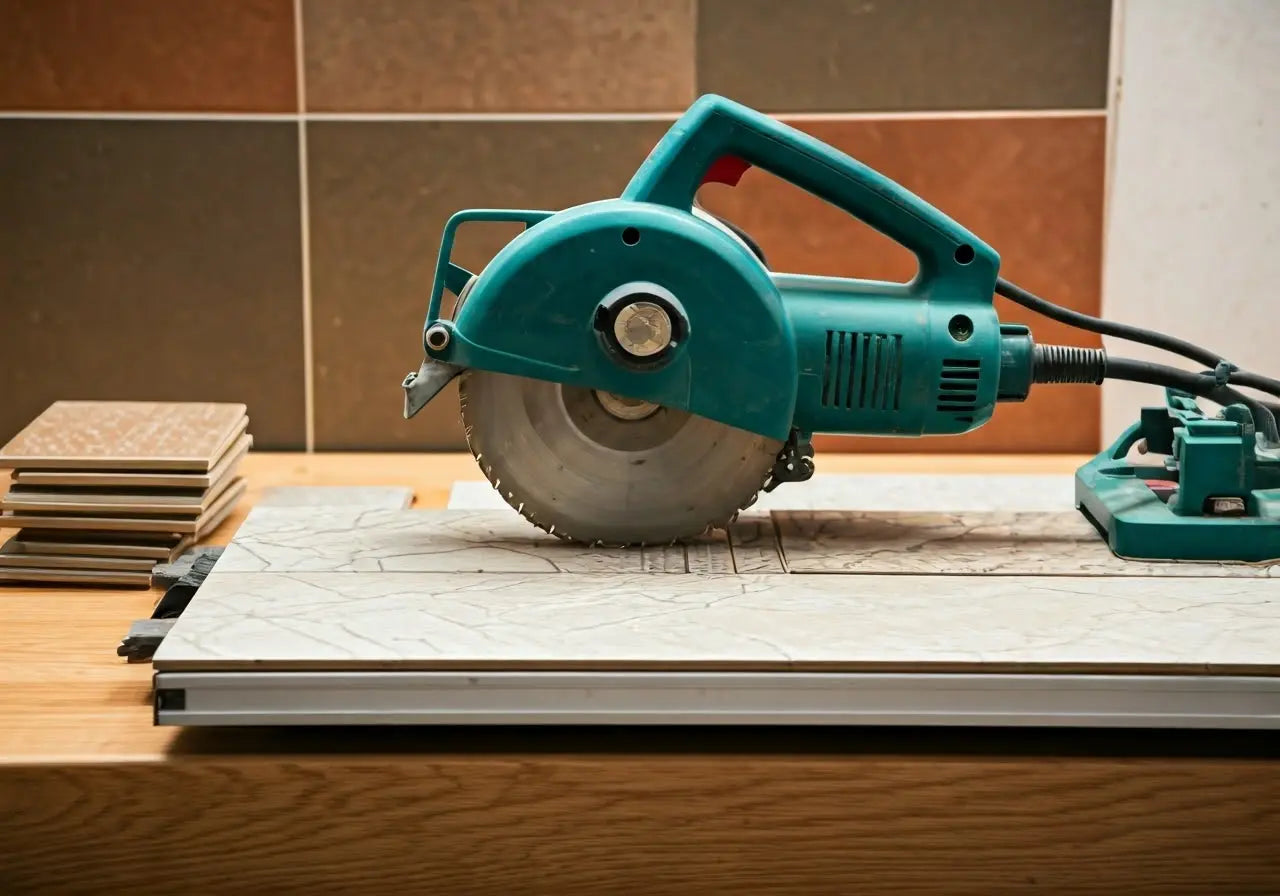
A circular saw is a handheld power tool that uses a spinning round blade to make straight cuts in a wide range of materials. It’s commonly used for cutting wood, plywood, MDF, plastic, metal, and masonry when paired with the correct blade.
Circular saws are especially popular for:
- Framing
- Deck building
- Cutting sheet goods
- Home improvement projects
- General carpentry
- Construction and remodeling work
Because they’re portable and powerful, circular saws are a must-have tool for both professionals and DIYers.
Main Parts of a Circular Saw
Understanding the main components of a circular saw helps you use it more safely and effectively:
- Motor – Powers the blade. Corded saws are measured in amps, while cordless saws use volts and battery capacity.
- Blade – The cutting component. A 7-1/4 inch blade is the most common size.
- Shoe/Base Plate – Sits on the workpiece and helps guide the cut.
- Lower Guard – Covers the blade when not in use and retracts as you cut.
- Bevel Adjustment – Lets you cut angles.
- Depth Adjustment – Controls how deep the blade cuts.
- Arbor and Blade Bolt – Hold the blade securely in place.
Corded vs Cordless Circular Saws
Both corded and cordless circular saws have advantages:
- Corded circular saws provide consistent power and unlimited runtime.
- Cordless circular saws offer portability and convenience, especially on job sites or in areas without easy access to outlets.
If you want maximum mobility, go cordless. If you want constant power for long cutting sessions, corded may be the better choice.

Types of Circular Saws
There are several types of circular saws, and the right one depends on the kind of cutting work you do most often.
Sidewinder Circular Saw
Also called a direct-drive saw, this is the most common type.
- Lightweight and compact
- Easy to handle
- Great for most general-purpose cutting tasks
Worm Drive Circular Saw
Known for high torque and durability.
- Excellent for framing and heavy-duty cuts
- Heavier than sidewinders
- Popular with professional carpenters
Hypoid Circular Saw
A gear-driven saw with a design similar to a worm drive.
- Smooth and powerful
- Usually quieter than worm drive models
- Requires less maintenance
Trim or Mini Circular Saw
- Smaller and easier to use one-handed
- Ideal for thin materials, laminate, and trim work
- Great for quick cuts in tight spaces
Track Saw
Track saws are designed for precision.
- Make straight, splinter-free cuts
- Ideal for plywood, cabinets, and fine woodworking
- Work with a guide rail for maximum accuracy
Metal-Cutting and Masonry Circular Saws
These saws use special blades designed for tougher materials.
- Best for steel, aluminum, concrete, and masonry
- Require proper safety precautions
- Often include dust or spark control features
Circular Saw Blades: How to Choose the Right Blade
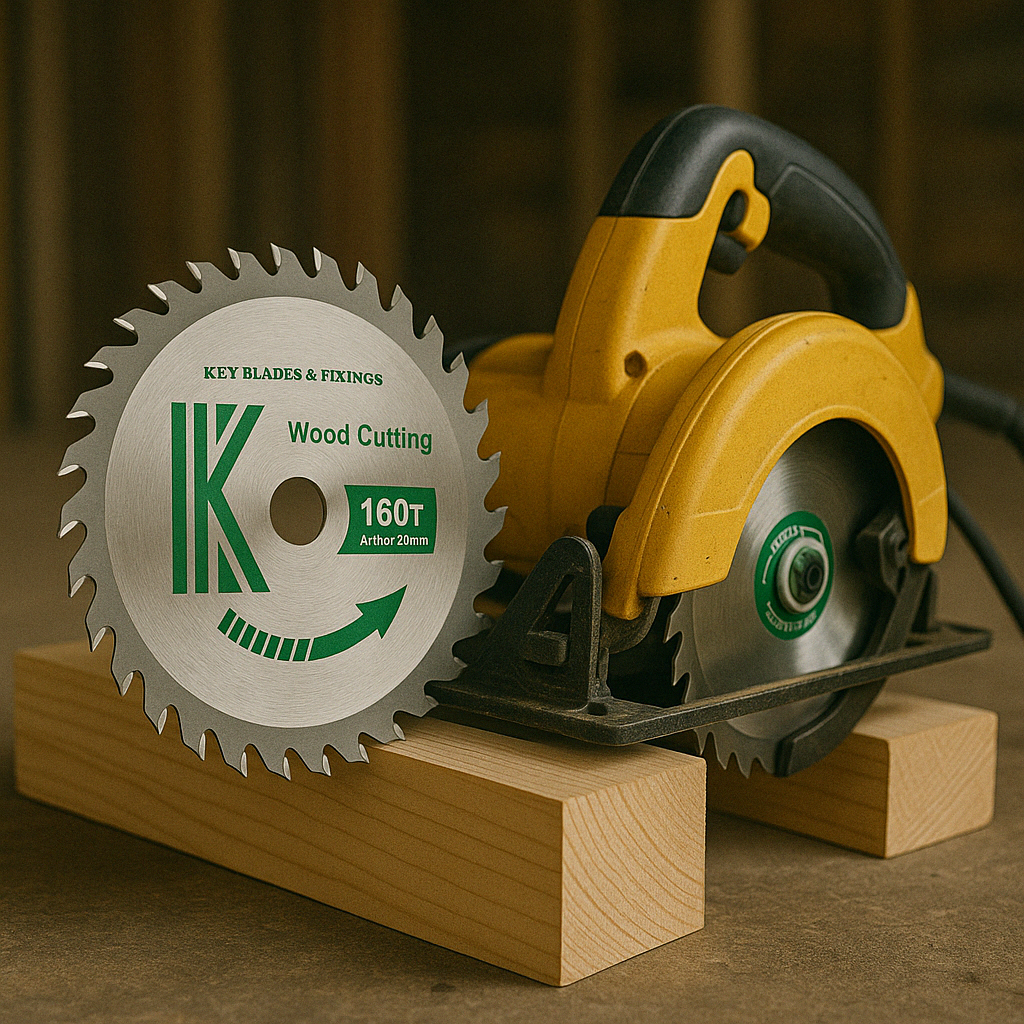
The blade you use has a huge impact on cut quality, speed, and safety. Choosing the right circular saw blade for the material is one of the most important parts of getting professional results.
Blade Size and Kerf
- 7-1/4 inch blades are the most common and versatile
- 6-1/2 inch blades are popular for compact cordless saws
- Thin-kerf blades cut faster and require less power
- Full-kerf blades are stronger and tend to track more consistently
Tooth Count and Tooth Grind
- 24T framing blade – Best for fast rip cuts and rough crosscuts
- 40T to 60T finishing blade – Better for smoother cuts in plywood and trim
- FTG (Flat Top Grind) – Great for ripping wood quickly
- ATB (Alternate Top Bevel) – Ideal for clean crosscuts and plywood
- TCG (Triple Chip Grind) – Best for laminates, plastics, and non-ferrous metals
Hook Angle and Blade Material
- Positive hook angle pulls the saw into the cut and increases cutting speed
- Low or negative hook angle gives more control for fine cuts and track saw use
- Carbide-tipped blades last longer and stay sharper
- Coated blades help reduce heat, pitch buildup, and friction
Specialty Circular Saw Blades
- Plywood blades reduce tear-out on sheet goods
- Fiber cement blades are designed for dusty, abrasive materials
- Metal-cutting blades must match the saw’s RPM rating
- Masonry blades should be used with proper dust control and safety gear
Pro Tip for Cleaner Cuts
For the cleanest edge, mark the top side of the workpiece and place the good face down when using most circular saws. You can also use painter’s tape along the cut line to reduce tear-out on plywood and other delicate materials.

Circular Saw Safety Tips You Should Never Ignore
Safety should always come first when using a circular saw. A sharp blade and good technique help, but safe setup and proper habits are just as important.
Personal Protective Equipment
Always wear:
- Safety glasses or a face shield
- Hearing protection
- A dust mask or respirator when cutting MDF, cement board, or masonry
- Snug clothing to avoid loose fabric near the blade
Use gloves when handling blades, but avoid wearing loose gloves during the cut itself.
Before You Cut
Check the saw before every use:
- Make sure the lower guard moves freely
- Confirm the blade is tight and undamaged
- Inspect the work surface for stability
- Support both sides of the cut to prevent binding
Preventing Kickback
Kickback is one of the most common circular saw hazards. To reduce the risk:
- Set the blade depth so only one tooth extends below the material
- Keep the shoe flat on the workpiece
- Do not twist the saw inside the cut
- Stand slightly to the side of the cutting line
- Let the blade reach full speed before entering the material
Dust and Material Safety
- Use a vacuum attachment when possible
- Follow silica dust safety rules when cutting masonry or cement products
- Use GFCI protection in wet or outdoor conditions
How to Set Up a Circular Saw for Accurate Cuts
Proper setup makes a big difference in cut quality, especially if you want clean, straight results.
Check the Square and Bevel Settings
Before cutting:
- Unplug the saw or remove the battery
- Set the blade depth shallow
- Use a square to check the blade at 90 degrees
- Adjust the bevel stop if needed
- Test the 45-degree angle if you use bevel cuts often
Set the Correct Blade Depth
A good rule is to set the blade so one tooth extends below the material. This improves safety, reduces tear-out, and lowers strain on the motor.
Improve Visibility and Cut Accuracy
- Align the saw’s shoe notch with the blade path
- Learn the exact offset between the blade and the shoe
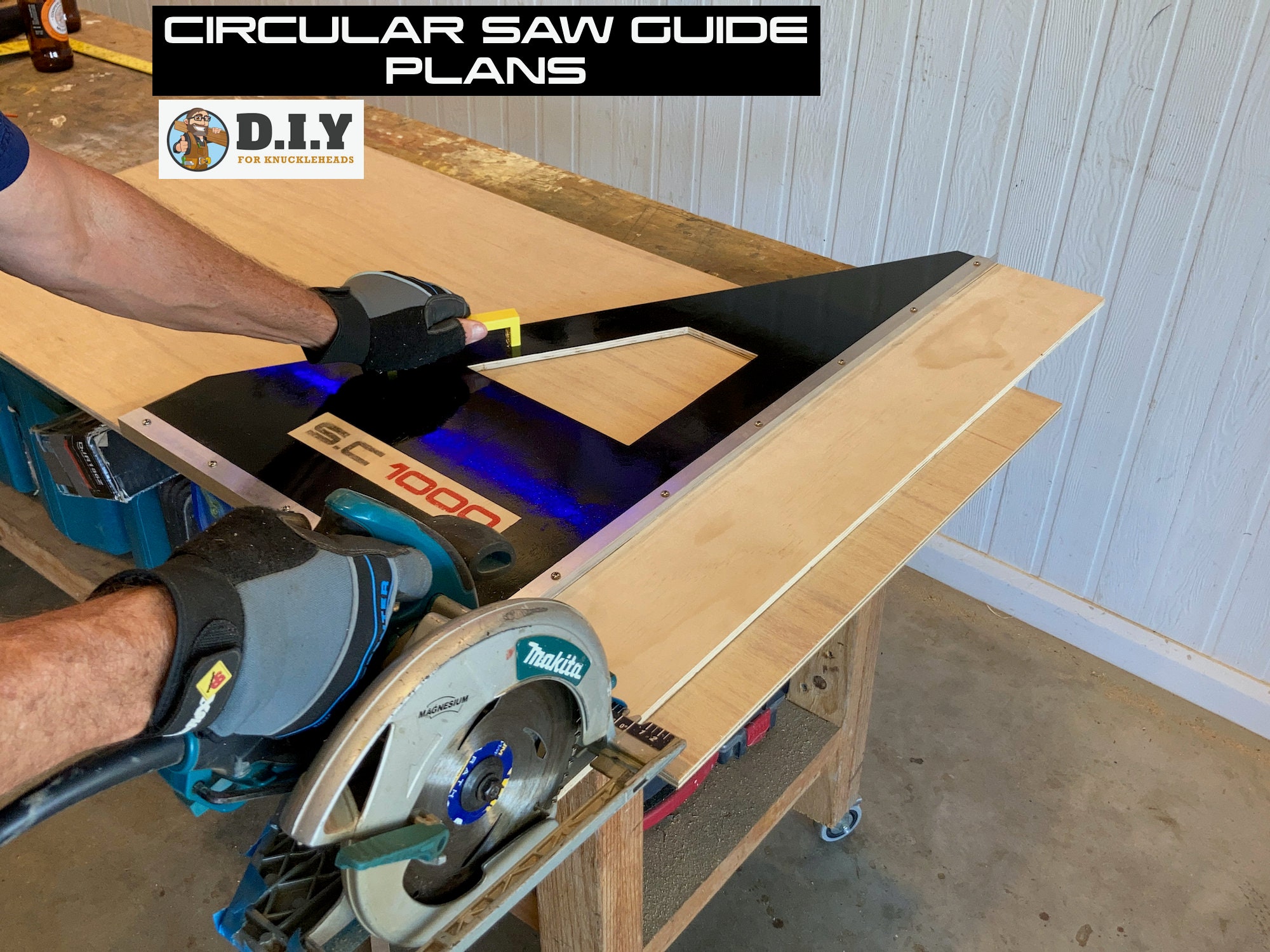
- Use a guide rail, straightedge, or sawboard for repeatable results
Use a Straightedge Guide
If you don’t have a track saw, a clamped straightedge works well. Just remember to account for the distance between the blade and the edge of the shoe.

Essential Circular Saw Cutting Techniques
Once your saw is set up correctly, the next step is learning how to cut with control and confidence.
Crosscuts
Crosscuts are made across the grain of the wood.
- Use a steady feed rate
- Let the blade do the work
- Keep the saw shoe flat during the cut
Rip Cuts
Rips go with the grain and are common in framing and sheet goods.
- Use a fence or guide
- Watch for binding near the end of the cut
- Maintain even pressure without forcing the saw
Bevel Cuts
Bevel cuts are angled cuts often used in trim, roofing, and joinery.
- Practice on scrap first
- Support the off-cut to prevent breakage
- Keep the saw stable throughout the cut
Plunge Cuts
Plunge cuts are useful for openings and notches.
- Set the correct depth first
- Tilt the front of the shoe and lower the blade carefully
- Finish the cut slowly and in control
Common Circular Saw Mistakes
Avoid these common problems:
- Using a dull blade
- Cutting without support
- Freehanding long cuts
- Feeding too fast or too slowly
- Ignoring blade alignment
Circular Saw Accessories, Jigs, and Advanced Uses
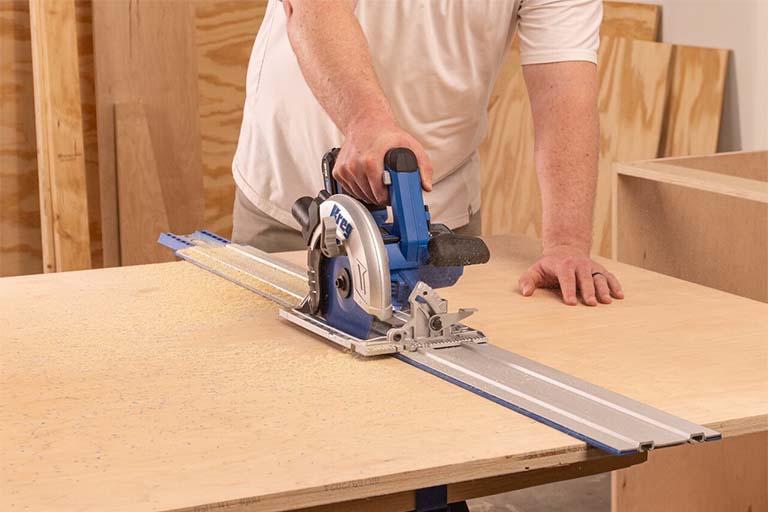
A few accessories can turn a standard circular saw into a highly accurate cutting tool.
Helpful Accessories
- Straightedge guide – Simple and affordable for straight cuts
- Parallel rip fence – Good for repetitive narrow cuts
- Track system – Best for clean cuts on sheet goods
- Low-friction shoe or edge clamp – Improves movement and control
Advanced Circular Saw Uses
- Dado or rabbet cuts – Can be made with multiple passes
- Taper cuts – Easier with a dedicated jig
- Metal cutting – Requires the proper rated blade
- Masonry cutting – Needs a diamond blade and dust protection
Useful Upgrades
- Electric brake for faster blade stopping
- Rafter hook for convenience on job sites
- Dust port adapter for cleaner cuts and better visibility

Circular Saw Maintenance, Troubleshooting, and Longevity
Keeping your circular saw clean and well-maintained helps it cut better and last longer.
Regular Maintenance Tips
- Blow out dust and debris after use
- Keep the blade guard and hinge clean
- Wipe down the shoe to maintain smooth movement
- Lubricate moving parts lightly when needed
- Store blades dry and covered
Cordless Saw Battery Care
- Store batteries in a cool, dry place
- Avoid excessive heat
- Use the right charger for your battery platform
Common Problems and Fixes
- Burn marks – Usually caused by a dull blade or slow feed
- Wandering cuts – Check blade sharpness and guide alignment
- Sticking guard – Remove built-up dust and test the guard before cutting
- Rough edges – Use the right blade for the material and improve support
How to Choose the Best Circular Saw
If you’re buying a new circular saw, focus on the features that match your work.
What to Look For
- Power – 13–15 amp corded models or strong brushless cordless options
- Blade visibility – Left-blade or right-blade depending on your preference
- Weight and balance – Lighter saws are easier overhead; heavier saws may feel more stable
- Bevel range – Look for at least 45 degrees, ideally more
- Electric brake – Improves safety and speeds up workflow
- Dust port – Helps keep the cut line visible
- Magnesium or aluminum shoe – Improves durability and glide
Choose Based on Your Needs
- DIY projects – A cordless 6-1/2 or 7-1/4 inch saw is a great all-around choice
- Framing and decking – A 7-1/4 inch sidewinder or worm drive saw with a 24T blade
- Finish carpentry and cabinetry – A track saw or saw with a guide rail and fine-tooth blade
Project Ideas to Practice Circular Saw Skills
A good way to improve is by working on real projects.
Beginner Projects
- Garage shelves
- Planter boxes
- Small workbenches
- Plywood storage racks
Practice Drills
- Cut a straight line within 1 mm of your mark
- Practice clean 45-degree bevels on scrap wood
- Try a safe plunge cut into plywood
Good Habits to Build
- Replace dull blades before major projects
- Mark the waste side clearly
- Keep a dedicated blade set for different materials
- Always use a guide for long cuts
Frequently Asked Questions About Circular Saws
What size circular saw should I buy first?
A 7-1/4 inch circular saw is the most versatile option for most users. It works well for framing, plywood, and general construction.
How deep can a 7-1/4 inch circular saw cut?
Most 7-1/4 inch circular saws cut about 2-3/8 inches at 90 degrees and around 1-3/4 inches at 45 degrees.
Why does my circular saw burn wood?
Burn marks usually mean the blade is dull, dirty, or being fed too slowly. Clean the blade or replace it, and keep a steady cutting speed.
Can a circular saw cut metal?
Yes, but only with a metal-cutting blade rated for the material and the saw’s RPM. Always follow the blade manufacturer’s safety instructions.
How do I make straight cuts without a track saw?
Use a clamped straightedge, a guide rail, or a homemade sawboard to keep the saw on line.
Is a cordless circular saw as good as a corded one?
Modern brushless cordless saws are powerful enough for many jobs. With a high-output battery, they can perform similarly to corded models in most common applications.
What is the best circular saw blade for beginners?
A sharp 24T or 40T carbide blade is a great starting point. Choose a trusted brand and match the blade to the task.
Conclusion
A circular saw is one of the most useful tools you can own for fast, accurate cuts. When you choose the right saw, use the correct blade, set it up properly, and follow safe cutting techniques, your results improve dramatically.
Whether you’re a beginner learning the basics or a pro looking to sharpen your workflow, this circular saw guide can help you cut cleaner, work safer, and build with more confidence.
If this guide helped, bookmark it, share it, and keep practicing on scrap until your cuts become second nature.
If you want, I can also:
- optimize this further for a specific keyword,
- turn it into a fully formatted WordPress post, or
- write a meta title, meta description, and SEO slug for it.