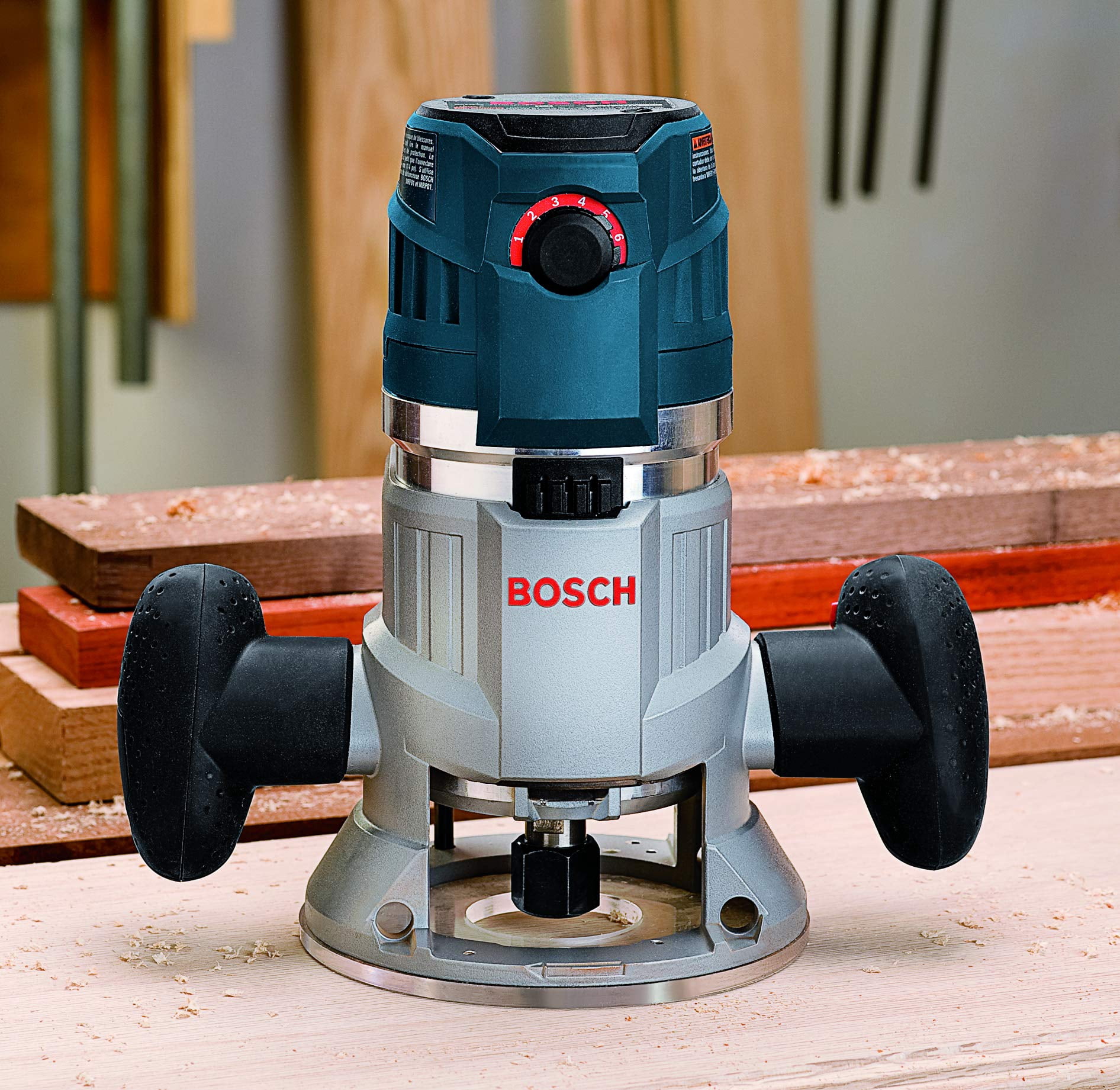
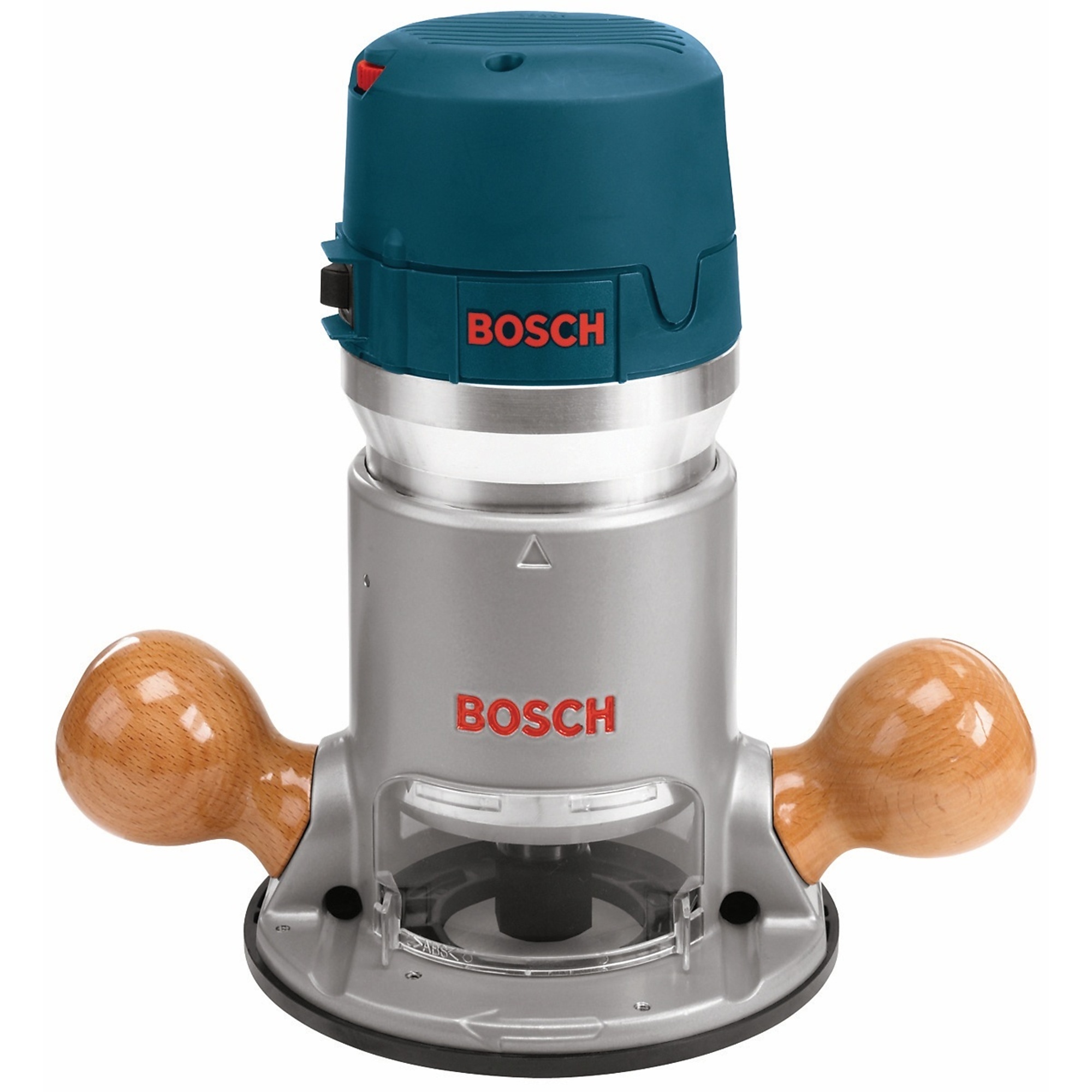
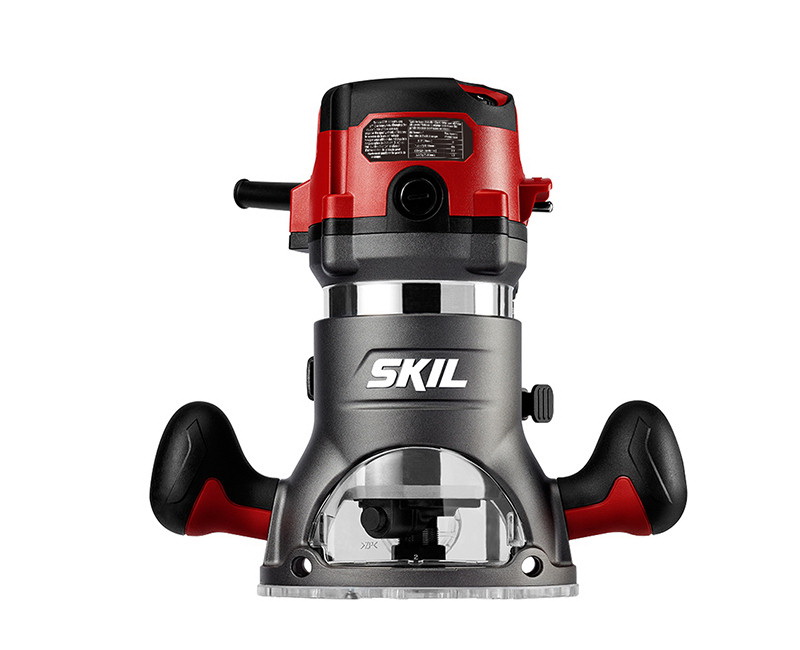
A fixed base router is a woodworking power tool that holds the router bit at a preset depth while you guide the tool across the workpiece. It is especially useful for edge profiles, rabbets, grooves, dados made from an edge or with a suitable guide, template work, and router-table operations.
For woodworkers in the United States, a fixed base router is one of the most useful tools for controlled edge work and repeatable cuts. The defining feature is simple: the motor is secured at a selected height in the base, so the bit stays at that cutting depth during the routing pass. Unlike a plunge router, the bit does not travel vertically while the tool is running.
That fixed position makes the tool predictable when the cut begins at an accessible edge or when the router is guided by a fence, straightedge, template, or router table. The limitation is just as important: a standard fixed base router is not designed to be lowered into the middle of a solid workpiece to start an interior cut. Those jobs normally call for a plunge router or another suitable method.
Source: woodworkingshop.com
What Is a Fixed Base Router?
A fixed base router is a handheld woodworking router in which the motor and cutting bit are held at a set height relative to the router base. You adjust the bit depth before routing, lock the motor in position, and then guide the base across the material. The bit remains at that selected depth throughout the pass.
The base provides a broad reference surface that rides on the workpiece. Handles give you control while the motor spins the router bit at high speed. Depending on the model, the router may have a fixed-speed or variable-speed motor, different collet sizes, soft start, electronic speed control, depth adjustment features, edge-guide compatibility, and provisions for mounting the router in a table.
The fixed-base design is mechanically simpler than a plunge mechanism because the motor does not travel on spring-loaded posts during the cut. This makes the operating motion straightforward: set the depth, lock the motor, place the base securely on the workpiece, start the router with the bit clear of the material, and feed the router through the cut using the appropriate direction.
Source: walmart.com
Fixed motor position
The motor is secured at a selected height so the bit maintains a consistent depth during a routing pass.
Stable reference surface
The base rides on the workpiece and provides a stable platform for controlled edge and guided routing.
Depth adjustment
The bit depth is normally adjusted before the cut using a threaded adjustment mechanism, ring, clamp, or similar system depending on the router.
Compatible router bits
A fixed base router can use many common router bits as long as the bit shank, diameter, speed rating, and router collet are compatible.
Main Parts of a Fixed Base Router
Understanding the main components makes setup easier and helps you diagnose problems such as vibration, inconsistent depth, or poor bit retention.
Motor
The motor spins the router bit at high speed and provides the cutting power.
Fixed base
The base surrounds and supports the motor while providing the reference surface that rides on the workpiece.
Collet
The collet clamps the router bit shank to the motor spindle. Common U.S. router sizes include 1/4-inch and 1/2-inch shanks, depending on the router.
Sub-base
The sub-base is the plate attached to the bottom of the router base. Its opening and mounting pattern affect bit clearance and compatibility with guides or templates.
Depth adjustment and lock
This mechanism lets you position the bit relative to the base and secure the selected cutting depth.
Handles
Two-handled fixed-base routers provide a grip for guiding the tool and controlling feed pressure.
What Is a Fixed Base Router Used For?
A fixed base router is most useful when the bit can enter the material from an edge or through an existing opening and the cutting depth can be established before routing. This makes the tool particularly effective for shaping edges and producing controlled, repeatable cuts.
Edge profiling is one of the most common applications. Roundover, chamfer, cove, ogee, and similar profile bits can shape the edge of a board when the base remains fully supported on the workpiece. The selected bit determines the shape of the finished profile.
Fixed-base routers are also useful for rabbets, grooves, template-guided work, and other cuts where a fence or guide can establish the router’s path. A router table can further improve support for certain repetitive operations because the router is mounted beneath the table and the workpiece is guided across the cutter.
Source: northerntool.com
Edge profiles
Use suitable profile bits to create roundovers, chamfers, coves, and other decorative or functional edge shapes.
Rabbets
A rabbet bit or suitable straight bit with a guide can remove material along an edge to create a stepped recess.
Grooves
A straight or spiral bit can create a groove when the router is guided accurately and the cut can be started from an appropriate location.
Template routing
A guide bushing or bearing-guided bit can allow the router to follow a template when the setup is designed for the selected bit.
Router-table work
A compatible fixed-base router can be mounted beneath a router table for operations where moving the workpiece past the cutter provides better support and control.
Flush trimming
A flush-trim bit can follow an existing edge or template to bring a second material flush with the reference surface.
When a Fixed Base Router Is the Wrong Tool
The main limitation is its inability to plunge the spinning bit into the center of a solid workpiece in the same controlled manner as a plunge router. Interior cuts such as a stopped dado or a mortise that begins away from an edge are normally better suited to a plunge router, a drill-and-router method designed for the job, or another appropriate tool.
Do not assume that installing a straight bit in a fixed base makes it safe to lower the router directly onto the middle of a board. The exposed rotating cutter can catch the material and the router can move unexpectedly. Follow the router and bit manufacturer’s instructions for any permitted starting method.
Interior mortises
A plunge router is generally more appropriate because the bit can be lowered into the workpiece after the base is positioned.
Stopped grooves
A plunge mechanism makes controlled starts and stops easier when the cut does not run to an edge.
Deep interior cuts
The ability to lower the bit progressively can simplify controlled multi-pass interior routing.
How to Use a Fixed Base Router Safely
Safe routing starts with the setup, not the first cut. The workpiece should be securely supported, the correct bit should be firmly installed, the intended cutting depth should be established, and the router should be positioned so the bit is not touching the material when the motor starts.
Use safety glasses or appropriate eye protection and hearing protection. Routing can produce substantial noise and wood dust, so suitable dust control and respiratory protection should be considered according to the material and workspace. Keep hands away from the cutter and never reach around the base while the bit is spinning.
Always disconnect the router from power or remove its battery before changing bits or performing adjustments that require access to the cutter. The router should also be inspected before use for damaged cords, loose components, damaged bits, or other conditions that could affect safe operation.
Source: acmetools.com
1. Secure the workpiece
Clamp or otherwise secure the board so it cannot shift during the cut. Make sure clamps and supports will not interfere with the router’s travel.
2. Select the correct bit
Use a router bit designed for high-speed routing and confirm that its shank fits the router’s collet.
3. Disconnect power before installation
Unplug a corded router or remove its battery before installing or removing a bit.
4. Seat the bit correctly
Insert the bit into the collet according to the router manufacturer’s instructions and tighten it securely with the specified procedure.
5. Set the depth
Adjust the motor or depth mechanism until the desired amount of cutter extends below the base, then lock the adjustment.
6. Check the setup
Confirm that the bit spins freely, the base is secure, the guide is properly positioned, and the cutter will not contact clamps or other hardware.
7. Start clear of the work
Position the router so the bit is not contacting the workpiece when the motor starts.
8. Feed in the correct direction
For conventional handheld routing, feed the router against the bit’s rotation so the cutter pulls into the work rather than driving the router forward.
9. Maintain steady pressure
Keep the base flat and move at a controlled feed rate. Avoid forcing the router or stopping in one location unnecessarily.
10. Shut down before repositioning
Turn the router off and allow the bit to stop before lifting it away or moving to another setup position.
Signs the Routing Setup Is Working Correctly
A properly configured cut normally produces a consistent profile or groove, a stable router path, and manageable chip removal without excessive vibration or burning. The base should remain supported throughout the pass and the router should not require excessive force to move.
If the router chatters, burns the wood, leaves an uneven depth, or tries to move unexpectedly, stop the operation and identify the cause rather than compensating by pushing harder.
Consistent depth
The cut remains at the intended depth instead of becoming deeper or shallower as the router moves.
Controlled movement
The router travels along the intended path without sudden grabbing, excessive vibration, or uncontrolled movement.
Clean cutting
The bit removes material without unnecessary burning, severe tear-out, or excessive chatter under the selected conditions.
Fixed Base Router vs Plunge Router
The main difference between a fixed base router and a plunge router is how the bit enters the workpiece. A fixed base keeps the bit at a predetermined height during the cut. A plunge router allows the motor and bit to move vertically relative to the base while the router is operating.
That difference determines which tool is more convenient for a particular job. Fixed-base routers are well suited to edge work and operations where the depth can be set before starting. Plunge routers are particularly useful when a cut must begin or end away from an edge.
Neither design makes every routing task automatically safe or easy. The workpiece, bit, guide system, cut depth, material, and router’s operating instructions still determine the correct setup.
Source: cpooutlets.com
Fixed base
Set the bit depth before routing and keep that depth during the pass. Particularly useful for edge profiles, guided edge work, and router-table applications.
Plunge base
Lower and raise the bit during the operation. Particularly useful for mortises, stopped cuts, and interior recesses.
Combination router
Some systems use one motor with interchangeable fixed and plunge bases, allowing the same motor to serve different routing tasks.
Which Router Should You Use?
Choose a fixed base when most of your work involves edge profiles, rabbets, guided edge cuts, template work that can start appropriately, or router-table operations. Choose a plunge router when you frequently need controlled starts in the middle of a panel, stopped grooves, mortises, or other interior cuts.
If your projects involve both types of work, a router system with interchangeable fixed and plunge bases can reduce the need to own two separate motors. The exact compatibility depends on the manufacturer and model.
Mostly edge work
A fixed base provides a straightforward setup for profiles and guided edge routing.
Mostly interior cuts
A plunge router provides a controlled mechanism for starting and stopping cuts away from an edge.
Mixed woodworking
A compatible multi-base system can provide both fixed and plunge functionality.
How to Choose a Fixed Base Router
When choosing a fixed base router, start with the work you actually perform rather than selecting the highest motor rating available. A router used primarily for small edge profiles has different requirements from one intended for large bits, hardwood routing, or a router table.
For U.S. woodworking, also check whether the router accepts the bit shank sizes you intend to use. A 1/4-inch collet accepts compatible 1/4-inch shank bits, while a 1/2-inch collet accepts compatible 1/2-inch shank bits. Some full-size routers include both collets, but compatibility must be confirmed for the specific model.
Variable speed can be useful when the router and bit manufacturer specify different operating speeds for different cutter sizes. Larger-diameter bits generally require lower operating speeds than smaller bits. Always use the speed range and bit limitations specified by the manufacturer rather than treating a general RPM number as universal.
Source: opentip.com
Router size
Compact routers are easier to maneuver for lighter edge work, while larger routers provide more capacity for demanding cuts and larger bits when the manufacturer permits their use.
Collet size
Confirm whether the router uses 1/4-inch, 1/2-inch, or another supported shank size before buying bits.
Variable speed
Variable speed can help match router speed to bit diameter and the manufacturer’s specified operating range.
Soft start
Soft-start electronics can reduce the sudden torque reaction when the motor begins spinning.
Depth adjustment
A precise and secure depth-adjustment system makes repeatable routing easier.
Guide compatibility
If you plan to use templates or guide bushings, check the sub-base and accessory compatibility before buying.
Router-table compatibility
If table routing is part of your plans, confirm that the router is approved or designed for the intended mounting system.
Dust collection
A compatible dust-collection connection can improve visibility and reduce airborne debris in the work area.
A Practical Selection Checklist
Before buying, write down the largest and smallest bits you expect to use, the materials you commonly route, whether you need a router table, and whether your projects require interior plunge cuts. This quickly separates a basic fixed-base requirement from a need for a more versatile system.
Do not select a router based only on horsepower. Motor power matters, but control, depth adjustment, collet compatibility, bit capacity, speed control, base design, and the type of work you perform can be just as important.
For light edge work
A compact fixed-base router may provide easier handling and sufficient power for smaller profiles.
For furniture and cabinet work
A full-size router with accurate depth adjustment and appropriate collet options can provide greater flexibility.
For a router table
Verify table compatibility, bit capacity, depth adjustment access, and manufacturer instructions before mounting the router.
Common Fixed Base Router Problems and Fixes
Most routing problems can be traced to setup, bit condition, feed technique, cutting depth, or an unsuitable speed. The safest troubleshooting approach is to stop the router, disconnect power when necessary, and check the simplest potential causes before making another cut.
Do not try to correct severe vibration, a loose bit, damaged components, or an unexplained mechanical problem by simply changing your feed pressure. A router bit that is loose, damaged, improperly installed, or unsuitable for the router can create a serious hazard.
Source: dewalt.com
Burn marks
Possible causes include feeding too slowly, using a dull bit, taking an unnecessarily heavy cut, or using an inappropriate speed. Check the bit condition, depth, feed rate, and manufacturer guidance.
Chatter or vibration
Check whether the bit is damaged, the collet is clean and properly tightened, the motor is securely locked in the base, and the cutting depth is reasonable.
Uneven cutting depth
Confirm that the base stays flat on the workpiece and that the motor depth lock has not moved.
Tear-out
Grain direction, bit geometry, feed direction, bit sharpness, and excessive cutting depth can affect the edge quality. Taking lighter passes can reduce the amount of material removed at once.
Router pulls unexpectedly
Stop and review feed direction, cutter rotation, workpiece support, and whether the cut is too deep. Do not continue by increasing hand pressure.
Poor bit retention
Inspect the bit shank and collet, clean the collet according to the manufacturer’s instructions, and make sure the bit is installed and tightened correctly.
Why Multiple Shallow Passes Matter
Removing a large amount of material in one pass can increase cutting forces, reduce control, increase the chance of tear-out, and place more load on the router. When the job permits, divide a deep cut into several shallower passes and reset the fixed base between passes.
For example, if a project requires a deep rabbet, do not assume that a powerful router should remove the entire depth immediately. Establish the first controlled pass, inspect the result, adjust the depth, and repeat until the final dimension is reached. The exact maximum depth per pass depends on the router, bit, material, and manufacturer’s instructions.
Start conservatively
Use a manageable first pass rather than forcing the router through a large amount of material.
Inspect after each pass
Check the cut, router stability, and material condition before increasing depth.
Keep the final pass controlled
Use the final pass to reach the required dimension without unnecessarily removing large amounts of material.
Frequently Asked Questions
Q
What is a fixed base router best used for?
A fixed base router is especially useful for edge profiling, rabbets, grooves, guided cuts, template work, flush trimming, and router-table operations. It works best when the cutting depth can be set before the pass and the router can remain supported on the workpiece.
Q
Can you plunge cut with a fixed base router?
A standard fixed base router is not designed to provide the controlled vertical plunge action of a plunge router. Interior cuts that begin away from an edge are generally better handled with a plunge router or another method specifically suited to the operation.
Q
Is a fixed base router good for beginners?
A fixed base router can be a practical introductory router when a beginner starts with supported edge work, shallow cuts, simple bits, and proper safety procedures. The user still needs to understand feed direction, bit selection, workpiece support, depth adjustment, and safe starting and stopping.
Q
What is the difference between a fixed base router and a plunge router?
A fixed base router holds the bit at a preset height during the cut. A plunge router allows the motor and bit to move vertically relative to the base. Fixed bases are particularly convenient for edge and guided work, while plunge bases are useful for starting and stopping interior cuts.
Q
Should I use a 1/4-inch or 1/2-inch router bit?
Use only a shank size supported by the router’s collet. A 1/2-inch shank is generally more rigid than a 1/4-inch shank of comparable design, but the correct choice also depends on the router, bit diameter, operation, and manufacturer’s specifications. Never force an incompatible shank into a collet.
Q
Why does my fixed base router leave burn marks?
Burn marks can result from a dull bit, feeding too slowly, removing too much material in one pass, or operating at an unsuitable speed for the bit and material. Check the bit first, then review cutting depth, feed rate, and the manufacturer’s recommended speed range.
Q
Can a fixed base router be mounted in a router table?
Some fixed-base routers are suitable for router-table use, but compatibility varies by model and table. Check the router manufacturer’s instructions and the mounting system before installing a router beneath a table. Once mounted, follow the table manufacturer’s safety requirements as well.
✦ Wrapping Up
Conclusion
A fixed base router is a focused woodworking tool built around one useful principle: set the cutting depth, lock it, and maintain that depth while guiding the router through the work. That makes the design particularly effective for edge profiles, rabbets, grooves, templates, flush trimming, and many router-table operations.
The right results depend on more than the router itself. Use a compatible and sharp bit, secure the workpiece, set an appropriate depth, maintain the correct feed direction, and make multiple shallow passes when a deep cut is required. When a project requires controlled entry into the middle of a panel or another interior starting point, use a plunge router or another suitable method instead of forcing a fixed base router into the material.
Before every routing operation, follow the specific router and bit manufacturer’s instructions. If the tool vibrates excessively, the bit becomes loose, the cut behaves unpredictably, or a component appears damaged, stop the operation and correct the problem before continuing.
💡 Key Takeaway
For your next routing job, identify whether the cut starts from an accessible edge or requires an interior entry point. If the depth can be set before the cut, a fixed base router may be appropriate; if the bit must be lowered into the workpiece during the operation, consider a plunge router instead.