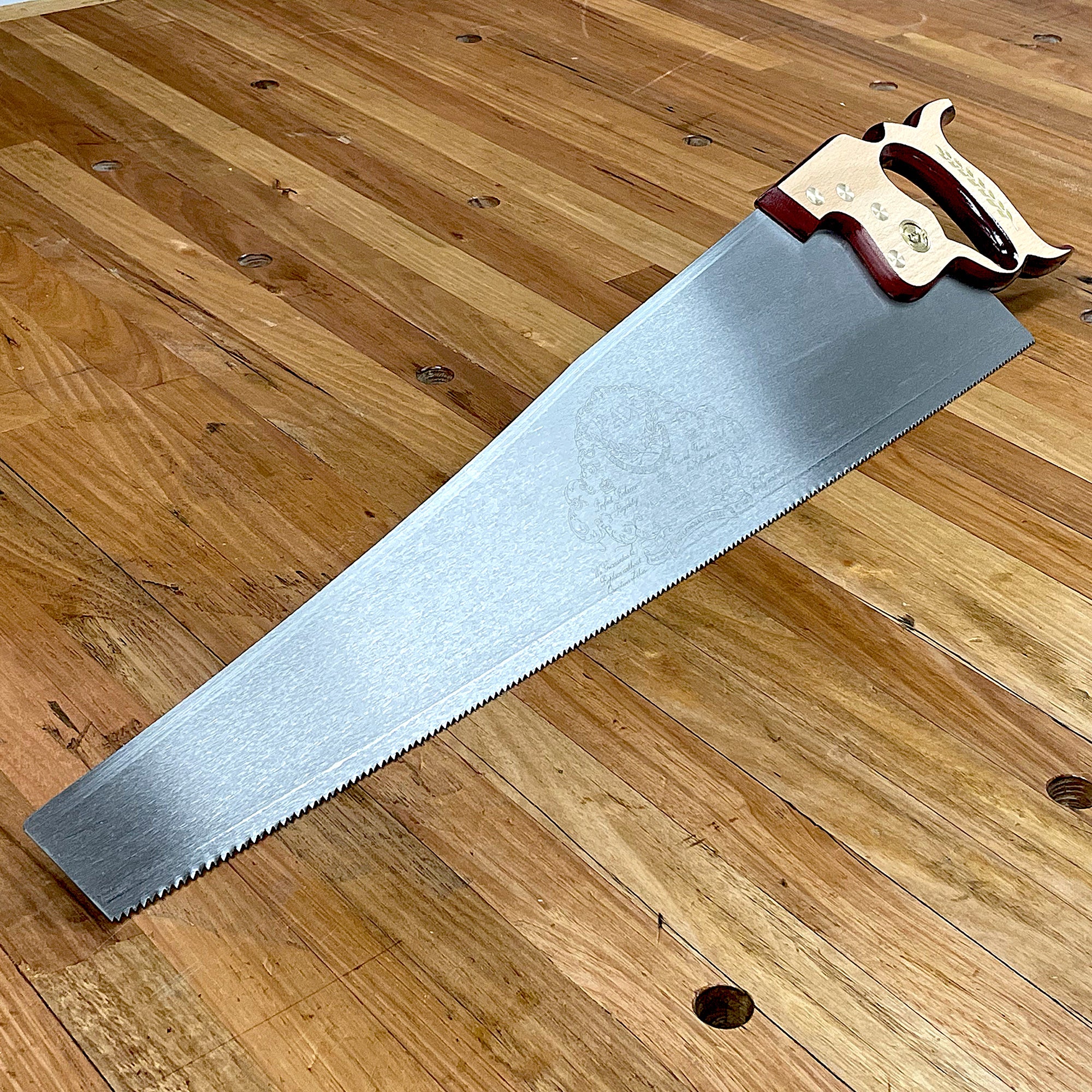
A good crosscut saw technique uses a marked line, steady grip, controlled strokes, and light pressure to cut across wood grain accurately.
In the United States, crosscut hand saws remain useful for woodworking, carpentry repairs, trim work, and shop projects where controlled manual cutting is preferred. The technique matters as much as the tool because even a sharp saw can wander, bind, or damage the wood if the cut begins incorrectly.
A proper crosscut starts by securing the workpiece, placing the saw on the waste side of the line, creating a shallow starting kerf, and then using smooth full-length strokes. The goal is to let the teeth remove material efficiently instead of forcing the blade through the wood.
Source: m.media-amazon.com
What Is a Crosscut Saw Technique?
Crosscut saw technique is the method used to guide a hand saw through wood perpendicular to the grain. Unlike ripping along the grain, crosscutting requires teeth that slice individual wood fibers cleanly.
The technique combines body position, saw angle, grip, pressure control, and workpiece support. Each part affects the final result, from the straightness of the cut to the amount of tearout on the finished edge.
Source: disstontools.com
Cut direction
A crosscut moves across the grain rather than following the length of the fibers.
Tooth function
Angled crosscut teeth act like small knives that sever wood fibers during each stroke.
How to Use a Crosscut Saw Step by Step
The most reliable method is to create a controlled starting groove before using longer strokes. Rushing the beginning of the cut is a common reason for inaccurate results.
Use a square to draw a clear line across the board and identify the waste side before cutting.
Secure the wood
Clamp the workpiece or hold it firmly so movement does not push the blade away from the line.
Start the kerf
Use gentle short strokes to create a groove that guides the saw blade.
Use smooth strokes
Allow the saw teeth to cut while maintaining steady movement with minimal downward force.
Finding the Correct Saw Position
Keep your shoulder, elbow, wrist, and saw blade aligned so the blade travels in the same direction as your arm movement. A twisted wrist often causes the saw to drift sideways.
Body stance
Stand comfortably with balanced footing so your arm can move naturally through the stroke.
Choosing Stroke Speed, Pressure, and Saw Angle
A crosscut saw works best when the user maintains a consistent rhythm. Excess pressure can cause the blade to flex, increase friction, and make the cut less accurate.
The ideal stroke depends on the saw design and material. Hardwoods and fine finish work generally benefit from slower controlled strokes, while rough construction cuts may allow faster movement.
Source: carbatec.com.au
Light pressure
Push firmly enough to maintain contact but avoid forcing the blade.
Long strokes
Using more of the blade distributes wear and improves cutting efficiency.
Stable angle
Keep the blade consistent rather than changing direction during the cut.
Common Crosscut Saw Problems and Fixes
Most cutting problems come from setup issues rather than the cutting motion itself. Checking the workpiece support, blade alignment, and starting groove usually solves the issue.
Source: clipart-library.com
Saw wanders
Restart the cut with a clearer guide line and avoid twisting the handle during strokes.
Blade binds
Support the wood properly because closing material can pinch the blade.
Rough edge
Use a finer tooth saw or slow down near the end of the cut.
Splintering
Support the offcut and finish the final strokes gently.
Safety Considerations
Wear eye protection when cutting wood and keep hands away from the blade path. Secure loose material before cutting to reduce sudden movement.
Safe handling
Carry and store saws carefully to protect both the teeth and the user.
Frequently Asked Questions
Q
What is the best angle for starting a crosscut saw?
A shallow starting angle helps the teeth create a controlled groove before the full cut begins. Once the kerf is established, adjust the saw to a comfortable cutting position.
Q
Why does my crosscut saw drift away from the line?
Drifting often happens when the blade is twisted during the stroke or when the starting groove is not aligned. A stable stance and relaxed grip help keep the blade tracking straight.
Q
Should I push or pull when using a crosscut saw?
Western-style crosscut saws commonly cut on the push stroke, while some other designs cut on the pull stroke. Use the motion intended by the specific saw design.
Q
How can I get cleaner crosscuts in plywood?
A finer-tooth saw and slower strokes usually produce cleaner plywood edges. Supporting the surface and finishing carefully reduces veneer tearout.
Q
How do I know if my crosscut saw is sharp enough?
A sharp saw starts easily, cuts smoothly, and does not require excessive force. Difficulty starting or repeated binding can indicate maintenance or technique problems.
✦ Wrapping Up
Conclusion
Effective crosscut saw technique depends on preparation, control, and patience. Marking accurately, starting slowly, and allowing the teeth to work produces cleaner cuts with less effort.