The best way to prevent hand plane rust is to keep the tool clean, dry, lightly protected with a suitable rust barrier, and stored away from moisture.
For woodworkers across the United States, especially those working in humid garages, basements, and unconditioned workshops, hand plane rust prevention is a routine part of tool care. Cast iron bodies, steel blades, and other metal components can quickly develop surface corrosion when exposed to moisture and oxygen.
A reliable prevention routine does not require complicated equipment. Wiping away dust and fingerprints after use, applying a thin protective coating, controlling workshop humidity, and storing planes correctly will greatly reduce corrosion risk while keeping the sole and blade ready for accurate woodworking.
Source: cdn.shopify.com
Why Hand Planes Rust and How Prevention Works
Hand planes rust because exposed steel and iron react with moisture and oxygen. Metal surfaces in workshops are especially vulnerable when humidity rises, temperature changes create condensation, or tools are touched with sweaty hands.
Rust prevention works by reducing one or more parts of the corrosion process. Keeping surfaces dry limits available moisture, while protective coatings create a barrier that slows contact between metal and the environment.
Source: media.popularwoodworking.com
Humidity exposure
Garages, sheds, and basements often experience moisture changes that accelerate corrosion on metal tools.
Fingerprints and residue
Skin oils and salts left on blades and soles can create localized areas where corrosion starts.
Clean Your Hand Plane Before Applying Protection
Cleaning should happen before adding oil or wax because trapped dust, wood particles, and moisture can remain underneath protective coatings. A clean surface allows the protective layer to work more effectively.
After each woodworking session, remove shavings and wipe the sole, sides, blade, and adjustment areas with a dry cloth. Pay extra attention to areas under the lever cap where debris can collect.
Source: i.postimg.cc
Daily wipe down
Use a clean cloth to remove dust, fingerprints, and moisture after every use.
Inspect hidden areas
Check around screws, blade beds, and adjustment mechanisms where moisture can remain.
Apply a Protective Coating to Prevent Corrosion
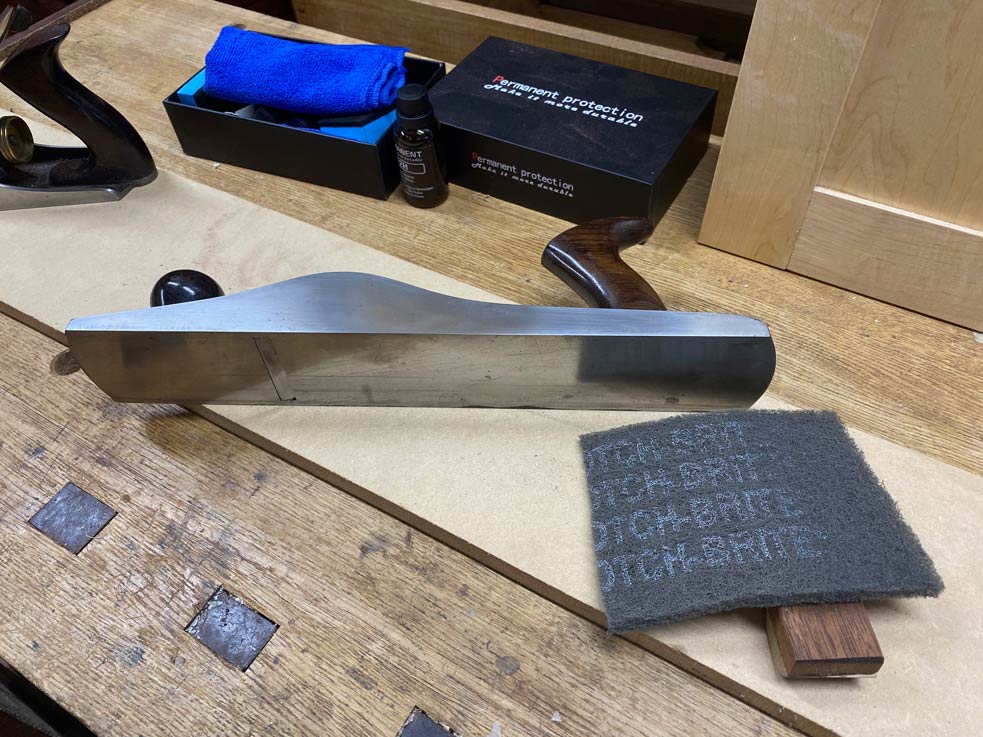
A thin protective coating helps prevent oxygen and moisture from reaching the metal surface. The coating should be light because excessive oil can attract dust or transfer onto wood projects.
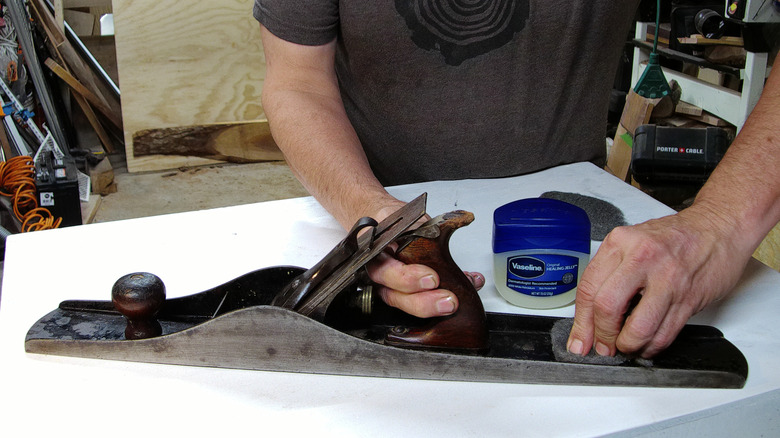
Common options include camellia oil, paste wax, and purpose-made corrosion protectants. The right choice depends on storage conditions and how frequently the plane is used.
Source: blog.axminstertools.com
Camellia oil
A lightweight tool oil commonly used for protecting woodworking tools without leaving a heavy residue.
Paste wax
Wax can protect metal surfaces and may also reduce friction when applied to the plane sole.
Long-term storage products
Tools stored for extended periods may benefit from stronger protective coatings designed for storage conditions.
How Much Oil or Wax Should You Use?
Apply only a thin film. The goal is to create a protective barrier, not leave the surface wet. After application, wipe away excess product with a clean cloth.
Correct result
The metal should feel smooth and protected without visible pools of oil.
Control Workshop Humidity and Storage Conditions
Environmental control is one of the most effective ways to prevent hand plane rust. Even a well-oiled plane can corrode if it is repeatedly exposed to damp air.
Woodworkers in humid regions should consider keeping tools inside cabinets, using desiccant packs, and avoiding storage directly on concrete floors or near exterior walls where condensation may occur.
Source: www.hunker.com
Use dry storage
Store hand planes in a cabinet, drawer, or toolbox away from moisture sources.
Avoid rapid temperature changes
Temperature swings can create condensation on cold metal surfaces.
How to Handle Existing Rust on a Hand Plane
Small surface rust spots can often be removed with gentle cleaning methods before they damage the tool. The approach depends on the severity of corrosion.
Avoid aggressive removal methods that unnecessarily remove metal from precision surfaces such as the sole or blade.
Source: beyondtools.com
Light surface rust
Use gentle abrasives or rust-removal products carefully and restore the protective coating afterward.
Deep corrosion
Severe pitting may affect performance and require more extensive restoration work.
Frequently Asked Questions
Q
What is the best oil for preventing hand plane rust?
Many woodworkers use lightweight protective oils such as camellia oil because they create a thin barrier without making the tool difficult to handle. The best option depends on storage conditions and personal preference.
Q
Should I oil my hand plane after every use?
Daily oiling is not always necessary. A quick wipe after use and periodic application of a protective coating is usually sufficient when tools are stored in a dry environment.
Q
Can paste wax prevent hand plane rust?
Paste wax can help protect metal surfaces by creating a moisture-resistant layer. It is commonly used on woodworking tools, including plane soles.
Q
Why does my hand plane rust even after applying oil?
Rust can still occur if the workshop has high humidity, if the protective layer wears away, or if moisture remains trapped under dust or debris.
Q
Where should I store hand planes to avoid rust?
Store hand planes in a dry cabinet, drawer, or toolbox away from damp floors and moisture sources. Climate control and humidity reduction are especially helpful in humid areas.
✦ Wrapping Up
Conclusion
Preventing hand plane rust comes down to consistent maintenance rather than complicated treatments. Cleaning after use, applying a suitable protective barrier, and storing tools in a controlled environment will keep metal surfaces in better condition.
A few minutes of routine care can protect the accuracy and lifespan of valuable woodworking tools while reducing the need for difficult restoration later.
💡 Key Takeaway
After each woodworking session, wipe your hand plane clean, remove moisture, apply a thin protective coating when needed, and store it in a dry location.