
Tool maintenance keeps equipment safe, sharp, reliable, and far cheaper to replace.
Keeping your tools in top shape is one of those habits that quietly saves time, money, and a lot of frustration. I have seen well-used tools last for years longer than expected just because they were cleaned, stored, and checked the right way. In this guide, I’ll walk you through The Ultimate Tool Maintenance Guide with practical steps, real-world tips, and simple routines that help your hand tools and power tools perform like they should.
Why Tool Maintenance Matters
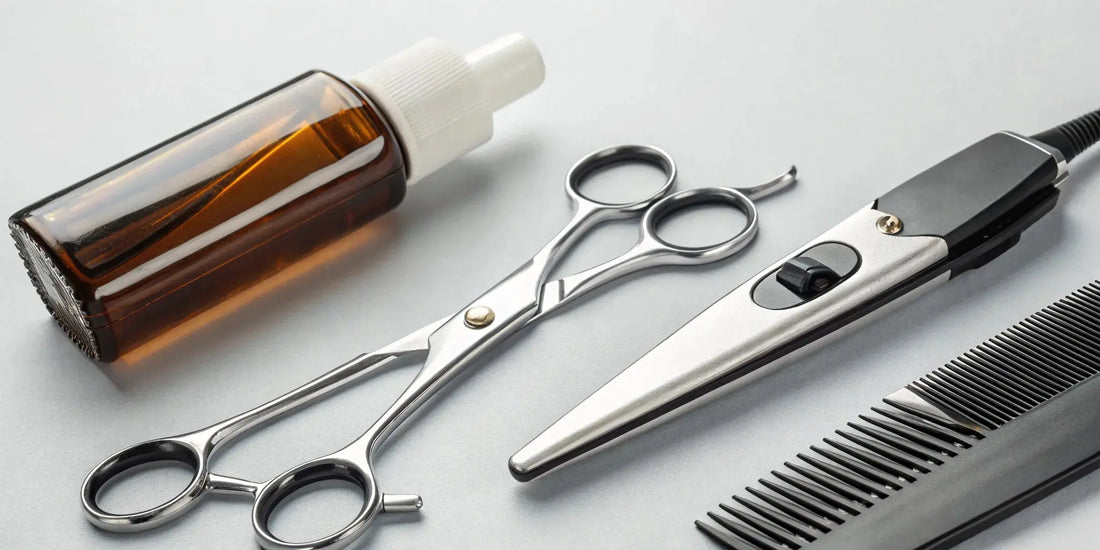
Tool maintenance is not just about making things look neat. It is about keeping every tool ready to do its job well, safely, and consistently. A dull blade, rusted wrench, or dusty power tool can slow you down and create avoidable risks.
Good maintenance also protects your investment. According to common industry guidance from tool makers and safety groups, regular cleaning, lubrication, inspection, and proper storage can extend tool life and reduce workplace accidents. That matters whether you are a DIY homeowner, a contractor, or someone who only uses tools on weekends.
A few benefits stand out right away:
• Better performance, because clean and sharp tools work with less effort
• Longer lifespan, because small issues are fixed before they become costly damage
• Safer use, because worn parts and loose components are easier to spot
• Lower costs, because you replace tools less often
• Faster work, because maintained tools are easier to grab and use
From my own experience, the biggest mistake people make is waiting until something breaks. By then, the repair is often harder, and sometimes the damage is permanent. The better habit is simple: inspect early, clean often, and store tools the right way.
Know Your Tools Before You Maintain Them
Not every tool needs the same care. A hammer and a table saw live very different lives, so they need different routines. The first step in The Ultimate Tool Maintenance Guide is learning what each tool requires.
Hand tools usually need basic cleaning, rust prevention, and safe storage. Cutting tools need sharpening and edge protection. Power tools need dust removal, cord checks, battery care, and occasional part replacement.
Here is a simple way to think about it:
• Hand tools: clean, dry, oil, and store
• Cutting tools: sharpen, protect edges, and check alignment
• Power tools: unplug, clean vents, inspect cords, and test moving parts
• Battery tools: charge correctly, store at moderate temperatures, and avoid full drain when possible
• Precision tools: calibrate, protect from moisture, and handle with care
The owner’s manual is still one of the most useful tools in the shop. It tells you what lubricant to use, how often to service the tool, and which parts are safe to replace. I have learned the hard way that guessing can cost more than taking five minutes to read the instructions.

Clean Tools the Right Way
Cleaning is the foundation of tool care. Dirt, sawdust, grease, and metal dust can wear parts down and hide damage. For The Ultimate Tool Maintenance Guide, cleaning should happen often, not once in a while.
Start by removing loose debris with a brush, microfiber cloth, or compressed air when appropriate. For sticky grime, use a mild cleaner that matches the tool material. Metal tools can usually handle a damp cloth and light solvent, while wood-handled tools need less moisture.
A good cleaning routine looks like this:
- Turn off and unplug the tool
- Remove dust, chips, and residue
- Wipe down all exterior surfaces
- Clean tight spots, vents, and moving joints
- Dry the tool fully before storage
Avoid soaking tools in water unless the manufacturer specifically allows it. Water can lead to rust, swelling, or electrical damage. I once ruined a small hand tool by rushing the cleaning process and leaving moisture trapped in the joint. It looked fine the next day, but the rust showed up soon after.
For power tools, pay extra attention to air vents, guards, and blade areas. Dust buildup can cause overheating, which shortens motor life. Clean tools are not just nicer to use. They are usually safer and more accurate too.

Prevent Rust Before It Starts
Rust is one of the most common enemies in tool maintenance. It spreads quietly and can weaken metal, jam moving parts, and damage precision surfaces. The best defense is prevention.
Store metal tools in a dry place with steady airflow. If you live in a humid area, use silica gel packs, dehumidifiers, or rust-inhibiting storage products. A thin coat of light oil or protective spray can also help create a barrier against moisture.
Simple rust prevention habits include:
• Wiping tools dry after use
• Applying protective oil to bare metal surfaces
• Keeping tools off damp floors
• Using sealed storage for sensitive items
• Checking tools after seasonal weather changes
If rust has already started, do not panic. Light rust can often be removed with a wire brush, fine steel wool, or a rust remover made for tools. The key is to act early. Once corrosion gets deep, the surface may be permanently damaged.

Sharpen Cutting Tools for Better Results
Dull blades are frustrating and dangerous. They need more pressure, slip more easily, and often leave rough cuts. In The Ultimate Tool Maintenance Guide, sharpening is one of the most valuable habits you can build.
This applies to knives, chisels, saw blades, pruning shears, drill bits, and many other cutting tools. Sharp tools do cleaner work and reduce strain on your hands and equipment. That also means less fatigue during long jobs.
A few sharpening basics:
• Use the right sharpener for the tool type
• Follow the correct angle
• Work slowly and evenly
• Test the edge safely after sharpening
• Clean off metal filings when finished
Not every blade should be sharpened the same way. A hand plane iron, for example, needs a different edge than a utility knife. If you are unsure, start with the tool manual or a reliable sharpening guide from the manufacturer.
I have noticed that most people wait too long to sharpen. They keep pushing a dull edge because it still “sort of works.” That habit usually leads to worse results, more force, and sometimes damage to the tool itself. Sharpen sooner than you think you need to.
Lubricate Moving Parts
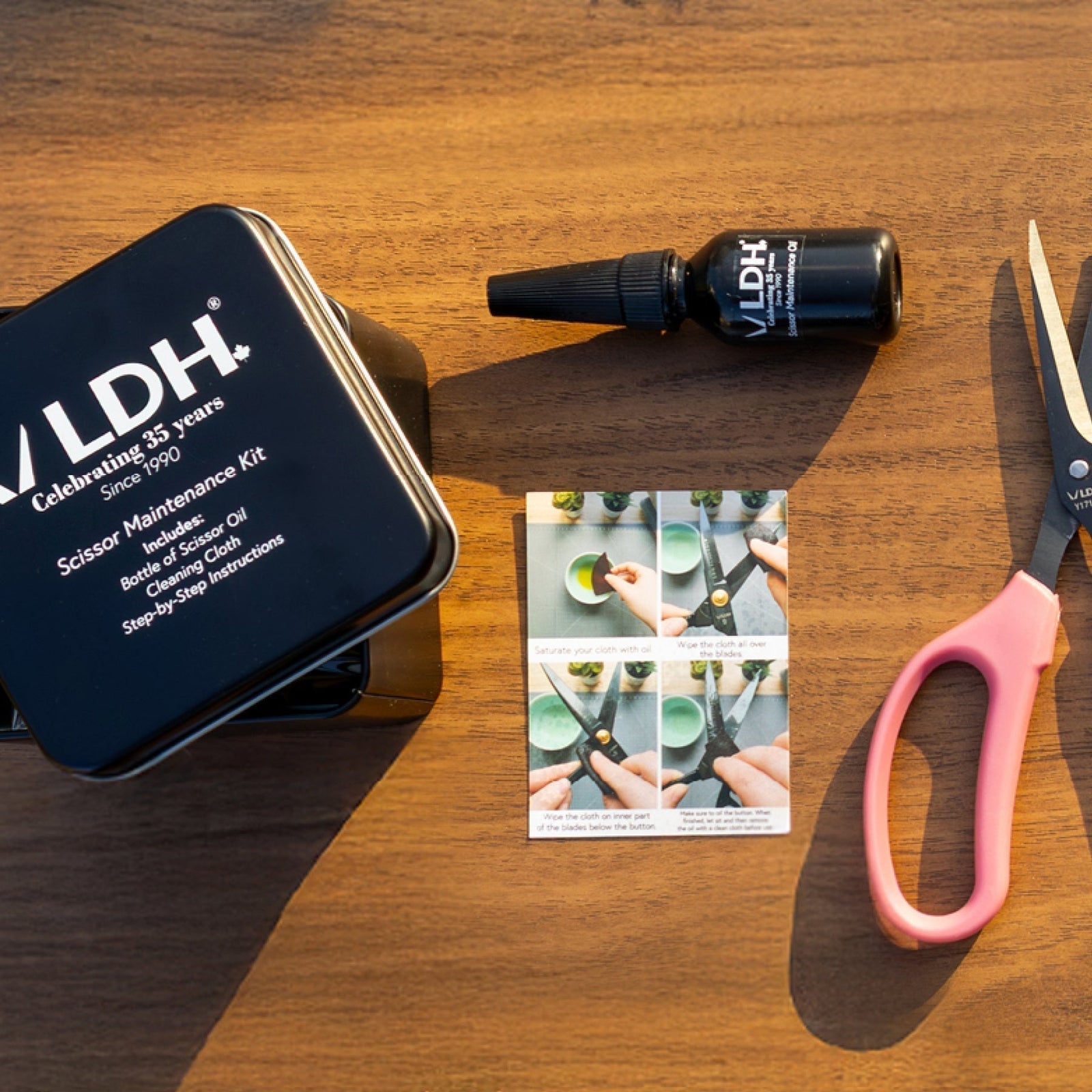
Friction is the silent wear factor in many tools. Hinges, gears, joints, and sliding parts all benefit from proper lubrication. This is a core part of The Ultimate Tool Maintenance Guide because it keeps movement smooth and reduces wear.
Use only the lubricant recommended for your tool. Too much oil can attract dust, while the wrong product can damage plastic or rubber parts. A small amount often goes a long way.
Where lubrication usually helps:
• Pliers and snips
• Adjustable wrenches
• Ratchets and sockets
• Door hardware tools
• Saw guides and rails
• Power tool moving assemblies
Before applying lubricant, clean the part first. Old grease mixed with dirt can act like grit and make wear worse. Then apply a small amount and move the tool through its range so the lubricant spreads evenly.
One lesson I learned early: more oil is not better. A thin, clean layer works far better than a sticky mess that collects dust. Think of lubricant like sunscreen, not soup.

Inspect for Damage Before Every Job
A fast inspection can prevent a bad day on the job. The Ultimate Tool Maintenance Guide is not only about cleaning after use. It is also about checking tools before you use them.
Look for cracks, loose screws, bent parts, frayed cords, chipped blades, and missing guards. If a tool feels different in your hand, trust that feeling. Small changes often show up before major failure.
Use this inspection checklist:
- Check the body for cracks or warping
- Test moving parts for smooth action
- Look at cords, plugs, and switches
- Confirm blades and bits are secure
- Make sure guards and safety parts are in place
Do not use damaged tools just to finish one more task. That shortcut can lead to poor results or injury. In my experience, the best crews are the ones that stop and inspect without complaint. It takes a little time, but it pays back in fewer surprises.
Care for Power Tools and Battery Tools
Power tools need a more careful routine because they include motors, electrical parts, and sensitive components. Dust, heat, and poor storage are the biggest threats. For battery tools, charging habits matter just as much as physical care.
Keep vents clean so the motor can breathe. Check cords for cuts and weak spots. Make sure switches work properly and the tool starts and stops as expected. After use, let the tool cool down before storing it.
For batteries, follow these best practices:
• Store batteries in a cool, dry place
• Avoid extreme heat and freezing temperatures
• Use the charger made for that battery
• Do not leave batteries on the charger longer than needed
• Rotate battery use when possible
Many battery makers recommend keeping lithium-ion batteries at partial charge for longer storage. That is usually better than storing them completely full or empty for long periods. If you are not sure, check the manual first, since battery chemistry and product design can differ.
Power tool maintenance is one area where a little discipline makes a big difference. Clean vents, healthy batteries, and careful charging habits can dramatically improve long-term performance.
Store Tools the Smart Way
Storage is where good maintenance either sticks or falls apart. You can clean and oil tools perfectly, but if they sit in damp, crowded, or dirty spaces, damage will still happen. A smart storage setup is part of The Ultimate Tool Maintenance Guide because it protects the work you already did.
Aim for a dry, organized, and easy-to-reach space. Tools should not rub against each other or sit in standing moisture. If possible, hang hand tools or place them in labeled drawers, cases, or racks.
Good storage habits include:
• Keeping tools dry before putting them away
• Using labeled bins or shadow boards
• Storing sharp tools with blade guards
• Separating chemicals from metal tools
• Avoiding direct floor contact in garages or sheds
I have seen a simple pegboard save more time than a fancy cabinet. When tools have a clear home, people use them more carefully and return them more often. That alone can reduce damage and lost tools.
Build a Simple Maintenance Schedule
The easiest maintenance plan is the one you will actually follow. You do not need a complicated system to get results. A simple schedule built around use frequency is enough for most people.
Try this approach:
• After each use: wipe clean, dry, and store properly
• Weekly: inspect high-use tools and sharpen if needed
• Monthly: check rust, lubrication, cords, and fasteners
• Seasonally: deep clean, calibrate, and review storage conditions
• Annually: service major tools and replace worn parts
If you use tools every day, shorten the cycle. If you use them only once in a while, inspect them before and after each project. A calendar reminder can help, but so can attaching maintenance to another habit, like cleaning up your workspace on Friday.
The main goal is consistency. A little care done often is far easier than a massive repair later.
Common Tool Maintenance Mistakes to Avoid
Even careful people make mistakes. The good news is that most tool problems are preventable. Once you know the common traps, it is easier to avoid them.
Some of the biggest mistakes include:
• Leaving tools dirty after use
• Storing metal tools while damp
• Using the wrong lubricant or cleaner
• Ignoring small cracks or loose parts
• Over-sharpening and removing too much material
• Using batteries with the wrong charger
• Tossing tools into a pile where edges get damaged
Another common issue is skipping the manual. I know it sounds boring, but each tool has its own rules. What works for one brand or model may not be right for another. When in doubt, verify before you guess.
A useful mindset is to think of maintenance like brushing your teeth. It is much easier to do a little every day than to fix a big problem later.
Frequently Asked Questions of The Ultimate Tool Maintenance Guide
How often should I maintain my tools?
It depends on how often you use them. Tools used daily should be cleaned and checked after each use, while occasional tools still need inspection before and after projects.
What is the most important part of tool maintenance?
Cleaning is the most important because it prevents rust, wear, and hidden damage. After that, lubrication, sharpening, and proper storage do the most to extend tool life.
Can I use household oil on all tools?
Not always. Some tools need specific lubricants, and the wrong oil can attract dust or damage parts, so it is best to check the manual first.
How do I stop tools from rusting in a garage?
Keep them dry, use a dehumidifier if needed, and store them off the floor. A light protective oil or rust-prevention product can also help protect exposed metal.
Do battery tools need maintenance too?
Yes, battery tools need just as much care as corded tools. Clean the vents, store batteries properly, and use the correct charger to help preserve performance and battery life.
Conclusion
The Ultimate Tool Maintenance Guide is really about one thing: protecting your tools so they keep protecting your work. When you clean, inspect, sharpen, lubricate, and store tools the right way, you get better results and fewer headaches. That small routine can save real money, time, and effort over the long run.
The best part is that you do not need to do everything at once. Start with one habit, like wiping tools down after use or checking cords before a job, and build from there. If you found this guide helpful, save it for later, share it with someone who keeps a toolbox nearby, or leave a comment with your own maintenance tip.