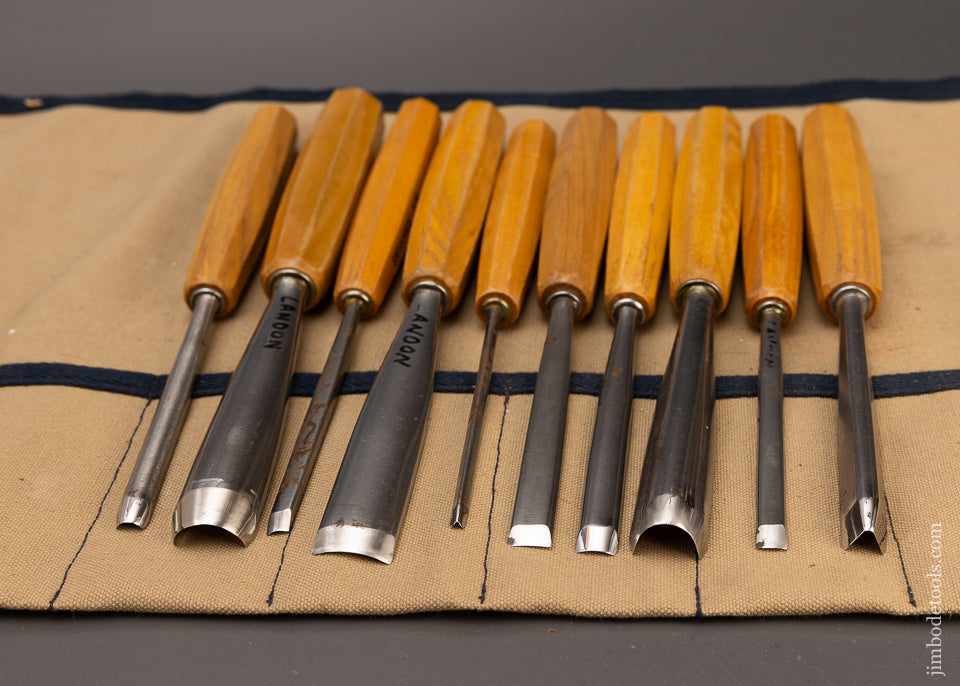
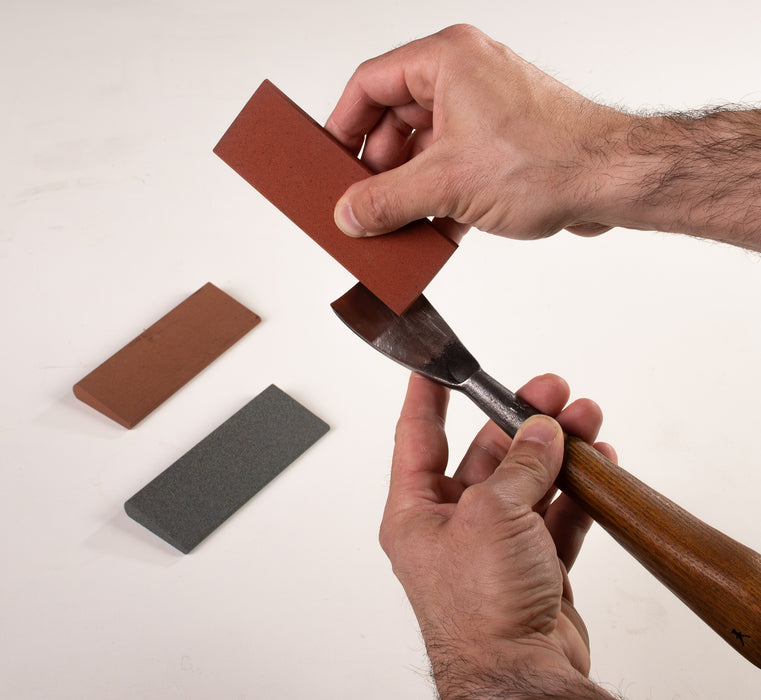
Carving gouge honing refines the sharpened edge of a gouge by removing tiny imperfections and polishing the bevel so the tool cuts wood smoothly and predictably.
In American woodworking shops, from small garage carving benches to professional studios, sharp gouges are essential for clean cuts, detailed relief work, and controlled shaping. Carving gouge honing is the finishing stage that follows sharpening and helps a properly shaped edge perform at its best.
Honing does not replace sharpening. Instead, it improves an already formed edge by using fine abrasives such as water stones, slip stones, ceramic stones, or leather strops with compound. The goal is a refined cutting edge that reduces tearing, requires less force, and gives the carver better control.
Source: finewoodworking.com
What Is Carving Gouge Honing?
Carving gouge honing is the process of refining a gouge edge after sharpening. Sharpening creates the cutting geometry by removing steel, while honing smooths microscopic scratches, removes a remaining burr, and polishes the edge.
A carving gouge has a curved cutting profile, so honing must follow the shape of the tool. Flat sharpening stones alone cannot properly reach every part of a curved flute.
Source: jimbodetools.com
Sharpening
Creates or restores the primary bevel and cutting angle by removing more metal.
Honing
Refines the edge with finer abrasives for smoother cutting performance.
Why Honing Matters for Wood Carving
A properly honed gouge enters wood more easily because the edge has fewer microscopic defects that create friction and tearing.
Cleaner cuts
A refined edge helps produce smoother surfaces and sharper details.
Better control
Less pushing force allows more precise carving movements.
Tools Needed for Honing Carving Gouges
The correct honing setup depends on the gouge profile and the condition of the edge. Most carvers use a combination of fine abrasives and shaped tools rather than one universal stone.
A basic setup can include a fine sharpening stone, a slip stone for the inside curve, and a leather strop for final polishing.
Source: wikimedia.org
Slip stone
A shaped stone that fits the inside curve of a gouge flute.
Leather strop
A flexible surface used with polishing compound to refine the final edge.
Fine abrasive stone
Used to remove small scratches left from coarser sharpening stages.
How to Hone a Carving Gouge Step by Step
Before honing, make sure the gouge already has the correct bevel shape. Honing a badly shaped edge will only polish the wrong geometry.
Work slowly and maintain the existing bevel angle. The goal is consistency, not removing large amounts of steel.
Source: sharpeningsupplies.com
Step 1: Clean the tool
Remove dust, resin, and old compound before starting.
Step 2: Hone the outside bevel
Keep the bevel flat against the abrasive while following the curve of the gouge.
Step 3: Hone the inside flute
Use a matching slip stone or shaped strop to refine the inner surface.
Step 4: Strop the edge
Use light pulling strokes to polish the cutting edge and remove remaining burrs.
How to Know the Gouge Is Properly Honed
A properly honed gouge should have a clean reflective bevel, no visible damaged spots, and should cut smoothly when tested on suitable scrap wood.
Visual check
The edge should appear even without bright flat spots along the cutting line.
Cutting check
The tool should slice rather than crush or tear the wood fibers.
Common Carving Gouge Honing Mistakes
Many edge problems come from changing the tool shape during honing or using the wrong abrasive profile. Honing should be a controlled finishing process.
Source: woodmagazine.com
Using too much pressure
Heavy pressure can round the edge and remove unnecessary steel.
Ignoring the inside curve
The flute must also be refined because the inner surface supports clean cutting.
Honing a damaged edge without reshaping
Large chips or incorrect bevels usually require sharpening before honing.
Frequently Asked Questions
Q
How often should I hone a carving gouge?
Many carvers hone frequently during use, sometimes after each carving session. Regular light honing helps maintain the edge and reduces the need for major sharpening.
Q
Can I hone a carving gouge with a flat stone?
A flat stone can refine parts of some gouges, but curved gouges usually need shaped abrasives to properly reach the inside profile.
Q
What grit should I use for gouge honing?
Fine abrasives are generally used for honing because the goal is edge refinement rather than removing large amounts of metal.
Q
Why does my gouge still cut poorly after honing?
Possible causes include an incorrect bevel angle, remaining burrs, damaged steel, or a profile that does not match the carving task.
Q
Do all carving tools need the same honing method?
No. Straight chisels, V-tools, shallow gouges, and deep gouges have different shapes and may require different abrasive profiles.
✦ Wrapping Up
Conclusion
Carving gouge honing is a precision maintenance step that turns a sharpened tool into a refined cutting instrument. The process depends on preserving the correct edge geometry while using abrasives that match the tool profile.
For American woodworkers and hobby carvers, a consistent honing routine can improve carving control, reduce frustration, and extend the useful life of quality gouges.
💡 Key Takeaway
Start with a properly shaped edge, use a matching slip stone or strop, and hone lightly and regularly instead of waiting until the gouge becomes difficult to use.