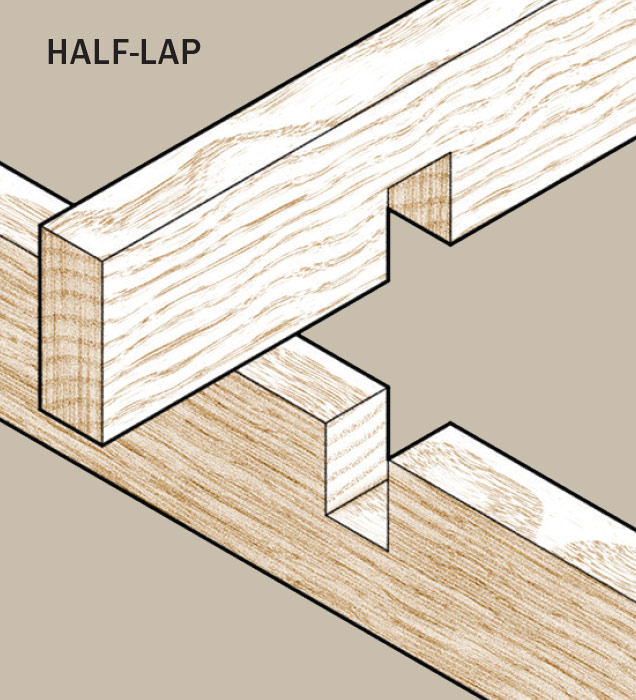
An end lap joint is a woodworking connection where two pieces of wood overlap at their ends after removing matching sections of material. The joint creates a flush connection and is commonly used for frames, braces, and timber assemblies.
In U.S. woodworking shops, end lap joints are a common beginner-to-intermediate joinery technique because they combine simple cutting methods with useful structural benefits. The joint works by removing part of each board end so the two pieces fit together at the same overall thickness.
The quality of an end lap joint depends on accurate layout, consistent cutting depth, and proper alignment. When correctly made, the joint provides a larger glue surface than a basic butt joint and can resist movement in many frame-building applications.
Source: slideserve.com
What Is an End Lap Joint?
An end lap joint is a type of lap joint where the overlap occurs at the end of one or both workpieces. Each piece has a section removed so the two parts fit together without increasing the combined thickness.
Unlike a simple butt joint, an end lap joint increases the contact area between the pieces. This allows more surface area for adhesive bonding and creates a more stable mechanical connection.
Source: schoolofwoodwork.com
Main purpose
The joint connects two pieces while keeping the final assembly relatively flat and aligned.
Common materials
It is mainly used with wood but similar overlapping concepts can appear in other materials.
How an End Lap Joint Works
The joint works by creating two matching recesses, often called cheeks, that overlap when assembled. The removed depth is usually planned so the joined pieces sit flush with each other.
For equal thickness boards, each piece commonly has about half of its thickness removed. The exact measurement depends on the material size, design requirements, and intended use.
Source: finewoodworking.com
Load distribution
The overlap spreads forces across a larger area compared with a simple end-to-end connection.
Alignment benefit
The shoulders of the joint help keep pieces positioned correctly during assembly.
End Lap Joint vs Half Lap Joint
An end lap joint is a specific application of the broader lap joint family. A half lap can occur at the middle of boards or at their ends, while an end lap specifically refers to the joint location being at the end of the members.
End lap
Used when joining pieces from their ends, often for frames or extensions.
Cross lap
Used when pieces intersect away from their ends.
How to Make an End Lap Joint
Making an end lap joint requires careful measurement before cutting. The basic process involves marking the overlap area, removing waste material, testing the fit, and finishing the joint.
Use sharp tools and verify measurements before removing material. A joint that is slightly too deep may create a weak connection or leave an uneven surface.
Source: popularwoodworking.com
Step 1: Measure and mark
Mark the joint length and cutting depth on both pieces using a square and marking tool.
Assemble the pieces dry before applying glue or fasteners.
Strength, Uses, and Limitations of End Lap Joints
End lap joints are useful for many woodworking projects because they are simple to create and provide good alignment. They are often found in frames, supports, and basic structural assemblies.
The joint is not suitable for every application. Projects exposed to high loads, twisting forces, or changing environmental conditions may require stronger joinery or additional reinforcement.
Source: thewoodworkingminimalist.com
Advantages
Simple layout, easy construction, and increased glue surface compared with butt joints.
Limitations
Material removal reduces the original strength of each piece and may require reinforcement.
Common End Lap Joint Mistakes
Most end lap joint failures happen because of inaccurate measurements, uneven cuts, or poor surface preparation. Checking the fit before final assembly helps prevent these problems.
Source: finewoodworking.com
Incorrect depth
A joint cut too deep creates an uneven surface and reduces material strength.
Loose fit
Large gaps reduce glue effectiveness and can allow movement.
Skipping dry fitting
Testing the joint before glue reveals problems while corrections are still easy.
Frequently Asked Questions
Q
What is the main advantage of an end lap joint?
The main advantage is that it creates a larger bonding area and better alignment than a basic butt joint while remaining relatively simple to make.
Q
What tools can be used to cut an end lap joint?
Common tools include hand saws, chisels, routers, and table saw setups. The best choice depends on the required accuracy and available equipment.
Q
How deep should an end lap joint be cut?
For equal thickness boards, the cut is often around half the thickness of each piece so the assembled joint remains flush. The exact depth depends on the project design.
Q
Can an end lap joint be used for structural projects?
It can be used in some framing and support applications, but heavily loaded structures may require engineering considerations or additional reinforcement.
Q
Why does my end lap joint have gaps?
Gaps usually come from inaccurate marking, uneven cuts, or removing too much material. Rechecking measurements and improving cutting control can help.
✦ Wrapping Up
Conclusion
End lap joints are a practical woodworking connection that teaches important joinery skills including measurement, cutting accuracy, and fitting. Their simple design makes them useful for many frame and support projects.
A successful end lap joint depends more on precision than complexity. Careful layout, controlled cutting, and proper assembly create a reliable connection for suitable woodworking applications.
💡 Key Takeaway
Before cutting your final pieces, practice the layout on scrap wood and confirm that the joint fits flush without forcing the parts together.