
A Finish Compatibility Guide is a practical tool for homeowners, builders, woodworkers, and professionals who need reliable surface results. Different finishes react differently when placed together. A coating that works well on bare wood may fail over paint, metal, plastic, or another sealed surface.
From my experience working with finishing projects, most problems happen because people focus on color and appearance first. The surface condition, chemical makeup, and curing process often decide whether a finish will succeed. A careful compatibility check saves time, money, and repair work.

What Is Finish Compatibility and Why Does It Matter?
Finish compatibility means two or more finishing products can work together without causing damage or poor performance. It covers how a new finish bonds with a surface and how layers react over time.
In the United States, many home improvement projects involve mixing products from different brands. A homeowner may apply a new clear coat over stained wood or replace cabinet hardware with a different metal finish. Each combination needs careful evaluation.
- ✦ Better adhesion
Compatible finishes create a stronger bond and reduce peeling or flaking.
- ✦ Longer protection
The correct finish combination helps surfaces resist wear, moisture, and daily use.
- ✦ Improved appearance
Compatible layers maintain color, texture, and shine.
Common Signs of Poor Compatibility
A failed finish often shows visible warning signs. Bubbling, cracking, cloudiness, and sticky surfaces usually mean the products do not work well together.
These issues can appear immediately or after months of use. Testing before a complete application remains one of the safest methods.
- ✦ Peeling finish
The top layer separates because it cannot bond correctly.
- ✦ Surface discoloration
Chemical reactions can change the original color.
Understanding Different Types of Finishes
A Finish Compatibility Guide starts with understanding the type of finish you want to use. Finishes can protect surfaces, improve appearance, or provide special functions such as water resistance.
Wood, metal, plastic, and painted surfaces often need different solutions. The same product may perform well on one material but fail on another.

- ✦ Wood finishes
Common examples include oil finishes, polyurethane, lacquer, shellac, and water-based coatings.
- ✦ Metal finishes
Metal surfaces may use powder coating, plating, paint, or protective sealers.
- ✦ Architectural finishes
Home surfaces often use paints, stains, and decorative coatings.
Wood Finish Compatibility Basics
Woodworkers often combine stains, sealers, and topcoats. The first layer must allow the next layer to attach properly.
For example, applying a water-based coating over an incompatible oil surface without preparation may create bonding problems.
- ✦ Check curing time
A previous layer must fully cure before adding another finish.
How to Match Existing and New Finishes
Matching finishes requires more than choosing a similar color. Texture, gloss level, material type, and chemical properties all affect the final result.
A good Finish Compatibility Guide process begins by identifying the current surface. Look at the existing coating, age, damage, and cleaning history before choosing a new product.
- ✦ Identify the base surface
Determine whether the surface is wood, metal, plastic, glass, or another material.
- ✦ Review product labels
Manufacturers usually provide important compatibility information.
- ✦ Perform a test patch
A small hidden test area can confirm whether products work together.
Matching Hardware and Decorative Finishes
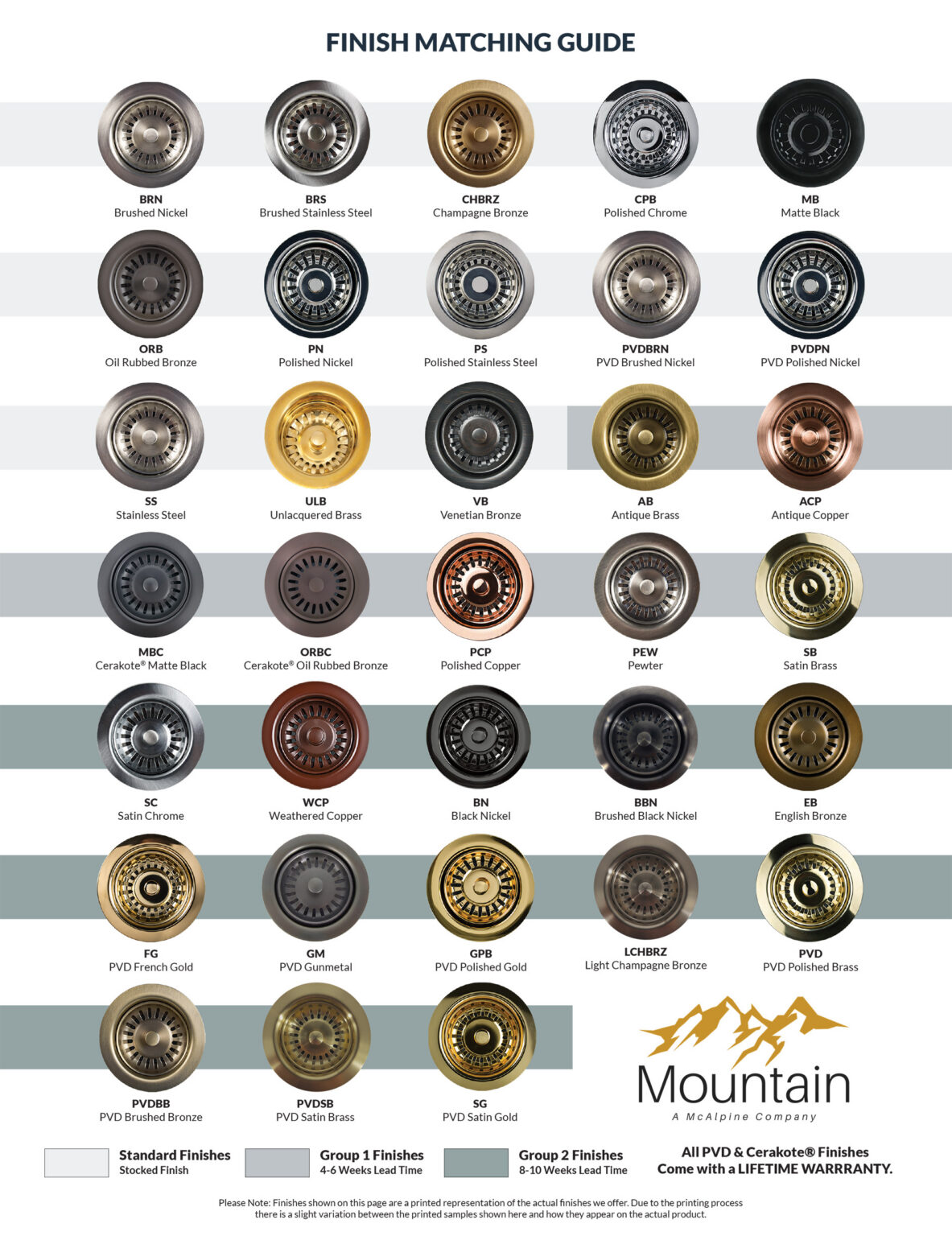
Modern homes often combine different hardware finishes in kitchens and bathrooms. Matte black, brushed nickel, chrome, and brass each create different visual effects.
A Finish Compatibility Guide helps homeowners create balanced designs without unwanted clashes.
- ✦ Match the style
Choose finishes that support the overall room design.
Finish Compatibility for Metal Surfaces
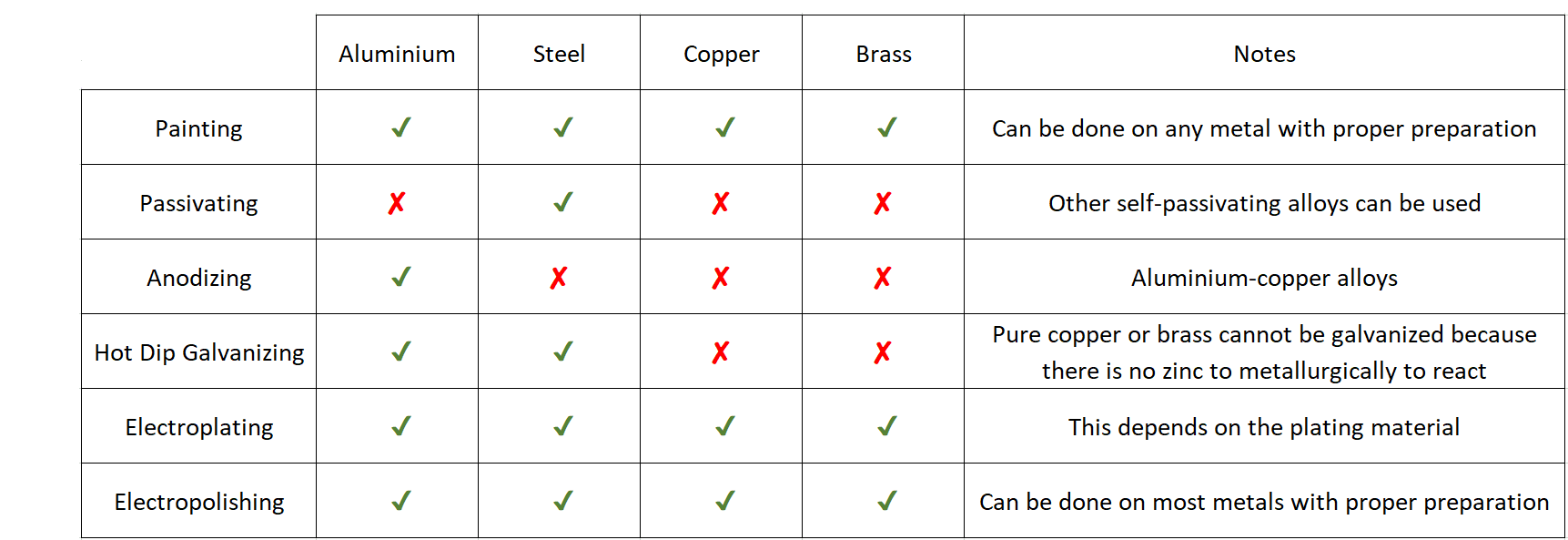
Metal finishing requires careful selection because different metals and coatings can react with each other. Moisture, chemicals, and outdoor exposure can increase these risks.
A proper Finish Compatibility Guide helps professionals select coatings that protect metal while maintaining appearance.
- ✦ Consider corrosion risks
Some metal combinations can create corrosion problems when exposed to moisture.
- ✦ Choose suitable coatings
The coating must match the metal type and environment.
Outdoor Metal Finish Selection
Outdoor surfaces face sunlight, rain, temperature changes, and pollution. These conditions require stronger protective finishes.
A finish that works indoors may not provide enough protection outside.
- ✦ Weather resistance
Outdoor finishes should handle changing weather conditions.
Common Finish Compatibility Mistakes to Avoid
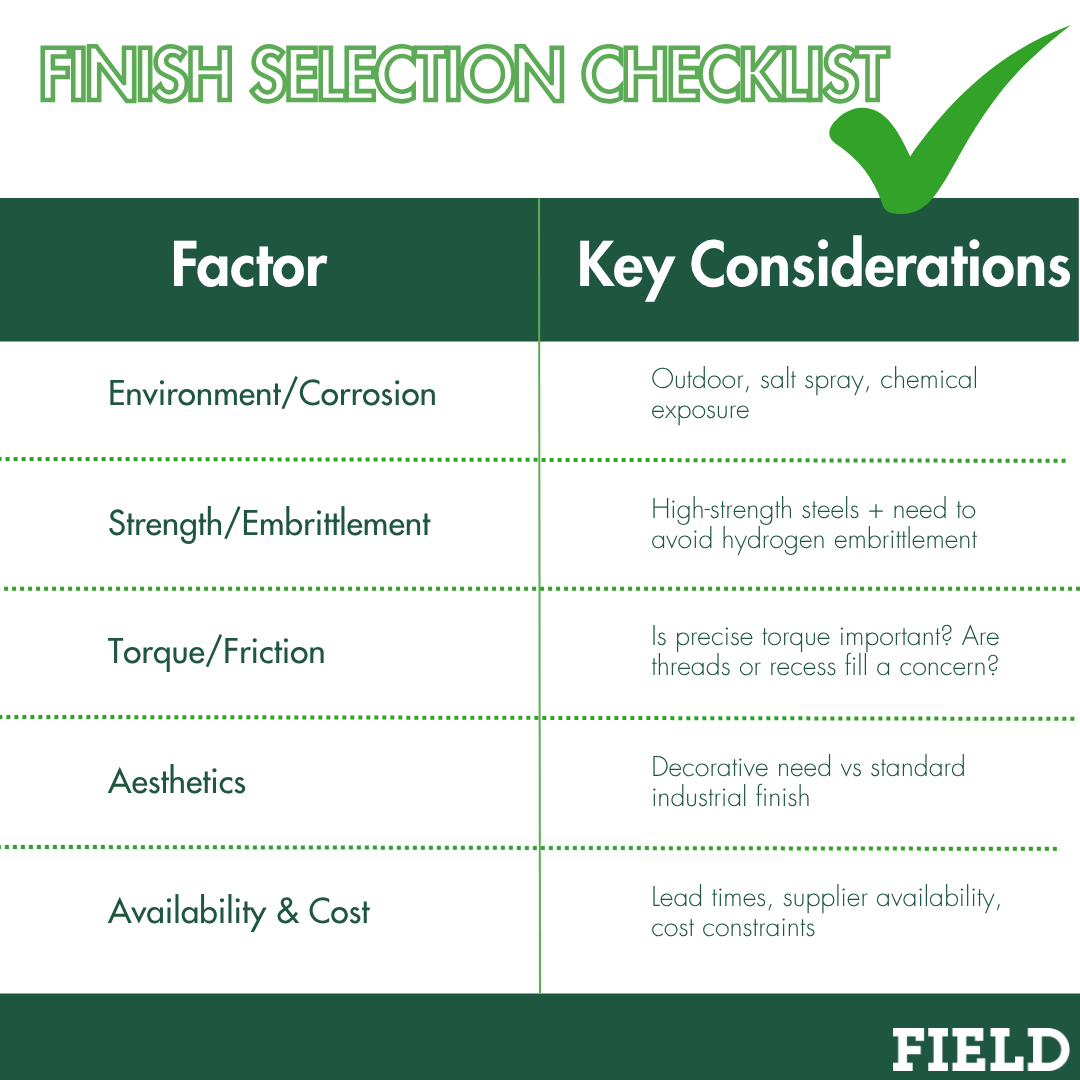
Many finishing failures come from simple mistakes. Rushing preparation or ignoring manufacturer instructions can damage an otherwise good project.
A careful approach helps avoid expensive corrections and improves the final appearance.
- ✦ Skipping surface preparation
Dust, grease, and old coatings can prevent proper bonding.
- ✦ Mixing unknown products
Unknown chemical reactions may create unexpected problems.
- ✦ Ignoring drying times
Each layer needs enough time to cure properly.
Professional Tips for Better Results
Experienced finishers usually document the products they use. This makes future repairs easier and prevents accidental mixing of incompatible materials.
Keeping product names, dates, and application notes creates a useful maintenance record.
- ✦ Keep records
Write down product details for future reference.