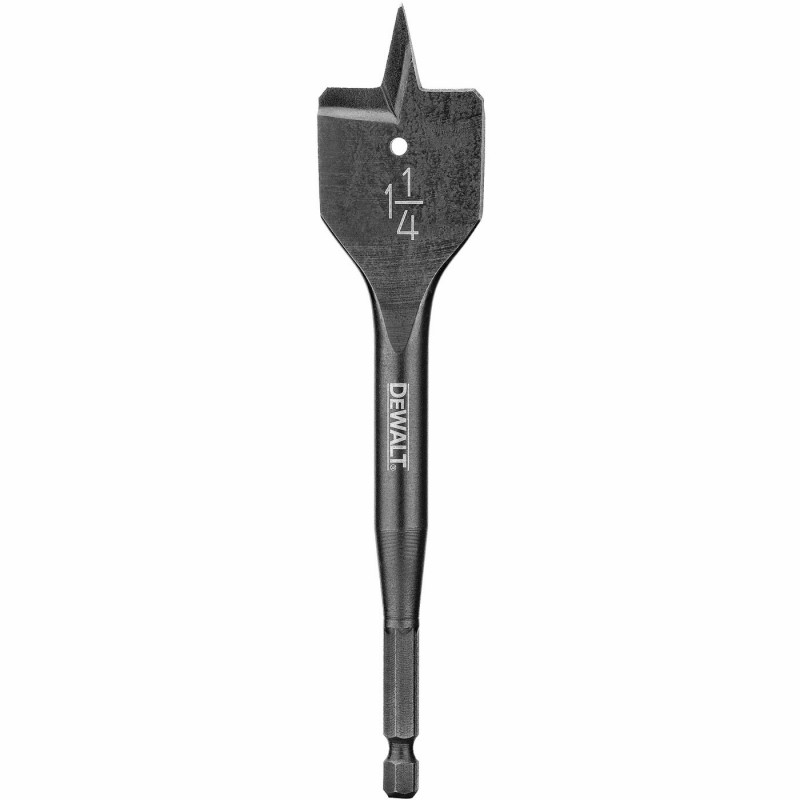
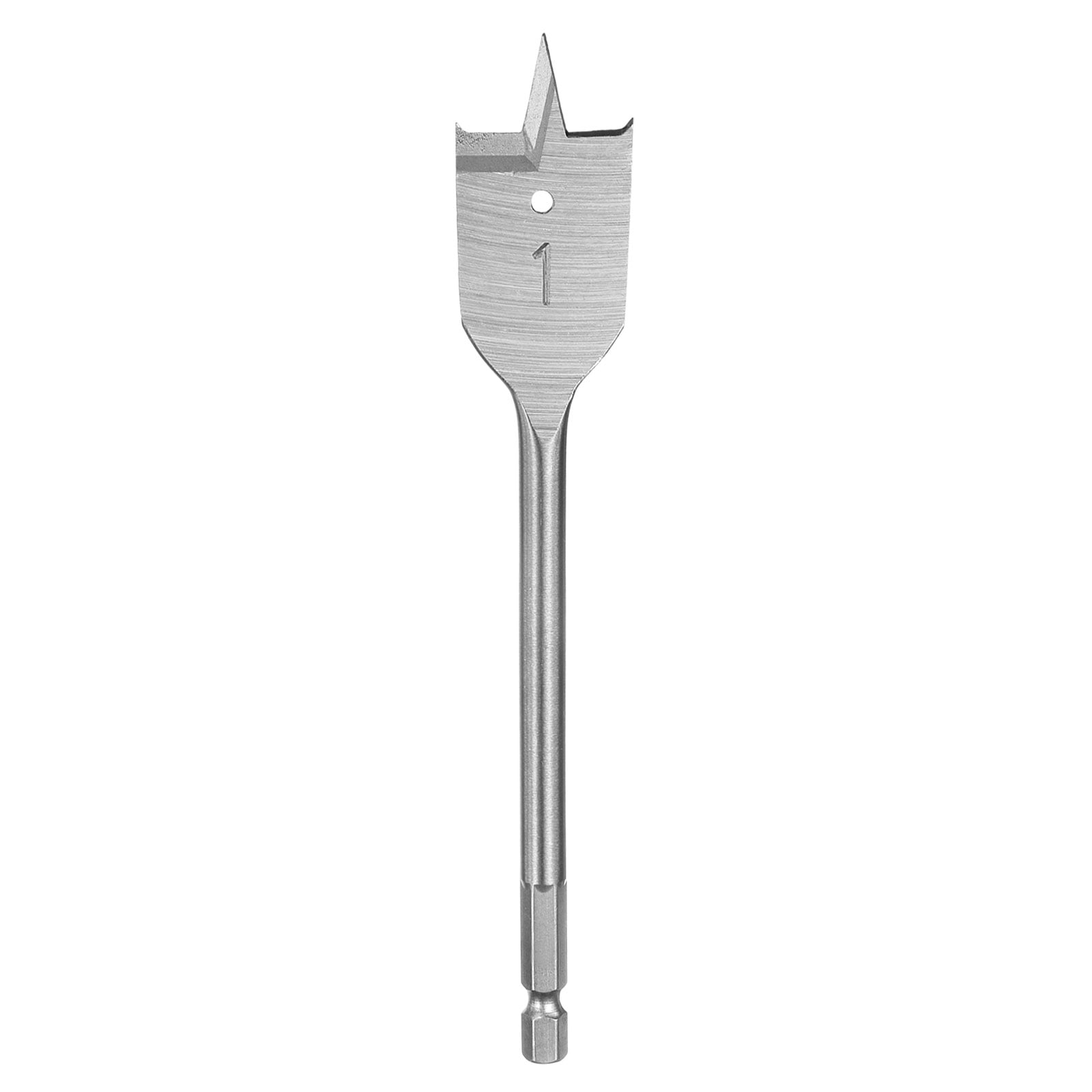
A spade bit is a flat wood-drilling bit designed to quickly bore large holes through materials such as lumber, plywood, and other wood products.
In the United States, spade bits are commonly used by DIY homeowners, electricians, remodelers, and carpenters for projects that require fast holes for wiring, plumbing routes, hardware installation, or general woodworking. Their flat paddle-shaped design allows them to remove wood quickly, although they are usually chosen for speed rather than the cleanest possible finish.
A good spade bit choice depends on the hole size, wood type, drill power, and the quality of the finished hole you need. Understanding bit sizes, cutting features, drilling methods, and limitations helps prevent tear-out, overheating, and inaccurate holes.
Source: ebay.com
What Is a Spade Bit and How Does It Work?
A spade bit, also called a paddle bit, is a wood boring drill bit with a flat blade, a pointed center tip, and cutting edges on both sides. The center point helps position the bit while the outer edges cut a wider path through the material.
When attached to a power drill, the rotating blade removes chips of wood and creates a round hole. Because the design removes a large amount of material quickly, spade bits are commonly used when drilling speed matters more than a highly polished hole surface.
Source: sydneytools.com.au
Center point
The pointed tip helps start the hole and keeps the bit aligned during drilling.
Flat cutting blade
The wide blade creates larger diameter holes with fewer drilling passes.
Hex shank
Many spade bits use a hex-shaped shank to reduce slipping inside a drill chuck.
Where Are Spade Bits Commonly Used?
Spade bits are frequently used for drilling holes through studs, framing lumber, cabinets, doors, and other wood materials. Electricians often use them when creating pathways for cables and wires.
Wood framing
Useful for quickly creating holes in construction lumber.
Cable routing
Often used when openings are needed for electrical wires.
Choosing the Right Spade Bit Size
Spade bits are available in many diameters, commonly ranging from small sizes for light tasks to larger sizes for cable and pipe openings. Choose a diameter based on the hole requirement rather than simply selecting the largest available bit.
For example, a smaller hole may work for a screw or thin wire, while larger holes are often needed for electrical cable runs or hardware installation.
Source: amazon.com
Small sizes
Suitable for lighter woodworking tasks and smaller openings.
Medium sizes
Common for general DIY projects and construction work.
Large sizes
Used when larger openings are required for cables, pipes, or fittings.
Spade Bit Size Selection Example
If a project requires a hole for a cable sleeve that measures approximately 1 inch in diameter, a 1-inch spade bit may be appropriate. The final choice should consider clearance requirements and the material thickness.
How to Use a Spade Bit Correctly
Using a spade bit correctly improves hole accuracy and reduces damage to the wood surface. The process starts with selecting the correct bit, securing the workpiece, and drilling at a controlled speed.
Before drilling, make sure the bit is sharp, the drill has enough power, and the material is supported to reduce movement.
Source: tihsa.com
Step 1: Mark the drilling location
Use a pencil or marking tool to identify the exact center of the hole.
Step 2: Position the center point
Place the tip on the mark before starting the drill.
Step 3: Drill steadily
Apply consistent pressure and avoid forcing a dull bit through the material.
Step 4: Support the exit side
Use scrap wood behind the workpiece to reduce breakout when the bit exits.
Signs You Are Drilling Correctly
A properly used spade bit should create a round hole without excessive burning, vibration, or aggressive tearing around the edges.
Smooth rotation
The drill runs without excessive shaking or resistance.
Controlled chip removal
Wood chips leave the hole without clogging the cutting area.
Common Spade Bit Problems and Solutions
Most spade bit problems come from using the wrong bit, drilling technique, or material support. Checking the cause before replacing the bit can solve many issues.
Source: lowes.com
Problem: Splintered hole edges
Cause: The bit breaks through the opposite side without support. Solution: Clamp scrap wood behind the drilling area.
Problem: Bit overheating
Cause: Excessive pressure or a dull cutting edge. Solution: Reduce force and allow the bit to cut at its intended speed.
Problem: Wandering hole position
Cause: Poor starting alignment. Solution: Use the center point carefully before drilling.
When Not to Use a Spade Bit
A spade bit may not be the best choice when you need extremely clean edges, precise depth control, or holes in materials other than wood. For fine furniture work, other wood boring tools may provide better results.
Spade Bit Maintenance and Safety Tips
Maintaining spade bits helps preserve cutting performance and reduces drilling problems. Clean sawdust from the bit after use and store bits where the cutting edges will not be damaged.
Always wear appropriate eye protection when drilling because wood chips and debris can be thrown from the cutting area.
Source: walmartimages.com
Keep edges sharp
A sharp cutting edge reduces heat buildup and improves drilling efficiency.
Store properly
Use a case or holder to protect cutting surfaces.
Inspect before use
Replace damaged bits that show cracks, bends, or severe wear.
Frequently Asked Questions
Q
Can a spade bit drill through metal?
Standard spade bits are designed mainly for wood and should not be used for drilling metal. Using them on unsuitable materials can damage the bit and create unsafe conditions.
Q
Are spade bits better than twist drill bits for wood?
Spade bits are usually better when you need fast, larger holes in wood. Twist drill bits may be better for smaller holes or applications requiring more versatility.
Q
Why does my spade bit create rough holes?
Rough holes can result from a dull bit, excessive drilling pressure, high speed, or lack of support behind the material.
Q
Can I sharpen a spade bit?
Yes, many spade bits can be sharpened with suitable files or sharpening tools. The cutting edges should remain balanced so the bit rotates evenly.
Q
What drill should I use with a spade bit?
Most cordless or corded power drills can operate spade bits. The drill should have enough torque for the bit size and material thickness.
✦ Wrapping Up
Conclusion
A spade bit is a practical tool for quickly drilling larger holes in wood, especially for construction, electrical, and general DIY projects. Choosing the right size and using proper drilling techniques improves results.
Understanding when a spade bit is appropriate and when another drill bit type is better helps you complete projects with fewer mistakes and cleaner results.
💡 Key Takeaway
Choose your spade bit based on the required hole size, support the material during drilling, and keep the cutting edges sharp for safer and more effective performance.