
A complete dust collection setup captures harmful particles at the source and keeps air safe.
Dust looks small, but it adds up fast. I build and tune systems for shops of all sizes, and The Complete Dust Collection Guide is my playbook. I will show you what works, what fails, and how to design a clean, quiet, and code-aware system that fits your tools and space. If you want one clear plan, The Complete Dust Collection Guide will walk you from airflow basics to a proven, safe build.
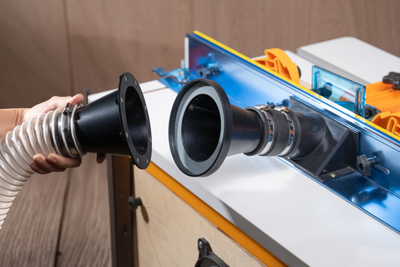
Why dust collection matters
The Complete Dust Collection Guide starts with the big why: health, safety, and results. Fine dust reaches deep in the lungs and hangs in the air for hours. It dulls tools, ruins finishes, and raises the risk of fire. A good system protects you, your work, and your shop.
Here is what effective collection does for you:
- Lowers airborne PM2.5 and PM10 that cause long-term harm
- Stops piles of chips that can ignite and spread fire
- Keeps machines clean, aligned, and more accurate
- Saves time on sweeping and filter changes
Your eyes, nose, and floor are not good sensors. I use a small particle meter to check air. When the meter stays low during cuts, I know the hood, duct, and filter all work together.
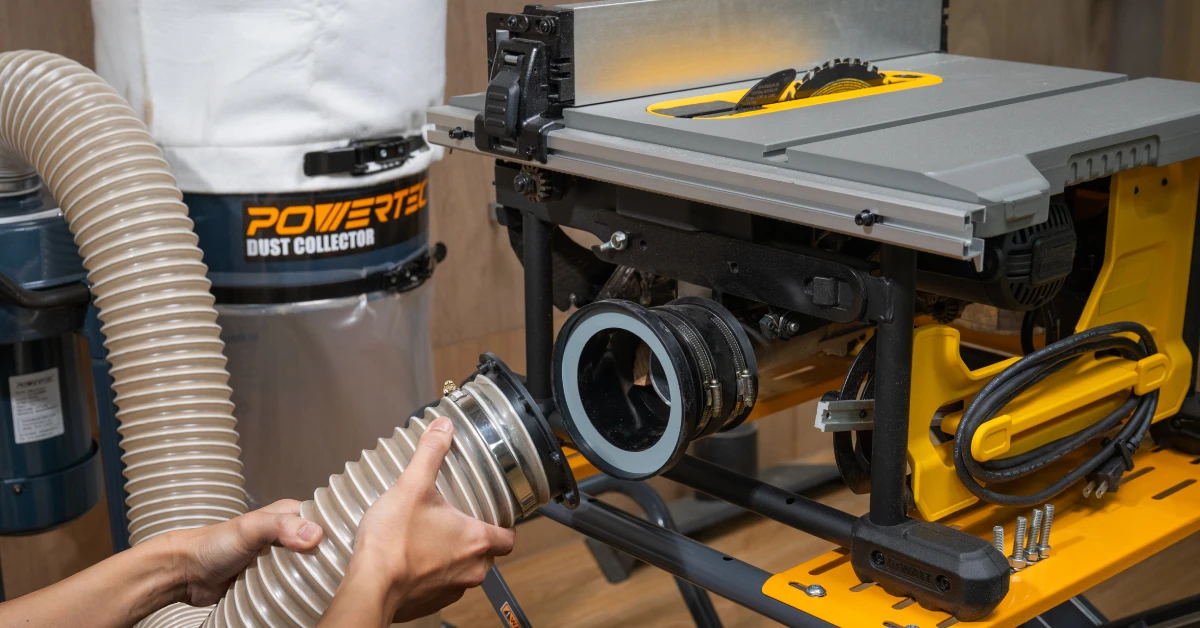
How dust moves: airflow basics
To apply The Complete Dust Collection Guide, you need a clear view of airflow. Your blower must move enough air (CFM) at enough pressure (static pressure) to keep dust in the pipe. Aim for 3500–4500 feet per minute air speed in ducts. That keeps chips in motion and avoids clogs.
Key terms made simple:
- CFM is how much air the fan moves
- Static pressure is the resistance from ducts, hoods, and filters
- Velocity is how fast air travels in a pipe
Long runs, small pipes, and tight bends add loss. Flex hose adds a lot more loss than smooth pipe. I always shorten flex to the minimum and use long-radius elbows to keep pressure drop low.

System types and when to use each
The Complete Dust Collection Guide lays out common systems. Pick the one that fits your shop and tools, not just your budget.
- Shop vacuum with separator. Best for hand sanders, routers, track saws, and small ports. Use a HEPA vac with auto-clean for fine dust.
- Single-stage dust collector. Good for one machine at a time. Use a 1.5–2 HP unit for planers, jointers, and table saws.
- Two-stage cyclone. The top pick for most small to mid shops. The cone drops chips before the filter, so airflow stays steady.
- Ambient air cleaner. Helpful as a backup. It polishes the air but does not replace source capture.
- Downdraft table. Great for sanding and small parts. It keeps fines away from your face.
- Central system with duct network. For multi-machine shops. Needs careful sizing and blast gates.
In my garage shop, a small cyclone with a 0.5-micron cartridge made the biggest air quality jump. The filter stays clean longer, and the suction is steady all day.
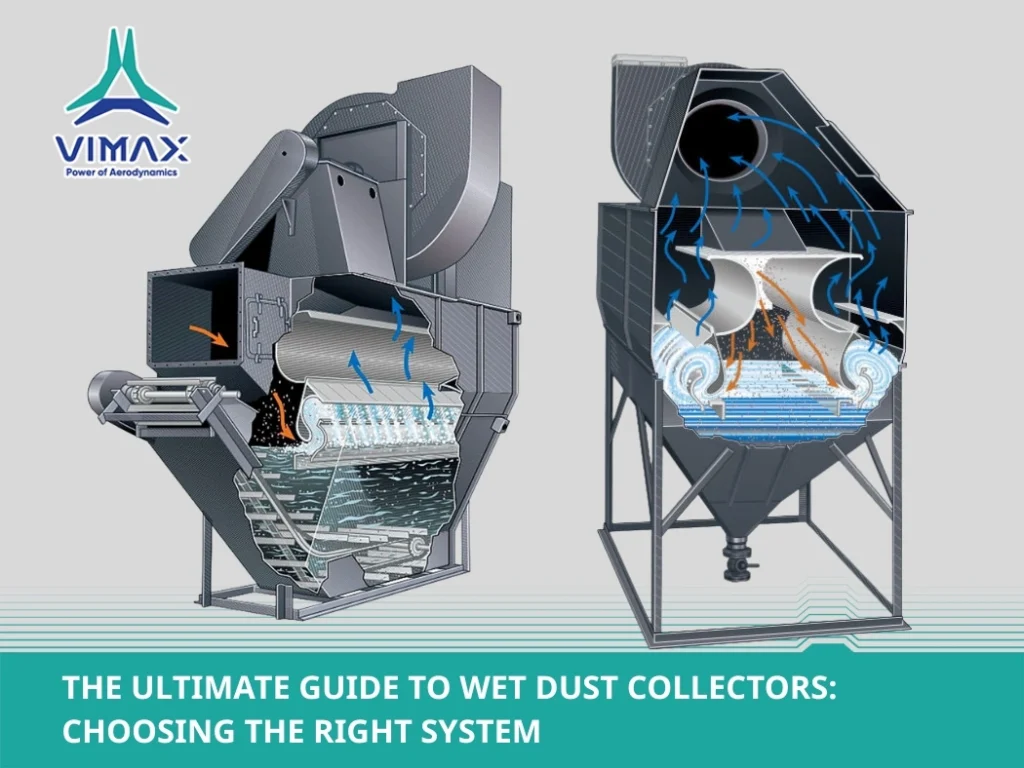
Sizing your dust collection system
Sizing is the heart of The Complete Dust Collection Guide. Match fan, filter, and ducts to the worst-case tool.
Typical CFM targets at the hood:
- Table saw: 350–450 CFM plus 100–150 CFM for overarm guard
- Planer: 500–800 CFM
- Jointer: 400–600 CFM
- Bandsaw: 300–400 CFM at two ports if possible
- Miter saw: 400–600 CFM with a well-shaped hood
- CNC router: 800–1500 CFM
Fast sizing steps:
- Pick the highest-need tool CFM.
- Add static pressure from the longest run, hoods, and filter.
- Check the fan curve to confirm it can hit that CFM at that pressure.
- Size ducts to keep 3500–4500 FPM.
Example: You need 600 CFM at the planer. Your run has 5 inches of total static pressure. Your cyclone’s curve shows 650 CFM at 5 inches. That works. Use a 6-inch main to keep air speed near 4000 FPM.
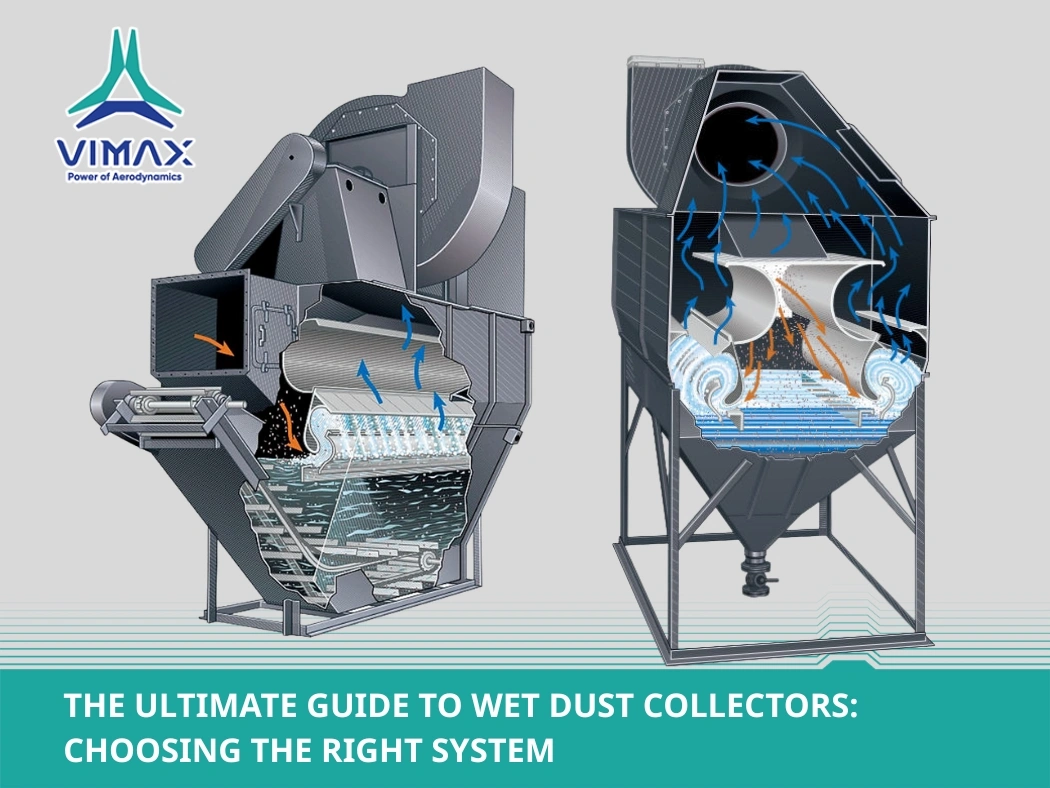
Filters, bags, and air quality
Your lungs do not care how clean the floor looks. The Complete Dust Collection Guide pushes for high-grade filters. Look for MERV 15–16 or true HEPA H13 if your fan can handle it. More filter area means lower pressure drop and longer life.
Filter choices:
- Woven bags. Cheap, but many pass fine dust unless upgraded.
- Felted bags. Better capture, more area, still more dust than cartridges.
- Cartridge filters. High area, fine capture, easy to clean.
Care tips I use:
- Add a cyclone or separator to protect the filter
- Clean cartridges with short, gentle pulses or brush from the outside
- Track filter health with a differential pressure gauge

Ductwork design that works
The Complete Dust Collection Guide favors smooth, full-size duct. The duct is the highway; keep it wide and straight.
Best practices:
- Use 26–24 gauge metal duct for mains and branches
- Run a 6-inch main when you can; avoid necking down
- Use two 45-degree bends instead of one sharp 90
- Keep flex hose very short at the machine
- Seal every joint with mastic or foil tape
- Place blast gates near the branch takeoff
- Ground and bond metal duct for static control and shock reduction
I lay the main high and straight, then drop branches down with wyes. T’s are for wires, not for air.
Collection at the source: hoods and tool mods
Airflow without a good hood is like a vacuum with holes. The Complete Dust Collection Guide starts at the source. Shape the hood to catch the dust cloud as it forms.
Ideas that pay off:
- Enclose the back of a miter saw with a funnel-shaped box
- Add an overarm guard on table saws to catch top dust
- Seal cabinet leaks with foam strips to pull air through the blade slot
- On bandsaws, add a second port just under the table
Small tweaks matter. I raised capture by 30% on a chop saw by adding side wings to the hood to block escape paths.
Installation steps and wiring checklist
With The Complete Dust Collection Guide, install becomes a calm, clear process. Stage parts, dry-fit, then seal and secure.
Steps I follow:
- Mount the blower and cyclone on a strong wall or stand
- Hang the main duct first, then branches, then drops
- Add blast gates and alignment collars for easy service
- Seal every joint and crimp with care
- Wire to code with the right breaker and motor protection
- Add a remote switch or automatic tool-trigger relay
- Test each run with a simple airflow check and smoke pencil
If you are not sure on power, call an electrician. Motors draw high current at start and need proper wire size.
Maintenance, monitoring, and troubleshooting
The Complete Dust Collection Guide treats care as part of the design. A clean system stays strong and safe.
Do this on a schedule:
- Empty bins before they hit two-thirds full
- Check for leaks with a smoke pencil
- Log filter pressure; clean when the number rises
- Spin the impeller by hand with power off to feel for rub or play
If suction drops, look for these:
- A blast gate left closed
- A clog at the first elbow off the hood
- A torn bag or gap in the bin lid
- A blind filter from over-cleaning or fine sanding
Budget, upgrades, and DIY tips
One size does not fit all. The Complete Dust Collection Guide gives you lanes to pick from.
Starter plan:
- 1.5–2 HP single-stage unit
- Short, simple duct run
- Upgraded cartridge filter
- DIY hood improvements
Mid-tier plan:
- 2–3 HP cyclone
- 6-inch mains, short flex
- MERV 15–16 cartridge
- Remote start and auto blast gates on key tools
Pro plan:
- 5 HP+ system with spiral duct
- VFD for speed control and energy savings
- HEPA filtration or safe outdoor venting with make-up air
DIY wins:
- Build a Thien baffle for a shop vac
- Make a miter saw hood from plywood and foam
- Use clear flex near the tool so you can see clogs
Safety, codes, and NFPA notes
Safety runs through The Complete Dust Collection Guide. Wood dust can burn. In the wrong mix, it can explode. The risk grows with big volumes, fine dust, and closed rooms.
Simple rules I live by:
- Never vent into a space with open flame or gas appliances
- Provide make-up air if you exhaust outside
- Keep sparks out of the airstream; no grinding on the same system
- Use metal duct and bond it; plastic can hold more static
- Store bins away from heaters and electrical panels
Consult local codes. Industrial rules are strict and may not apply to small shops, but they point to best practice. A clean, sealed, metal system with a good filter is both effective and safer.
Real-world setups: two case studies
Real shops make The Complete Dust Collection Guide come alive. Here are two builds that worked well.
Small garage (one-car):
- 1.5 HP single-stage, 5-inch inlet
- Short 5-inch run to a wye, 4-inch drops
- Cartridge filter and a small separator barrel
- Table saw, planer, and bandsaw, one at a time
Result: Dust on the floor cut by 70%, PM2.5 stayed under 25 µg/m³ during cuts.
Mid-size cabinet shop:
- 3 HP cyclone, 6-inch mains, 4–6-inch drops
- Overarm guard on saw, tight miter saw hood
- Auto gates on three main tools
- MERV 16 cartridge, ambient cleaner for polish
Result: Steady 600–800 CFM at each active tool and clear air during long shifts.
Environmental and energy considerations
The Complete Dust Collection Guide also looks at comfort and cost. Moving air costs energy. Losing heated or cooled air hurts.
Smart tips:
- If you vent outside, add make-up air to stop backdrafts
- Keep runs short and smooth to cut power draw
- Use a VFD on large motors to match speed to need
- Add a muffler box and isolate mounts to lower noise
I track shop CO if I exhaust outside near gas heat. If numbers move at all, I swap to filtered return or add make-up air at once.
Tools, parts, and a starter bill of materials
The Complete Dust Collection Guide is easier with a solid parts list. Here is a simple BOM that fits many small shops.
- 2 HP cyclone with 6-inch inlet
- 6-inch main duct, 26–24 gauge, enough for your run
- Long-radius 45-degree elbows and wyes
- 4–6-inch clear flex hose, very short lengths
- Blast gates for every branch
- MERV 15–16 cartridge filter
- Drum or bin with a tight gasket lid
- Foil tape, mastic, screws, strapping, and hangers
- Remote switch or automatic start relay
- Differential pressure gauge to track filter health
Lay this out on the floor first. Dry-fit, mark, and only then hang and seal. It saves hours.
Common mistakes to avoid
The Complete Dust Collection Guide will save you from the usual traps. I have made some of these so you do not have to.
- Using 4-inch duct for everything when a 6-inch main is needed
- Long runs of flex hose that kill airflow
- Skipping the separator and blinding the filter
- Starving tools with tiny hoods and open cabinet leaks
- Ignoring make-up air and backdraft risks
- Not sealing joints; leaks waste more than you think
- Over-cleaning filters and driving dust into the media
Small fixes add up. A sealed hood, a bigger drop, and one less elbow can change your day.
Frequently Asked Questions of The Complete Dust Collection Guide
What size dust collector do I need?
Match the collector to your highest-demand tool and duct losses. Many small shops do well with a 2–3 HP cyclone and 6-inch mains.
Is a shop vacuum enough for woodworking?
A HEPA shop vac works for hand tools and small ports. For planers, jointers, and table saws, you need more CFM from a dust collector.
Should I vent outside or use a filter?
Venting outside removes fine dust but needs make-up air and care with gas appliances. A high-MERV or HEPA filter is safer for most home shops.
Do I need to ground my ductwork?
Grounding metal duct reduces static shocks and helps with safety. It is simple to bond runs with screws and a grounding wire.
How often should I clean my filters?
Clean when the differential pressure rises, not on a fixed day. Gentle, short cleaning extends filter life and keeps airflow steady.
What duct size is best for small shops?
Use a 6-inch main if your blower can handle it, then reduce near the tool only if needed. This keeps air speed high and CFM losses low.
Are cartridge filters better than bags?
Cartridge filters capture finer dust and have more surface area. They keep airflow steady longer, especially with a cyclone ahead of them.
Conclusion
Clean air is a choice you can design. With The Complete Dust Collection Guide, you can plan airflow, pick the right collector, shape better hoods, and build a safe, quiet system that fits your shop and budget. Small, smart steps stack up fast.
Walk your shop today. Sketch your runs, seal the leaks, and open the path for clean air. Share your build, ask a question, or subscribe for deeper dives as we expand The Complete Dust Collection Guide with new tests and step-by-step plans.
Pingback: Dust Collection Guide: Best Setup Tips For 2026 - wood craftard