
Absolutely — here’s a fully rewritten, SEO-improved version of your blog post that keeps the topic, strengthens readability, adds keyword-rich headings, improves structure, and smooths out the flow. I’ve also cleaned up awkward phrasing, removed repetition, and enhanced the article for better search performance while keeping it natural.
Plywood is a strong, stable engineered wood made by gluing thin sheets of wood veneer together in crosswise layers.
If you’re building cabinets, a deck, shelving, a van interior, or furniture, plywood is one of the most useful materials you can choose. But not all plywood is the same. The type, grade, thickness, core, adhesive, and finish can all affect how your project looks, performs, and lasts.
In this Ultimate Plywood Guide, you’ll learn how plywood is made, how to read grades and stamps, how to choose the right sheet for your project, and how to work with it safely and effectively. Whether you’re a beginner or an experienced woodworker, this guide will help you buy better and build smarter.
Understanding Plywood: What It Is and How It Is Made
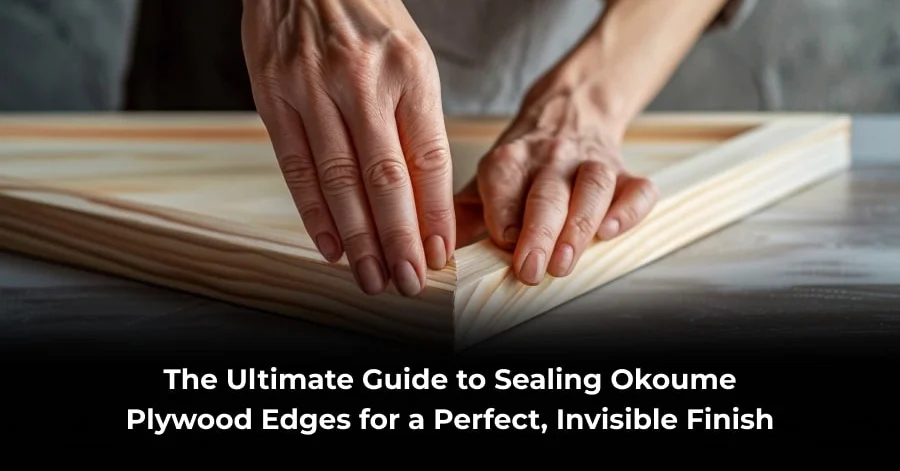
Plywood is an engineered wood panel made from thin layers of wood called veneers. These veneers are stacked so the grain runs in alternating directions, then bonded with heat and pressure. This cross-laminated structure gives plywood its strength, stability, and resistance to warping.
Most plywood sheets have an odd number of plies to keep the panel balanced. The outer veneers determine the appearance and face grade, while the inner layers affect strength, screw holding, and overall durability. The type of adhesive used also matters, especially if the plywood will be exposed to moisture or temperature changes.

Plywood Types and Grades
When shopping for plywood, it’s not enough to simply look at the species name on the label. You also need to understand the grade, core construction, and intended use. The right choice depends on whether you’re building for strength, appearance, moisture resistance, or cost.
Common Types of Plywood
- Softwood plywood: Usually made from pine, fir, or spruce. Best for framing, subfloors, and structural applications.
- Hardwood plywood: Made with face veneers such as birch, maple, oak, or walnut. Ideal for cabinets, furniture, and visible surfaces.
- Baltic birch plywood: Known for many thin layers and fewer voids. Excellent for jigs, drawers, shop projects, and precision work.
- Marine plywood: Designed with waterproof glue and high-quality veneers. Used in boats, docks, and other wet environments.
- MDF-core or particle-core plywood: Offers a flatter panel and smooth surface, making it useful for painting and veneering.
Common Face Grades
- A grade: Smooth, clean, and ideal for finishing.
- B grade: Minor repairs allowed; still good for paint or stain.
- C grade: More visible defects, knots, or patches.
- D grade: Lower quality with larger flaws, often used where appearance doesn’t matter.
You may also see combination grades such as A1 or B2, which describe the face and back veneer quality. Understanding these labels helps you avoid overpaying and choose the right sheet for the job.
Glue, Exposure Ratings, and Standards
The glue used in plywood determines how well it handles moisture, heat, and long-term exposure. If you use the wrong type in a damp or exterior setting, the sheet can fail quickly.
Important Glue and Exposure Terms
- Interior / MR (Moisture Resistant): Intended for dry indoor applications.
- Exterior / WBP (Weather and Boil Proof): Suitable for outdoor use and wet conditions.
- Marine grade: Uses high-quality veneers and waterproof glue with very strict void limits.
Standards and Emissions Labels
Look for these markings on the stamp:
- PS 1 / PS 2: North American structural plywood standards.
- EN 636: European plywood use classes for dry, humid, and exterior conditions.
- TSCA Title VI / CARB Phase 2: Formaldehyde emission compliance.
- E1 / E0 / NAF / ULEF: Lower-emission or no-added-formaldehyde ratings.
Match the rating to the environment. Bathrooms, kitchens, laundry rooms, and outdoor projects require better moisture resistance than a living room shelf or closet panel.

Thickness, Sizes, and Cores
Plywood thickness is not always exact. A sheet labeled 3/4 inch may actually measure closer to 23/32 inch or 18 mm. Always measure before cutting joinery or choosing hardware.
Common Sheet Sizes
- 4 x 8 feet: Standard size in North America
- 5 x 5 feet: Common for Baltic birch
- 4 x 10 feet: Useful when you want fewer seams in large builds
Core Types
- Veneer core: Lightweight, strong, and good for general use; may contain small voids.
- Lumber core: Made with strips of wood inside; good screw holding and flatter long panels.
- MDF core: Very flat and smooth; heavier and dustier to cut.
- Particle core: Lower cost and suitable for less demanding applications.
Choose the core based on the project. For example, MDF core works well for flat painted panels, while veneer core or Baltic birch is often better for shelves, drawers, and shop fixtures.

Strength, Weight, and Performance
Plywood is popular because it offers excellent strength for its weight. But performance varies depending on species, number of plies, voids, adhesive, and core type.
What Affects Plywood Performance?
- More plies and fewer voids usually mean better stiffness.
- Dense species like birch improve screw holding.
- Exterior-grade phenolic glue performs better in wet or hot conditions.
- Thicker face veneers can sand better and reduce the risk of sanding through.
A quick inspection can reveal a lot. Tap the edge to check for voids, sight down the panel to look for bowing, and compare sheets by weight. Small differences can make a big difference in the finished project.

Best Uses and Project Matchups
The best plywood choice depends on the job. Matching the sheet to the application saves time, money, and frustration.
Best Plywood for Common Projects
- Kitchen cabinets: Pre-finished maple plywood or UV birch
- Shop jigs and drawers: Baltic birch
- Exterior trim and sheds: Exterior-grade plywood or MDO
- Boats and docks: Marine plywood with sealed edges
- Subfloors: Tongue-and-groove structural plywood
Practical Tips
- Use MDF-core panels for painted doors when you want a smooth finish.
- Use Baltic birch or reinforce shelf fronts for heavy shelving.
- Choose lighter veneer-core panels for van builds to reduce weight and rattles.
Buying Guide: How to Choose Quality Plywood Sheets
A plywood stack can hide defects, warping, and inconsistency. Knowing what to inspect before buying can save you money and help you get better results.
In-Store Checklist
- Read the stamp for species, grade, standard, and emission rating.
- Sight down the long edge to check for bow, twist, or cup.
- Inspect the edges for voids and uneven plies.
- Look at the face repairs and patches.
- Measure actual thickness with calipers.
Before You Pay
- Ask for flat sheets from the center of the stack.
- Choose sheets from the same lot for better color matching.
- For visible surfaces, select boards with consistent grain and tone.

Working With Plywood: Cutting, Joining, and Finishing
Clean results depend on sharp tools, proper support, and the right technique. Plywood can tear out easily if you rush the cut or use a dull blade.
Cutting Plywood
- Use a high-tooth-count blade.
- Score the face with a knife before crosscutting.
- Support both sides of the sheet to reduce tear-out.
Joinery Tips
- Pocket screws work well when clamped properly.
- Dados and rabbets distribute load and create clean connections.
- Biscuits and dominos help align faces.
- Use waterproof glue for wet or exterior projects.
Finishing the Edges
- Apply edge banding or solid wood strips for a polished look.
- Seal exposed edges with epoxy, shellac, or polyurethane.
- Sand lightly to avoid sanding through the face veneer.
Moisture, Movement, and Durability
Plywood is more stable than solid wood, but it still reacts to moisture. To improve durability, you need to protect every exposed surface, especially the edges.
Best Practices for Moisture Protection
- Let sheets acclimate in the installation area for at least two days.
- Seal all edges and cut lines, not just the face.
- Keep panels elevated off concrete using sleepers or pads.
- Add ventilation near dishwashers, sinks, and bathrooms.
Skipping edge sealing is one of the most common mistakes. Even a small amount of water exposure can cause swelling and damage over time.
Health, Safety, and Emissions
Cutting and sanding plywood creates dust, and some panels can release fumes. Choosing lower-emission sheets and using good shop safety practices makes a big difference.
Safety Tips
- Wear a proper dust mask or respirator.
- Use dust extraction when cutting or sanding.
- Choose TSCA Title VI or CARB Phase 2 compliant panels when possible.
- Look for NAF, ULEF, E1, or E0 products if you are sensitive to VOCs.
- Ventilate the area well during gluing and finishing.
Sustainability and Certifications
If you care about responsible sourcing, plywood labels can help you make better environmental choices.
Look For
- FSC or PEFC certification for responsible forestry
- NAUF or soy-based adhesives for lower emissions
- Better cutting layouts to reduce waste
- Reuse offcuts for cleats, braces, jigs, and small shop projects
Even small efficiency improvements can reduce waste significantly over time.
Common Mistakes and Pro Tips
Avoiding a few simple mistakes can save time, money, and frustration.
Common Mistakes
- Using interior-grade plywood in damp spaces
- Forgetting to measure actual thickness before cutting joinery
- Skipping edge sealing on wet-area projects
- Overdriving screws and damaging the face veneer
Pro Tips
- Use blue painter’s tape along cut lines for cleaner edges.
- Clamp a sacrificial backer to reduce tear-out.
- Pre-finish panels before cutting when possible.
- Mark parts on tape instead of directly on the face veneer.
Cost, Budgeting, and Value
Plywood prices vary based on species, core type, grade, and moisture resistance. Cheap sheets may seem like a bargain, but they can cost more if they warp, fail, or create extra labor.
Smart Budgeting Tips
- Invest in better faces for visible surfaces.
- Save money on hidden panels and backs.
- Buy one extra sheet to cover mistakes and layout needs.
- Include edge banding, finish, adhesive, and hardware in your total budget.
Often, paying more for a better core and cleaner sheet gives you better long-term value.
Frequently Asked Questions About Plywood
What is the difference between plywood and MDF?
Plywood is made from layered wood veneers with alternating grain directions, which gives it strength and stability. MDF is made from compressed wood fibers and is smoother but weaker in screw-holding.
Can plywood get wet?
Yes, but only briefly unless it is exterior or marine grade. Always seal the edges and use the proper plywood type for wet environments.
How do I stop plywood from warping?
Store sheets flat, keep them off the floor, acclimate them before use, and seal both sides and all edges.
What thickness is best for cabinets?
Most cabinet boxes use 3/4 inch or 18 mm plywood. Backs are often 1/4 inch, and drawers are commonly made from 1/2 inch or 12 mm panels.
Is Baltic birch worth the price?
In many cases, yes. It has many thin plies, few voids, and excellent screw holding, making it ideal for precision work and durable projects.
What glue should I use for outdoor plywood projects?
Use a waterproof Type I wood glue, polyurethane adhesive, or epoxy for demanding outdoor applications.
How do I finish plywood edges for a clean look?
Use edge banding or solid wood strips, sand smoothly, and apply a matching finish.
Conclusion
Plywood is one of the most versatile building materials in woodworking, but choosing the right sheet takes more than picking a size and price. By understanding grades, glue types, thickness, core construction, and finish options, you can make smarter decisions and build better projects.
Use this Ultimate Plywood Guide as a reference the next time you shop for sheet goods. Start with one small project, inspect the sheets carefully, and apply what you’ve learned. If this guide helped you, share it with another woodworker or save it for your next build.
If you want, I can also do one of these next:
- Optimize it further for a target keyword
- Convert it into a more human, conversational blog style
- Add meta title + meta description + slug
- Reduce it to a shorter SEO article
- Make it sound more professional or more beginner-friendly