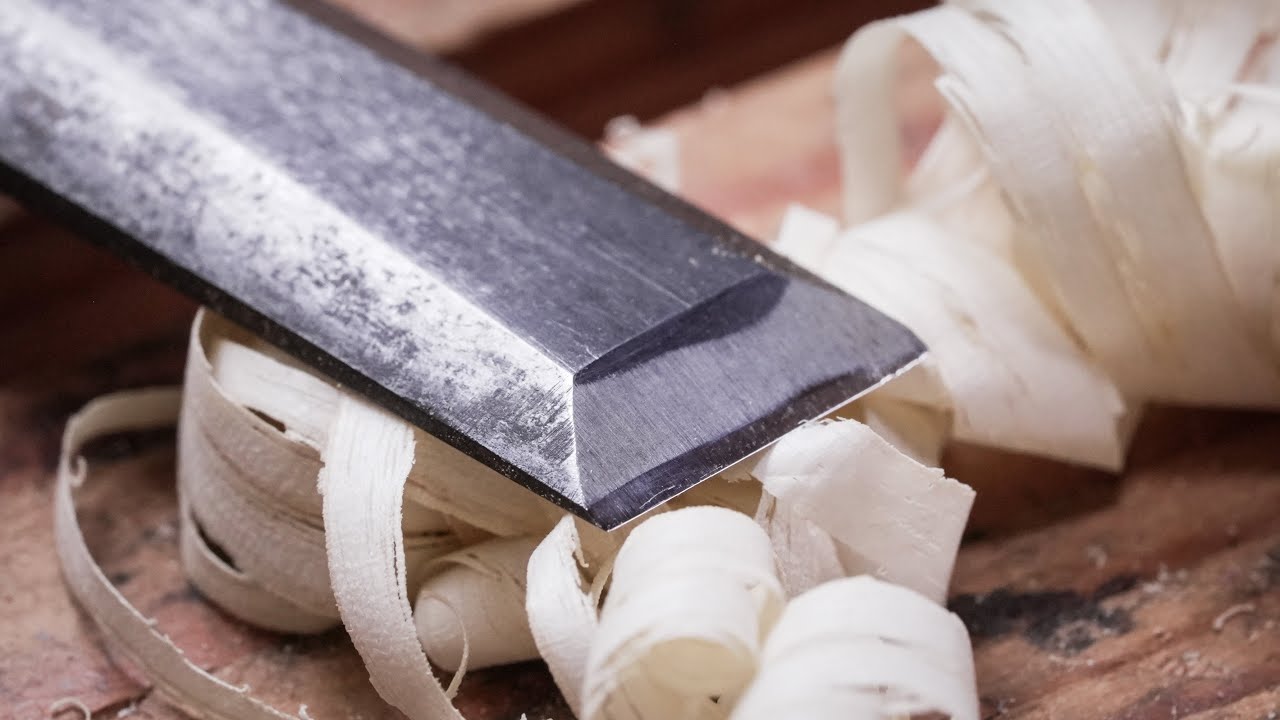
Wood chisel bevel maintenance keeps the cutting edge accurate by cleaning, inspecting, sharpening, and honing the bevel regularly.
For woodworkers in the United States, a properly maintained chisel bevel helps produce cleaner cuts in projects ranging from furniture repair to cabinetmaking. A dull or uneven bevel can increase effort, reduce control, and make precise woodworking tasks more difficult.
Wood chisel bevel maintenance is the process of preserving the angled surface behind the cutting edge. The goal is not simply to make the edge sharp, but to keep the bevel consistent so the chisel performs predictably during paring, chopping, and joinery work.
Source: popularwoodworking.com
What Wood Chisel Bevel Maintenance Means
Wood chisel bevel maintenance focuses on keeping the angled cutting surface flat, smooth, and correctly aligned. The bevel transfers force from your hand or mallet into the wood, so uneven surfaces can affect how the blade enters and exits the material.
A typical bevel edge chisel has a primary bevel created during grinding and a refined edge produced through honing. Many woodworkers maintain a small secondary microbevel because it can make future touch-ups faster.
Source: wikimedia.org
Primary bevel
The main angled surface establishes the cutting geometry and usually requires more metal removal when damaged.
Microbevel
A small polished area near the cutting edge that can improve sharpening efficiency during routine maintenance.
How to Inspect a Chisel Bevel Before Maintenance
Inspect the bevel before sharpening so you remove only the amount of metal needed. Excessive grinding shortens tool life and can change the intended cutting angle.
Look for visible damage, including chips, rounded bevels, rust marks, scratches running across the bevel, or a shiny uneven area at the edge.
Source: popularwoodworking.com
Check the edge
A damaged edge may need grinding before normal honing can restore sharpness.
Check the angle
An inconsistent bevel can cause the chisel to drift or require more force during cutting.
Steps for Maintaining a Wood Chisel Bevel
Maintain the bevel by progressing from the least aggressive method to heavier correction only when needed. Routine care usually requires honing rather than complete reshaping.
Before starting, gather a stable sharpening surface, appropriate abrasive stones or plates, a way to maintain the bevel angle, and a clean workspace.
Source: finewoodworking.com
Clean the chisel
Remove dirt, resin, and corrosion so the sharpening surface contacts the steel evenly.
Set the bevel angle
Use a consistent angle that matches the tool’s intended use instead of changing the geometry unnecessarily.
Hone the bevel
Use controlled strokes until the edge develops a clean, refined surface.
Remove the burr
Lightly refine the flat back and bevel to remove the remaining wire edge.
Signs the Bevel Maintenance Is Complete
A properly maintained bevel should have a consistent surface, a sharp edge, and no visible damage along the cutting line. The chisel should enter wood smoothly without requiring excessive pressure.
Clean edge
The cutting edge appears continuous without chips or reflective damaged spots.
Controlled cutting
The tool responds predictably during light test cuts.
Common Wood Chisel Bevel Maintenance Mistakes
Many sharpening problems come from removing too much material or changing the bevel shape accidentally. Good maintenance preserves the existing geometry instead of constantly recreating it.
Avoid rushing the process. Uneven pressure, unstable sharpening surfaces, and excessive grinding can create more correction work later.
Source: ytimg.com
Changing the angle repeatedly
Frequent angle changes make the bevel inconsistent and harder to maintain.
Skipping inspection
A chipped edge may require repair before normal honing.
Overheating the steel
Aggressive grinding can damage the tool if heat is not controlled.
How Often Should You Maintain a Chisel Bevel
The frequency depends on how often the chisel is used, the type of wood being cut, and the condition of the edge. A professional woodworker using chisels daily may hone frequently, while occasional users may only need maintenance after noticeable performance changes.
Routine light honing is generally preferable to waiting until the edge becomes heavily damaged because it removes less material and keeps the tool ready for work.
Source: wikimedia.org
Light use
Inspect the bevel before projects and maintain the edge when cutting performance declines.
Heavy use
Frequent inspection and honing help prevent larger repairs.
Frequently Asked Questions
Q
What bevel angle should a wood chisel have?
Many general-purpose bench chisels use bevel angles in the range commonly used for woodworking, but the ideal angle depends on the chisel design and the work being performed.
A lower angle can support easier paring, while a stronger angle may better handle heavier chopping tasks.
Q
Can I maintain a chisel bevel without a honing guide?
Yes, experienced woodworkers can maintain bevels freehand by controlling hand position and pressure. A honing guide can help beginners create a more repeatable angle.
Q
How do I know when a chisel needs grinding instead of honing?
Grinding is usually needed when the edge has large chips, major rounding, or a damaged bevel shape. Honing is better for restoring a slightly dull but otherwise healthy edge.
Q
Why does my chisel bevel become uneven?
Uneven pressure, inconsistent angles, and unstable sharpening equipment can create an uneven bevel. Slowing down and checking the contact area can help correct the issue.
Q
How should I store chisels after bevel maintenance?
Store clean and dry chisels where the cutting edges are protected from impacts. A tool rack, case, or protective cover can help prevent accidental damage.
✦ Wrapping Up
Conclusion
Wood Chisel Bevel Maintenance is a simple but essential woodworking habit that keeps cutting tools accurate and easier to control. Regular inspection, careful honing, and proper storage prevent many common edge problems.
The best maintenance routine matches the condition of the chisel and the type of work being performed. Focus on preserving the bevel shape while removing only the material necessary to restore performance.
💡 Key Takeaway
Inspect your chisel bevel before each major project, maintain the edge with controlled honing, and repair damage before it affects cutting accuracy.