
The ultimate jigsaw guide helps you choose, use, and master jigsaws with confidence.
If you want clean cuts, smoother work, and fewer mistakes, you’re in the right place. I’ve spent enough time around jigsaws to know that the tool itself is only half the story; the real results come from blade choice, setup, speed control, and a steady hand. In this guide, I’ll walk you through the essentials in a way that feels practical, clear, and easy to use on your next project.

What a Jigsaw Is and Why It Matters
A jigsaw is a handheld power tool that uses a narrow, up-and-down blade to cut curves and shapes. It can also make straight cuts in wood, plastic, metal, and laminate when used with the right blade. For many DIYers and pros, it is one of the most useful tools in the shop.
The reason the jigsaw stays so popular is simple. It gives you flexibility. A circular saw is better for long straight cuts, but a jigsaw shines when the job needs control, detail, or a cutout in the middle of a board.
Here’s the real value of the ultimate jigsaw guide: it helps you avoid the small mistakes that ruin good work. A dull blade, the wrong speed, or too much pressure can turn a simple cut into a rough edge fast.
How a Jigsaw Works
A jigsaw moves its blade in a fast vertical motion. That motion lets the blade bite into the material and move along a marked line. Most models also let you adjust the speed and the orbit setting for faster or cleaner cuts.
The basic parts are easy to understand:
• Motor: powers the blade movement
• Trigger or speed dial: controls cutting speed
• Blade clamp: holds the blade in place
• Shoe or base plate: rests on the material for support
• Orbital setting: changes how aggressively the blade cuts
In my own use, I’ve found that people often blame the tool when the issue is really setup. If the blade is loose or the wrong type, even a high-end jigsaw can feel sloppy. Once the tool is set up right, it becomes much easier to trust the cut.
Choosing the Right Jigsaw
Not all jigsaws are built the same. The best choice depends on how often you plan to use it and what materials you cut most often. A weekend DIY user may need something simpler, while a cabinet builder may want stronger control and more power.
When comparing models, focus on these features:
• Power rating: More power helps with thicker or harder materials
• Speed control: Useful for matching the cut to the material
• Orbital action: Helpful for faster cuts in wood
• Blade change system: Tool-free blade changes save time
• Dust blower or dust port: Improves line visibility
• LED light: Helps you follow the cut line in low light
A small mistake I see a lot is buying based on brand alone. That can work sometimes, but the smarter move is to match the tool to the task. If you mostly cut thin plywood and trim, you may not need a heavy model. If you work with hardwood or thick boards, stronger performance matters more.
Jigsaw Blade Types and When to Use Them
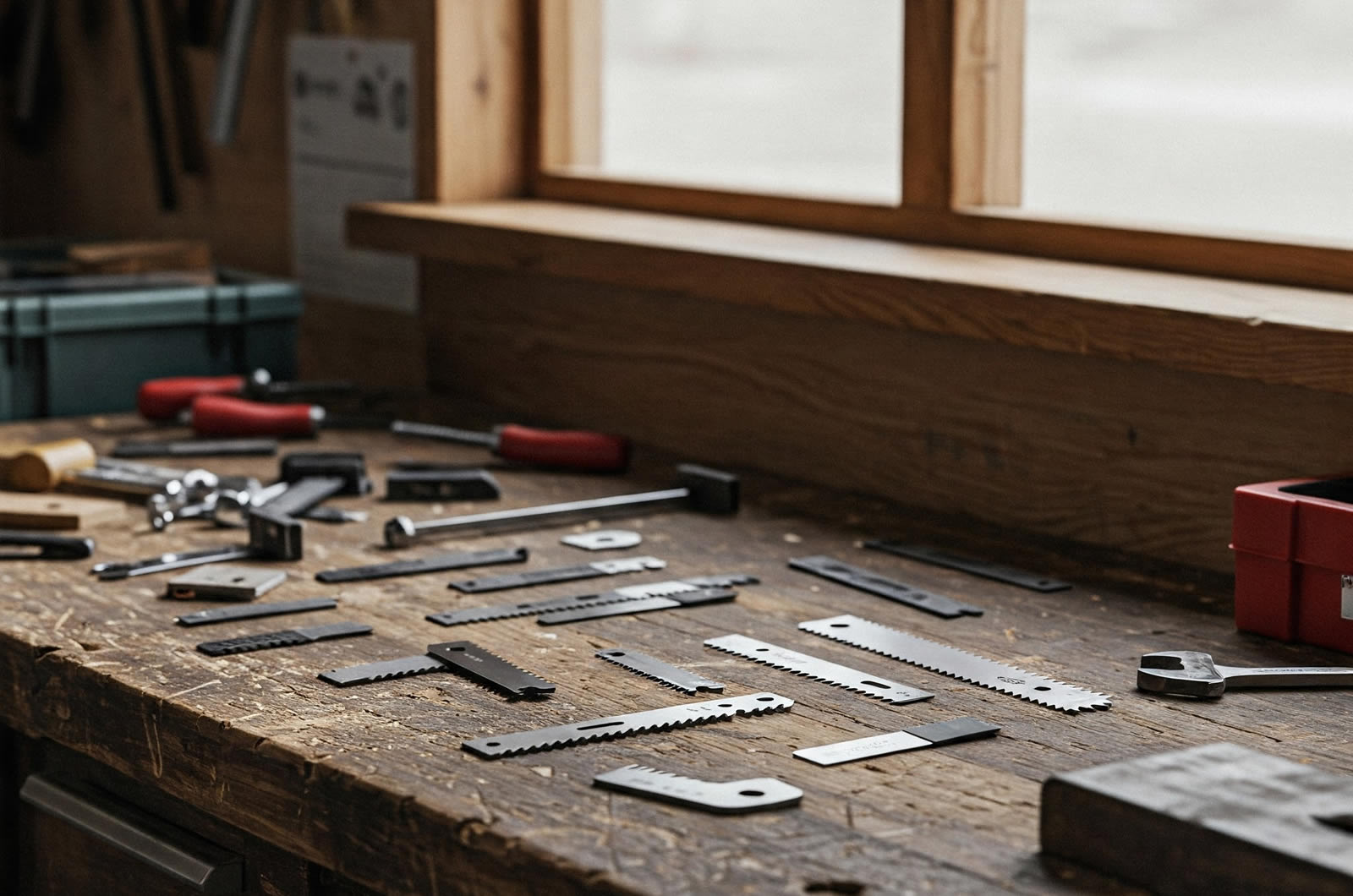
The blade does most of the real work, so blade choice matters a lot. Different blades are made for different materials and cut styles. This is one of the biggest lessons in any ultimate jigsaw guide.
Common blade types include:
• Wood blades: designed for fast cuts in softwood and hardwood
• Fine-tooth blades: better for smoother cuts and less tear-out
• Metal blades: made for sheet metal and thin steel
• Laminate blades: help reduce chipping on finished surfaces
• U-shank and T-shank blades: blade mount styles, with T-shank being the most common today
A few practical tips from experience:
• Use a fine-tooth blade when finish quality matters
• Use a coarser blade when speed matters more than edge quality
• Replace a blade as soon as it starts burning, wandering, or leaving fuzzy edges
• Keep different blades labeled so you can grab the right one quickly
The blade is like the tire on a car. The engine may be strong, but the tire decides how well it grips the road.
How to Make Cleaner Cuts
Clean cuts take more than steady hands. They start before the blade touches the material. Good layout, the right blade, and a stable workpiece make a huge difference.
Follow these steps for better results:
- Mark your cut line clearly with a pencil or knife line
- Clamp the material so it does not move
- Choose the right blade for the material
- Set the speed based on thickness and hardness
- Let the blade do the work without forcing it
- Keep the shoe flat on the surface during the cut
If you want a cleaner edge, support the material near the cut line. That helps reduce vibration and tear-out. I also like to test on scrap first, especially with laminate or painted boards. That small habit has saved me from more than one expensive mistake.
Straight Cuts, Curves, and Cutouts
A jigsaw can do more than people think. It handles curves, circles, inside cutouts, and short straight cuts. The trick is knowing how to guide it without fighting the blade.
For straight cuts:
• Use a straightedge or guide when possible
• Choose a blade made for straighter tracking
• Move at a steady pace without twisting the tool
For curves:
• Use a narrower blade
• Slow down before tight turns
• Make relief cuts if the curve is very sharp
For inside cutouts:
• Drill a starter hole large enough for the blade
• Insert the blade and begin from inside the material
• Cut slowly so the line stays accurate
One thing I learned the hard way is that forcing a sharp turn almost always ruins the cut. The blade needs room. If the curve is too tight, make a series of smaller cuts instead of trying to pivot too fast.
Safety Tips Every User Should Know
Safety should always come first with any power tool. A jigsaw is not the most dangerous tool in the shop, but it can still cause injury if used carelessly. Most accidents happen when people rush or skip basic setup.
Keep these safety habits in mind:
• Wear safety glasses to protect your eyes
• Use hearing protection if you cut often
• Secure loose clothing, jewelry, and long hair
• Clamp the workpiece before cutting
• Keep both hands on the tool when possible
• Disconnect power before changing blades
• Check the blade and cord or battery before use
Good safety habits are not about fear. They’re about trust. The more controlled your setup is, the more confident you feel, and that confidence leads to better cuts.
Best Materials for a Jigsaw
A jigsaw can cut a wide range of materials, but each one needs a slightly different approach. Wood is the easiest and most common. Plastic, metal, and laminate require more care.
Here is a simple breakdown:
• Softwood: easy to cut, but can splinter
• Hardwood: slower cutting and sharper blades help
• Plywood: use fine blades to reduce chip-out
• MDF: cuts well, but creates a lot of dust
• Plastic: use slower speed to avoid melting
• Metal: use proper metal blades and cutting fluid if needed
• Laminate: protect the surface with tape and a fine blade
In many projects, the material matters more than the tool brand. I’ve seen average jigsaws handle simple plywood work just fine, while even premium tools struggled when the blade was wrong for the surface.
Common Jigsaw Mistakes to Avoid
Most jigsaw problems come from a few repeat mistakes. Once you know them, they become easy to avoid.
Watch out for these:
• Using the wrong blade for the material
• Cutting too fast and overheating the blade
• Pushing hard instead of letting the tool work
• Forgetting to clamp the material
• Not supporting the material near the cut line
• Starting a cut with the blade already stressed
• Ignoring tear-out on finished surfaces
One of my early mistakes was thinking speed meant skill. It doesn’t. Slow, controlled cuts almost always look better than rushed ones. That lesson applies to almost every jigsaw project.
Maintenance Tips for Longer Tool Life
A well-kept jigsaw cuts better and lasts longer. You do not need a complicated routine. A few simple habits go a long way.
Basic maintenance steps:
• Clean dust from the base, blade clamp, and vents
• Inspect blades before each use
• Check the shoe for flatness and tightness
• Store blades in a dry place
• Follow battery care rules if you use a cordless model
• Replace worn parts when cutting quality drops
Dust buildup is more than a mess. It can affect visibility, cooling, and performance. I make it a habit to wipe down the tool after every project. It takes a minute and saves a lot of trouble later.
When a Jigsaw Is the Right Tool
The jigsaw is the right pick when you need flexibility more than speed. It is ideal for sink cutouts, curved patterns, trim work, flooring details, and small home repairs. It is also a smart choice when access is tight and larger saws feel awkward.
Use a jigsaw when you need:
• Curves and rounded shapes
• Inside cutouts
• Light to medium cutting work
• A portable tool for jobsite or home use
• Better control in small spaces
It is not the best choice for every task. Long, perfectly straight cuts are usually better with a circular saw or track saw. But for shape cutting and general versatility, the jigsaw is hard to beat.

Expert Tips to Get More From Your Jigsaw
Once you know the basics, a few small upgrades in technique can make a huge difference. These are the kinds of things that separate okay cuts from really clean ones.
Try these tips:
• Let the blade reach full speed before starting the cut
• Use painter’s tape on delicate surfaces to reduce chipping
• Choose slower speed for metal and plastic
• Switch to orbital action only when you want faster cutting in wood
• Use scrap wood underneath to support thin boards
• Keep a spare blade nearby so you can swap early
I’ve found that the best results usually come from patience, not power. A jigsaw rewards a calm hand. If the cut starts drifting, stop and reset rather than trying to force it back on line.
Frequently Asked Questions of The Ultimate Jigsaw Guide
What is the main use of a jigsaw?
A jigsaw is mainly used for curved cuts, cutouts, and shorter straight cuts in wood, plastic, metal, and laminate. It is valued for control and versatility more than raw cutting speed.
Which blade is best for smooth cuts?
A fine-tooth blade is usually best for smooth cuts, especially in plywood or finished surfaces. It reduces tear-out and leaves a cleaner edge than a coarse blade.
Can a jigsaw cut metal?
Yes, a jigsaw can cut thin metal when you use the proper metal-cutting blade and a slower speed. Thicker metal is more difficult and may need a different tool.
Why does my jigsaw cut crooked?
Crooked cuts often come from a dull blade, the wrong blade type, pushing too hard, or cutting too fast. A loose workpiece can also cause the blade to wander.
Is a cordless jigsaw strong enough?
For many home and light professional tasks, a cordless jigsaw is strong enough. For long sessions or thick materials, a corded model may offer more consistent power.
How do I stop tear-out on plywood?
Use a fine-tooth blade, support the material well, and place painter’s tape over the cut line if needed. Cutting from the clean side can also help reduce visible damage.
Conclusion
The ultimate jigsaw guide comes down to one simple idea: the tool works best when you match the blade, speed, and method to the job. Once you understand those pieces, a jigsaw becomes one of the most flexible and useful tools you can own. It can save time, improve accuracy, and make tricky cuts feel much easier.
If you’re just getting started, focus on the basics first: choose the right blade, secure your work, and cut with steady pressure. Small habits like these make a big difference over time. Keep practicing, trust the process, and use what you learned here on your next project. If this guide helped, explore more tool tips, save it for later, or leave a comment with your own jigsaw experience.