
A wood lathe shapes spinning wood into bowls, pens, spindles, and more with control.
A good wood lathe guide should do more than list parts. It should help you understand how the machine works, what to buy, how to stay safe, and how to get cleaner results with less frustration. I’ve spent enough time around lathes to know this: once you learn the basics, the tool starts to feel less intimidating and a lot more fun.
What a Wood Lathe Is and Why It Matters
A wood lathe is a machine that spins a piece of wood so you can shape it with hand tools. It is one of the oldest and most useful tools in woodworking. People use it to make table legs, chairs, bowls, pens, handles, and decorative parts.
The magic of the wood lathe is simple. The wood moves, and the tool stays still in your hands. That lets you form smooth curves and round shapes that are hard to make with saws alone. If you want symmetry, repeatability, and a clean finish, a lathe is hard to beat.
From my own experience, the first time I watched a rough square blank turn into a round spindle, I understood why so many woodworkers love this tool. It feels a bit like sculpting and a bit like precision work. That mix is what makes the wood lathe such a staple in both hobby shops and professional shops.
How a Wood Lathe Works
A wood lathe works by turning wood at different speeds while you hold a cutting tool against it. The wood is mounted between centers or held in a chuck, then the motor spins it. Your hands guide the gouge, chisel, or scraper to remove material in a controlled way.
The main idea is balance. The faster and more evenly the wood spins, the smoother the cut can be. But speed is not always better. In fact, one of the most common mistakes beginners make is running the lathe too fast before the blank is balanced.
Here are the basic parts that make the machine work:
• Bed: The base that supports the lathe
• Headstock: The side that holds the motor and spindle
• Tailstock: The movable support on the other end
• Tool rest: The support bar for your cutting tool
• Spur center and live center: Used to hold wood between centers
• Chuck: A gripping device for bowls and other projects
• Motor and speed controls: Power the rotation and adjust speed
When I first started, I treated the tool rest like an afterthought. That was a mistake. The tool rest is what gives you control, and even a small gap between the tool and the wood can change how safely and cleanly you cut.
Types of Wood Lathes
Choosing the right lathe starts with knowing the main types. Each one fits a different style of work, shop size, and budget.
Benchtop Wood Lathes
Benchtop models are compact and light. They are ideal for small shops, garage spaces, and beginners who want to learn without spending a lot.
They work well for pens, small spindles, and light bowl work. The downside is limited power and swing, which means you cannot turn large pieces.
Mini Wood Lathes
Mini lathes are even smaller than benchtop models. They are popular with hobbyists who focus on tiny projects like pens, bottle stoppers, and small decorative items.
They are easy to store and easier to control for detailed work. But they are not the best choice if you want to make bigger bowls or furniture parts.
Mid Size Wood Lathes
Mid size lathes are the sweet spot for many woodturners. They offer more power, more capacity, and better stability than smaller machines.
If you want one machine that can handle a wide range of projects, this category is worth serious attention. I usually recommend this size to people who know they will keep turning wood for the long term.
Full Size Wood Lathes
Full size lathes are built for larger projects and heavier use. They are common in serious workshops, schools, and small production settings.
These machines can handle bigger diameters and longer pieces. They also tend to be heavier, which helps reduce vibration. The tradeoff is cost, footprint, and the need for more shop space.
Key Features to Look for in the Ultimate Wood Lathe Guide
If you want the best wood lathe for your needs, focus on the features that affect control, safety, and project size. A flashy spec sheet does not always tell the full story.
Swing Over Bed
Swing over bed tells you the largest diameter wood the lathe can spin over the bed itself. This matters most for bowls and larger round projects.
If your swing is too small, you will outgrow the machine quickly. For spindle work, this spec is less important, but for bowl turning it matters a lot.
Distance Between Centers
This tells you how long a piece of wood you can turn. Longer distance means you can make chair legs, table legs, rolling pins, and other spindle projects.
If you enjoy furniture parts, pay close attention here. A lathe with a short distance between centers can feel limiting fast.
Motor Power
Motor power affects how well the lathe handles larger or denser wood. More power usually means smoother turning under load.
That said, more power is not everything. A stable machine with good balance often feels better than a weak machine with a bigger motor on paper.
Speed Range
A wide speed range gives you more control. Slow speeds are safer for rough blanks and bowls. Higher speeds work better for sanding and fine finishing.
A variable speed lathe is often the best choice because you can adjust speed without changing belts constantly. That saves time and helps you match the speed to the job.
Build Quality and Weight
Weight matters because vibration ruins the turning experience. A heavier lathe usually stays steadier, especially when turning uneven blanks.
Look for solid cast iron construction, tight fittings, and smooth controls. These things may not sound exciting, but they make a big difference in real use.
Ease of Tool Rest and Tailstock Adjustment
The best wood lathe is easy to adjust. You want a tailstock that locks well and a tool rest that moves smoothly but stays firm.
If these parts feel sloppy, your cuts will feel sloppy too. Good adjustability makes turning safer and more enjoyable.

Best Uses for a Wood Lathe
A wood lathe can do much more than make round sticks. It opens the door to many practical and creative projects.
Common uses include:
• Spindles for furniture
• Bowls and platters
• Pens and pencils
• Handles for tools
• Candle holders
• Chess pieces
• Rolling pins
• Decorative vessels
• Stair parts and balusters
In my shop, one of the most useful things I ever made on a lathe was a set of custom chair legs. It saved time, matched the design, and looked far better than store bought parts. That is the hidden power of a wood lathe: it can solve both design and repair problems.
Essential Wood Lathe Tools and Accessories
A lathe alone is not enough. You also need the right tools and accessories to work safely and get good results.
Turning Tools
The main cutting tools include:
• Roughing gouge: Used to round square stock
• Spindle gouge: Great for curves and detail work
• Bowl gouge: Designed for bowl interiors and exteriors
• Parting tool: Cuts grooves and separates sections
• Skew chisel: Good for smooth finishing cuts on spindles
• Scraper: Useful for refining shapes and smoothing surfaces
Each tool has a learning curve. The skew chisel, for example, can produce beautiful results, but it can also punish bad angle control. I learned that the hard way, and like most turners, I gained respect for it after one too many catches.
Must Have Accessories
Helpful accessories include:
• Chuck for holding bowls and faceplate work
• Faceplates for attaching larger blanks
• Centers for spindle turning
• Calipers for measuring tenons and diameters
• Dust collection setup
• Sharpening system
• Safety face shield
• Lathe stand or bench mount kit
A sharp tool is safer than a dull one. That is not just a workshop saying. A dull tool requires more force, and more force usually means less control.
How to Choose the Right Wood Lathe for Your Needs
The best choice depends on what you want to make. Before buying, think about your projects, your space, and your budget.
Ask yourself these questions:
• Do I want to make small items or large bowls?
• Will I mostly do spindle work or faceplate work?
• How much room do I have in my shop?
• Do I need portable equipment or a permanent setup?
• Am I buying for hobby use or frequent use?
For beginners, I usually suggest starting with a sturdy mid size lathe if the budget allows. It gives room to grow without forcing an upgrade too soon. If you only want pens or small projects, a mini lathe may be enough.
One mistake I see often is buying the cheapest machine possible. That can work if your goals are tiny, but many people regret it once vibration, short capacity, or weak power get in the way. It is usually smarter to buy for the next two years, not just the next two weeks.
Wood Lathe Safety Tips Every Turner Should Know
Safety is not a side topic. It is part of the craft. A lathe can be very safe when used correctly, but it can also be dangerous if you rush.
Follow these basics:
• Wear a full face shield
• Tie back long hair
• Remove jewelry and loose clothing
• Keep tools sharp and secure
• Set the tool rest close to the wood
• Start at a low speed
• Inspect the blank for cracks or hidden defects
• Stand out of the direct line of fire when starting large blanks
The biggest lesson I learned early was this: never trust a rough blank until you inspect it carefully. Wood can hide cracks, knots, and weak spots. If a piece looks suspect, I stop and remake the blank rather than hope for the best.
Also, make sure the workpiece is mounted correctly before turning on the machine. That small habit prevents many accidents. Safety is not about fear. It is about building good habits until they feel natural.
Turning Techniques That Improve Results
Good turning is about touch, timing, and patience. You do not need to force the tool. In fact, forcing the cut usually makes the finish worse.
Try these techniques:
• Present the tool slowly to the wood
• Let the cutting edge do the work
• Keep the tool rest close
• Use both hands for stability
• Match speed to the size of the blank
• Make light finishing cuts instead of heavy ones
When I train new turners, I tell them to listen to the cut. A clean cut has a smoother sound. A rough cut sounds harsh and often leaves tear out or chatter.
Sanding matters too, but sanding should not fix a bad cut. The cleaner the cut, the less sanding you need. That saves time and keeps the shape crisp.
Wood Types Best Suited for Lathe Work
Not all wood behaves the same. Some woods turn smoothly. Others tear out or chip easily.
Good beginner woods include:
• Maple
• Birch
• Cherry
• Alder
• Pine, for practice only
More challenging woods include:
• Oak, because open grain can tear
• Walnut, which turns well but can be dusty
• Exotic hardwoods, which may be dense and expensive
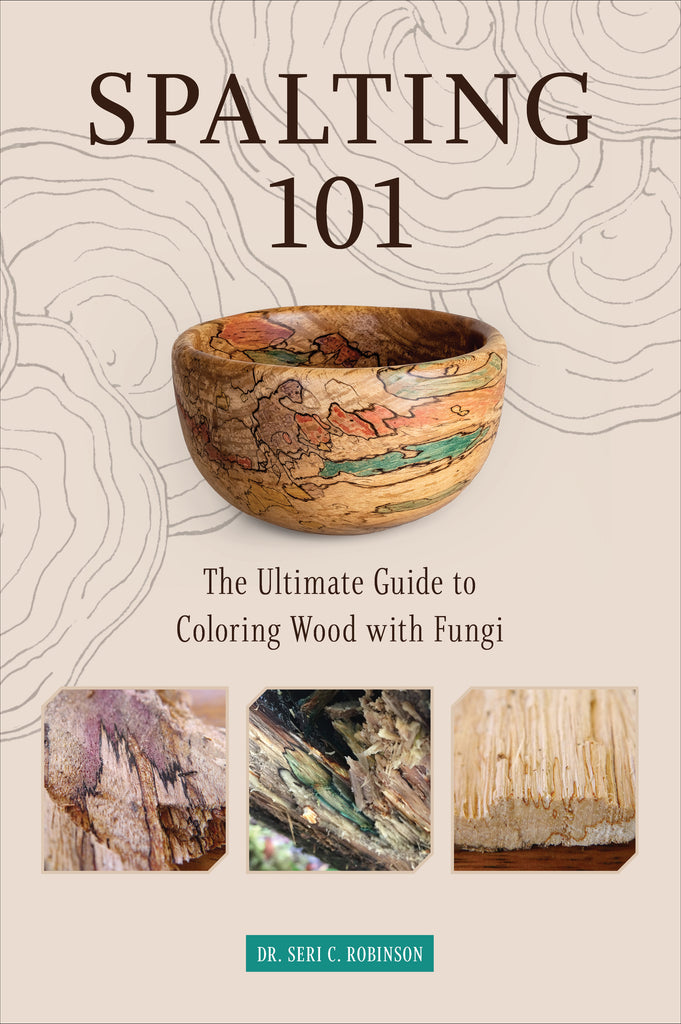
• Spalted wood, which can be beautiful but fragile
Green wood is often easier to turn for some bowl projects because it is softer and cuts smoothly. Dry wood is better for final dimensions and many spindle jobs. The right choice depends on the project and the finish you want.
Finishing Work on the Wood Lathe
Finishing is where the project really comes alive. A smooth surface and good finish can turn a plain object into something special.
Common finishing steps include:
• Sand through the grits carefully
• Remove dust between grits
• Apply friction polish for small items
• Use oil, wax, or lacquer depending on the project
• Buff the final surface if needed
A mistake I made early on was sanding too fast. I thought the finish would hide scratches. It does not. If the surface is uneven before finishing, the final coat usually makes those flaws easier to see.
Take your time at the sanding stage. It is less glamorous than cutting, but it often matters more to the final result. A well finished piece feels better in the hand and looks more professional.
Common Problems and How to Fix Them
Every woodturner runs into issues. The good news is that most problems have simple causes and simple fixes.
Vibration
Vibration often means the blank is unbalanced, the lathe is too light, or the speed is too high.
Fix it by:
• Lowering the speed
• Rebalancing the blank
• Tightening the setup
• Using a heavier lathe or stand if possible
Tear Out
Tear out happens when the wood fibers rip instead of cutting cleanly.
Fix it by:
• Using a sharper tool
• Cutting with the grain when possible
• Taking lighter passes
• Switching to a better tool angle
Chatter
Chatter is a shaking mark left by unstable tool contact.
Fix it by:
• Shortening the tool overhang
• Moving the tool rest closer
• Holding the tool more firmly
• Reducing speed if needed
Poor Surface Finish
A rough finish usually comes from dull tools, sanding mistakes, or unstable wood.
Fix it by:
• Sharpening the tool
• Cutting lighter
• Sanding in stages
• Choosing better stock for the project
Why the Wood Lathe Remains So Valuable Today
Even with modern CNC tools and power equipment, the wood lathe still matters. It gives you speed, control, and a very human kind of creativity. You can make practical items, repair furniture, and create one of a kind pieces with simple tools.
That is why the wood lathe guide matters so much. Once you learn the machine, you gain a skill that transfers across many projects. It is a tool that rewards patience and practice, but it also gives back quickly.
I still think the best part of turning is that moment when a rough piece starts to reveal its shape. It feels a little like uncovering something that was already inside the wood. That is a hard feeling to replace.

Frequently Asked Questions of The Ultimate Wood Lathe Guide
What is the best wood lathe for beginners?
A mid size or benchtop wood lathe is usually best for beginners. It offers enough control for learning while staying affordable and manageable.
Can a wood lathe make bowls and pens?
Yes, a wood lathe can make both bowls and pens. You just need the right accessories, such as a chuck for bowls and a pen mandrel or small turning setup for pens.
How fast should a wood lathe spin?
The right speed depends on the project size and balance of the wood. Start slow for large or rough blanks, then increase speed only when the piece is stable.
Do I need expensive tools to start woodturning?
No, you do not need the most expensive tools to begin. A solid lathe, sharp basic tools, and good safety gear matter more than premium extras at the start.
What wood is easiest to turn on a lathe?
Maple, cherry, and birch are often beginner friendly. They tend to cut cleanly and give you good feedback as you learn tool control.
How do I stay safe while using a wood lathe?
Wear a face shield, keep tools sharp, and start at a low speed. Always inspect the wood before turning and make sure the tool rest is set close to the workpiece.
Conclusion
The wood lathe is one of those tools that grows with you. At first, it teaches you control and safety. Later, it becomes a creative partner that helps you make useful, beautiful, and personal work.
If you choose the right lathe, learn the basic parts, and respect the safety rules, you will avoid most beginner mistakes. Start small, practice often, and focus on clean cuts over fast results. That approach will save you time and make the whole process far more enjoyable.
If this guide helped you, keep learning, try a simple project, and build your skills one turn at a time. Share your experience, explore more woodworking resources, and keep the conversation going with other makers.