
The Ultimate Measuring Tool Guide helps you choose the right tool for every job with accuracy and confidence.
If you have ever tried to cut, build, cook, sew, or install something only to realize your numbers were off, you already know how much the right measuring tool matters. I have spent years comparing tape measures, calipers, rulers, laser devices, and digital tools in real projects, and one thing always stays true: good measurements save time, money, and frustration. This guide breaks down the Ultimate Measuring Tool Guide in a clear, practical way so you can pick the right tool, avoid common mistakes, and measure with confidence in real life.
What a Measuring Tool Really Does
A measuring tool is any device that helps you find size, length, width, height, depth, angle, weight, volume, or distance. In simple terms, it turns guesswork into facts. That is why the Ultimate Measuring Tool Guide matters for both everyday users and professionals.
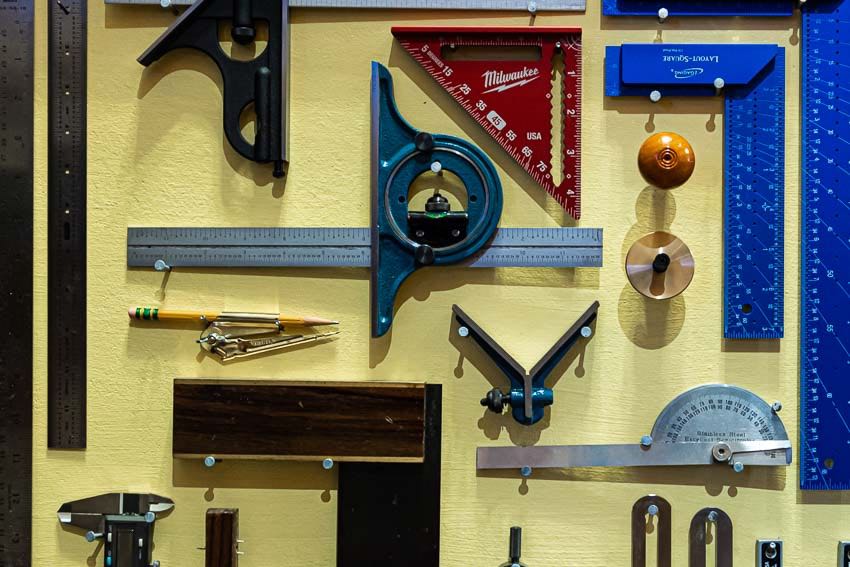
The best tool depends on the task. A carpenter may need a tape measure and a square. A machinist may need calipers and micrometers. A home cook may rely on measuring cups and spoons. The point is not to own every tool under the sun. The point is to use the right one for the job.
In my own work, I learned this the hard way on a small shelving project. I used a tape measure where a combination square would have saved me from a crooked cut. The lesson was simple: the wrong measuring tool can make a small mistake grow fast.
Why Accurate Measurement Matters
Accurate measurement affects quality, safety, cost, and results. A small error can lead to wasted materials, poor fit, or even unsafe installations. That is especially true in construction, engineering, woodworking, sewing, and cooking.
Here is why precision matters so much:
- It reduces waste by preventing bad cuts and rework
- It improves fit by helping parts align correctly
- It supports safety by reducing structural or setup errors
- It saves money by cutting down on replacements and delays
- It builds trust because accurate work looks and performs better
Industry groups and quality standards often stress measurement control because even tiny errors can stack up. In practical terms, the more exact the task, the more important the tool becomes. The Ultimate Measuring Tool Guide is really about matching accuracy to the task.
Main Types of Measuring Tools
The measuring world is broader than most people think. Some tools measure length. Others measure angles, weight, temperature, or volume. Knowing the categories helps you pick faster and smarter.
Length and Distance Tools
These are the most common tools people think of first.
- Tape measure: Best for construction, home projects, and large surfaces
- Ruler: Best for short, straight measurements and school or craft use
- Yardstick or meter stick: Useful for longer straight lines
- Laser distance measurer: Great for rooms, walls, and longer distances
A tape measure is still the everyday champion in many toolboxes. It is flexible, portable, and easy to use. A laser measurer, on the other hand, shines when you need speed or want to measure by yourself.
Precision Tools
These tools are made for fine measurements.
- Calipers: Measure inside, outside, and depth dimensions
- Micrometers: Measure very small thicknesses with high precision
- Dial indicators: Check tiny movement or variation
- Feeler gauges: Measure small gaps and clearances
I once used calipers to compare replacement parts that looked identical to the eye. They were not identical at all. That kind of tool teaches you that “close enough” is not always close enough.
Angle and Level Tools
These help you keep things straight and aligned.
- Combination square: Checks 90-degree and 45-degree angles
- Speed square: Popular for framing and quick layout work
- Protractor: Measures angles directly
- Spirit level: Checks horizontal and vertical alignment
- Laser level: Projects a visible straight line across a room
If you have ever hung a shelf that slowly looked more tilted the longer you stared at it, you already understand the value of a level. It is one of those tools that seems simple until you need it.
Weight, Volume, and Temperature Tools
These are common in kitchens, labs, and workshops.
- Digital scale: Measures weight or mass
- Measuring cups and spoons: Standard in cooking and baking
- Graduated cylinder: Used for liquid volume in labs
- Thermometer: Measures heat or temperature
- Hygrometer: Measures humidity in some settings
Baking is a perfect example. In baking, measurement is not just helpful. It is the whole game. A little too much flour can change texture, rise, and taste.
How to Choose the Right Measuring Tool
Choosing the right tool is easier when you focus on the task first. Many people buy based on brand or price alone, but that can lead to disappointment. Start with what you need to measure, then think about accuracy, range, and ease of use.
Use this simple process:
-
Identify the job
Decide what you need to measure and where you will use the tool. -
Set the accuracy level
A furniture build may need more precision than hanging a picture frame. -
Check the measurement range
Make sure the tool can handle both small and large tasks. -
Consider the environment
Wet, dusty, bright, or cramped spaces may require a special tool. -
Think about readability
Large numbers, clear markings, or digital displays can reduce mistakes. -
Look at durability
A tool that breaks easily is not a bargain.
One mistake I have seen many times is buying a cheap tool that is hard to read. If you cannot trust the markings, you cannot trust the result. The Ultimate Measuring Tool Guide should always start with clarity.
Measuring Tool Features That Matter Most
Not all measuring tools are equal. A polished body or fancy display does not always mean better performance. The features below usually matter most in real use.
- Accuracy: How close the reading is to the true value
- Precision: How repeatable the reading is
- Range: The minimum and maximum values the tool can measure
- Durability: How well the tool handles wear and impact
- Ease of reading: Clear markings or simple digital screens
- Portability: Easy to carry and store
- Calibration: The ability to stay reliable over time
If you work in a field where results matter every day, calibration becomes especially important. A tool that drifts out of spec can quietly create repeated errors. That is why professionals often check their tools on a schedule.
Analog vs Digital Measuring Tools
Both analog and digital tools have a place. The best choice depends on your needs, your budget, and how you like to work.
Analog Tools
Analog tools use markings, dials, or mechanical scales.
Benefits:
- No batteries required
- Often durable and simple
- Easy to use in basic tasks
- Usually more affordable
Limitations:
- Can be harder to read
- May require more practice
- Fine measurements can be less convenient
Digital Tools
Digital tools show the measurement on a screen.
Benefits:
- Easy to read
- Often more precise
- Helpful for fast work
- Some models store data or switch units
Limitations:
- Need batteries or charging
- Can be more expensive
- Screens may fail in rough conditions
I like analog tools for rough work and digital tools when speed and clarity matter. In real use, the best toolbox often includes both. That balance is a smart theme in the Ultimate Measuring Tool Guide.
Best Measuring Tools for Common Uses
Different jobs call for different tools. Here is a practical breakdown of what works best in common situations.
Home Improvement
- Tape measure for walls, floors, and furniture
- Spirit level for shelves, frames, and cabinets
- Combination square for corners and small layouts
- Laser distance measurer for rooms and larger spaces
Woodworking
- Tape measure for rough layout
- Combination square for marking lines and angles
- Calipers for exact part checks
- Clamps with built-in measuring scales for repeat cuts
Sewing and Fashion
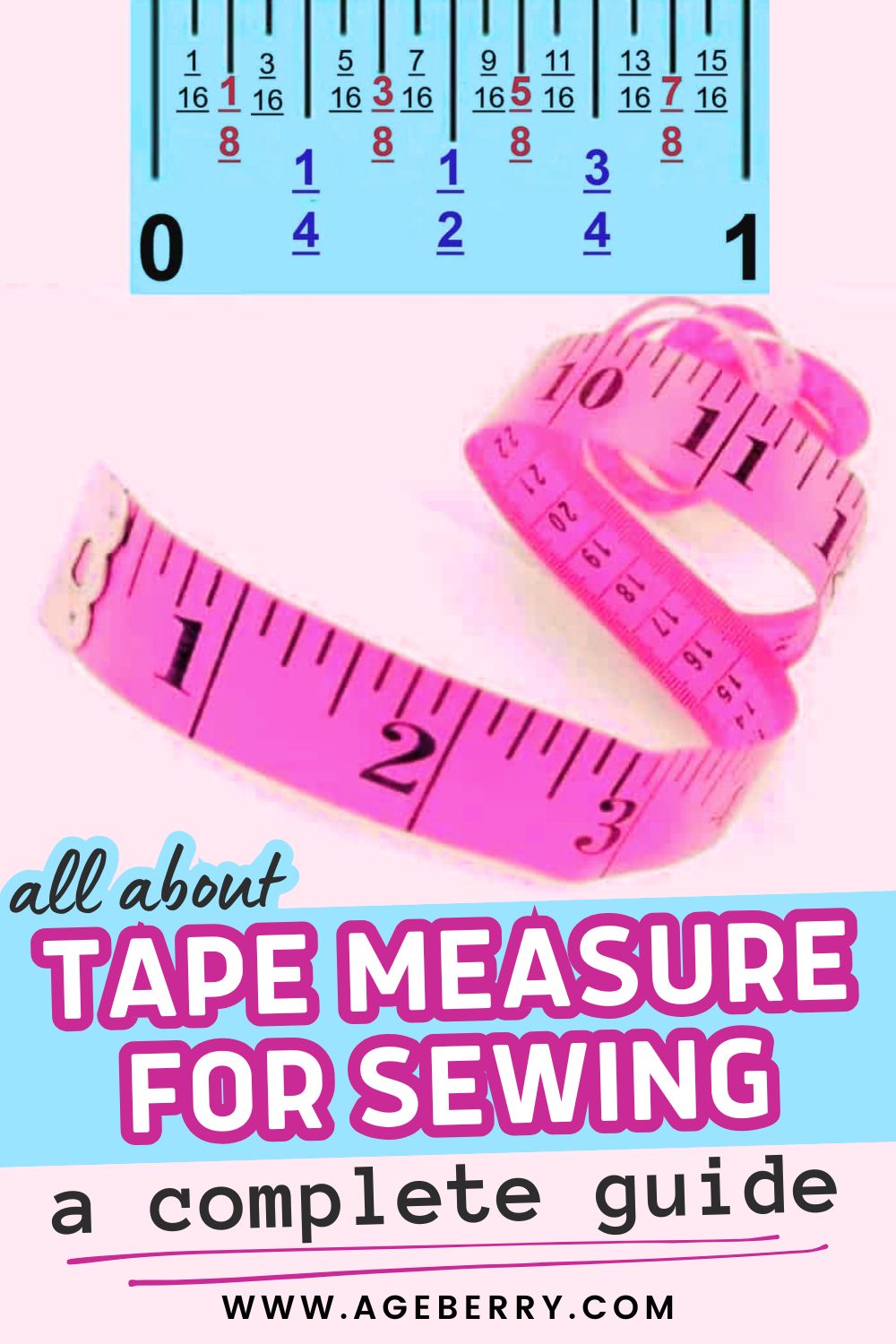
- Flexible measuring tape for body and fabric
- Seam gauge for hems and small folds
- Clear ruler for pattern work
Cooking and Baking
- Measuring cups for dry and wet ingredients
- Measuring spoons for small amounts
- Kitchen scale for accuracy
- Thermometer for food safety and doneness
Automotive and Mechanical Work
- Calipers for part dimensions
- Micrometers for exact thickness
- Torque tools with measurement scales
- Feeler gauges for spacing and clearance
The key lesson is simple: one tool rarely solves everything. The most efficient workers know how to switch tools without hesitation.
How to Use Measuring Tools Correctly
Even the best tool can give a bad result if you use it poorly. Technique matters just as much as the tool itself. Good habits make measurements more trustworthy.
Follow these basics:
- Start at the correct zero point
- Keep the tool straight and steady
- Read the measurement at eye level when possible
- Avoid bending flexible tools
- Check twice before cutting or drilling
- Clean the tool before and after use
A common mistake is reading a tape measure at an angle. That can create parallax error, which is a fancy term for a simple problem: your eye changes what you think you see. It is small, but it can ruin precision work.
Maintenance Tips for Longer Tool Life
A measuring tool can last for years if you treat it well. Dirt, moisture, drops, and rough storage are the main enemies. A few easy habits can protect your tools and your results.
- Wipe tools clean after each use
- Store them in a dry case or drawer
- Avoid dropping precision tools
- Check for bent edges or worn markings
- Replace batteries in digital tools before they fail
- Recalibrate precision tools when needed
I have seen tape measures survive a lot, but even they wear out. The metal hook loosens, the blade bends, and the numbers fade. When that happens, you are not just dealing with an old tool. You are dealing with unreliable data.
Common Measuring Mistakes to Avoid
Mistakes happen to everyone, but they are easy to reduce once you know what to watch for. Many measurement errors are repeat problems, not random accidents.
Common mistakes include:
- Using the wrong tool for the job
- Forgetting to account for tool thickness
- Reading markings too fast
- Measuring on a curve when a straight line is needed
- Ignoring calibration or wear
- Mixing units like inches and millimeters
One of the biggest errors I see is unit confusion. A project can go sideways fast when one person thinks in metric and another thinks in imperial. The Ultimate Measuring Tool Guide is not just about tools. It is about careful thinking.
Benefits of Learning Measurement Skills
Good measuring habits pay off in many areas of life. They make work cleaner, faster, and less stressful. They also build confidence because you stop relying on guesswork.
Benefits include:
- Better accuracy in projects
- Less material waste
- Safer work
- Faster problem-solving
- More professional-looking results
- Stronger confidence in your own skills
These skills also transfer. If you learn to measure well in one area, you usually improve in others too. That is why the Ultimate Measuring Tool Guide is useful for beginners and experienced users alike.
How Technology Is Changing Measuring Tools
Measuring tools have changed a lot in recent years. Digital displays, laser systems, wireless syncing, and app support are becoming more common. These changes make measurement faster and easier for many users.
Newer tools can offer:
- Instant readings
- Stored measurement history
- Unit conversion
- Greater range
- Better visibility in dim spaces
Still, technology is not magic. Digital tools can fail, batteries can die, and app features can be overkill for simple jobs. I always tell people not to confuse smart features with better judgment. A basic tool used well is often better than a fancy one used carelessly.
Frequently Asked Questions of The Ultimate Measuring Tool Guide
What is the most important measuring tool to own first?
A tape measure is usually the best first tool because it works for many everyday tasks. It is useful for home projects, furniture, room layouts, and basic repairs.
Are digital measuring tools better than analog tools?
Digital tools are easier to read and often faster, but analog tools are simpler and do not need batteries. The better choice depends on your task, budget, and comfort level.
How often should measuring tools be calibrated?
That depends on how often you use them and how precise the work must be. Precision tools should be checked regularly, especially if they are used in professional settings.
What is the best measuring tool for small objects?
Calipers are usually the best choice for small objects because they give accurate readings for inside, outside, and depth measurements. For very fine work, a micrometer may be even better.
Why do my measurements keep coming out wrong?
Common reasons include using the wrong tool, reading at the wrong angle, or working with a worn or damaged tool. Poor technique and unit confusion also cause a lot of errors.
Conclusion
The right measuring tool can make a project easier, safer, and much more accurate. Whether you are hanging a shelf, building furniture, cooking a recipe, or checking a part for precision, the core idea stays the same: measure carefully, choose the right tool, and trust the numbers only after you have checked them.
If you remember just one thing from this guide, let it be this: the best results come from matching the tool to the task, not from grabbing the nearest gadget. Start small, build good habits, and keep learning as you go. If this guide helped, explore more practical tool tips, subscribe for updates, or leave a comment with the measuring tool you use most often.