
An impact driver gives you fast, high-torque fastening power with less wrist strain and better control.
If you have ever driven long screws into dense wood or fought a stubborn lag bolt, you already know why the impact driver matters. I’ve used plenty of tools over the years, and the impact driver is one of those devices that feels like a cheat code once you understand it. This guide walks you through what it does, when to use it, how to choose one, and how to get the best results from it.
What an Impact Driver Is and Why It Matters
An impact driver is a compact power tool made for driving screws and bolts with strong rotational force. It uses a mix of spinning force and quick impact blows to push fasteners into tough material without bogging down as easily as a drill.
That makes the impact driver useful for deck work, framing, cabinetry, fencing, and general home repair. It is not just about speed. It is about control, comfort, and getting through heavy work without wearing yourself out.
Here is the simple version:
- A drill is better for drilling holes and light fastening
- An impact driver is better for driving long screws and tough fasteners
- An impact wrench is better for loosening or tightening heavy bolts on vehicles and machinery
In my own work, the moment I switched from forcing a drill to using an impact driver for long construction screws, the difference was obvious. The tool felt like it was doing the hard part for me, while my wrist finally got a break.
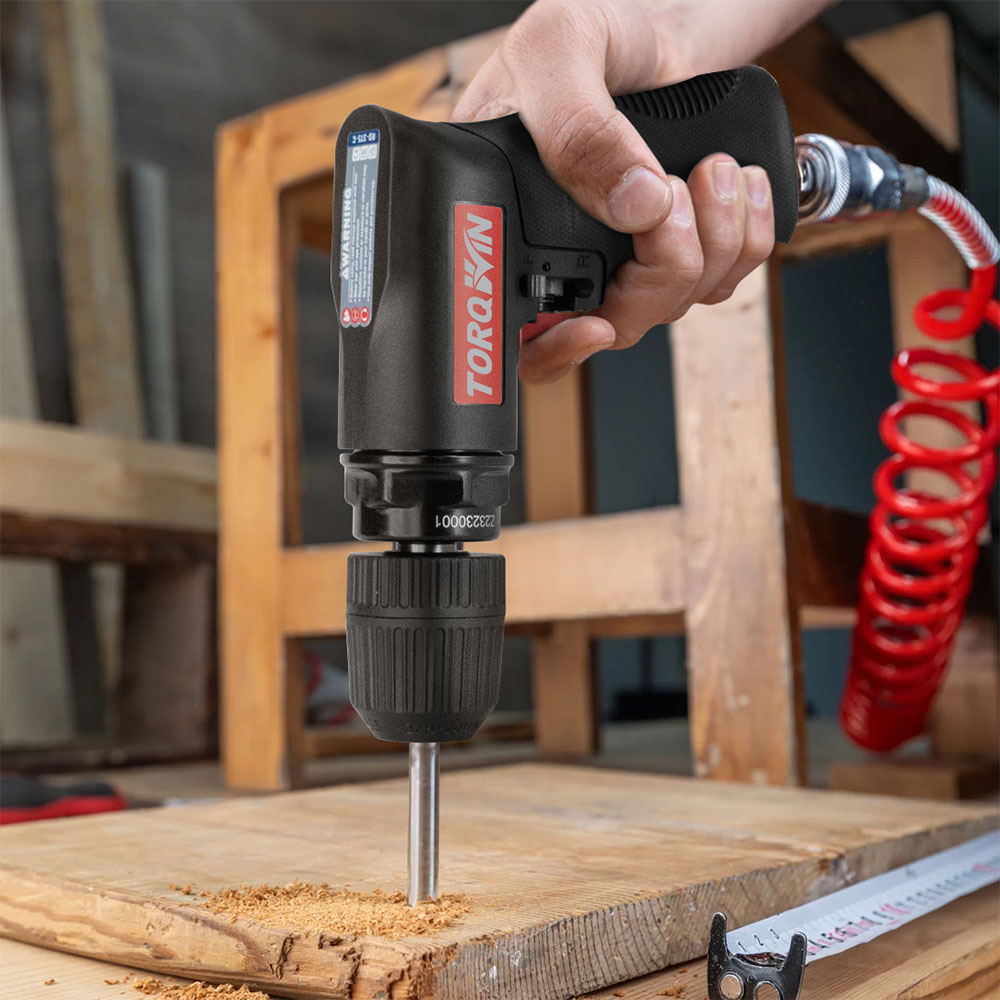
How an Impact Driver Works
The heart of the impact driver is its impact mechanism. When resistance rises, the tool does not just stop and twist your wrist. Instead, it delivers rapid rotational impacts that help keep the fastener moving.
This design gives the tool three big advantages:
- More torque in a smaller body
- Less user fatigue
- Better performance in dense materials
Most modern models use a 1/4-inch hex chuck, which makes bit changes quick and simple. That is one reason many pros keep an impact driver close by all day. It is fast to use, easy to load, and strong enough for a wide range of tasks.
The action can sound loud and sharp, almost like a little jackhammer. That noise is normal. It is the sound of the internal hammering system working.
When You Should Use an Impact Driver
An impact driver shines when a task needs high torque and repeated fastening. It is especially handy when a screw is long, the wood is hard, or the job has many fasteners.
Good times to use an impact driver include:
- Driving deck screws into pressure-treated lumber
- Fastening framing lumber
- Building fences or pergolas
- Installing subfloors
- Securing lag screws or large structural screws
- Assembling heavy-duty furniture
- Removing old, stuck screws with the right bit
I have found it especially useful on outdoor jobs. Wet, knotty, or treated lumber can make a regular drill feel weak fast. The impact driver keeps moving where other tools start to stall.
When You Should Not Use an Impact Driver
An impact driver is powerful, but it is not the right tool for everything. It is easy to overdrive screws, strip heads, or damage delicate materials if you use it carelessly.
Avoid or limit its use for:
- Very small screws in soft materials
- Delicate cabinet hardware
- Masonry drilling
- Tasks that require smooth, controlled low-speed drilling
- Bits that are not rated for impact use
For sensitive work, a drill or drill driver usually makes more sense. I learned this the hard way early on when I used an impact driver on a small finish screw. The screw sank too deep before I could react, and the surface needed repair. That lesson sticks with you.
Key Features to Look For in The Ultimate Impact Driver Guide
Choosing the right model is easier when you know what matters. The best impact driver for your needs depends on torque, speed, battery system, size, and comfort.
Torque
Torque is the twisting force the tool can deliver. Higher torque helps with bigger screws and tougher materials. For most DIY work, you want enough power to handle common projects without feeling oversized.
Speed Settings
Many good models offer variable speed and multiple drive modes. These help you control the tool for lighter work or max power when needed. A lower setting is often better for starting screws cleanly.
Brushless Motor
Brushless motors are more efficient, cooler, and often longer lasting than brushed motors. They also tend to give better battery life. For many buyers, this is one of the best upgrades to look for.
Battery Platform
If you already own cordless tools, it helps to stay in the same battery family. That saves money and keeps charging simple. The best tool is often the one that fits your current system.
Size and Weight
A compact impact driver is easier to handle in tight spaces. A lighter tool also helps reduce fatigue during long jobs. On a ladder or overhead task, that difference really matters.
Chuck and Bit Compatibility
Most impact drivers use a 1/4-inch hex chuck. Make sure your bits are impact-rated. Regular bits can break more easily under repeated force.
Built-In Light
A small LED light may seem minor, but it helps a lot in dark corners, under sinks, and inside cabinets. I used to shrug off this feature. After enough under-deck and attic work, I now count it as a real plus.
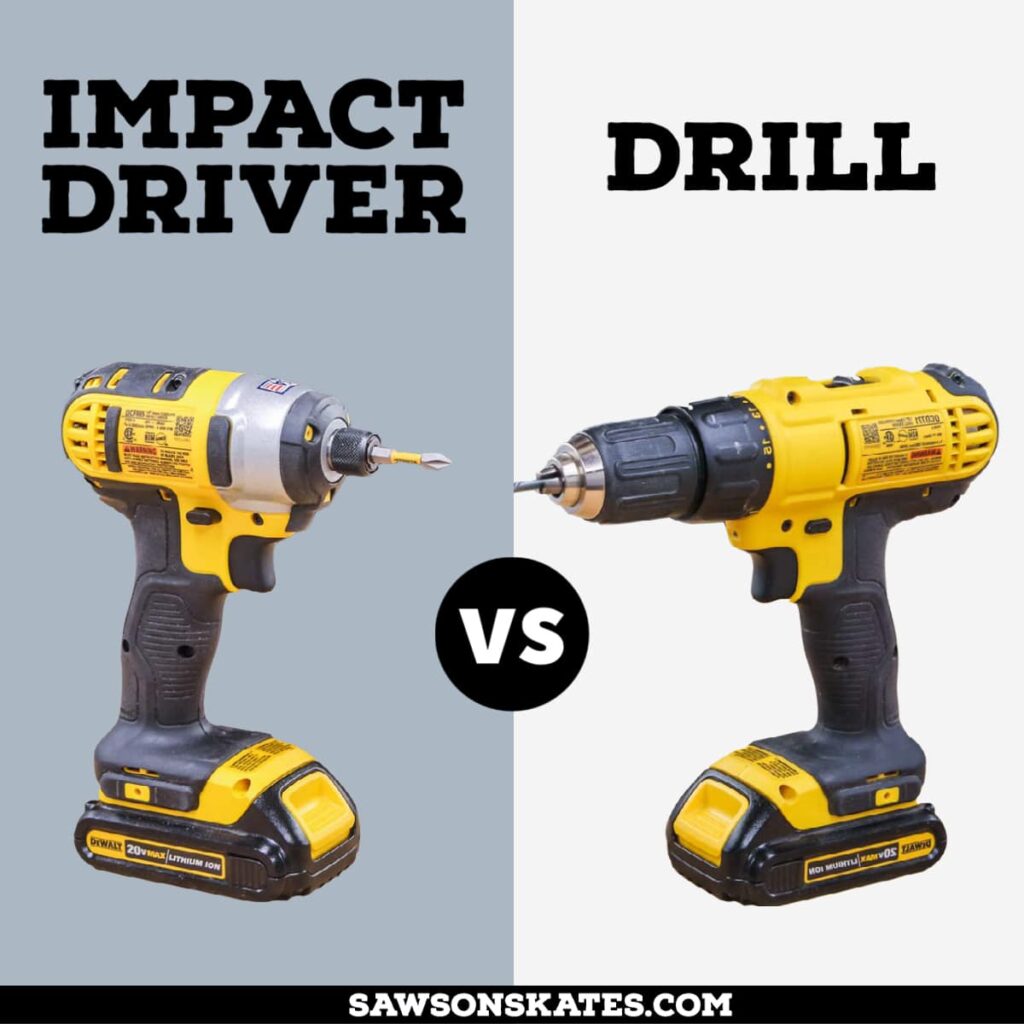
Impact Driver vs Drill: What Is the Difference?
People often confuse these two tools because they can both drive screws. The difference comes down to how they apply force and what they are best at.
A drill is more versatile for:
- Drilling holes in wood, metal, or plastic
- Light screw driving
- Tasks that need smooth, even rotation
An impact driver is better for:
- Long screws
- Dense wood
- Heavy fastening
- Preventing wrist twist under load
Think of a drill as a steady runner and an impact driver as a burst sprinter with extra punch. The drill is the better all-rounder. The impact driver is the specialist that wins the hard jobs.
Impact Driver vs Impact Wrench
These tools may sound alike, but they serve different jobs. An impact wrench is usually used for nuts and bolts, especially in automotive work. An impact driver is designed mainly for screws and lag fasteners.
Main differences:
- Impact driver uses 1/4-inch hex bits
- Impact wrench uses square drive anvils and sockets
- Impact wrench delivers much higher torque for mechanical fasteners
- Impact driver is lighter and better for carpentry and general fastening
If you are working on a car, the impact wrench is usually the correct tool. If you are building a deck, the impact driver is often the better choice.
How to Use an Impact Driver the Right Way
Using an impact driver is simple, but a few habits make a big difference. A little care prevents stripped screws, broken bits, and sloppy results.
Follow these steps:
- Choose the right bit for the screw head
- Use impact-rated bits whenever possible
- Start the screw straight
- Apply firm but not excessive pressure
- Let the tool do the work
- Stop when the screw is flush or just slightly below the surface
- Use lower speed or drive mode for delicate tasks
One mistake I see often is pushing too hard. People think more pressure means more control. Usually, it just means more fatigue. The better move is to keep the bit seated and let the tool deliver the force.
Common Mistakes to Avoid
Even a great tool can give poor results if used badly. These are the mistakes that cause most problems.
- Using the wrong bit type
- Driving too fast in soft wood
- Overdriving fasteners
- Using non-impact-rated accessories
- Forgetting to predrill in hard or split-prone wood
- Using the tool for a job that needs a drill instead
The best habit is to slow down at the start. Once the screw is set and straight, you can increase speed with more confidence. That small pause saves time later.
Best Materials and Projects for an Impact Driver
An impact driver is especially useful in materials that fight back. Hardwood, pressure-treated lumber, and heavy framing all benefit from the extra force.
Great projects include:
- Building a deck
- Hanging a fence
- Framing a wall
- Installing joists or subfloor panels
- Assembling outdoor structures
- Repairing a shed or garage
- Working on large furniture with long fasteners
If a project has a lot of repetitive fastening, the impact driver becomes even more valuable. It helps keep your pace steady without tiring your hand and forearm as quickly.
Safety Tips for Using an Impact Driver
Power tools are safest when treated with respect. An impact driver is compact, but it still deserves good habits.
Keep these safety basics in mind:
- Wear eye protection
- Hold the tool with both hands when possible
- Use the correct bit size
- Keep fingers away from the fastener path
- Disconnect the battery before changing bits
- Make sure the workpiece is secured
- Watch for kickback on stubborn fasteners
The biggest safety lesson is simple: do not rush. Most mistakes happen when the user is tired, distracted, or trying to force the task. Slow and steady usually wins.
How to Choose the Right Impact Driver for Your Needs
The right model depends on the work you do most often. A homeowner with basic repair needs will not need the same tool as a deck builder or contractor.
Ask yourself:
- Do I need compact size or maximum power?
- Am I already using a cordless battery platform?
- Will I work mostly with wood, metal, or mixed materials?
- Do I need one speed or multiple drive modes?
- Is comfort more important than top-end torque?
For light home use, a mid-range cordless model is often enough. For frequent construction work, brushless power, stronger torque, and better ergonomics are worth paying for. In my experience, comfort matters more than many people expect. A tool that feels balanced will get used more often.
Maintenance Tips That Keep Your Impact Driver Working Well
A little maintenance goes a long way. You do not need a fancy routine, just a few simple habits.
- Wipe dust and debris from the tool after use
- Store batteries in a cool, dry place
- Check bits for wear and replace damaged ones
- Keep vents clear
- Use the charger recommended for the battery
- Avoid dropping the tool whenever possible
Good tools last longer when they are treated like real investments. I have seen impact drivers survive years of regular use just because the owner kept them clean and used the right accessories.
Frequently Asked Questions of The Ultimate Impact Driver Guide
What is the main purpose of an impact driver?
The main purpose of an impact driver is to drive screws and fasteners with strong torque and less wrist strain. It works especially well in dense materials and on long fasteners.
Can an impact driver replace a drill?
Not completely. An impact driver is great for fastening, but a drill is still better for drilling holes and more delicate control work.
Do I need special bits for an impact driver?
Yes, impact-rated bits are best because they are made to handle repeated force. Regular bits can wear out or break faster under impact use.
Is an impact driver good for beginners?
Yes, it is beginner-friendly once you learn the basics. The key is to start slowly, keep the bit straight, and avoid overdriving screws.
Why is an impact driver louder than a drill?
It is louder because of its internal hammering action. That impact mechanism helps deliver extra force when the fastener meets resistance.
Conclusion
The Ultimate Impact Driver Guide comes down to one simple idea: this tool makes hard fastening jobs easier, faster, and less tiring. Once you understand where it fits, you can choose better tools, work more cleanly, and avoid the common mistakes that waste time and materials.
If you are building, repairing, or upgrading around the house, an impact driver can quickly become one of your most-used tools. Take what you learned here, match the tool to the job, and make your next project smoother. If you found this guide useful, explore more tool tips, compare models carefully, and share your own experience in the comments.