
Fastener corrosion is a common issue in homes, vehicles, bridges, outdoor equipment, and industrial systems across the United States. A small rust spot on a screw may look harmless, but corrosion can slowly reduce strength and make parts unsafe.
From my experience reviewing hardware failures, I have found that most corrosion problems start with simple factors like trapped moisture, poor material selection, or missing protective coatings. Understanding these causes helps homeowners and professionals choose better fasteners and avoid costly repairs.
What Is Fastener Corrosion?
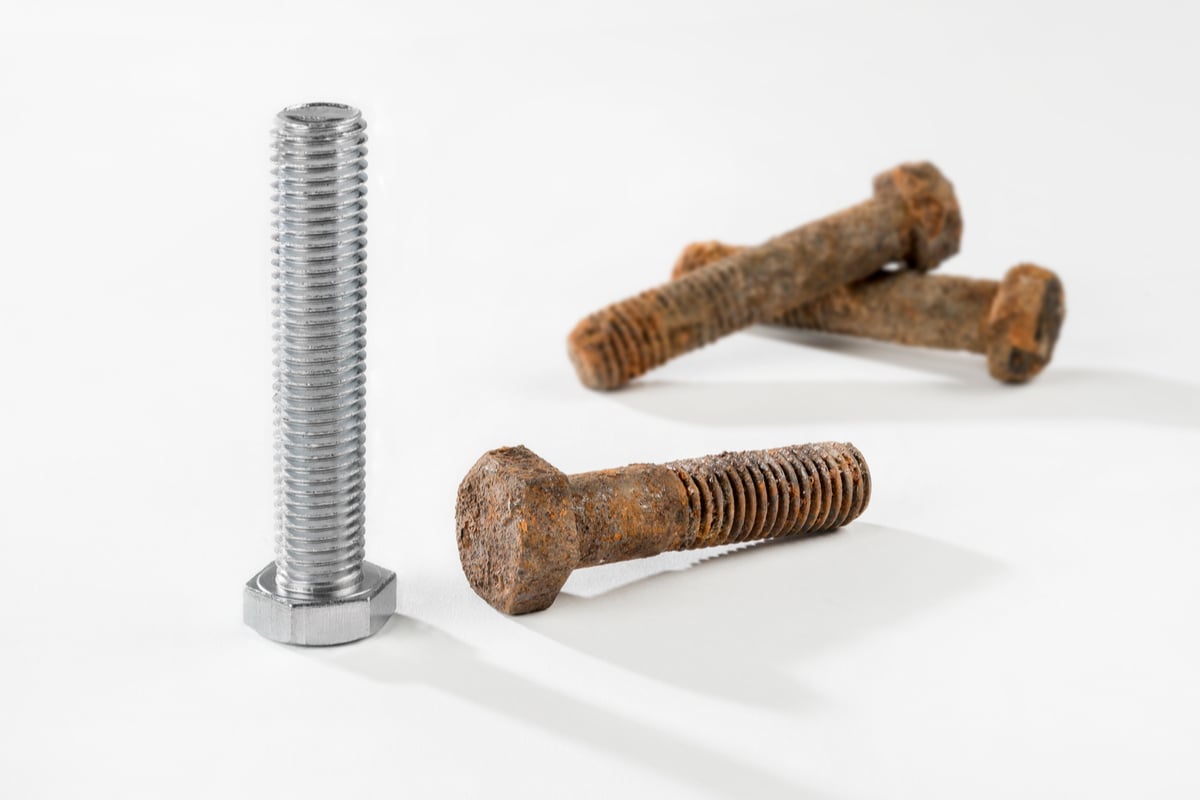
Fastener corrosion is the gradual breakdown of metal fasteners caused by chemical or electrochemical reactions. These reactions change the metal surface and can reduce strength over time.
Common fasteners affected include screws, bolts, nuts, washers, anchors, and rivets. Corrosion can appear as rust, discoloration, surface damage, or deep metal loss.

- ✦ Rust Formation
Iron and steel fasteners react with oxygen and water to create iron oxide, commonly known as rust.
- ✦ Strength Loss
Corrosion can reduce the thickness and load capacity of a fastener.
Why Fastener Corrosion Matters
A corroded fastener may become difficult to remove, fail under stress, or damage nearby materials. This makes corrosion prevention important in construction and repair work.
Common Causes of Fastener Corrosion
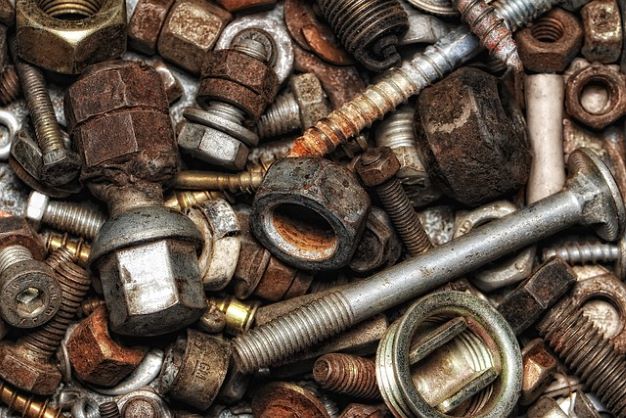
Fastener corrosion usually develops when metal faces a harsh environment for a long time. Moisture, salt, chemicals, and temperature changes can speed up the process.
In the U.S., coastal areas, winter roads, marine equipment, and outdoor structures often experience higher corrosion risks because of salt exposure.
- ✦ Moisture Exposure
Water creates conditions where chemical reactions can attack metal surfaces.
- ✦ Salt and Chemicals
Salt, cleaning chemicals, and industrial fluids can accelerate corrosion.
- ✦ Mixed Metals
Contact between different metals can create galvanic corrosion.
Types of Fastener Corrosion
Different environments create different corrosion patterns. Identifying the type helps professionals select the right repair or prevention method.
Some corrosion affects only the surface, while other forms attack hidden areas and create serious structural risks.

- ✦ Uniform Corrosion
This type removes metal evenly across the fastener surface.
- ✦ Galvanic Corrosion
This occurs when different metals connect in the presence of moisture.
- ✦ Crevice Corrosion
This develops in small gaps where moisture and contaminants become trapped.
Stress Corrosion Cracking
Stress corrosion cracking happens when mechanical stress combines with a corrosive environment. It can cause sudden fastener failure without obvious surface damage.
Materials That Resist Fastener Corrosion
Selecting the correct material is one of the best ways to control fastener corrosion. Different metals perform better in specific environments.
Stainless steel, coated steel, and corrosion-resistant alloys are common choices for demanding applications.

- ✦ Stainless Steel
Stainless steel provides strong corrosion resistance because of its protective chromium oxide layer.
- ✦ Galvanized Steel
Zinc coatings protect steel fasteners from rust in many outdoor applications.
- ✦ Special Alloys
Nickel alloys and other materials help in extreme chemical environments.
How to Prevent Fastener Corrosion
Preventing fastener corrosion starts before installation. The correct fastener choice, coating, and maintenance routine can greatly improve service life.
Professionals often combine material selection with protective coatings and proper installation practices for long-term results.

- ✦ Use Protective Coatings
Coatings such as zinc plating and specialized finishes create barriers against moisture.
- ✦ Avoid Metal Compatibility Problems
Use compatible materials to reduce galvanic corrosion risks.
- ✦ Inspect Regularly
Routine checks help identify early corrosion before major damage occurs.
Maintenance Tips for Long-Term Protection
Clean exposed fasteners, remove contaminants, and replace damaged hardware when needed. Small maintenance steps can prevent larger repair costs.