
Use the right screw, nail, or bolt for your wood and load.
This is The Ultimate Woodworking Fastener Guide I wish I had on day one. I have broken screws in oak, split maple rails, and watched deck screws corrode to dust. In this clear, hands-on tour, The Ultimate Woodworking Fastener Guide shows you what to use, why it works, and how to install it right the first time. If you want fewer cracks, tighter joints, and builds that last, read on.
How Fasteners Work in Wood
Wood is strong, but it moves. Fibers swell and shrink across the grain with changes in humidity. Fasteners must hold while letting tops float and frames breathe. The Ultimate Woodworking Fastener Guide starts with how loads work in wood.
- Withdrawal load is pull-out strength along the screw’s axis.
- Shear load is a sideways force that tries to slice the fastener.
- End grain holds poorly. Side grain holds best.
I learned this the hard way when a screw in pine end grain slipped under a shelf load. Screws bite best in side grain with a proper pilot hole. The Ultimate Woodworking Fastener Guide will keep you from repeating that mistake.

Types of Woodworking Fasteners
There is no one fastener for every job. The right choice depends on wood type, joint style, and use. This section of The Ultimate Woodworking Fastener Guide breaks down the most-used options.
Screws
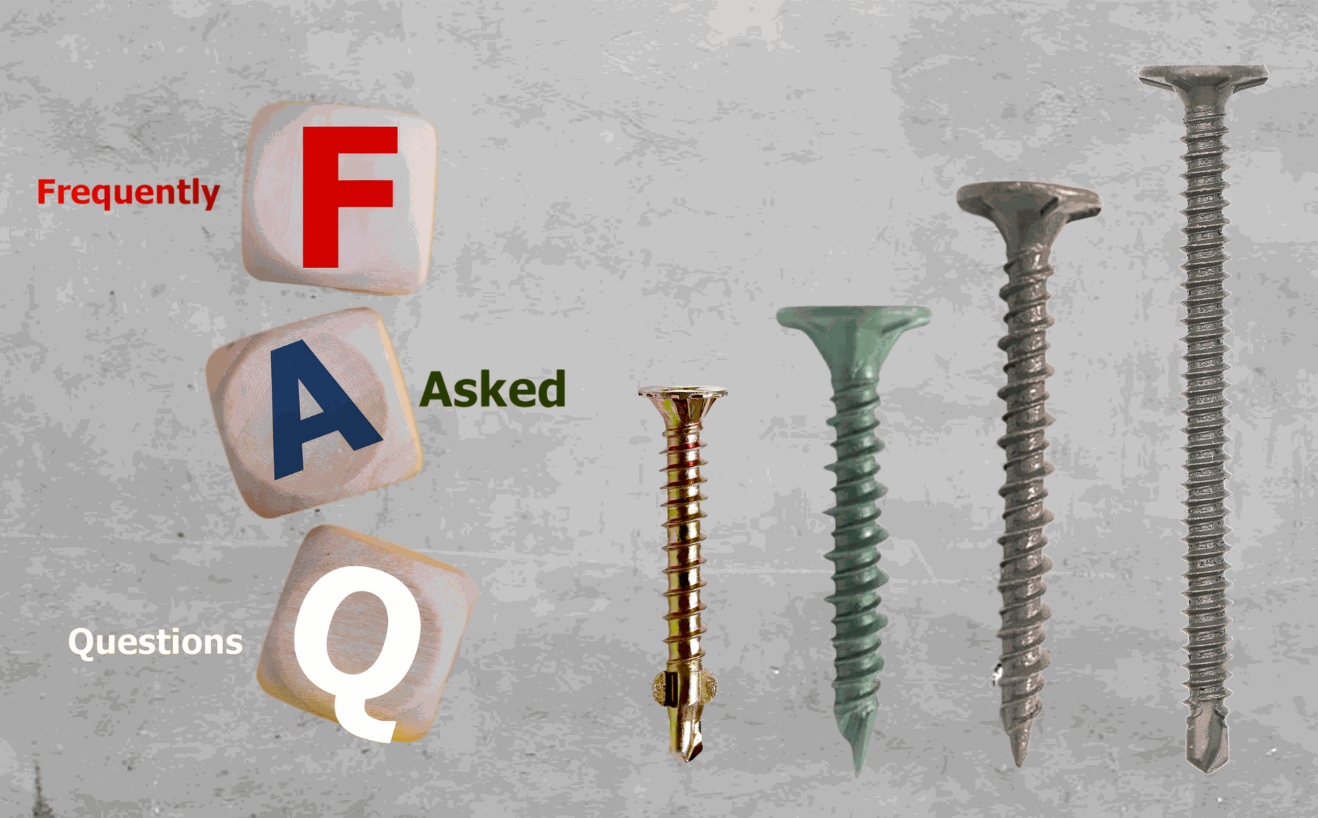
- Wood screws Classic for joinery. Tapered or modern parallel shanks with deep threads.
- Deck screws Coated, often with Type 17 points that reduce splitting outdoors.
- Pocket hole screws Washer head and self-tapping. Coarse for softwood, fine for hardwood.
- Confirmat screws Large, deep threads for MDF and particleboard. Great for cabinets.
- Lag screws Big diameter for heavy loads. Pre-drill both pilot and clearance holes.
- Threaded inserts Add machine threads inside wood for repeated assembly.
Nails, Brads, and Pins
- Common nails For framing and rough work. Good shear, weaker withdrawal.
- Finish nails For trim. Small heads that set below the surface.
- Brads and pins For delicate trim. Minimal splitting and tiny holes.
- Ring-shank and spiral nails Better grip for subfloors, fence boards, and siding.
- Cut nails Old-school. Great in hardwood and for period work.
Bolts, Nuts, and Knock-Down Hardware
- Carriage and hex bolts Pass through the joint with washers and nuts for clamps that never tire.
- Cross dowels and barrel nuts Great for beds and knock-down furniture. Strong and serviceable.
- T-nuts and hanger bolts Use for legs, feet, and fixtures that come off and on.
- Cam locks Flat-pack favorite for tool-free assembly, common in cabinets.
- Figure-8 fasteners and Z-clips Let table tops move while staying secure.
Staples
- Upholstery, cabinet backs, and light frames. Use the right crown and length. Glue helps.
Wooden Fasteners and Glue Partners
- Dowels, biscuits, and loose tenons They are joinery aids more than fasteners, but they locate parts and add strength.
- Adhesives Screws make instant clamps. Glue makes the joint last. Use both when you can.
The Ultimate Woodworking Fastener Guide pairs each fastener with clear use cases so you can pick fast and build with confidence.

Choosing the Right Fastener by Project and Material
Match the fastener to the wood and the task. This is where most builders win or lose. The Ultimate Woodworking Fastener Guide gives you a simple map.
- Softwood Coarse threads hold best. Longer screws help. Pilot lightly to avoid splitting.
- Hardwood Use pilots sized to the root of the thread. Consider fine-thread pocket screws.
- Plywood Standard wood screws work well. Avoid over-driving near edges.
- MDF and particleboard Use confirmat or deep, coarse-thread screws. Pre-drill and avoid over-torque.
- Outdoor builds Stainless or hot-dip galvanized screws. Avoid plain zinc outside.
- Visible hardware Brass or bronze looks great but is softer. Pre-drill and drive by hand near the end.
Are screws or nails stronger?
It depends on the load. Screws have better withdrawal strength, so they resist pull-out. Nails handle shear well, which suits framing and trim that is glued.
Which screws are best for MDF?
Use confirmat screws or purpose-made MDF screws with large, sharp threads. Drill a pilot and a small clearance hole to avoid bulging and splitting.
How long should a screw be?
A simple rule is 2.5 to 3 times the thickness of the top board. Aim for at least 1 inch of thread embedment in solid wood.
Refer back to The Ultimate Woodworking Fastener Guide when you hit a new material. It keeps choices simple and safe.
Anatomy of a Screw and Why It Matters
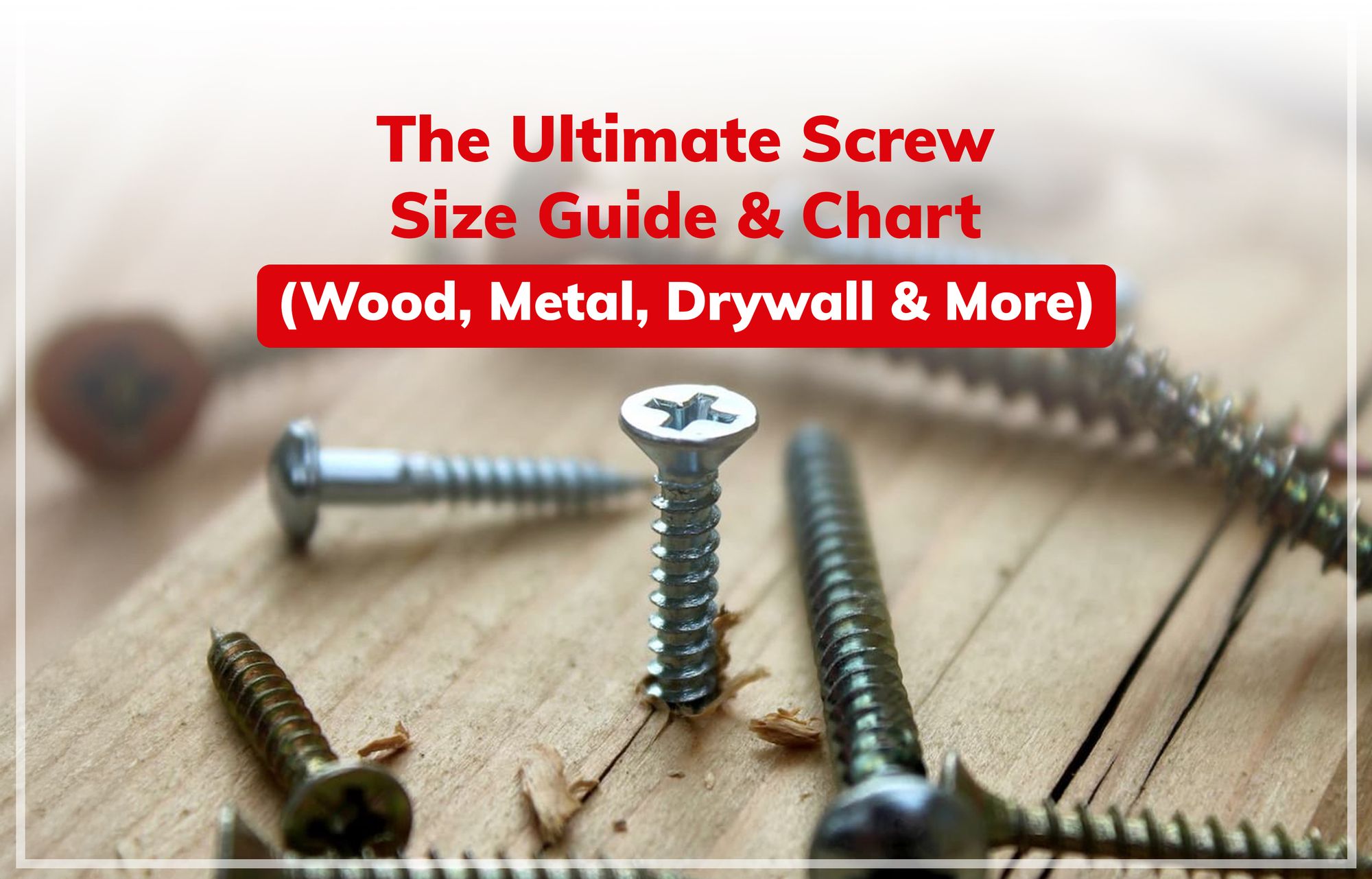
Small details change how screws drive and hold. The Ultimate Woodworking Fastener Guide breaks down the key parts.
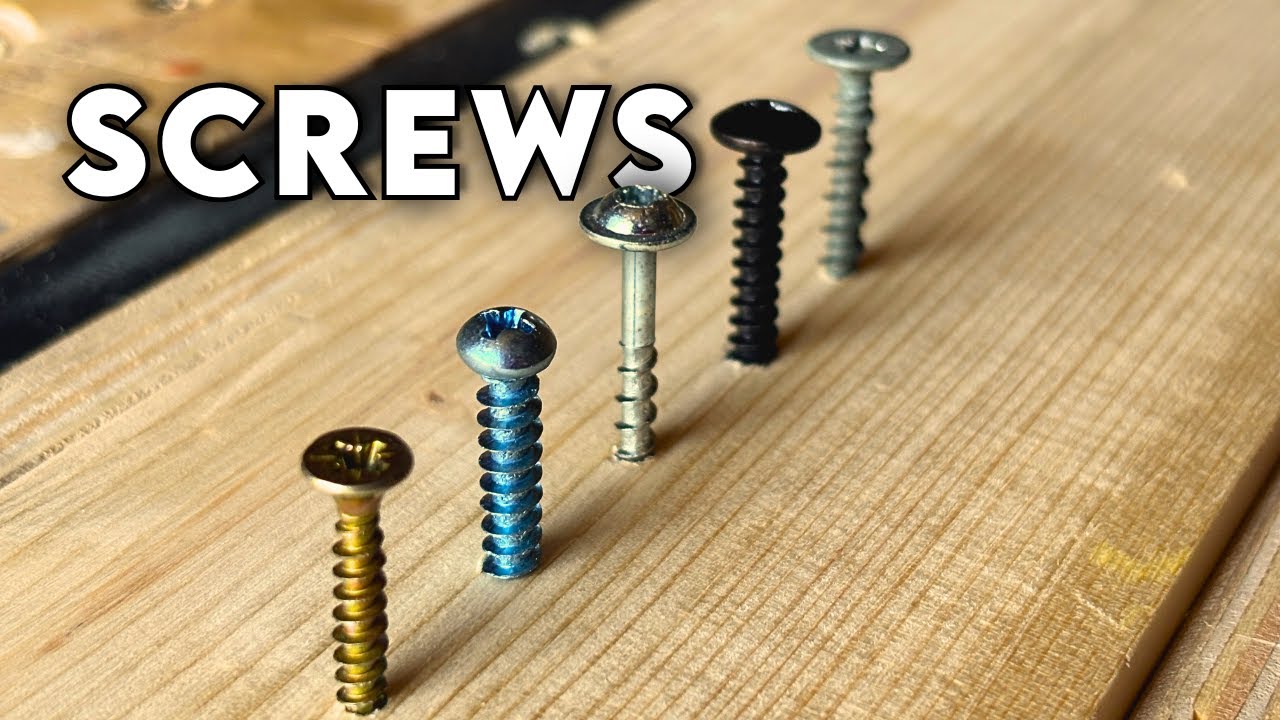
- Head shapes Flat, bugle, pan, round, truss, washer, and socket. Flat heads sink flush. Washer heads spread load.
- Drive types Torx, square, Phillips, Pozidriv, and slotted. Torx and square reduce cam-out and bit wear.
- Threads Coarse for softwood, specialty deep threads for MDF. Twinfast patterns drive quick.
- Points Type 17 cuts its own hole in softwood. Self-drilling points are for metal, not solid wood.
- Shank and root diameter Root size sets pilot size. Shank size sets clearance hole.
- Coatings Zinc, ceramic, epoxy, hot-dip galvanized, stainless, brass, bronze. Pick for the environment.
Pick a Torx washer head screw for pocket holes in hardwood. Pick a flat head with nibs for flush trim work. These small wins add up fast.
Pilot Holes, Countersinking, and Holding Power
Pre-drilling saves wood and screws. I once split a white oak stile by skipping the pilot. That fix took hours. A pilot hole takes seconds.
- Pilot size Aim for 70 to 90 percent of the screw’s root diameter. Go smaller in softwood, larger in hardwood.
- Clearance hole Match the shank diameter in the top board so the joint pulls tight.
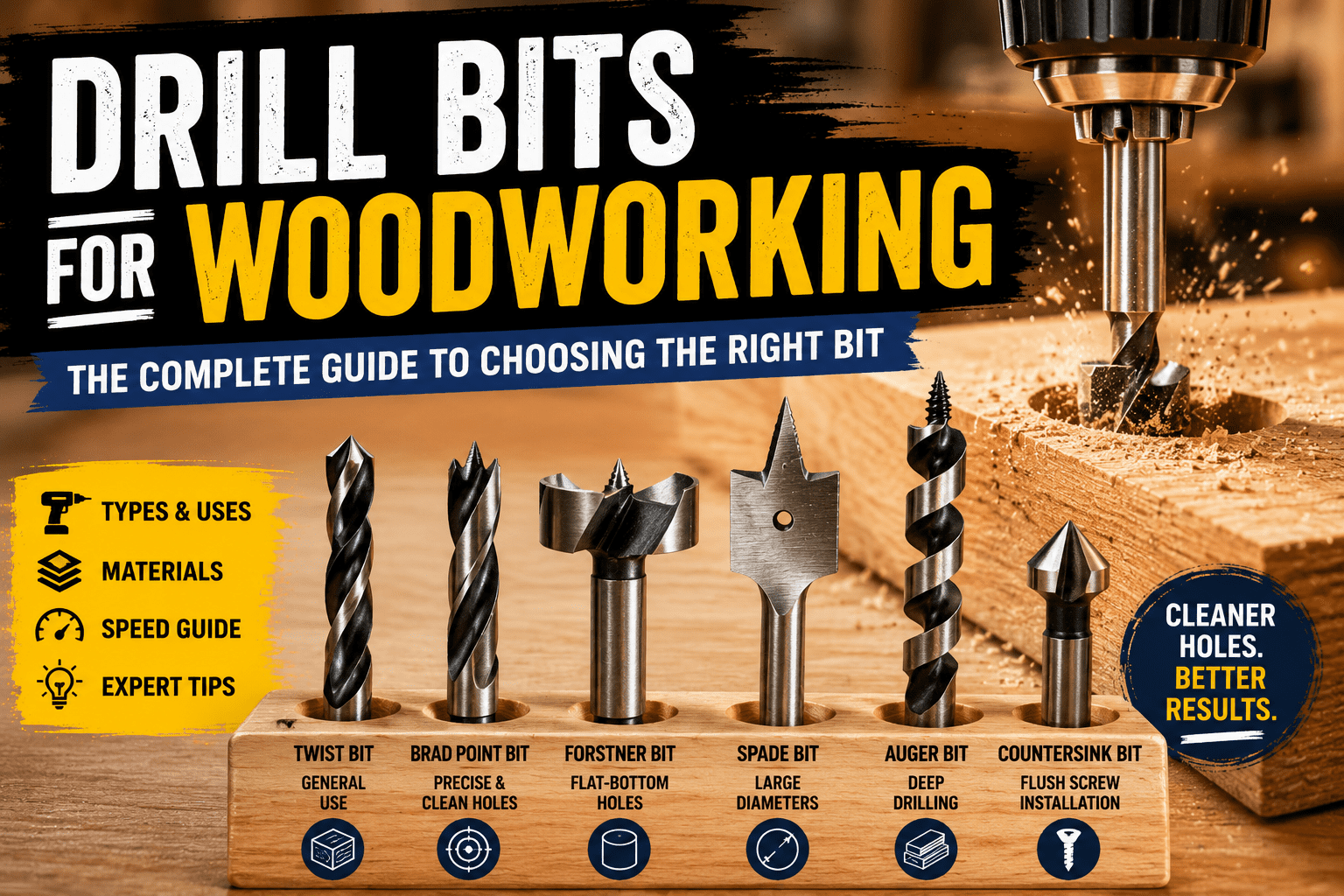
- Countersink Use a combined countersink and pilot bit for clean, repeatable seats.
- Lubrication A dab of paste wax on threads reduces torque and heat.
- Clamping Use a clamp to keep parts from shifting while you drive.
What size pilot hole do I need?
Measure the screw’s root. Drill close to that size in hardwood, and a bit smaller in softwood. Test on a scrap first for best bite without splitting.
Do I need to pre-drill for pocket holes?
Often no, because the screw is self-tapping. In dense hardwoods, a light pilot helps prevent splits and makes driving smooth.
A few test holes on scrap will dial in your setup. The Ultimate Woodworking Fastener Guide leans on tests, not luck.

Installation Best Practices and Common Mistakes
Good installs look neat and feel solid. Bad installs strip, split, or fail late. Here is what years of shop work taught me.
- Use the right bit Fresh Torx or square bits cut cam-out. Worn bits cause ugly heads.
- Control torque Use a clutch on drills. Stop before the head crushes fibers.
- Avoid end grain If you must, use larger screws and accept lower strength.
- Step drilling In hardwood and lags, drill pilot, clearance, and even a shank relief.
- Keep it straight Use a guide block for long screws to avoid wandering.
I once mixed stainless screws with plain steel hardware on a cedar bench. The steel rusted first and stained the wood. Keep metals and coatings compatible to avoid stains and galvanic corrosion.
The Ultimate Woodworking Fastener Guide is built on mistakes I have fixed, so you do not have to.

Corrosion, Coatings, and Outdoor Use
Moisture, salt, and chemicals attack metal. Pick the right coating and your work lasts. Pick wrong and stains or failures follow.
- Interior dry Zinc-plated is fine. Yellow zinc has a bit more protection.
- Exterior wet Hot-dip galvanized or stainless. Look for ACQ-rated screws for treated lumber.
- Coastal or marine 316 stainless or silicon bronze. 304 stainless is good inland.
- Tannic woods Oak and cedar can blacken plain steel. Use stainless, brass, or bronze.
Fasteners can react when two metals touch in wet settings. Keep one metal system in a build if you can. The Ultimate Woodworking Fastener Guide keeps outdoor choices simple and safe.
Structural vs Furniture-Grade Fasteners and Codes
Not all screws are structural. For decks and load-bearing parts, use rated fasteners. Look for published values and approvals.
- Structural screws Ledger, header, and heavy framing screws list shear and withdrawal values and carry evaluation reports.
- Furniture screws Great with glue for cases, chairs, and tables. Use more fasteners rather than one huge one.
- Washers Spread load under bolt heads and nuts. They protect wood fibers from crushing.
If half the strength of a joint is glue and wood, design for that. Let joints share the work. The Ultimate Woodworking Fastener Guide favors smart design over oversized hardware.

Cost, Sourcing, and Kit-Building Tips
Fasteners are cheap insurance. A small price bump for the right screw can save a project.
- Buy quality Drive heads fit better and the coating lasts.
- Stock a core kit #6, #8, #10 flat heads in common lengths, Torx bits, finish nails, and a few stainless for outdoor fixes.
- Label bins Note length, gauge, head, drive, and coating. Future you will thank present you.
- Test on scrap Try two or three options and pick the cleanest hole and tightest pull.
I keep a pocket box with a few confirmats, a handful of pocket screws, and a couple of figure-8s. That tiny kit has saved many shop hours. Keep The Ultimate Woodworking Fastener Guide close and your kit even closer.
Frequently Asked Questions
What is the best all-around wood screw for furniture?
A Torx-drive flat head wood screw works in most cases. It drives clean, seats flush, and holds well in hardwood and plywood.
Can I use drywall screws in woodworking?
Avoid them for furniture and structure. Drywall screws are brittle and can snap under shear or torque.
How do I stop wood from splitting near the edge?
Drill a proper pilot and use a sharp Type 17 point when you can. Stay at least two screw diameters away from edges and ends.
Are brass screws any good?
Yes, for looks and light duty, but they are soft. Pre-drill, wax the threads, and consider driving a steel screw first to cut threads.
What fasteners should I use for a solid wood tabletop?
Use figure-8 fasteners or Z-clips to allow seasonal movement. Screws alone will trap the top and can cause cracks.
Do I need washers under bolt heads in wood?
Yes, most of the time. Washers spread load and prevent the head or nut from crushing fibers.
How many screws should I use in a butt joint?
More, smaller screws are often better than one large one. Aim for even spacing and at least 1 inch of thread embedment.
Conclusion
Fasteners are small parts that decide if a project squeaks, sags, or stands tall for years. Choose for the wood, the load, and the place it will live. Pre-drill smart holes, control torque, and match metals to the job.
Open your next build with a plan from The Ultimate Woodworking Fastener Guide. Test on scrap. Stock a solid kit. Then build once, build right. If this helped, subscribe for more shop-tested guides or drop a question so we can solve it together.
Pingback: The Ultimate MDF Guide: Benefits And Uses - wood craftard
Pingback: The Ultimate Woodworking Joint Guide: Master Every Cut - wood craftard