
A Loose Tenon Guide helps woodworkers understand one of the most useful modern joinery methods. Instead of cutting a fixed tenon from one board, this method uses a separate piece of wood that connects two parts together. Many American furniture makers use this technique because it combines traditional strength with modern speed.
In my woodworking experience, loose tenon joints stand out because they are easy to repeat and highly reliable. They work well for chairs, tables, cabinets, doors, and frames where strength and clean appearance matter. When built correctly, a floating tenon joint can rival traditional mortise and tenon construction while requiring less complex shaping.

What Is a Loose Tenon Joint?
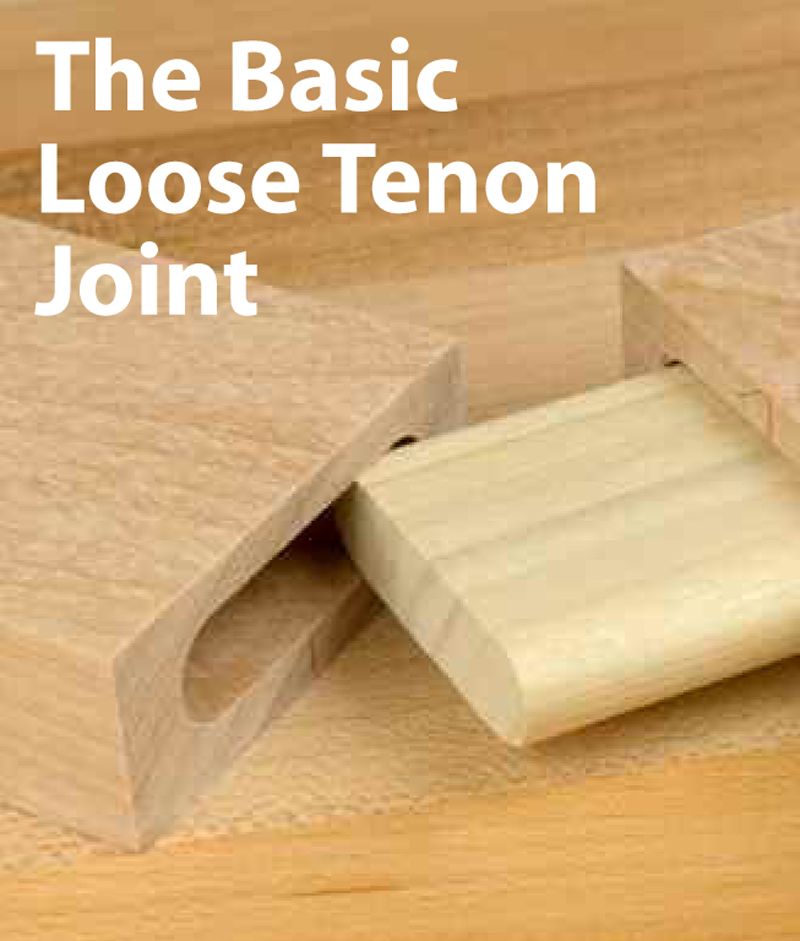
A loose tenon joint is a woodworking connection where a separate piece of wood joins two workpieces together. The craftsman cuts matching mortises into both pieces, then inserts the floating tenon between them with glue.
Unlike a traditional mortise and tenon joint, the tenon does not come from the end of one board. This makes the process easier when joining difficult angles or narrow pieces. The separate tenon acts like a strong internal bridge between the two parts.
- ✦ Separate connector piece
The loose tenon is a small wood piece that fits inside two matching mortises.
- ✦ Hidden strength
The joint stays clean because the connection remains inside the wood.
- ✦ Flexible design
Woodworkers can use different tenon sizes based on project needs.
How a Floating Tenon Transfers Strength
The strength comes from the large glued surface area inside the mortises. The tenon spreads force across both pieces instead of relying only on screws or surface glue.
When the grain direction matches the surrounding wood, the joint handles pressure from multiple directions and stays stable over time.
Loose Tenon vs Traditional Mortise and Tenon Joinery
Traditional mortise and tenon joinery has been used for centuries and remains a trusted woodworking method. A loose tenon joint follows the same basic idea but separates the tenon from the workpiece.
The main difference is preparation. A traditional tenon requires shaping the end of a board, while a loose tenon only requires cutting matching slots. This often makes the process faster and easier for modern workshops.
- ✦ Traditional mortise and tenon
The tenon is carved directly from one piece of wood.
- ✦ Loose tenon system
A separate tenon connects two pieces through matching mortises.
- ✦ Modern advantage
Loose tenons improve repeatability for multiple identical joints.
Tools Needed for Loose Tenon Joinery
Creating a loose tenon joint requires tools that can cut accurate mortises. The best choice depends on your budget, skill level, and project size.
Professional shops often use dedicated machines, while hobby woodworkers can create excellent results with routers, jigs, or handheld systems.

- ✦ Domino-style joiner
A dedicated floating tenon machine quickly creates precise mortises.
- ✦ Router and jig
A router setup provides flexibility for custom tenon sizes.
- ✦ Drill and chisel method
A manual approach works for small projects and repairs.
Choosing the Right Loose Tenon Size
The tenon size should match the thickness of the wood. A larger tenon usually provides more strength, but removing too much material can weaken the surrounding piece.
For common furniture projects, woodworkers often choose a tenon that balances strength with enough surrounding wood for support.
How to Make a Loose Tenon Joint Step by Step
A successful loose tenon joint starts with careful marking. Measure both pieces and mark the center line before cutting any mortises.
After cutting the mortises, test the fit before adding glue. The tenon should slide in smoothly without being loose or forced.

- ✦ Step 1: Mark the joint location
Create clear reference lines on both workpieces.
- ✦ Step 2: Cut matching mortises
Use a router, joiner, or chisel to create accurate openings.
- ✦ Step 3: Insert and glue the tenon
Apply glue evenly and clamp the joint until secure.
Common Mistakes to Avoid
Many beginners cut mortises too deep or create poor alignment between pieces. Small errors can create visible gaps after assembly.
Another common mistake is using a tenon with incorrect grain direction. The tenon should provide strength, not become a weak point.
- ✦ Poor alignment
Always use reference faces to keep parts positioned correctly.
Advantages and Limitations of Loose Tenon Joinery
Loose tenon joinery has become popular because it offers a strong balance between traditional craftsmanship and modern efficiency. It allows woodworkers to create professional joints without complex shaping.
However, like every woodworking method, it has limits. The quality depends on accurate cuts, proper fitting, and careful glue application.

- ✦ Advantages
Fast setup, strong connections, clean appearance, and repeatable results.
- ✦ Limitations
Requires accurate tools and careful measurement for best performance.