
A clear coat is the final protective layer placed over paint, stain, or other finishes. It creates a barrier against sunlight, moisture, scratches, chemicals, and daily wear. This Clear Coat Guide explains how clear coats work, where they are used, and how to get the best results.
From car owners in the United States protecting their vehicles from harsh weather to DIY users finishing furniture projects, clear coat plays a key role in keeping surfaces looking new. After working with different finishing systems, one lesson stands out: preparation matters as much as the clear coat itself.
What Is Clear Coat and Why Is It Important?
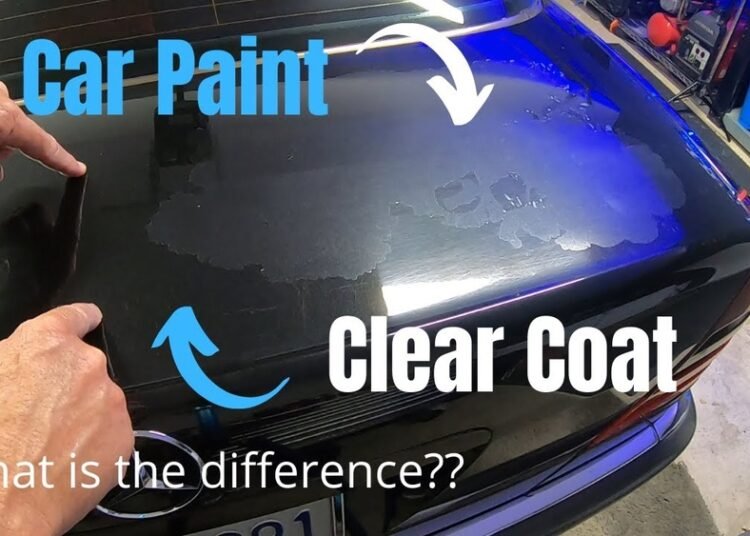
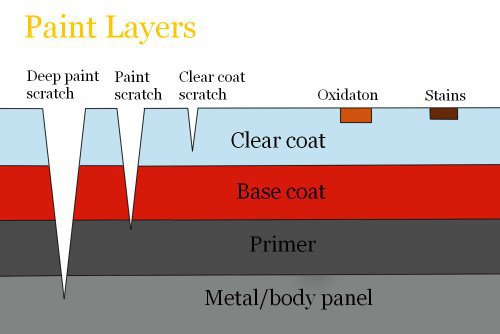
Clear coat is a transparent finish applied over a colored base coat or finished surface. Unlike paint, it does not add color. Its main job is to protect and enhance the appearance of the layer below.
Modern vehicles often use clear coat as part of a two-stage paint system. The clear layer creates gloss, depth, and protection from UV rays, road dirt, and environmental damage.
A good Clear Coat Guide should explain that clear coat is not only for cars. It is also used on wood, metal, headlights, motorcycles, boats, and many household projects.
- ✦ Protection
Clear coat helps protect surfaces from oxidation, fading, moisture, and minor scratches.
- ✦ Appearance
A clear finish can create a glossy, satin, or matte look depending on the product used.
- ✦ Long-Term Value
A protected finish usually stays attractive longer and needs fewer repairs.
How Clear Coat Works
Clear coat forms a thin protective film over the surface. This film absorbs much of the daily abuse that would otherwise damage the paint or material underneath.
The quality of protection depends on the formula, thickness, surface preparation, and maintenance routine.
- ✦ UV Resistance
Many clear coats contain protection that helps slow fading caused by sunlight.
Different Types of Clear Coat
Choosing the right clear coat is one of the most important steps in any finishing project. Different formulas offer different levels of hardness, shine, flexibility, and ease of use.
This Clear Coat Guide covers the most common options used by professionals and DIY users.

- ✦ 1K Clear Coat
A single-component clear coat that is easy to apply and common for small repair jobs.
- ✦ 2K Clear Coat
A two-component formula that uses a hardener for better durability and professional-level protection.
- ✦ Acrylic Clear Coat
A fast-drying option often used for crafts, furniture, and smaller projects.
- ✦ Polyurethane Clear Coat
A strong finish commonly used for wood surfaces because of its durability.
Gloss, Satin, and Matte Clear Coat Finishes
Gloss clear coat creates a bright reflective surface. Satin provides a softer appearance, while matte creates a flat modern look.
The best choice depends on the style you want and how much maintenance you prefer.
- ✦ Gloss Finish
Best for a deep shine and high-reflection appearance.
- ✦ Matte Finish
Best for a low-shine style that hides small surface imperfections.
How to Apply Clear Coat Correctly
Applying clear coat requires patience and proper technique. Many finish problems happen because users rush preparation or apply coats in poor conditions.
A clean surface, correct temperature, and even spray pattern are key parts of a successful application.

- ✦ Clean the Surface
Remove dust, grease, wax, and contaminants before applying clear coat.
- ✦ Apply Thin Layers
Multiple thin coats usually create a smoother and stronger finish than one heavy coat.
- ✦ Allow Dry Time
Follow product instructions for drying and curing before touching or polishing.
Common Clear Coat Application Mistakes
Spraying too much product can cause runs, bubbles, and uneven texture. Spraying too little can create weak protection.
Another common mistake is applying clear coat on a dirty or poorly prepared surface. Even the best product cannot fix bad preparation.
- ✦ Avoid Humidity Problems
High moisture levels can affect drying and final appearance.
Clear Coat Maintenance and Care Tips
A clear coat needs care after application. Regular cleaning and protection help maintain shine and prevent early damage.
For vehicles, simple habits like washing with safe products and avoiding harsh chemicals can extend the life of the finish.
- ✦ Wash Regularly
Remove dirt and contaminants before they damage the clear layer.
- ✦ Use Protective Products
Quality waxes and sealants can add another layer of protection.
- ✦ Avoid Harsh Cleaning
Strong chemicals and rough tools may weaken the surface over time.
Signs Your Clear Coat Needs Repair
Peeling, cloudy patches, fading, and rough texture are common signs of clear coat failure.
Small issues can sometimes be repaired, but large areas of failure may require professional refinishing.
- ✦ Peeling Clear Coat
Usually indicates the protective layer has lost its bond with the surface.
Clear Coat Problems and How to Fix Them
Clear coat problems can happen because of age, weather exposure, poor application, or incorrect maintenance. Understanding the cause helps you choose the right repair method.
This Clear Coat Guide recommends checking the condition of the surface before deciding between polishing, recoating, or complete refinishing.
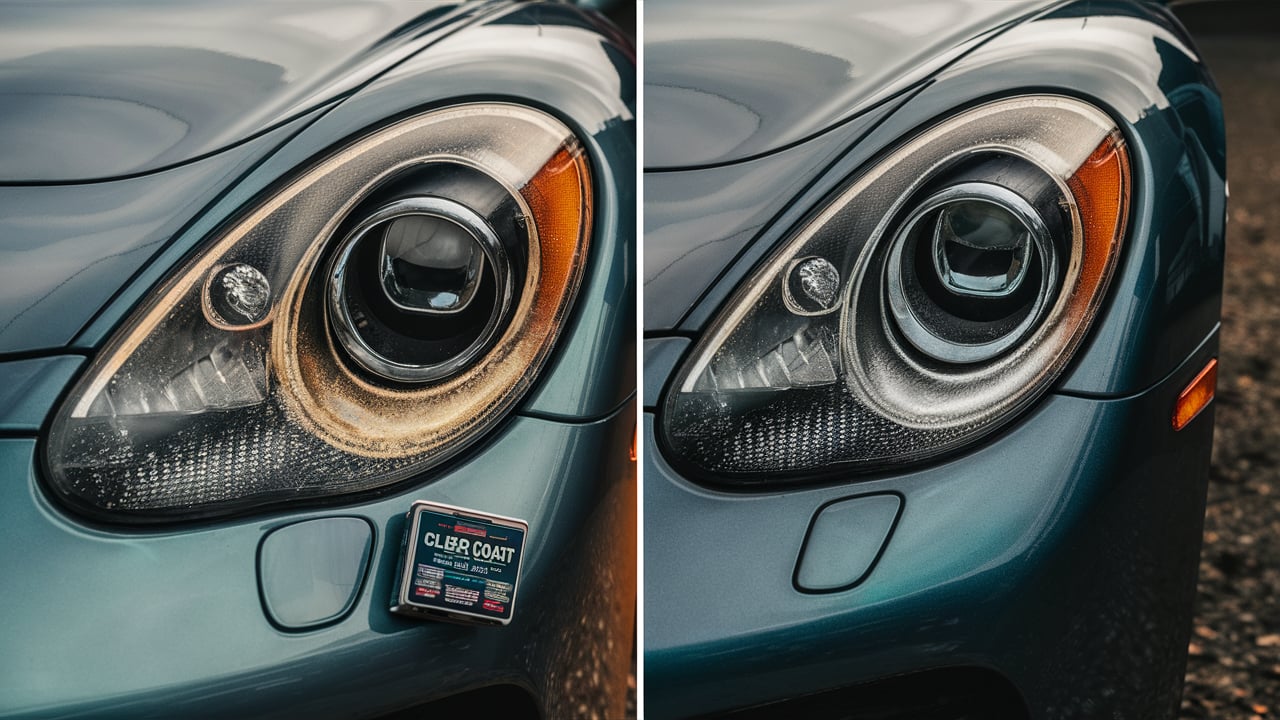
- ✦ Cloudy Clear Coat
Often caused by moisture, contamination, or improper curing.
- ✦ Cracking
May happen when the clear coat becomes brittle or is applied incorrectly.
- ✦ Fading
Usually results from long-term UV exposure and surface aging.
When to Repair or Replace Clear Coat
Minor scratches and dullness may improve with polishing. Severe peeling usually requires removing damaged layers and applying a new finish.
Professional help is often the better choice when large painted areas are affected.
- ✦ DIY Repairs
Suitable for small areas when you have proper tools and experience.