
A good Lacquer Guide starts with understanding how this finish works. Lacquer has been used for decades by furniture makers, cabinet builders, and DIY woodworkers because it creates a smooth surface with a rich appearance. In the United States, lacquer remains popular for furniture, musical instruments, cabinets, and decorative wood projects.
From my experience studying wood finishing methods, the biggest difference between an average lacquer project and a professional one comes from preparation. Clean surfaces, thin coats, and proper drying time create the deep, even finish that people expect from quality woodworking.
What Is Lacquer and How Does It Work?
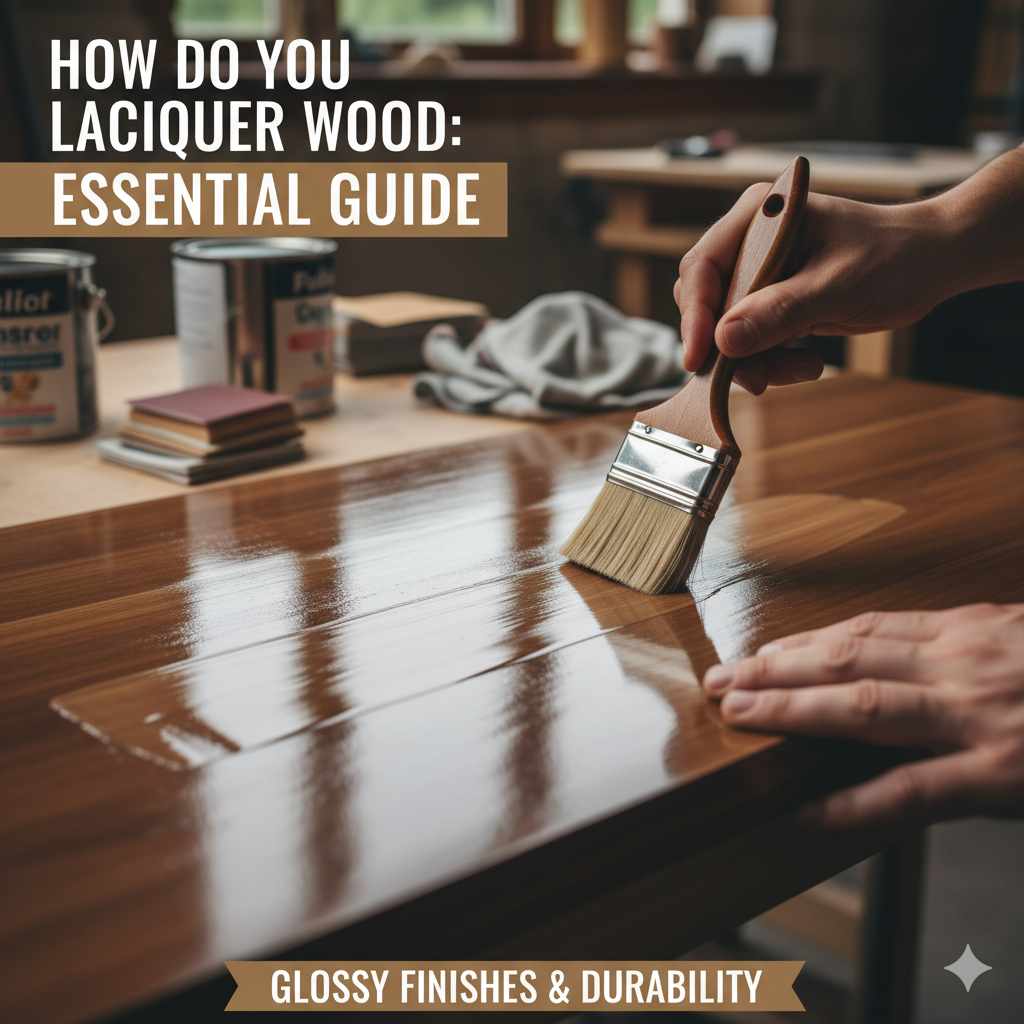
Lacquer is a coating made from resins dissolved in solvents. When applied to a surface, the solvents evaporate and leave behind a hard protective layer. Unlike some finishes that cure through chemical reactions, many lacquers dry mainly through solvent evaporation.
A quality Lacquer Guide should explain that lacquer offers a balance of beauty and protection. It can highlight wood grain, add shine, and create a smooth feel. Many professionals choose lacquer because it dries quickly and allows multiple coats in a short time.

- ✦ Fast drying time
Lacquer can dry quickly, which allows finishers to apply several coats during one project session.
- ✦ Smooth appearance
Lacquer creates a sleek surface that works well for modern furniture and detailed wood pieces.
- ✦ Easy repair
Many lacquer finishes can be repaired because new coats can blend with older layers.
Why Woodworkers Use Lacquer
Woodworkers often choose lacquer because it gives projects a professional look without requiring long waiting periods. It works especially well on indoor furniture, cabinets, and decorative items.
The finish can be adjusted with different sheens, including matte, satin, and high gloss. This makes lacquer flexible for many design styles.
- ✦ Professional finish
Lacquer creates a clean and refined appearance when applied correctly.
Different Types of Lacquer Finishes
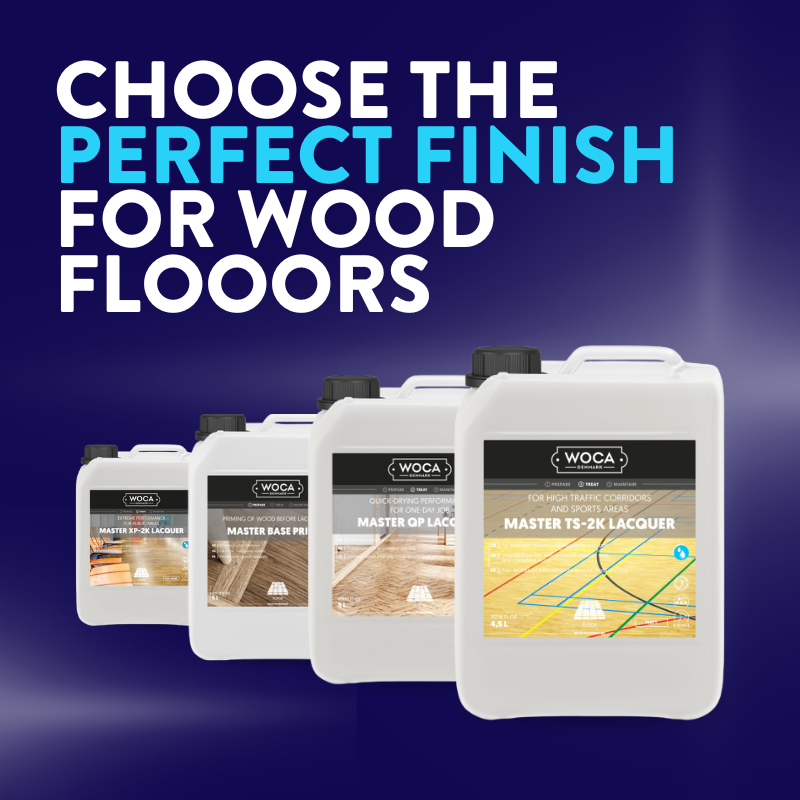
Choosing the right lacquer depends on the project, location, and desired appearance. A complete Lacquer Guide must cover the main types because each option has different strengths.
Some lacquers are designed for professional spray systems, while others are made for home users. Understanding these differences helps avoid problems like poor adhesion, uneven texture, or unwanted color changes.

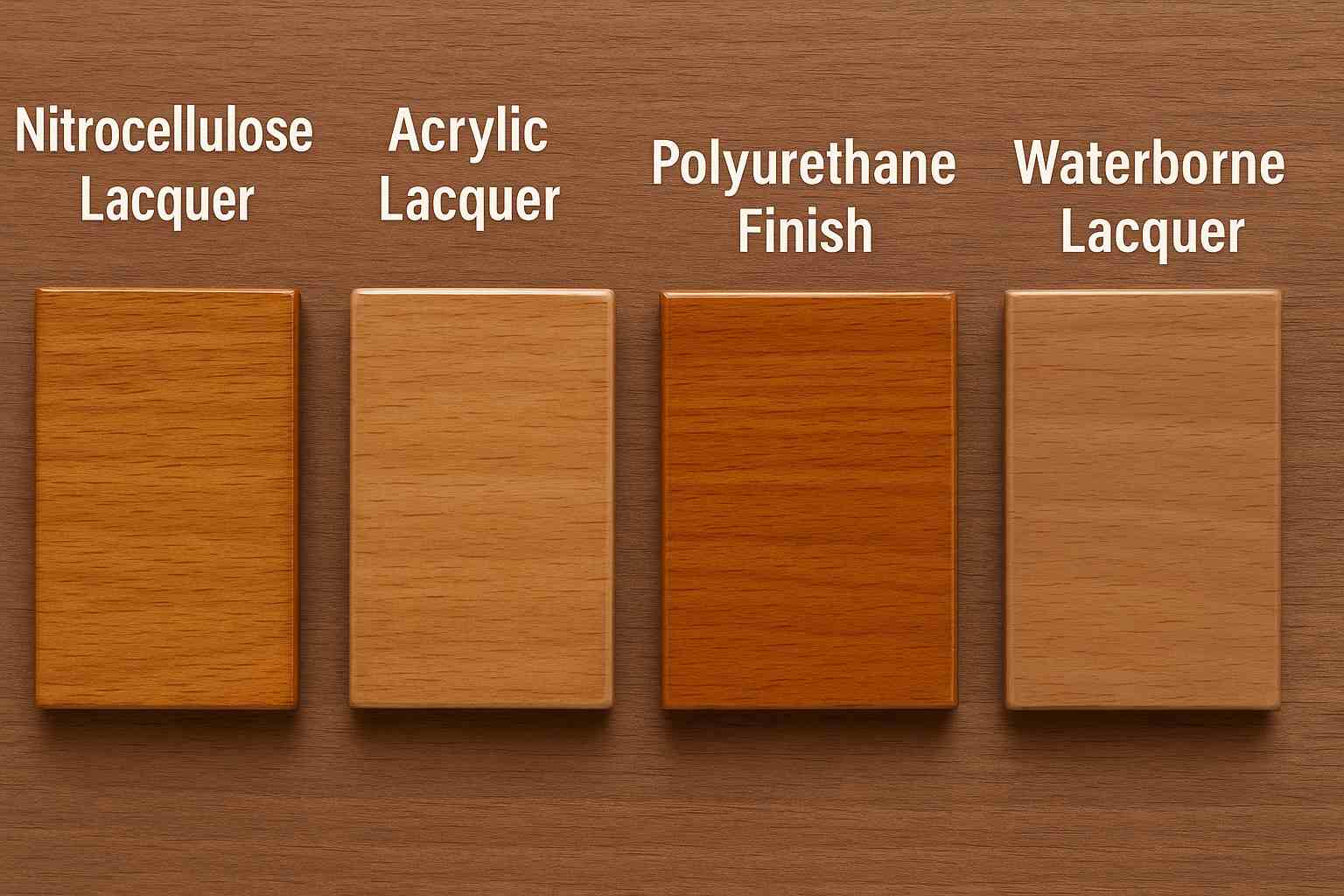
- ✦ Nitrocellulose lacquer
A traditional lacquer known for its classic appearance and use on vintage furniture and musical instruments.
- ✦ Acrylic lacquer
A clear option that provides good color stability and is often used for modern finishes.
- ✦ Water-based lacquer
A lower odor choice that works well for indoor projects where ventilation is limited.
- ✦ Catalyzed lacquer
A stronger professional finish designed for areas needing extra durability.
Spray Lacquer vs Brush-On Lacquer
Spray lacquer is popular because it creates thin and even coats. It is often used by professionals who want a smooth factory-style finish.
Brush-on lacquer can work for smaller projects, but it requires careful technique. Using quality brushes and applying thin layers helps reduce marks.
- ✦ Spray application
Best for large surfaces and smooth professional results.
- ✦ Brush application
Useful for small repairs and projects without spray equipment.
Benefits and Limitations of Lacquer
Lacquer offers many advantages, but it is not perfect for every situation. A smart Lacquer Guide should explain both the strengths and weaknesses before choosing this finish.
For indoor furniture and decorative woodwork, lacquer can provide excellent results. However, outdoor exposure and extreme moisture can reduce its lifespan.
- ✦ Benefits
Lacquer provides a smooth finish, quick drying, attractive appearance, and easy maintenance.
- ✦ Limitations
Some lacquer products contain strong solvents and may require good ventilation during application.
When Lacquer Is Not the Best Choice
Outdoor furniture exposed to rain and sunlight often needs a finish designed specifically for exterior conditions. Lacquer is mainly recommended for indoor applications.
Surfaces that experience heavy water exposure may perform better with specialized protective coatings.
- ✦ Outdoor projects
Choose exterior-rated finishes for long-term outdoor protection.
How to Apply Lacquer for a Professional Finish
Applying lacquer correctly requires patience and preparation. The surface should be clean, smooth, and free from dust before the first coat is applied.
Many beginners apply too much product at once. Thin coats usually create better results because they reduce runs, bubbles, and uneven areas.

- ✦ Prepare the surface
Sand the wood smoothly and remove all dust before applying lacquer.
- ✦ Apply thin coats
Several light coats usually create a better finish than one heavy coat.
- ✦ Allow drying time
Follow the manufacturer’s instructions before sanding or adding another layer.
Common Lacquer Application Mistakes
One common mistake is spraying too close to the surface. This can create drips and uneven coverage.
Another mistake is skipping surface preparation. Even the best lacquer cannot hide rough wood or contamination.
- ✦ Too much product
Heavy coats increase the chance of runs and slow drying.
How to Maintain and Repair a Lacquer Finish
A lacquer finish can last many years when cared for properly. Regular cleaning with gentle products helps protect the surface.
Small scratches and worn areas can often be repaired without removing the entire finish. This repair ability is one reason many professionals continue to use lacquer.
- ✦ Clean gently
Use soft cloths and avoid harsh cleaners that can damage the finish.
- ✦ Protect from moisture
Avoid leaving standing water on lacquer surfaces.
Restoring Old Lacquer Furniture
Older lacquer furniture may need cleaning, light sanding, and a fresh lacquer layer. Careful restoration can bring back the original shine.
Always test repair methods on a hidden area first to avoid unwanted results.
- ✦ Test first
Small tests help confirm compatibility before full restoration.