
Hardwood floors offer beauty, strength, and value when chosen and cared for well.
If you want floors that last, this is for you. The Complete Hardwood Guide walks you from species to finish, then into install and care. I have helped hundreds of homeowners choose and live with hardwood. You will learn what works, what fails, and how to make smart, calm choices that fit your home.

Hardwood 101: Terms, Types, and Why It Matters
Hardwood comes from deciduous trees like oak, maple, and walnut. It is prized for grain, color, and long life. It can be solid or engineered. Both can look the same on top.
Solid hardwood is one piece of wood. It is thick and can be sanded many times. Engineered hardwood has layers. The top is real wood, and the core adds stability.
Expect a natural look and small flaws. Wood moves with seasons. That is normal. The Complete Hardwood Guide helps you set the right plan for this movement and for your climate.
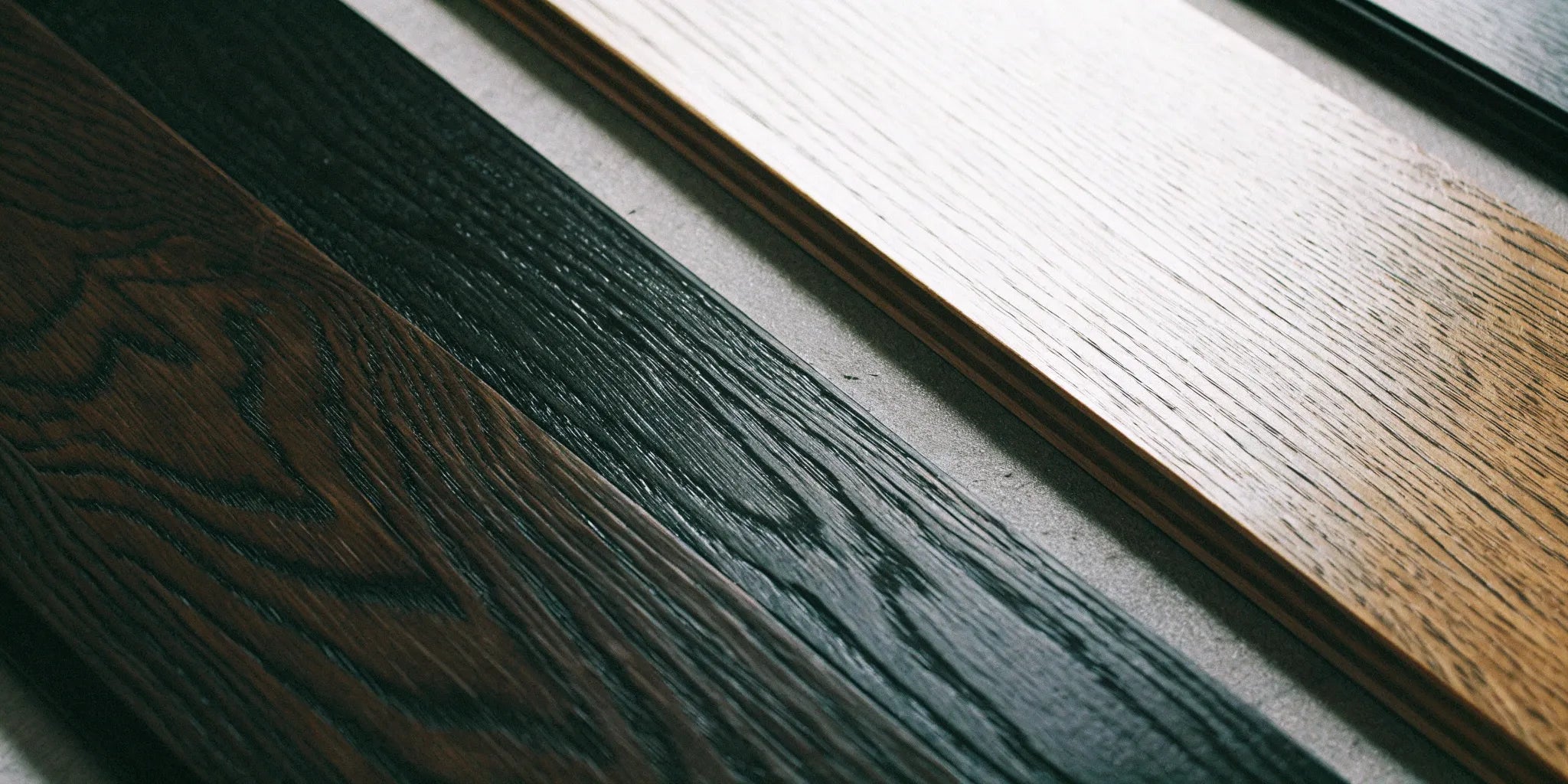
Solid vs. Engineered Hardwood
Both are real wood. The choice comes down to your home and use.
- Solid hardwood works well over wood subfloors. It is best for above grade rooms.
- Engineered hardwood handles moisture swings better. It suits basements and radiant heat.
Think about thickness of the wear layer. A thicker top layer on engineered floors allows future sanding. The Complete Hardwood Guide shows how to read spec sheets and compare.

Species Guide: Oak, Maple, Hickory, Walnut, and More
Each species has a look and a hardness. Janka ratings help you compare dent resistance. Higher numbers mean a tougher floor.
- Oak is the classic pick. It has strong grain and hides wear.
- Maple is smooth and light. It can show marks but looks clean and modern.
- Hickory is very hard and rustic. It varies in color and grain.
- Walnut is rich and dark. It is softer but offers deep, warm tones.
- Cherry glows with age. It darkens over time and brings a fine look.
- White oak vs red oak. White oak is a bit harder and takes stain well. Red oak shows more pink and open grain.
Match species to lifestyle. Busy homes do well with oak or hickory. Low-wear rooms can take walnut or cherry. The Complete Hardwood Guide gives side-by-side picks for pets, kids, and styles.

Grades, Cuts, Widths, and Textures
You will see grade terms. They shape the look.
- Select grade has fewer knots and a calm look.
- Common grades have knots and color change. They feel more natural.
Cut also matters.
- Plain-sawn shows classic cathedral grain.
- Quarter-sawn shows straight lines and fleck. It is more stable.
Plank width changes the mood. Narrow feels classic. Wide feels open and modern. Texture can be smooth, wire-brushed, or hand-scraped. A brushed surface hides scratches well. The Complete Hardwood Guide explains how sheen levels affect clean up and glare.

Finish Options: Oil, Water-Based, UV, and Site-Finish
Factory finishes use aluminum oxide and UV cure. They are tough and low mess. Site-finish gives a seamless look and custom stain. It takes more time and care.
- Oil-based poly warms the tone. It ambers with age and has a strong smell during cure.
- Water-based poly stays clear and dries fast. It keeps light woods bright.
- Hardwax oil soaks in and feels soft underfoot. It needs simple, steady care.
Test samples on your subfloor if you can. Light changes color over time. The Complete Hardwood Guide walks through real sample tests and how light, stain, and grain play together.

Sustainability and Ethical Sourcing
Look for certified wood and clear chain-of-custody rules. Ask for FSC or PEFC when possible. Check that the product complies with import laws to avoid illegal logging.
Domestic species lower transport impact. Engineered floors can use faster-growing cores. Reclaimed wood offers a story and saves material. The Complete Hardwood Guide lists questions to ask your dealer so you can buy with confidence.

Moisture, Acclimation, and Climate Control
Wood moves with humidity. Keep indoor relative humidity steady, about 35 to 55 percent. Use a hygrometer. Run a humidifier in winter and a dehumidifier in summer if needed.
Acclimate per the maker’s guide, not a fixed number of days. Measure moisture in planks and subfloor. Aim for a small, safe gap between their readings. The Complete Hardwood Guide shows step-by-step checks that pros use on site.
Installation Methods and Subfloors
Choose the method that fits the product and the room.
- Nail-down is common on plywood. It is fast and sturdy.
- Glue-down is best for concrete and many engineered floors.
- Floating snaps together over underlayment. It is good for speed and some radiant heat setups.
Prep is key. The subfloor must be flat, clean, and dry. Use the right underlayment for sound and vapor control. The Complete Hardwood Guide includes a pre-install checklist you can print and follow.
Design and Layout: Make It Look Right
Plan the layout before you open boxes. Balance board lengths and avoid tight clusters of short pieces. Stagger end joints. Dry-lay a few rows to check the flow.
Patterns change the feel. Herringbone adds drama. Chevron looks sharp and formal. Board direction can make a room feel longer or wider. The Complete Hardwood Guide shows easy room sketches that help you see the result before you commit.
Cleaning and Maintenance
Daily care is simple. Sweep or vacuum with a soft head. Use a damp, not wet, microfiber mop. Skip steam and harsh chemicals.
Place mats at doors. Use felt pads on furniture feet. Wipe spills at once. Recoat the finish when it looks tired. Do not wait for bare wood. The Complete Hardwood Guide explains how to plan recoats so you avoid full sanding.
Repairs and Common Problems
Scratches happen. Use color fill sticks for small marks. For dents, a pro can steam and raise the grain on some species. Deep damage may need board replacement.
Watch for gaps, cupping, or buckling. Gaps in winter are normal. Cupping points to moisture below. Buckling means severe moisture or flood. Fix the cause first. The Complete Hardwood Guide shares real repair stories and what solved them for good.
Cost, ROI, and Budget Tips
Plan for material, trim, underlayment, and waste. Add labor, delivery, and move-out costs. Stairs, patterns, and old floor removal raise the price.
Hardwood holds value. It can be refinished to look new. That boosts resale appeal. The Complete Hardwood Guide helps you compare lifetime cost vs vinyl or laminate with a simple cost-per-year view.
My Field Notes: Lessons from the Jobsite
After 12 years in flooring, a few truths stand out. Moisture is the silent boss. Respect it and your floors will last. Ignore it and they will fight you.
A client once skipped dehumidifiers during a humid summer. The new boards cupped within weeks. We fixed the room climate first, then sanded and finished. Since then, I bring a hygrometer to every consult. The Complete Hardwood Guide is built on cases like this so you can avoid the same pain.
How to Choose: A Simple Buying Checklist
Use this quick flow to make a clean pick.
- Define the space. Above grade, on grade, or below grade.
- Pick the type. Solid for wood subfloors above grade. Engineered for concrete or wider boards.
- Match species to life. Pets and kids do well with oak or hickory.
- Select grade, width, and texture for your style.
- Choose finish based on look and care needs.
- Verify moisture plan and acclimation steps.
- Confirm warranty and install method with the maker.
- Order 10 percent extra for waste. More for herringbone.
The Complete Hardwood Guide keeps this checklist handy so you can shop with clarity.
Frequently Asked Questions of The Complete Hardwood Guide
Is engineered hardwood real wood?
Yes. It has a real hardwood wear layer over stable core layers. It offers the look of solid wood with better moisture performance.
How long do hardwood floors last?
With care, hardwood can last 50 to 100 years. Recoating and sanding extend life and keep floors fresh.
Can I install hardwood in a kitchen?
Yes, with care. Seal edges, wipe spills fast, and use mats near the sink and dishwasher.
What is the best hardwood for pets?
Choose oak or hickory with a matte, wire-brushed finish. These hide scratches and paw prints better.
How often should I refinish?
Full sanding happens every 10 to 20 years for most homes. You can recoat much sooner to refresh the finish.
Conclusion
You now have a clear path from species to finish to care. The Complete Hardwood Guide gives you the tools to choose well, install right, and enjoy your floors for years. Make a plan, control moisture, and follow the maker’s guide.
Ready to take the next step? Use the checklist, order samples, and test them in your light. Subscribe for more tips, or leave a comment with your room and goals. I will help you turn this plan into a floor you love.