
Softwood is lightweight, affordable, and versatile, making it a smart choice for framing, furniture, decking, trim, and decor.
If you want practical, easy-to-follow advice that saves time and money, you are in the right place. In this guide, I draw on years of shop and job-site experience to explain softwood species, grades, tools, finishes, durability, and care. You will learn how to choose the right lumber, avoid common mistakes, and build with confidence.
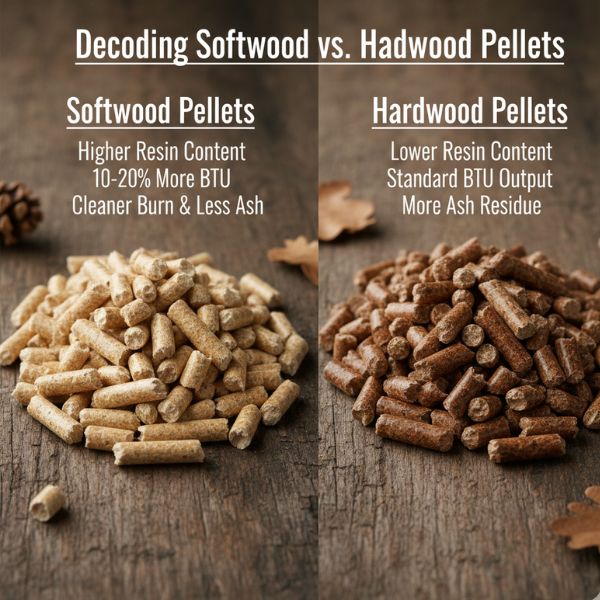
What Is Softwood? Definition and Key Traits
Softwood comes from evergreen trees, also known as gymnosperms. Common examples include pine, spruce, fir, cedar, hemlock, larch, and redwood. The name can be misleading: softwood is not always softer than hardwood. It refers to tree type, not texture.
Most softwood species grow quickly, which makes them widely available and generally less expensive than many hardwoods. Softwood often has straight grain, visible growth rings, and a lighter weight. Some boards may contain knots or resin pockets, but many are easy to cut, nail, glue, and finish.
Softwood is used in many projects, including:
- Home and shed framing
- Trim, paneling, and interior doors
- Furniture and shelving
- Decks, fences, and garden structures
- Packaging, pallets, and workshop jigs
Typical softwood traits include:
- Density ranging from about 20 to 38 lb/ft³
- Hardness that varies significantly by species
- Moisture and resin levels that can affect glue and stain absorption
- Natural decay resistance in certain species
Understanding these characteristics helps you choose the best lumber for each project. This guide makes it easier to match the species to the job, whether you are building indoors or outdoors.
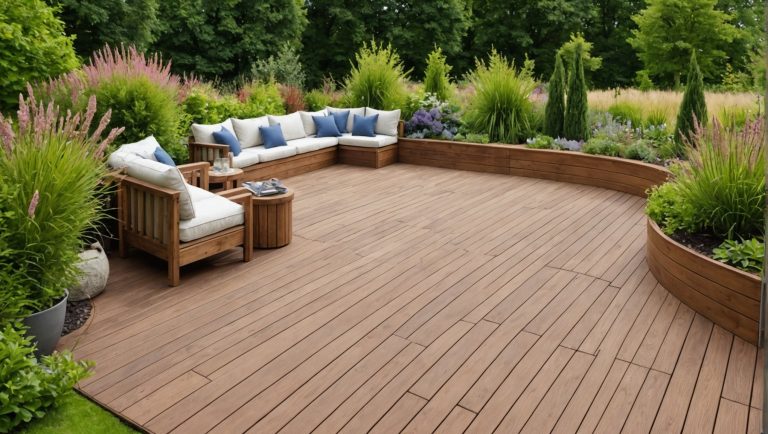
Species Deep Dive: Strengths, Limits, and Best Uses
Every softwood species has strengths, limitations, and ideal applications. Here is a practical breakdown based on real-world use.
Pine (Eastern white, radiata, southern yellow)
- Easy to cut, shape, and machine
- Takes paint and stain well with the right prep
- Excellent for furniture, trim, and crafts
- Southern yellow pine is denser and stronger, making it better for flooring and decks
Watch for:
- Dents and dings in softer pine varieties
- Resin bleed around knots
Spruce
- Lightweight and stiff for its weight
- Common in studs and roof trusses
- Useful for select soundboards and light structural work
Watch for:
- Fuzzing during sanding
- Uneven stain absorption without sealer
Douglas-fir
- Not a true fir, but commonly sold as softwood lumber
- Strong, stable, and reliable
- Great for beams, flooring, doors, and exterior trim
Watch for:
- Splintering if blades are dull
- Bold grain patterns under clear finish
Fir (true firs like balsam and noble)
- Light to medium weight
- Common in framing lumber
- Works well when properly dried
Watch for:
- Lower decay resistance outdoors if left untreated
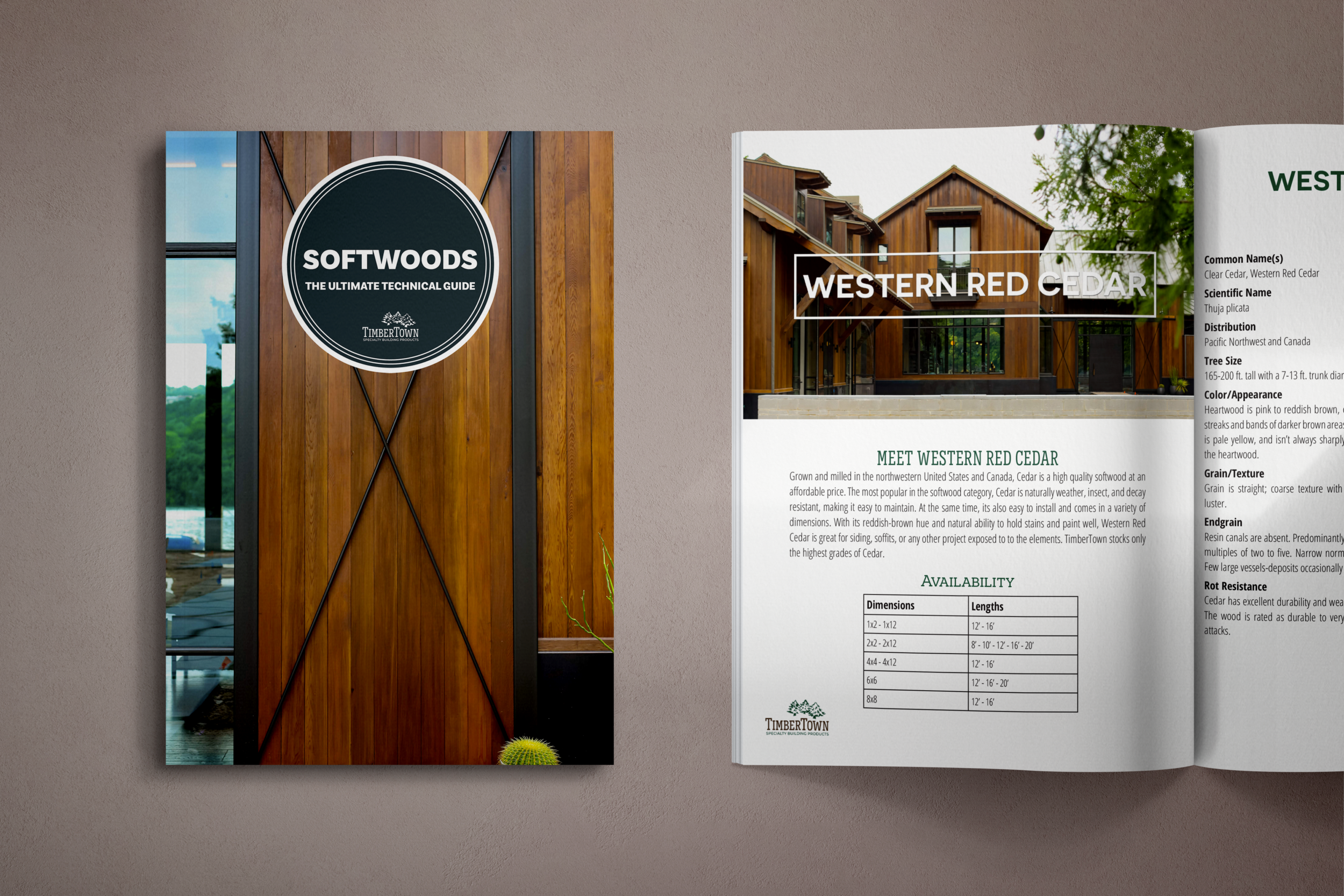
Western red cedar
- Naturally resistant to decay and insects
- Easy to cut and shape
- Ideal for siding, fences, planters, and saunas
Watch for:
- Soft surfaces that dent easily
- Color fading and graying without UV protection
Redwood
- Durable outdoors with an attractive natural look
- Popular for decks, garden structures, and hot tub surrounds
Watch for:
- Regional availability and price changes
- Variation in color based on grade and heartwood content
Hemlock
- Good strength and fastener-holding ability
- Used for framing and trim
Watch for:
- Brittleness when very dry
- Blotchiness unless conditioned before staining
Larch
- Tough, dense, and resinous
- Well suited for exterior cladding, decks, and boat work
Watch for:
- Faster tool dulling
- Movement if not properly seasoned
For outdoor benches, cedar or larch are often the best choices. For painted bookcases, clear pine is a strong option. For a stiff beam with attractive grain, Douglas-fir is hard to beat.
Softwood Grades, Sizes, and Standards You Should Know
Softwood grading helps you understand strength, appearance, and value. Knowing the basics can prevent costly ordering mistakes.
- Select Structural: top strength with tight knots
- No. 1 and No. 2: common framing grades that meet code requirements
- Stud grade: designed for wall studs in standard lengths
Appearance grades include:
- Clear: few or no knots, ideal for stain or clear coat
- C Select and D Select: allow small, tight knots
- Common grades: more knots, often best for paint-grade work
Nominal vs. actual size is another key detail:
- A 2×4 does not measure 2 by 4 inches in its finished size
- Most surfaced lumber (S4S) is actually 1.5 by 3.5 inches
- Always plan using actual dimensions, not nominal labels
Moisture content also matters:
- KD-19 means kiln dried to 19% moisture or less for framing
- Interior millwork is typically best at 6% to 8% moisture content
- Boards should acclimate to the room before installation
These details help you order correctly, cut accurately, and reduce callbacks. A good understanding of grading and sizing is one of the easiest ways to improve project results.
Choosing the Right Softwood for Your Project
Choose softwood based on use, appearance, lifespan, and budget. Here is a simple way to narrow your options.
For indoor furniture:
- Clear pine for paint or a soft, warm stain
- Douglas-fir for bold grain under a clear coat
- Spruce for utility shelving and shop projects
For outdoor projects:
- Cedar or redwood for natural rot resistance
- Pressure-treated southern pine for decks and ground-contact projects
- Larch for wet climates where it is readily available
For framing and structural work:
- Spruce-pine-fir (SPF) for studs and joists
- Douglas-fir for beams and long spans
- Engineered softwood products like LVL when required by code
For trim and millwork:
- Clear pine for paint-grade trim
- Hemlock for stain-grade trim at a moderate price
- Cedar for exterior fascia and bargeboards
For DIY crafts:
- Pine or spruce for signs and decorative pieces
- Cedar for planters and bathroom accessories
In one real-world example, two decks built side by side can age very differently depending on the wood used. Cedar will weather beautifully but needs regular cleaning to maintain its appearance. Pressure-treated pine will offer strong performance at a lower cost, but it usually requires more finish care to stay looking sharp. The right choice depends on your goals, budget, and maintenance expectations.

Workability, Tools, and Finishes That Last
Softwood is generally easy to work with, but it still has quirks such as tear-out, resin bleed, and softer earlywood. A few simple habits can make a big difference.
Tool and joinery tips:
- Keep blades sharp to reduce fuzzing and burning
- Use a backer board for cleaner miters
- Pre-drill near edges to prevent splitting
- Clamp firmly, but avoid crushing soft species
Gluing and sanding tips:
- Wipe resin pockets with mineral spirits before gluing
- Use a pre-stain conditioner on pine and spruce
- Sand to 180 or 220 grit before applying clear finishes
Finishes that work well on softwood include:
- Oil or wiping varnish for a warm, hand-finished look
- Waterborne polyurethane for a clear, durable, low-odor finish
- Stain plus a topcoat for added color and protection
- Exterior oil or spar varnish for exposure to sun and rain
- Stain-blocking primer before painting knotty lumber
Moisture control is just as important as finishing:
- Let lumber acclimate for two to five days before installation
- Seal end grain immediately to reduce checking
- Target 6% to 8% moisture content for interior projects
Good prep work leads to better results, longer-lasting finishes, and fewer repairs later on.
Durability, Weather, and Maintenance
When softwood is used outdoors, it must stand up to moisture, sunlight, insects, and seasonal movement. The right species and finish can dramatically improve lifespan.
Basic outdoor rules:
- Use cedar, redwood, or larch where natural decay resistance is needed
- Choose pressure-treated pine for ground-contact applications
- Keep wood off the soil using brackets, pads, or posts
- Use stainless steel or hot-dip galvanized fasteners outdoors
Finish and maintenance tips:
- Bare softwood grays quickly in sunlight
- Clear coatings need periodic sanding and recoating
- Semi-transparent stains are easier to refresh
- Paint lasts longer when applied over stain-blocking primer
Fastener compatibility also matters:
- Pressure-treated lumber can corrode plain steel
- Use the correct screws, nails, and connectors for long-term safety
Helpful maintenance reminders:
- Seal all cut ends on treated lumber before installation
- Slope decks and sills so water can drain away
- Ventilate enclosed spaces to reduce moisture buildup
Many outdoor failures come from small oversights, such as unsealed end grain or cheap fasteners. A little extra care during installation can save major repair costs later.

Sustainability, Cost, and Availability
Softwood plays an important role in sustainable building because it grows quickly and stores carbon efficiently over its life cycle.
What to look for:
- Wood from well-managed forests
- Certification when sustainability is important
- Local species when possible to reduce transport impacts
Cost basics:
- Pine and spruce are usually the most budget-friendly choices
- Cedar and redwood cost more but may save money on maintenance
- Douglas-fir offers strong value for the price
Supply considerations:
- Kiln-dried boards are usually more stable
- Prices can rise or fall with housing demand and seasonal supply
- Buy extra for visible projects where grain and color matching matter
Balancing cost, appearance, and durability is easier when you know what each species offers. That knowledge helps you make smarter buying decisions and get better results.

Safety, Storage, and Mistakes to Avoid
Softwood is straightforward to handle, but safe habits still matter.
Safety first:
- Wear eye and ear protection
- Use a dust mask, since softwood dust can irritate
- Get help when handling long or heavy boards
Storage tips:
- Stack lumber flat with stickers for airflow
- Keep boards off the floor and protect the top from moisture
- Seal the ends if lumber will be stored for more than a week
Common mistakes include:
- Using interior pine outdoors without protection
- Skipping end-grain sealer on decks and fences
- Using the wrong fasteners with pressure-treated wood
- Ignoring grain direction in panels
- Installing lumber before it has acclimated
Avoiding these mistakes will improve strength, appearance, and longevity. Small steps often make the biggest difference.

Frequently Asked Questions
Is softwood actually soft?
Not always. Many softwoods are strong enough for framing, flooring, and furniture. The term refers to tree type, not how soft the wood feels.
Can I use softwood outdoors without treatment?
Yes, if you choose species like cedar, redwood, or larch. For other softwoods, use a proper finish or pressure-treated lumber.
Why does my pine stain look blotchy?
Pine absorbs stain unevenly because the earlywood soaks up more color. A pre-stain conditioner and a test piece usually help.
What screws should I use with pressure-treated wood?
Use stainless steel or hot-dip galvanized screws and connectors to reduce corrosion and improve durability.
How long should softwood acclimate indoors?
Two to five days is usually enough, but always aim for the moisture level of the room before installation.
Conclusion
You now have a clear plan for choosing, buying, and working with softwood. You understand the main species, grades, tools, finishes, and maintenance steps that help projects last. Use this guide whenever you need a quick reference or a deeper understanding of softwood lumber.
Start with one small project this week and apply what you learned. Choose the right species, seal the ends, and use the correct fasteners. If you found this helpful, subscribe for more woodworking and building guides, and leave a comment with your next project idea.
Pingback: The Ultimate Drill Bit Guide: Best Tips For Every Job - wood craftard