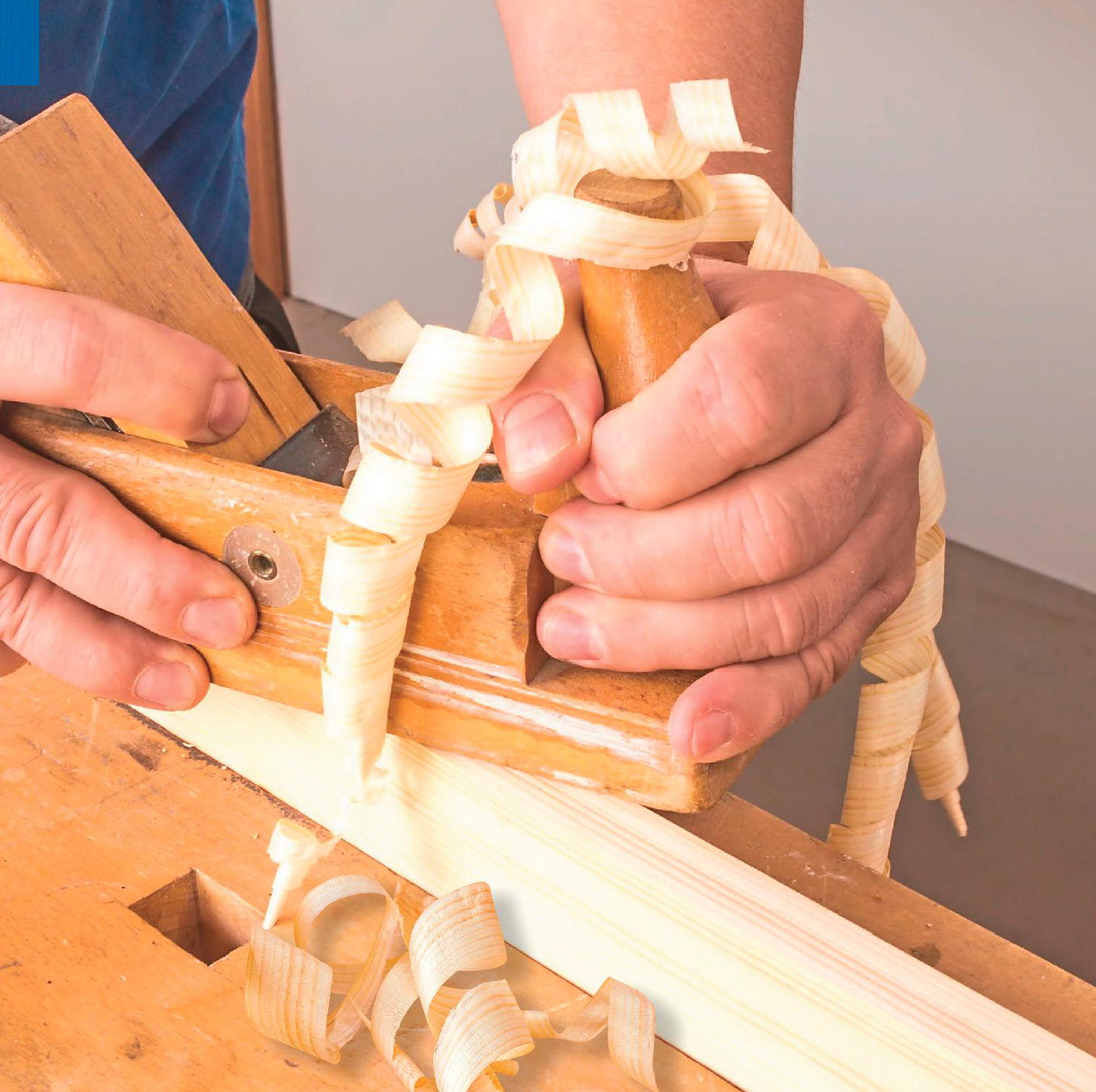
The hand plane skewing technique involves pushing a hand plane at a slight diagonal angle across the wood instead of moving it perfectly straight. This changes the way the cutting edge meets the fibers, often reducing cutting resistance and making difficult cuts easier.
In American woodworking shops, from small home workshops to professional furniture studios, woodworkers use hand plane skewing as a practical adjustment when a straight push feels too aggressive or difficult. The technique does not require a special tool; it is a controlled change in how the plane moves across the board.
Skewing works because the cutting edge engages the wood fibers gradually rather than striking them straight across the full blade width. When combined with a sharp iron, proper blade depth, and suitable grain direction, this method can improve control and reduce the effort needed for many planing tasks.
Source: s3.amazonaws.com
What Is the Hand Plane Skewing Technique?
The hand plane skewing technique is the practice of holding or pushing a hand plane at an angle relative to the direction of travel. Instead of moving the plane straight forward with the blade perpendicular to the cut path, the woodworker rotates the plane slightly so one side of the cutting edge contacts the wood before the other.
This changes the effective cutting action of the iron. The blade slices across fibers at an angle, similar to how a knife cuts more easily when drawn across food rather than pressed straight down.
Source: images.finewoodworking.com
Primary purpose
Reduce resistance during planing and improve control when removing fine shavings.
Common applications
Used during smoothing, jointing, edge work, and when working areas where the grain creates extra resistance.
How skewing changes the cut
A straight push forces the entire cutting edge into the wood at once. A skewed push creates a slicing action that can make the cut feel lighter. The effect depends on the plane type, blade geometry, wood species, grain direction, and shaving thickness.
Lower cutting resistance
The slicing action can make the plane easier to push compared with a straight cut in the same conditions.
Better control
A controlled diagonal motion can help the user maintain a smooth rhythm during long strokes.
How to Use a Hand Plane With a Skewing Motion
Successful skewing starts with normal hand plane setup. The blade should be sharp, the workpiece should be secured, and the cutting depth should be appropriate for the task. Skewing cannot compensate for a dull iron or poor setup.
Start with a small angle. Most woodworkers only need a slight diagonal movement rather than a dramatic sideways position.
Source: www.toolnut.co.uk
Prepare the plane
Sharpen the iron, set a fine shaving depth, and confirm the sole and blade are clean.
Position your body
Stand so your shoulders and arms can guide the plane smoothly through the entire stroke.
Begin with a small skew
Rotate the plane slightly and push forward while maintaining even downward pressure.
Check the shaving
Look for continuous, thin shavings and a smooth surface behind the plane.
Signs the technique is working
A successful skewing technique usually produces easier forward movement, consistent shavings, and fewer areas where the blade grabs the wood. The surface should remain flat and free from new tearout.
Good result
The plane moves smoothly and removes a controlled shaving without excessive force.
Poor result
The plane chatters, digs deeper on one side, or leaves an uneven surface.
When Should You Skew a Hand Plane?
Skewing is most useful when a straight planing stroke creates unnecessary resistance or when the wood grain makes cutting difficult. It is a technique choice rather than a required step for every board.
Different situations require different amounts of skew. The goal is controlled slicing, not forcing the plane sideways.
Source: paulsellers.com
Harder woods
Dense hardwoods may respond well to a slicing motion because the blade enters the fibers gradually.
Difficult grain
Some grain patterns create more resistance and may benefit from careful changes in cutting direction.
Long smoothing passes
A slight skew can make repeated strokes feel more comfortable during finishing work.
Skewing versus changing the plane setup
If a plane struggles constantly, the problem may not be the stroke angle. A dull blade, excessive blade projection, incorrect frog adjustment, or unfavorable grain direction may need attention first.
Fix setup problems first
A properly tuned plane should perform well before advanced techniques are added.
Common Hand Plane Skewing Mistakes
Many beginners apply too much sideways pressure when learning to skew. The plane should travel diagonally while the sole remains stable against the wood surface.
The technique is about changing the cutting angle, not twisting the plane body aggressively.
Source: dt565gqrz3z7y.cloudfront.net
Using too much angle
A large skew can make it harder to keep the plane tracking straight and may create uneven cuts.
Ignoring grain direction
Skewing does not eliminate the need to understand grain orientation and tearout risks.
Using a dull blade
A dull iron increases resistance and makes the technique harder to control.
Hand Plane Skewing Technique Compared With Other Adjustments
Skewing is one of several ways to improve hand plane performance. Woodworkers may also adjust blade depth, sharpening angle, mouth opening, or choose a different plane type depending on the problem.
Source: www.holzwerken.net
Skewing
Changes how the blade meets the wood during the stroke.
Sharper iron
Improves cutting ability by creating a cleaner edge.
Reduced shaving depth
Lowers the amount of wood removed per pass and often makes pushing easier.
Hand planes contain extremely sharp cutting irons. Keep hands away from the cutting path when adjusting, sharpening, or changing the blade position.
Maintain the plane by keeping the sole clean, storing the tool safely, and protecting the cutting edge when not in use.
Source: cdn02.plentymarkets.com
Handle the iron carefully
Remove and install the blade with controlled movements to avoid accidental cuts.
Secure the workpiece
A stable board reduces slipping and improves control during planing.
Frequently Asked Questions
Q
Does skewing a hand plane make it cut deeper?
Skewing changes the cutting action but does not automatically increase blade depth. Cutting depth is controlled mainly by how far the iron extends below the sole.
Q
Can beginners use the hand plane skewing technique?
Yes. Beginners can practice with a small skew angle on scrap wood. Start with light cuts and focus on keeping the plane stable.
Q
Is skewing useful for all types of hand planes?
The technique can be used with many bench planes and block planes, but the effect depends on the plane design, blade geometry, and the woodworking task.
Q
Why does my plane still feel difficult after skewing?
Check the blade sharpness, shaving thickness, grain direction, and plane adjustment. Skewing helps with cutting efficiency but cannot correct every setup issue.
Q
How much should I skew a hand plane?
A small angle is usually enough. Excessive skew can reduce control, so increase the angle gradually only if needed.
✦ Wrapping Up
Conclusion
The hand plane skewing technique is a simple way to improve cutting efficiency by changing how the blade meets the wood fibers. When used with proper sharpening, setup, and grain awareness, it can make difficult planing tasks smoother and more controlled.
The best results come from treating skewing as one part of good hand plane technique rather than a replacement for correct tool preparation.
💡 Key Takeaway
Practice with a small skew angle on scrap wood, watch the shaving quality, and adjust your technique before changing your plane setup.