Furniture construction fundamentals are the core methods, materials, and joinery choices used to create strong, functional furniture.
In the United States, furniture construction ranges from small DIY woodworking projects to professional manufacturing for homes, offices, and commercial spaces. Understanding how furniture is built helps buyers, makers, and renovators evaluate quality, repair issues, and choose suitable designs.
Furniture construction fundamentals focus on how materials, structural parts, connections, and finishing methods work together. A well-built piece depends on more than appearance because strength, movement control, and proper assembly determine long-term performance.
Source: images.squarespace-cdn.com
What Are Furniture Construction Fundamentals?
Furniture construction fundamentals describe the basic principles used to design and build furniture that can support expected loads and maintain its shape over time. These principles include selecting suitable materials, creating stable frames, connecting parts correctly, and protecting surfaces.
Most furniture contains several structural elements, including legs, rails, panels, tops, drawers, and frames. Each component has a specific role, and poor design in one area can reduce the strength of the entire piece.
Source: images.finewoodworking.com
Structure
The frame and supporting parts carry weight and resist movement during use.
Connections
Joints, fasteners, and adhesives hold components together and affect durability.
Materials
Wood, plywood, metal, and engineered materials each have different strengths and limitations.
Main Goals of Furniture Construction
The main goals are stability, function, safety, appearance, and efficient production. Good construction balances these factors rather than focusing on only one feature.
Long-term stability
Furniture should resist loosening, warping, and structural failure during normal use.
Understanding Furniture Materials and Their Roles
Material selection directly affects furniture strength, weight, cost, and appearance. Solid wood remains popular for its natural appearance and repairability, while engineered materials are widely used for consistent production and stability.
Manufacturers and builders often combine materials to improve performance. For example, plywood may provide stable panels while solid wood may be used for visible edges or structural components.
Source: woodcraft.com
Solid wood
Provides natural grain and can often be repaired or refinished, but it can expand and contract with humidity changes.
Plywood
Uses layered wood veneers to improve dimensional stability compared with many solid wood panels.
Composite panels
Offer consistent sizing and efficient manufacturing but require appropriate edge protection and hardware selection.
Common Furniture Joinery Methods
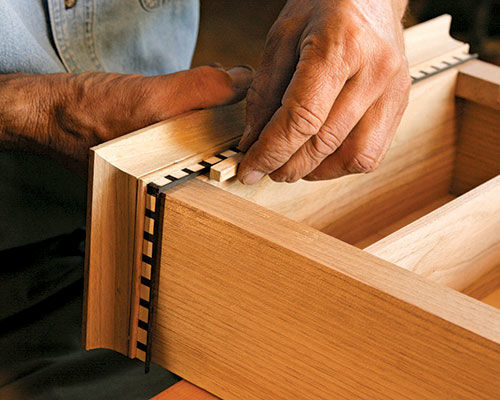
Joinery connects furniture parts and transfers forces between components. The correct joint depends on the furniture type, expected stress, production method, and desired appearance.
Traditional joints and modern fasteners can both create reliable furniture when they are designed and installed correctly.
Source: images.finewoodworking.com
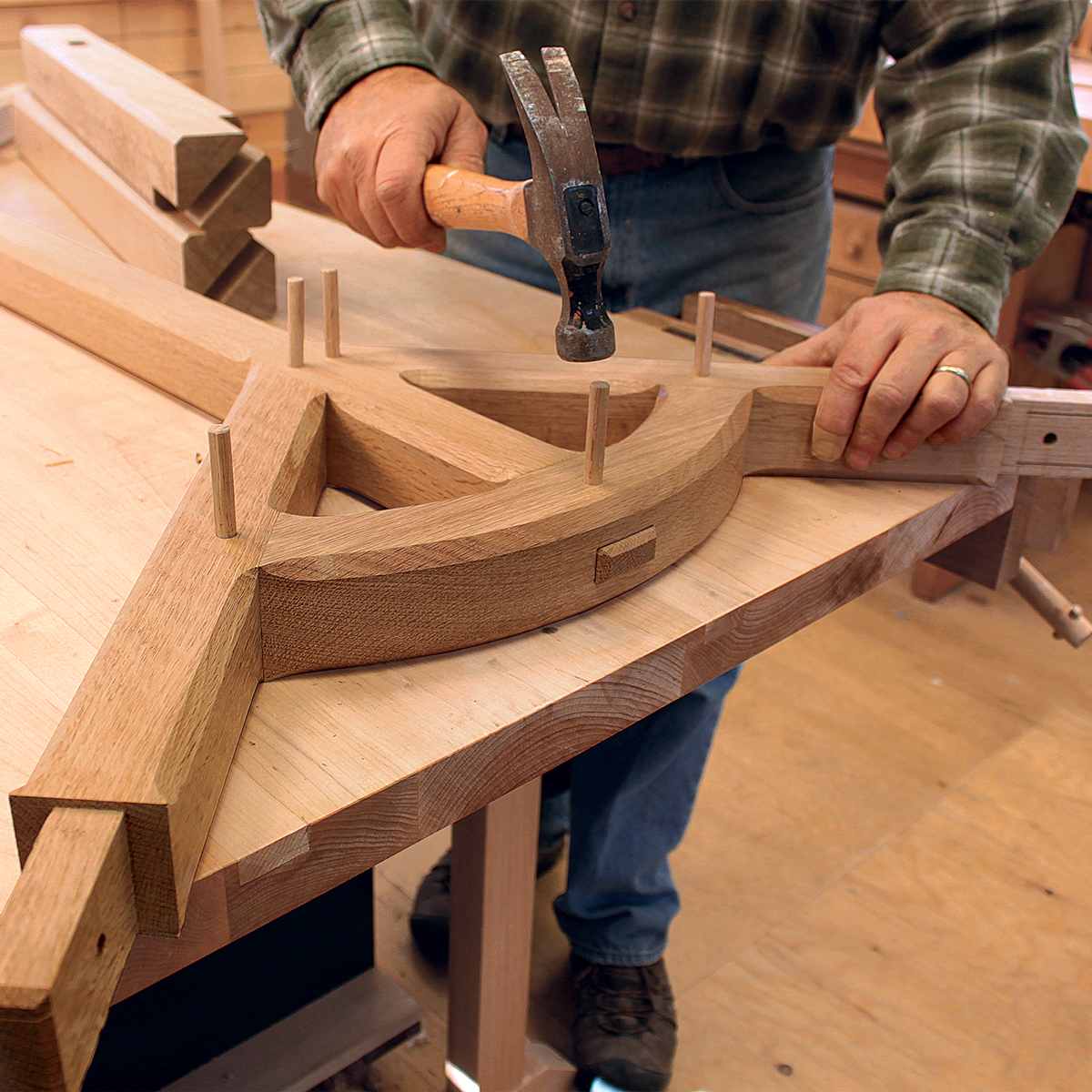
Mortise and tenon
A projecting tenon fits into a matching opening called a mortise, creating a strong mechanical connection.
Dovetail
Interlocking shapes provide resistance against pulling forces and are commonly used in drawers.
Screws and hardware
Modern fasteners allow efficient assembly and easier disassembly when properly supported.
Choosing the Right Joint
The best joint depends on the application. A dining chair frame requires different structural considerations than a cabinet drawer or decorative panel.
Furniture Assembly and Quality Control Steps
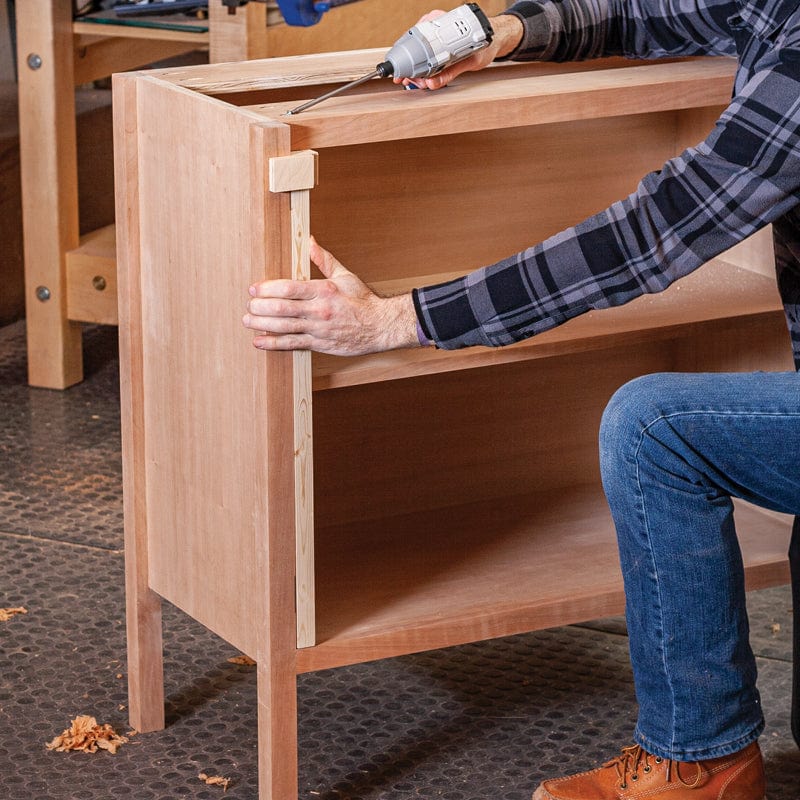
Successful furniture assembly depends on accurate measurements, proper alignment, and controlled fastening. Small errors during assembly can create uneven doors, unstable frames, or premature wear.
Quality checks usually include confirming that parts fit correctly, corners are square, surfaces are smooth, and moving components operate as intended.
Source: arabcont.com
Check dimensions
Confirm component sizes before final assembly to prevent alignment problems.
Test movement
Open drawers, doors, and moving parts to verify proper operation.
Inspect connections
Look for gaps, loose fasteners, or joints that do not seat completely.
Common Furniture Construction Mistakes and Limitations
Many furniture problems result from incorrect material use, insufficient support, or ignoring natural material movement. Understanding these limitations helps prevent failures before they happen.
Furniture intended for heavy use may require stronger construction methods than decorative pieces. A lightweight design may be suitable for occasional use but not for demanding environments.
Source: boatinternational.com
Ignoring wood movement
Solid wood changes size with moisture, so designs must allow controlled movement.
Weak connection choices
Using unsuitable joints or fasteners can reduce structural reliability.
Poor alignment
Incorrect assembly can create stress points and reduce service life.
Frequently Asked Questions
Q
What is the most important part of furniture construction?
The most important part is creating a stable structure that matches the intended use. Materials, joints, and assembly accuracy must work together to support expected loads.
Q
Is solid wood always better for furniture?
Solid wood offers natural beauty and repair options, but it is not always the best choice for every application. Engineered materials can provide stability and efficiency in many designs.
Q
Why do furniture joints become loose?
Joints can loosen because of repeated stress, poor assembly, unsuitable materials, or changes caused by moisture movement. Repair methods depend on the joint type and damage level.
Q
What tools are needed for basic furniture construction?
Basic projects often require measuring tools, saws, drills, clamps, fastening tools, and sanding equipment. The exact tools depend on the construction method and material.
Q
How can furniture durability be improved?
Durability improves through correct material selection, strong joints, accurate assembly, protective finishes, and proper maintenance.
✦ Wrapping Up
Conclusion
Furniture construction fundamentals provide the foundation for understanding how furniture is designed, assembled, and maintained. Strong furniture depends on balanced decisions involving materials, structure, joinery, and finishing.
Whether evaluating purchased furniture or building a piece yourself, focusing on construction quality helps identify designs that can perform reliably over time.
💡 Key Takeaway
Evaluate furniture by examining its materials, structural support, connection methods, and assembly quality rather than appearance alone.