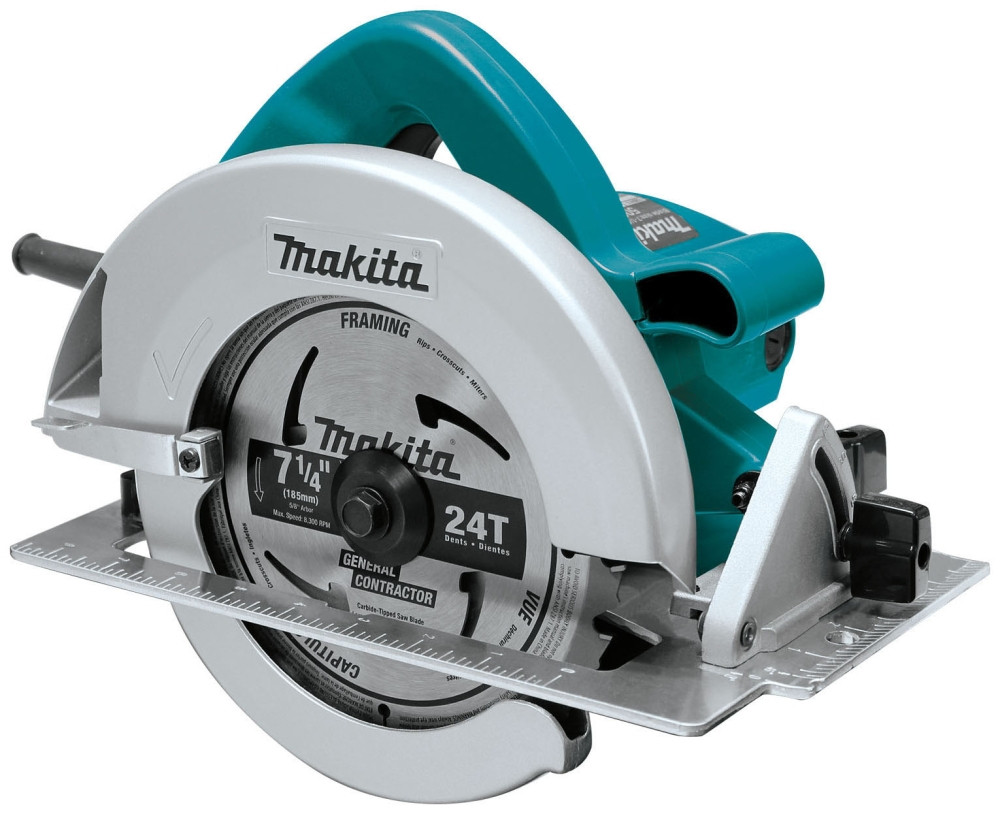
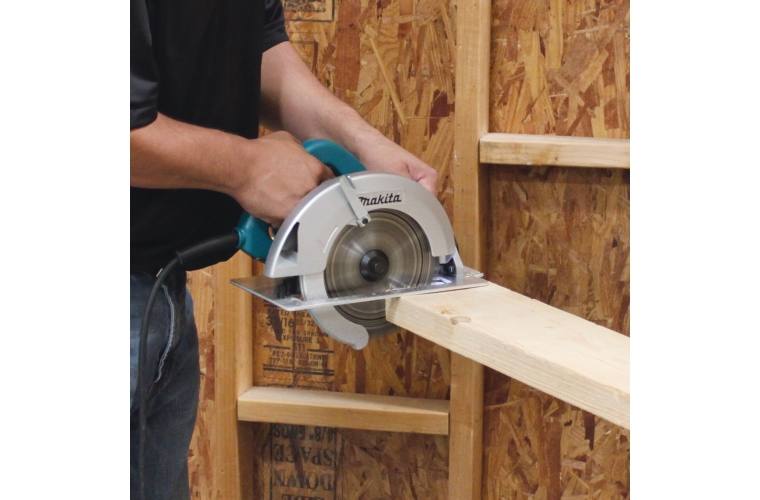
Circular saw lubrication depends on the saw design and the manufacturer’s instructions. Many modern handheld circular saws use sealed, permanently lubricated bearings and need no routine internal lubrication. Worm-drive models may use a specified gear oil, while exposed adjustment screws, pivots, or other moving parts may require a small amount of manufacturer-approved lubricant. Never spray lubricant into the motor, electrical components, blade guard mechanism, or other areas unless the manual specifically calls for it.
For homeowners, DIY users, framers, remodelers, and other tool users in the United States, circular saw lubrication is mainly about knowing where lubricant belongs rather than adding oil everywhere. A saw that feels stiff, makes unusual mechanical noise, or has difficult depth or bevel adjustments may need cleaning or lubrication, but those symptoms can also come from sawdust buildup, worn parts, a damaged blade, or a problem that requires service.
The safest starting point is the owner’s manual for the exact model and type number. Manufacturer guidance varies considerably. Some circular saws require no user lubrication at all, some specify service-center lubrication of the gear case, and certain worm-drive saws have an oil reservoir or oil sight glass. Applying the wrong lubricant can attract abrasive dust, damage plastic components, contaminate electrical parts, or interfere with a safety mechanism.
This guide separates routine external lubrication from internal gear-case service and explains how to decide whether your circular saw actually needs lubricant. The goal is simple: use the correct lubricant only at an approved lubrication point, in the quantity specified by the manufacturer, and keep lubricant away from the blade and operator controls unless the manual says otherwise.
Source: images.thdstatic.com
Does a Circular Saw Need Lubrication?
Not necessarily. Whether a circular saw needs lubrication depends on its drive system, bearings, adjustment mechanisms, and manufacturer maintenance instructions. Many modern handheld circular saws use sealed ball or roller bearings that are lubricated during manufacturing and are not intended to be serviced by the user.
For example, some manufacturer documentation states that self-lubricating bearings do not require relubrication and recommends professional service for periodic gear-case inspection. Other saws specify no additional lubrication or maintenance because their internal components are not user-serviceable.
The important distinction is between a saw that needs lubrication and a saw that contains lubricant. A tool can have factory-lubricated bearings or a permanently lubricated gear assembly without having a user-accessible lubrication point. Opening such a tool simply to add oil can create unnecessary damage and may affect warranty or serviceability.
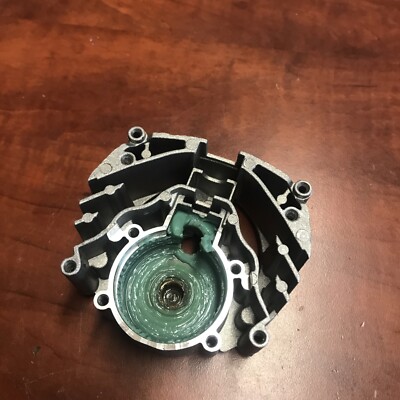
Worm-drive saws are a notable exception. Their gear system can use a dedicated oil bath or specified worm-drive lubricant. Some models provide an oil sight glass or another way to check the gear-oil level. In these cases, lubrication is part of the designed maintenance system rather than an optional spray-on treatment.
Source: i.ebayimg.com
Sealed bearings
Often require no routine user lubrication. Do not drill, pry, or open bearing seals to add oil.
Worm-drive gears
May require a specific gear lubricant and a defined oil level. Follow the exact model manual.
Adjustment mechanisms
Some depth, height, bevel, or threaded mechanisms may require a small amount of approved grease or oil when movement becomes difficult.
Blade and teeth
Routine lubrication of a wood-cutting circular saw blade is generally not the same as lubricating the saw itself. Do not coat a blade with lubricant unless the blade or tool manufacturer specifically recommends it for the application.
Lubrication Is Not a Substitute for Cleaning
Sawdust and fine debris can make a mechanism feel stiff even when it does not need more lubricant. Adding oil to a dirty adjustment screw can turn dust into an abrasive paste that makes movement worse. Clean the mechanism first, inspect it, and then lubricate only if the manufacturer’s instructions identify that location as a lubrication point.
A clean saw also makes it easier to identify real mechanical problems. If the lower guard does not move freely after cleaning, for example, the problem may involve a damaged spring, bent component, packed debris, or another defect rather than insufficient lubrication.
Clean first
Remove sawdust, resin, chips, and loose debris before deciding whether lubricant is needed.
Inspect second
Look for damaged fasteners, worn threads, bent components, loose hardware, and unusual wear.
Lubricate last
Apply only the product and quantity specified for that particular mechanism.
Where Should You Lubricate a Circular Saw?
The correct lubrication points depend on the model, but common serviceable areas can include a worm-drive gear case, a threaded adjustment screw, a hinge or pivot, or another exposed mechanical interface identified in the owner’s manual. The lubricant should stay exactly where the manufacturer intends it to work.
Do not treat every moving component as a lubrication point. A component can be designed to operate dry, use a self-lubricating material, or contain a sealed bearing. Adding oil to such a part may attract dust without providing a useful maintenance benefit.
A particularly important example is the blade guard. The lower guard must move freely and return to its protective position. However, spraying lubricant into the guard assembly is not automatically the correct solution. The manual may specify cleaning only, a particular lubricant, or professional service. The guard should never be tied, clamped, or held open while the saw is being used.
Source: static.grainger.com
Worm-drive gear case
Use only the gear oil specified by the manufacturer and maintain the level or service interval stated for the model.
Threaded adjustment mechanisms
Some saws use grease on threads or similar mechanisms to keep depth or height adjustment smooth.
Approved pivots
A manufacturer may specify oil or grease at a particular pivot or hinge. Do not assume all pivots require lubrication.
Sealed bearings
Leave sealed bearings alone unless the service manual specifically provides a replacement or lubrication procedure.
Worm-Drive Saw Lubrication
Worm-drive saws deserve special attention because the gear system can use oil as part of normal operation. Some current and legacy worm-drive designs use an oil reservoir or oil sight glass so the operator can check the lubricant level. This is fundamentally different from spraying a general-purpose lubricant onto an external moving part.
Use the lubricant specified for the saw. Do not substitute automotive oil, random gear grease, penetrating spray, or another product simply because it appears similar. The correct viscosity, additives, compatibility, and operating conditions are determined by the tool design and manufacturer.
Check the oil level
If the saw has a sight glass or documented oil-level procedure, inspect it according to the manual.
Use the specified oil
A dedicated worm-drive lubricant may be required for the gear system.
Watch for leaks
A falling oil level or visible leakage can indicate a seal or housing problem that requires inspection.
How to Lubricate a Circular Saw Safely
The safest procedure is to identify the approved lubrication point first and then prepare the saw before applying anything. Never lubricate a powered or running circular saw. For a corded model, unplug the power cord. For a cordless model, remove the battery pack. Wait until the blade and other hot components have stopped and cooled.
Have the owner’s manual, the recommended lubricant, a clean cloth, and an appropriate brush available. If the manual calls for a service-center procedure, do not improvise an internal repair simply because the gear case appears accessible.
The following process is appropriate as a general framework, but the exact lubricant, quantity, and service interval must come from the saw’s documentation.
Source: cdn.shopify.com
1. Disconnect the saw
Unplug a corded saw or remove the battery from a cordless saw before cleaning, inspection, or lubrication.
2. Identify the lubrication point
Use the owner’s manual or parts diagram to confirm that the location is actually designed to receive lubricant.
3. Clean the area
Remove sawdust, chips, dirt, and old contaminated lubricant around the service point.
4. Apply the specified lubricant
Use the recommended oil or grease and apply only the amount instructed by the manufacturer.
5. Wipe away excess
Remove excess lubricant from surrounding surfaces so it cannot collect dust or migrate toward the blade, handle, switch, or electrical components.
6. Check movement
With the saw still disconnected, operate the serviced adjustment or mechanism by hand and confirm that it moves as intended.
7. Reassemble and inspect
If any component was removed, reinstall it exactly as specified and verify that guards, fasteners, and controls operate correctly.
8. Test cautiously
After the maintenance is complete, perform a controlled test without placing hands near the blade or using the saw on material until normal operation has been confirmed.
Signs the Lubrication Was Successful
A successful lubrication job should produce a specific mechanical improvement rather than simply leave the tool looking oily. An approved adjustment mechanism may move more smoothly, a documented gear case may maintain the correct oil level, or a previously dry pivot may operate according to the manufacturer’s intended resistance.
If a saw continues to grind, squeal, bind, vibrate, overheat, or produce unusual gear noise after proper maintenance, stop troubleshooting by adding more lubricant. Those symptoms can indicate worn gears, bearings, a bent shaft, a damaged blade, electrical problems, or another mechanical fault.
Smooth adjustment
Depth, bevel, or another documented adjustment should move consistently without excessive force.
No lubricant migration
Oil or grease should remain at the intended service point and should not reach the blade, switch, handle, or electrical areas.
Normal operation
The saw should operate without new grinding, rubbing, excessive vibration, or unusual mechanical noise.
What Lubricant Should You Use?
There is no single lubricant that is correct for every circular saw. The right product is determined by the component being serviced and the manufacturer’s specification. A dedicated worm-drive oil, general-purpose grease, light machine oil, or dry lubricant can each have legitimate uses, but they are not interchangeable.
A product marketed for blades and bits is also not automatically suitable for a circular saw’s internal gear case. Likewise, a penetrating spray designed to loosen rusty hardware should not be treated as a replacement for a specified gear lubricant.
Dry lubricants can be useful for certain exposed mechanisms because some formulas are designed to leave a lower-residue film that resists dirt and dust. Even then, compatibility with the specific saw and application should be confirmed before use.
Source: cdn11.bigcommerce.com
Manufacturer-specified gear oil
Use this when the saw’s gear system has a documented oil requirement, particularly on worm-drive designs.
General-purpose grease
Use only where the manual identifies grease as suitable, such as certain threaded adjustment mechanisms.
Light machine oil
May be specified for particular pivots or mechanical bearings on some older equipment, but should not be assumed appropriate for modern sealed components.
Dry lubricant
Can be appropriate for selected external mechanisms when the product and tool manufacturer permit it, especially where reducing dust accumulation matters.
Why More Lubricant Is Not Better
Excess lubricant can become a maintenance problem. Wet oil and grease can hold sawdust against a mechanism, contaminate surfaces, migrate into areas where lubricant does not belong, and make future inspection more difficult. Too much lubricant can also hide a developing leak or mechanical defect.
Apply enough to perform the specified function and no more. If the manual provides a measured quantity, use that quantity rather than judging by appearance.
Avoid soaking
A lubrication point rarely benefits from being flooded with oil or grease.
Avoid overspray
Use a controlled applicator when possible and protect nearby surfaces from unintended lubricant.
Avoid mixing products
Do not combine different greases or oils unless compatibility is explicitly established.
What Not to Lubricate on a Circular Saw
Several areas should not receive lubricant unless the manufacturer specifically directs you to apply it. The motor windings, switches, battery contacts, handles, electrical connections, and cutting blade are not general-purpose lubrication points.
The blade itself is another common source of confusion. For ordinary wood cutting, adding oil to the blade does not replace cleaning, sharpening, correct tooth selection, or proper cutting technique. A dirty or dull blade can increase heat and cutting resistance, but spraying it with a general-purpose lubricant is not a universal fix.
Metal-cutting applications can be different. Some metal-cutting saws and cutting operations use cutting fluids or lubricants selected for the material and blade. That is a cutting-process requirement, not proof that the same product belongs inside the saw’s gear case or on a wood-cutting blade.
Source: i.sstatic.net
Motor windings
Do not oil or grease electrical windings. Internal motor service should follow the manufacturer’s service procedure.
Switches and electrical components
Keep oil, grease, and cleaning chemicals away from switches, battery contacts, and electrical connections unless the manufacturer specifically provides a procedure.
Handles and controls
Handles, triggers, and control surfaces should remain clean and dry so the operator can maintain a secure grip and reliable control.
Blade teeth
Do not routinely coat wood-cutting blade teeth with general-purpose oil or grease. Follow the blade manufacturer’s maintenance instructions instead.
Blade guard
Do not spray lubricant into the guard mechanism unless the exact saw documentation identifies a lubrication point and product.
When a Lubricant Spray Can Make a Problem Worse
A spray lubricant can temporarily make a stiff mechanism feel better while leaving the underlying problem unresolved. If the stiffness comes from a bent bracket, damaged thread, worn pivot, packed debris, or broken spring, lubricant only masks the symptom.
This is especially important for safety-related mechanisms. If a lower blade guard hesitates, fails to return fully, or binds after cleaning, do not assume it needs more spray. Stop using the saw until the cause is identified and corrected.
Guard does not close correctly
Stop using the saw and inspect or service the guard according to the manufacturer’s instructions.
Persistent grinding
Grinding after lubrication can indicate bearing or gear damage rather than insufficient lubricant.
Oil reaches the blade
Clean the affected area and determine why lubricant migrated before returning the saw to service.
Circular Saw Lubrication Schedule and Troubleshooting
There is no universal circular saw lubrication schedule. The correct interval can range from no user lubrication at all to periodic inspection of a dedicated gear-oil system or adjustment mechanism. The owner’s manual takes priority over a generic maintenance calendar.
Instead of lubricating on an arbitrary weekly or monthly schedule, combine the manufacturer’s service interval with condition-based inspection. Clean the saw regularly, inspect the blade and guards before use, and pay attention to changes in adjustment effort, mechanical noise, vibration, or heat.
For professional users, the correct maintenance interval can also depend on operating environment. A framer working every day in dusty conditions may need more frequent cleaning and inspection than an occasional homeowner. That does not automatically mean the saw needs more lubricant; it often means debris needs to be removed more frequently.
Source: cdnmedia.endeavorsuite.com
Before each use
Inspect the blade, guard, cord or battery interface, controls, fasteners, and general tool condition.
After dusty work
Clean sawdust from the housing, guard area, ventilation openings, and other locations identified by the manual.
At the manufacturer’s interval
Perform the documented lubrication or service procedure if the model requires one.
When symptoms appear
Investigate stiff adjustment, unusual noise, vibration, overheating, or leakage rather than automatically adding lubricant.
Troubleshooting Common Lubrication Problems
If a circular saw becomes difficult to adjust, start with cleaning and inspection. Check for packed sawdust, damaged threads, bent components, or loose hardware before adding lubricant. If the manual identifies the adjustment screw as a lubrication point, apply the specified grease or oil and retest the movement with the tool disconnected.
If a worm-drive saw has low or visibly abnormal gear-oil level, follow the manufacturer’s procedure for checking and replenishing it. If the level drops again, look for evidence of leakage and seek service rather than repeatedly topping it off.
If the saw produces a new grinding, whining, rattling, or scraping sound, disconnect it and investigate the cause. Lubrication is appropriate only when the sound is associated with a documented serviceable component. Mechanical damage requires repair, not additional lubricant.
Stiff depth adjustment
Clean the adjustment mechanism, inspect the threads and hardware, then lubricate only if the manual specifies that point.
Low worm-drive oil
Use the specified gear oil and investigate possible leakage if the level repeatedly falls.
Grinding or whining
Stop using the saw and inspect for gear, bearing, shaft, or blade problems rather than repeatedly adding lubricant.
Excessive vibration
Check blade condition, mounting, flanges, and other documented causes. Do not assume vibration means the saw needs oil.
Lower guard binds
Disconnect the saw, clean the guard area, and follow the manufacturer’s service instructions if free movement is not restored.
When to Use a Qualified Service Center
Professional service is appropriate when the maintenance procedure requires opening a sealed gear case, replacing bearings, repairing electrical components, correcting a damaged shaft, servicing a safety mechanism, or diagnosing persistent abnormal noise.
Manufacturer documentation commonly directs users to authorized or factory service centers for repairs and internal adjustments. If the saw has a safety-critical defect, do not continue operating it simply because adding lubricant temporarily changes the symptom.
Internal gear-case work
Use the manufacturer’s service procedure or an authorized repair facility when the gear case is not intended for user maintenance.
Electrical faults
Have damaged cords, switches, wiring, or internal electrical components repaired by appropriately qualified personnel.
Safety mechanism problems
Do not operate the saw if the blade guard, brake, lock, or another safety feature does not function correctly.
Frequently Asked Questions
Q
Can I use WD-40 on a circular saw?
It depends on the specific application and the product. A lubricant spray may be suitable for an approved external mechanism if the saw manufacturer permits it, but a general-purpose spray should not automatically be used inside the gear case, motor, electrical components, or blade guard. A dedicated gear lubricant specified by the manufacturer should be used when the saw requires gear oil.
Q
Should I oil the blade of a circular saw?
For normal wood cutting, routine blade oiling is generally not the same as lubricating the saw. Keep the blade clean, sharp, correctly installed, and appropriate for the material. If you are cutting metal or another material for which the blade or tool manufacturer specifies a cutting lubricant, follow those application instructions instead.
Q
How often should I lubricate my circular saw?
Follow the maintenance schedule for the exact model. Some circular saws have no user lubrication requirement, while certain worm-drive or older designs have documented oil or grease procedures. Do not create a generic weekly or monthly lubrication schedule when the manufacturer specifies that the component is permanently lubricated or service-center maintained.
Q
What oil goes in a worm-drive circular saw?
Use the gear oil specified by the saw manufacturer for that model. Worm-drive saws can use dedicated gear lubricants, and the correct product and oil level can vary by design. Do not substitute an unrelated automotive, motor, or penetrating oil without confirmation from the manufacturer.
Q
Why is my circular saw still making noise after lubrication?
Persistent noise can indicate a problem that lubrication cannot correct, such as worn bearings, damaged gears, a bent shaft, a loose component, or a blade problem. Disconnect the saw and inspect it according to the manual. If abnormal noise remains or the source is unclear, stop using the tool and have it inspected.
✦ Wrapping Up
Conclusion
Circular saw lubrication is a model-specific maintenance task, not a routine matter of spraying oil onto every moving part. Many modern saws use sealed or factory-lubricated components, while worm-drive models and certain adjustment mechanisms may have defined lubrication requirements.
The safest approach is to disconnect the saw, clean it, identify the documented lubrication point, use the specified lubricant, and apply only the required amount. Keep lubricant away from electrical components, handles, controls, safety mechanisms, and the blade unless the manufacturer specifically instructs otherwise.
If the saw continues to grind, bind, vibrate, overheat, leak oil, or behave abnormally after the documented maintenance procedure, treat the symptom as a possible mechanical problem rather than adding more lubricant. Internal gear, bearing, electrical, or safety-system repairs are better handled according to the manufacturer’s service instructions or by a qualified service center.
💡 Key Takeaway
Find the owner’s manual for your exact circular saw model and identify its approved lubrication points before applying any oil or grease. If no user lubrication is specified, do not add lubricant simply as preventive maintenance; focus instead on cleaning, inspection, blade condition, and proper servicing.