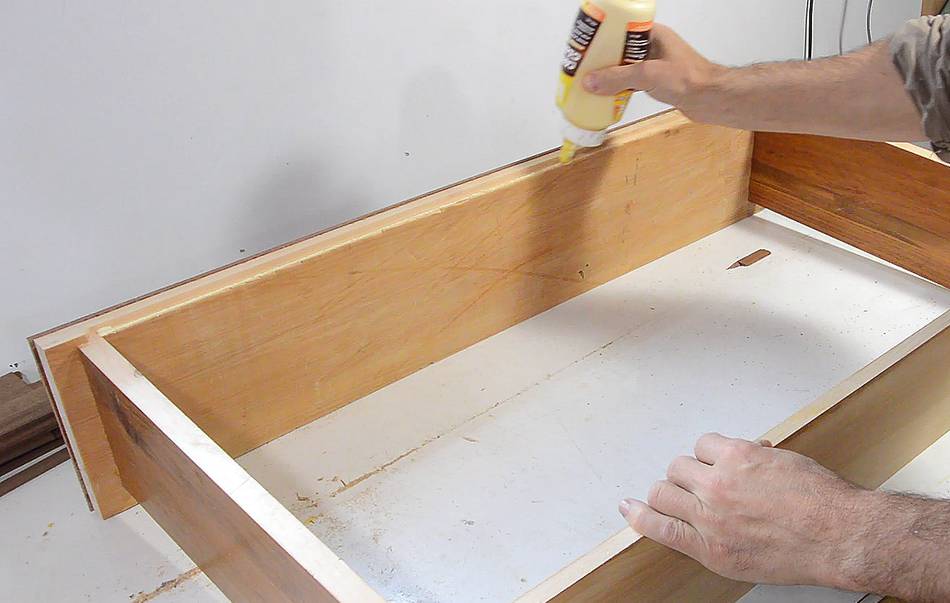
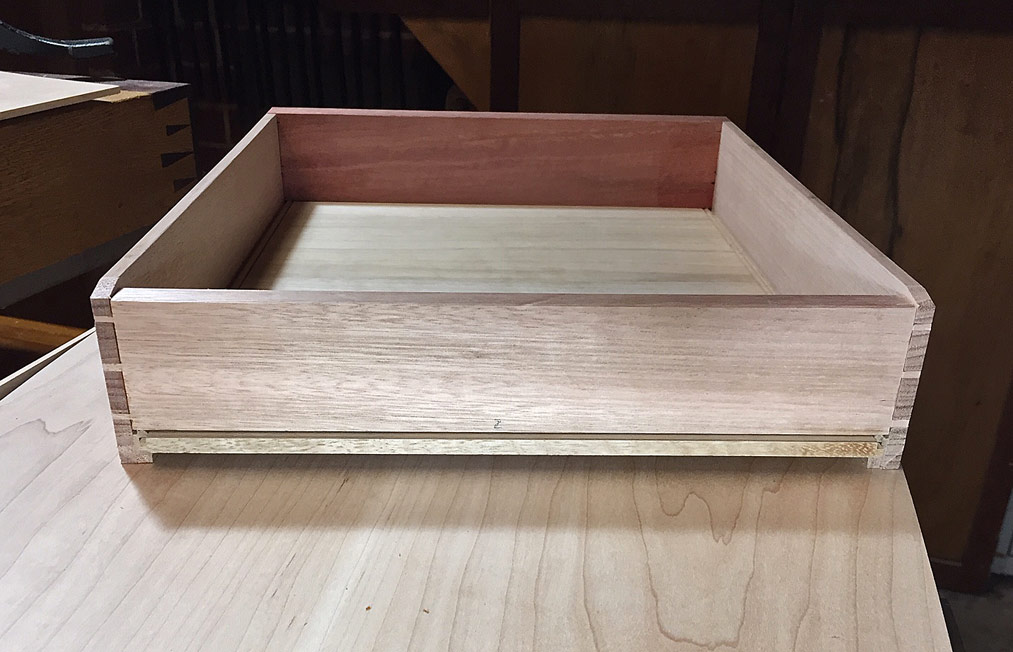
Drawer bottom installation requires accurate sizing, proper support, and a secure fit inside the drawer box.
In U.S. woodworking and cabinet projects, drawer bottom installation is one of the final steps that determines how well a drawer handles daily use. A properly installed bottom keeps the drawer square, supports stored items, and helps prevent sagging or separation over time.
Most modern drawers use plywood or engineered panels fitted into grooves or secured with additional supports. The correct method depends on drawer size, expected load, material type, and whether the bottom needs to allow natural wood movement.
Source: woodgears.ca
What Is Drawer Bottom Installation?
Drawer bottom installation is the process of fitting a panel into a drawer box so it supports the drawer contents and maintains the structure of the box. The bottom panel may sit inside grooves cut into the drawer sides, front, and back, or it may attach beneath the drawer using other construction methods.
The most common materials are plywood, hardboard, and solid wood panels. Many cabinet drawers use plywood because it stays relatively stable when humidity changes inside homes across the United States.
Source: woodcraft.com
Groove installation
The bottom slides into channels cut into the drawer box and becomes part of the drawer structure.
Surface-mounted installation
The bottom attaches below the drawer box and may require additional reinforcement for heavier loads.
Choosing the Right Drawer Bottom Material
For many residential drawers, 1/4-inch plywood provides a practical balance of strength and weight. Larger or heavily loaded drawers may require thicker material or additional support.
Solid wood bottoms can be used in traditional furniture, but they require consideration of seasonal expansion and contraction.
Plywood
Stable and commonly available for cabinet and furniture drawers.
Solid wood
Requires planning for natural movement caused by humidity changes.
How to Install a Drawer Bottom Step by Step
A successful drawer bottom installation starts with accurate measurements and a dry test fit. The bottom should slide into place smoothly without creating pressure on the drawer sides.
Before permanent assembly, check that the drawer box is square and that the bottom panel sits evenly inside the grooves.
Source: woodsmith.com
Step 1: Measure the drawer opening
Measure the inside dimensions of the assembled drawer box before cutting the bottom panel.
Step 2: Cut the bottom panel
Cut the panel so it fits the grooves with slight clearance instead of being forced tightly.
Step 3: Test fit the panel
Slide the bottom into place and check for binding, gaps, or movement.
Step 4: Secure the bottom
Attach the bottom according to the drawer design using suitable fasteners or adhesive methods.
Signs the Installation Is Correct
A properly installed drawer bottom stays flat, does not rattle during movement, and keeps the drawer box aligned. The drawer should open and close without unusual resistance.
Flat surface
The panel remains level without visible bending.
Secure fit
The bottom does not shift when the drawer is moved.
Common Drawer Bottom Installation Problems and Fixes
Most drawer bottom problems come from incorrect measurements, insufficient support, or choosing a material that does not match the drawer requirements.
Checking the fit before final assembly is the easiest way to prevent repairs later.
Source: sawmillcreek.org
Bottom panel rattles
The groove may be too wide or the panel may need additional support.
Drawer bottom falls out
The panel may not be captured properly by the drawer box structure.
Drawer sides separate
The bottom may be cut too large and forcing the box outward.
Frequently Asked Questions
Q
What thickness should a drawer bottom be?
Many residential drawers use 1/4-inch plywood bottoms because the material is lightweight and stable. Larger drawers may need thicker panels or added reinforcement depending on the expected load.
Q
Should a drawer bottom be glued in place?
The answer depends on the construction method and material. Some designs allow the bottom to move slightly, while others use glue or fasteners to increase rigidity.
Q
Why is my drawer bottom sagging?
Sagging usually happens when the panel is too thin, the drawer is overloaded, or the bottom lacks enough support. Reinforcement or replacement with a stronger panel may be needed.
Q
Can I replace a damaged drawer bottom?
Yes. A damaged bottom can often be replaced by removing the old panel, measuring the opening, and installing a new panel that matches the original construction method.
Q
What is the easiest drawer bottom installation method for beginners?
Using a plywood panel fitted into grooves is one of the simpler approaches because the grooves help position and support the bottom during assembly.
✦ Wrapping Up
Conclusion
Drawer bottom installation is a practical woodworking step that combines accurate measurement, suitable materials, and careful fitting. A properly installed bottom improves drawer strength and helps the drawer operate reliably.
Whether building new cabinets or repairing existing furniture, taking time to test fit the panel before final attachment prevents many common problems.
💡 Key Takeaway
Measure carefully, choose the correct bottom material, and test the fit before permanently securing the drawer bottom.