
Router bits shape, cut, and finish wood with speed, accuracy, and control.
If you want clean cuts, safe setups, and pro results, you need a clear map. This is The Complete Router Bit Guide from years at the bench and hours in the shop. I will show you how bits work, which ones to buy, how to run them, and how to avoid burning, tear-out, and chatter. Stay with me and you will feel sure each time you pull the router trigger.

What a Router Bit Is and How It Works
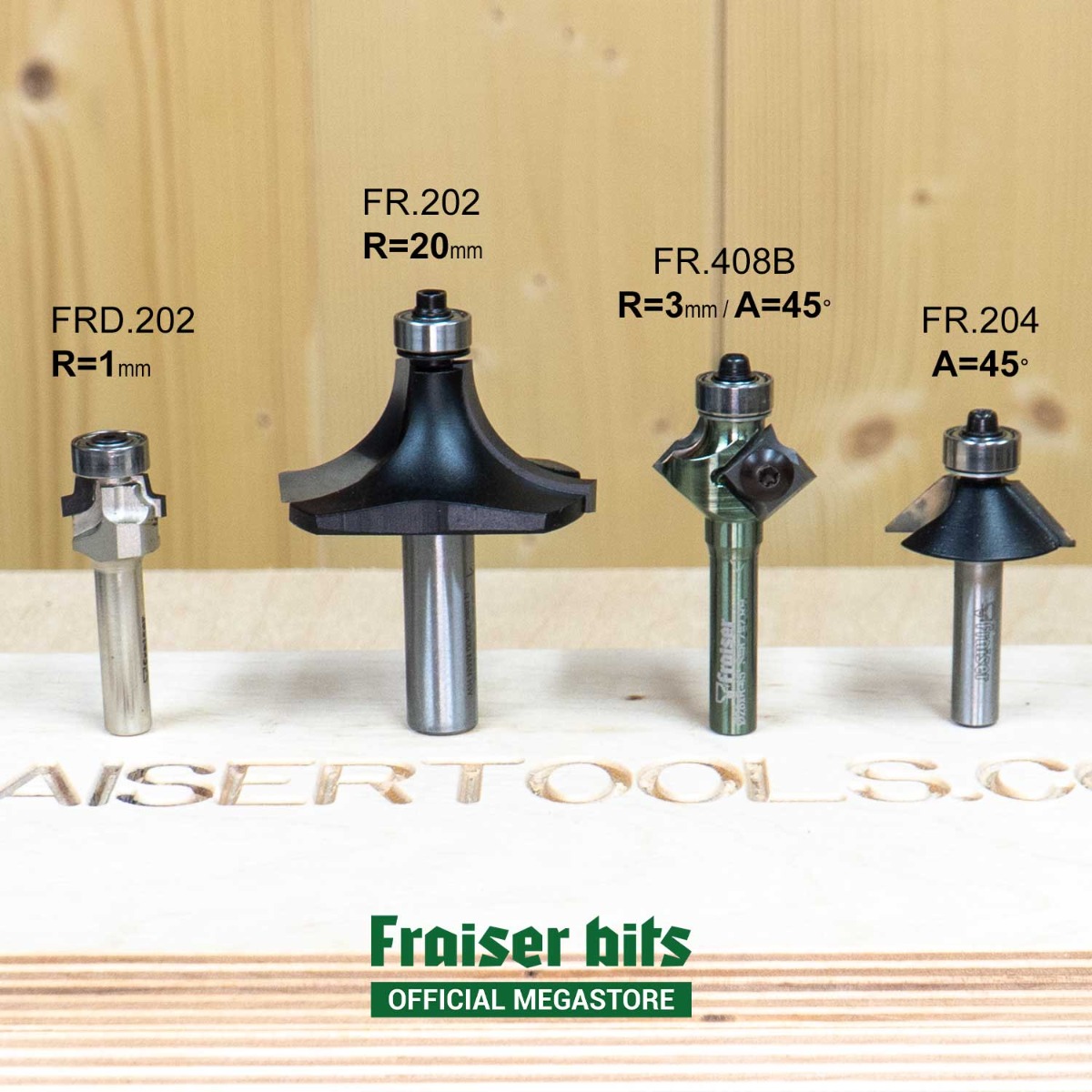
A router bit is a small cutting tool that spins fast. It shapes wood, plastic, and some metals. The Complete Router Bit Guide starts with the parts and what they do.
Key parts and terms:
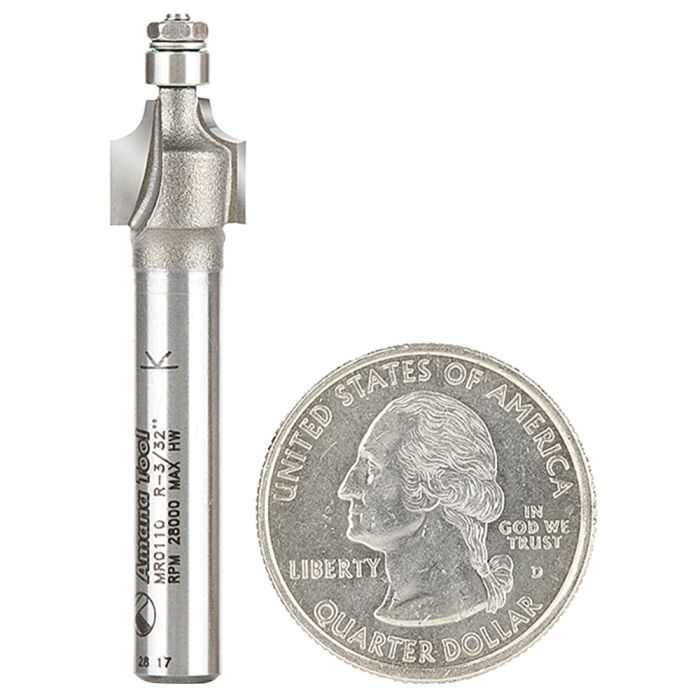
- Shank holds in the collet. Common sizes are 1/4 inch and 1/2 inch.
- Flutes are cutting edges. They clear chips as they cut.
- Pilot or bearing guides the bit on an edge or a template.
- Cutting geometry sets how the bit slices the wood fiber.
- Overall length affects reach and leverage.
How it cuts:
- Sharp edges shear fibers and lift chips.
- Speed and feed set chip size and heat.
- Stable grip and square collet reduce runout and chatter.
Source: fraisertools.com
Router Bit Materials and Coatings
Material and build quality decide sharp life and cut feel. In The Complete Router Bit Guide, we favor carbide for most work.
Common options:
- High speed steel. Sharp but dulls fast. Good for softwood and light trim.
- Carbide tipped. Most common. Great edge life. Good value.
- Solid carbide. Best for small bits and CNC. Very stiff and sharp.
- Coatings like TiN, DLC, or diamond. Cut heat and wear in abrasive stock.
Use cases:
- Carbide for hardwood, plywood, and MDF.
- Solid carbide spirals for clean dados and template work.
- Diamond for fiber cement and very abrasive panels.

Source: thebarndoorhardwarestore.com
Shank Sizes, Collets, and Balance
Shank size affects grip, vibration, and cut quality. The Complete Router Bit Guide recommends 1/2 inch shanks when possible.
Shank picks:
- 1/2 inch shank runs smoother and safer. Less chatter. Better finish.
- 1/4 inch shank is fine for small bits or light routers.
Collet care:
- Keep it clean. Pitch and dust cause slip.
- Do not bottom the shank. Leave a small gap.
- Replace worn collets. Runout ruins cuts.
Balance tips:
- Use short bits when you can.
- Avoid deep stick out.
- If a bit wobbles, stop and check the collet.
Source: burnstools.com
Core Types of Router Bits and Uses
This part of The Complete Router Bit Guide shows the bits you will reach for most. Pick by task, wood, and the edge you want.
Straight and Mortising Bits
- Cut dados, grooves, and rabbets.
- Good in solid wood and plywood.
- Use sharp carbide to avoid tear-out.
Spiral Bits: Upcut, Downcut, and Compression
- Upcut clears chips fast. Best for dado depth and mortises. Can fuzz the top.
- Downcut leaves a clean top edge. Shallow passes due to chip load.
- Compression has both cuts. Clean top and bottom in plywood.
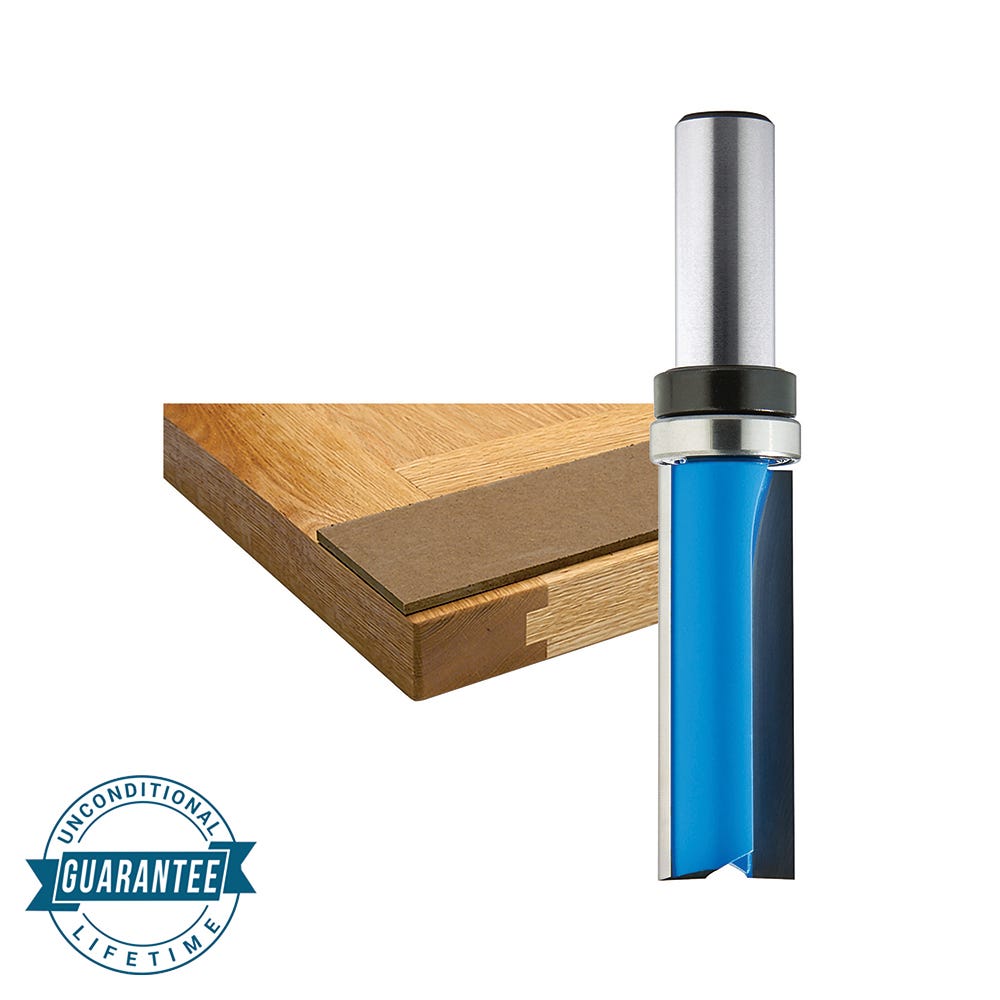
Flush Trim and Pattern Bits
- Use a bearing to follow a template.
- Pattern bit puts the bearing on top.
- Flush trim puts the bearing on the bottom.
- Use spiral flush trim for clean end grain.
Edge Forming: Round-over, Chamfer, Cove, Ogee
- Round-over softens edges. Common sizes are 1/8 to 1/2 inch radius.
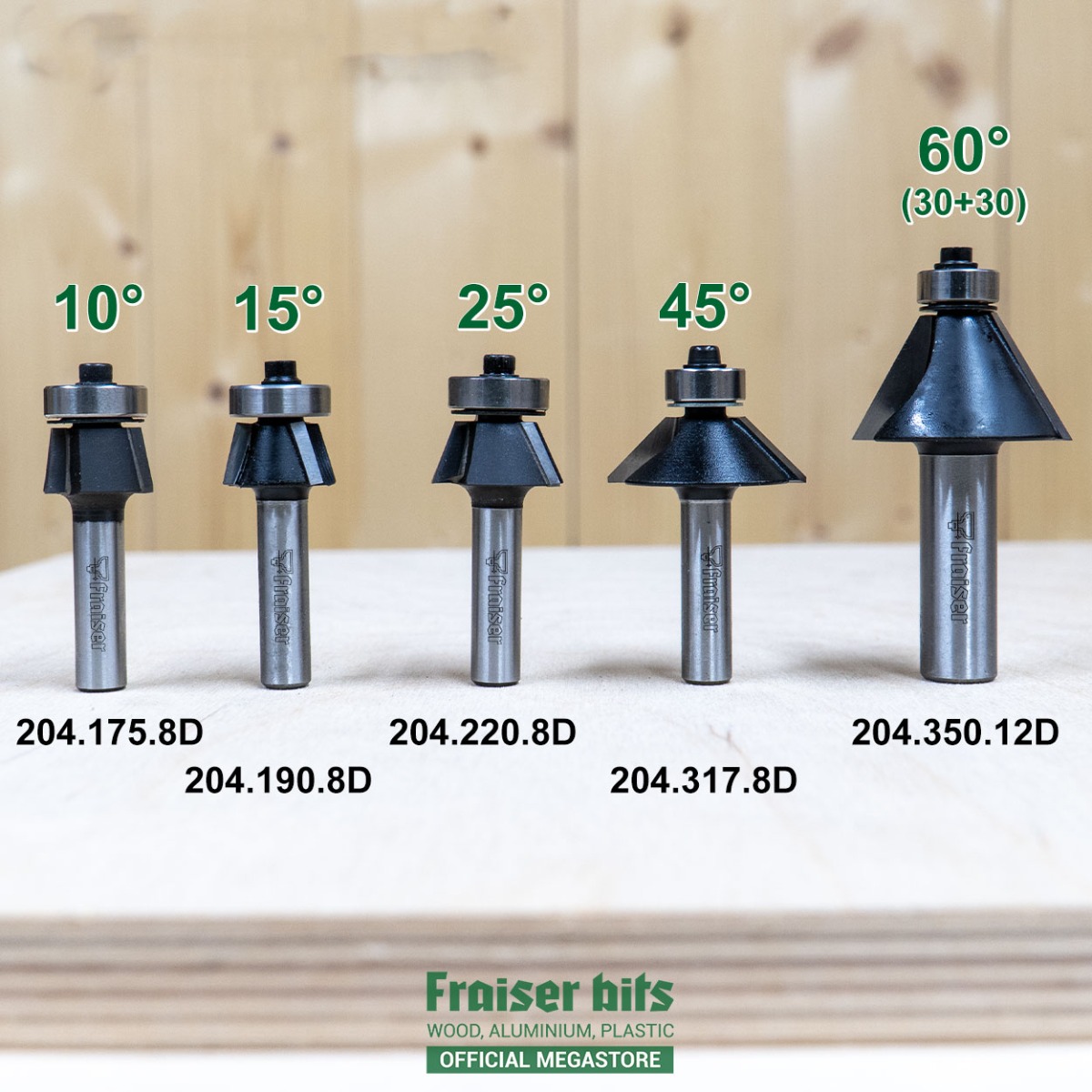
- Chamfer cuts a clean bevel. Good on casework.
- Cove and ogee add classic curves.
Joinery Bits
- Rabbeting with bearings sets many depths.
- Dovetail for sliding dovetails and jigs.
- Slotting for grooves and T-tracks.
- Keyhole for hangers in frames.
Panel and Door Sets
- Stile and rail sets for frame and panel doors.
- Raised panel bits for the field of the door.
- Use a table and fence. Take light passes.
V-Groove and Sign-Making
- V-groove for letters and accents.
- Use on a CNC or with a guide for signs.
Specialty
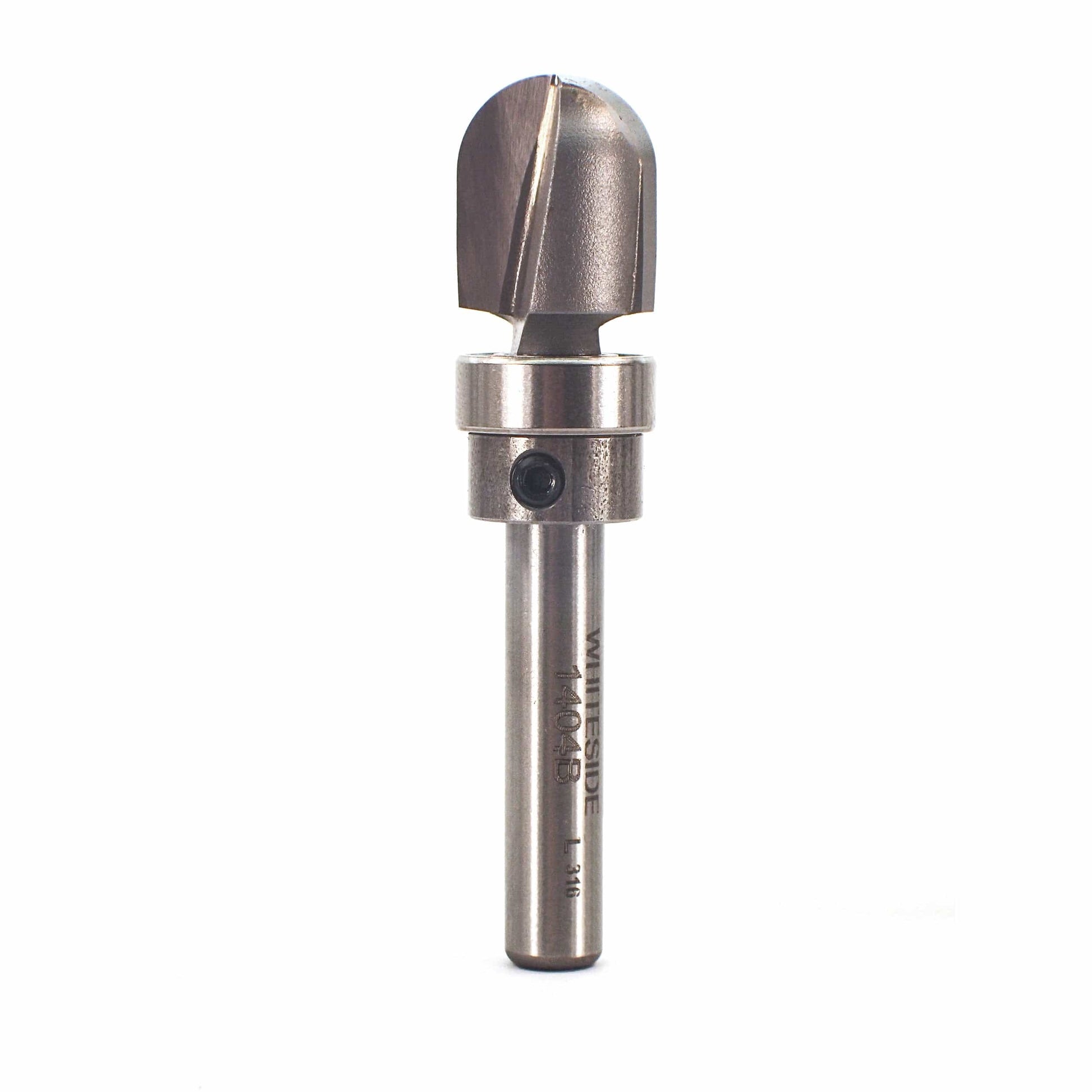
- Round nose or core box for flutes.
- Bowl and tray bits for dishes.
- Spoilboard surfacing bits for flattening slabs.

Source: amazon.com
Choosing the Right Bit for Your Project
This section of The Complete Router Bit Guide turns needs into steps. Use this simple path.
- Name the task. Edge form, groove, joinery, or template.
- Match the bit style. Spiral for grooves, bearing-led for edges.
- Check the material. Plywood likes compression spirals. MDF likes carbide.
- Size the cut. Big bits need lower RPM and firm feed.
- Plan passes. Deep cuts need more steps. Do test cuts first.
- Pick the router. Handheld for edges. Table for small parts and joinery.
- Set dust control. It saves your lungs and keeps the cut cool.
Source: fraisertools.com
Speed, Feed, and Chip Load Made Simple
The Complete Router Bit Guide keeps speed rules clear. Heat is the enemy. Chips must fly, not dust.
Speed basics by bit diameter:
- 1/4 to 3/8 inch bits: 20,000 to 24,000 RPM.
- 1/2 inch bits: 16,000 to 20,000 RPM.
- 3/4 to 1 inch bits: 12,000 to 16,000 RPM.
- Over 1 inch: 8,000 to 12,000 RPM. Use a table.
Feed tips:
- Push steady. Listen for a clean hum.
- If wood burns, speed may be high or feed too slow.
- If it chatters, slow down or take a lighter pass.
Chip load feel:
- Chips should be warm, not powder. Powder means rubbing.
- Raise feed or lower RPM to grow chip size.
Source: woodcraft.com
Safety, Setup, and Technique
Safety is a core theme in The Complete Router Bit Guide. Good setup beats luck.
Safety steps:
- Wear eye and hearing protection. Use a snug dust mask.
- Check the bit for cracks or dull edges.
- Tighten the collet with two wrenches.
Technique:
- Feed against the bit rotation for control.
- Climb cut only to skim light fuzz. Hold firm.
- Use featherboards and push blocks on the table.
- Start with light passes. Sneak up on the line.
- Support end grain with scrap to stop blowout.

Source: youtube.com
Maintenance: Cleaning, Sharpening, and Storage
Clean bits last longer and cut cleaner. The Complete Router Bit Guide favors simple care.
Cleaning:
- Soak in a bit cleaner or mild degreaser.
- Scrub resin with a soft brass brush.
- Dry and oil the shank to stop rust.
Sharpening:
- Touch flutes with a fine diamond card. Light strokes only.
- Do not change the profile. If dull, send to a pro.
Bearings:
- Spin by hand. If rough, replace.
- Add a tiny drop of light oil.
Storage:
- Keep bits in a case or rack.
- Caps on sharp edges. Labels help you grab fast.
Source: rockler.com
Troubleshooting Common Problems
Here is a fast fix list from The Complete Router Bit Guide.
- Burning on edges. Feed faster, lower RPM, clean the bit, or switch to spiral.
- Tear-out on plywood. Use compression or take a climb skim, then a full pass.
- Chatter or scallops. Use a 1/2 inch shank, reduce stick out, or slow RPM.
- Poor template match. Use a spiral flush trim and fresh double-stick tape.
- Bearing marks. Check bearing spin, use light passes, and ease the feed in.
- Bit walks in the collet. Clean and replace the collet. Leave a gap at bottom.
Starter Kits, Pro Picks, and Budget Tips
You do not need every bit on day one. The Complete Router Bit Guide gives a lean buy list.
Start here:
- Round-over set with bearings.
- Chamfer bit.
- Flush trim and pattern spirals.
- Straight bits in 1/4, 3/8, and 1/2 inch.
- Rabbeting set with bearings.
Level up:
- Upcut, downcut, and compression spirals.
- Dovetail and keyhole.
- Cove and ogee.
- Stile and rail set if you build doors.
Money savers:
- Buy 1/2 inch shank where you can.
- Replace bearings, not bits, when they fail.
- Keep bits clean to double their life.
Real-World Examples and Shop Lessons
My first slab flattening pass burned and stalled. I had set the RPM too high. I slowed the router, raised the feed, and the bit sang. That day wrote a page in The Complete Router Bit Guide.
More lessons:
- Pattern routing oak end grain needs a spiral flush trim. Straight bits chewed and tore.
- A light climb cut can erase fuzz before a final pass. But I keep both hands steady and stance wide.
- I log RPM, pass depth, and wood type on blue tape on the fence. Next time is faster and safer.
Glossary of Key Terms
A brief list from The Complete Router Bit Guide.
- Collet. The clamp that holds the bit shank.
- Runout. Wobble from poor grip or worn parts.
- Flute. The cutting edge and chip path.
- Pilot bearing. A wheel that guides the bit.
- Climb cut. Feed with rotation. Use with care.
- Compression spiral. Upcut and downcut in one bit.
Frequently Asked Questions of The Complete Router Bit Guide
What is the best first set of router bits?
Start with a round-over set, a chamfer, a flush trim, and two straight bits. Add a rabbeting set for casework.
How do I stop burning on maple and cherry?
Lower the RPM and feed faster. Clean pitch from the bit and use a sharp spiral.
Are 1/2 inch shank bits always better?
They run smoother and reduce chatter. Use them when your router and bit choice allow.
When should I use a compression bit?
Use it on plywood or veneer when both faces must stay clean. Take full depth passes that engage both edges.
Can I sharpen my own router bits?
You can touch up flats with a diamond card. For big fixes or profiles, use a pro service.
Do I need a router table for large bits?
Yes, large bits are safer and cleaner in a table. Take shallow passes and use featherboards.
What speed should I use for a 1 inch round-over?
Aim for 10,000 to 12,000 RPM. Make light, staged passes for control.
Conclusion
Router bits are small tools that unlock big results. You now know how they work, how to pick the right one, how to set speed and feed, and how to avoid the common traps. With the steps from The Complete Router Bit Guide, your cuts will be clean, safe, and repeatable.
Pick one project and apply one tip today. Set the speed right, make a test pass, and take light steps to the line. If this helped, share your wins, ask a question, or subscribe for more shop guides.