
The Ultimate Drill Press Guide helps you choose, use, and maintain the right machine with confidence.
If you have ever wanted cleaner holes, better control, and safer drilling, this guide is for you. I have spent years around shop tools, and the drill press is one of those machines that looks simple until you really understand what it can do. In this article, I will walk you through the full picture of The Ultimate Drill Press Guide, from core parts and buying tips to setup, safety, and real-world use.
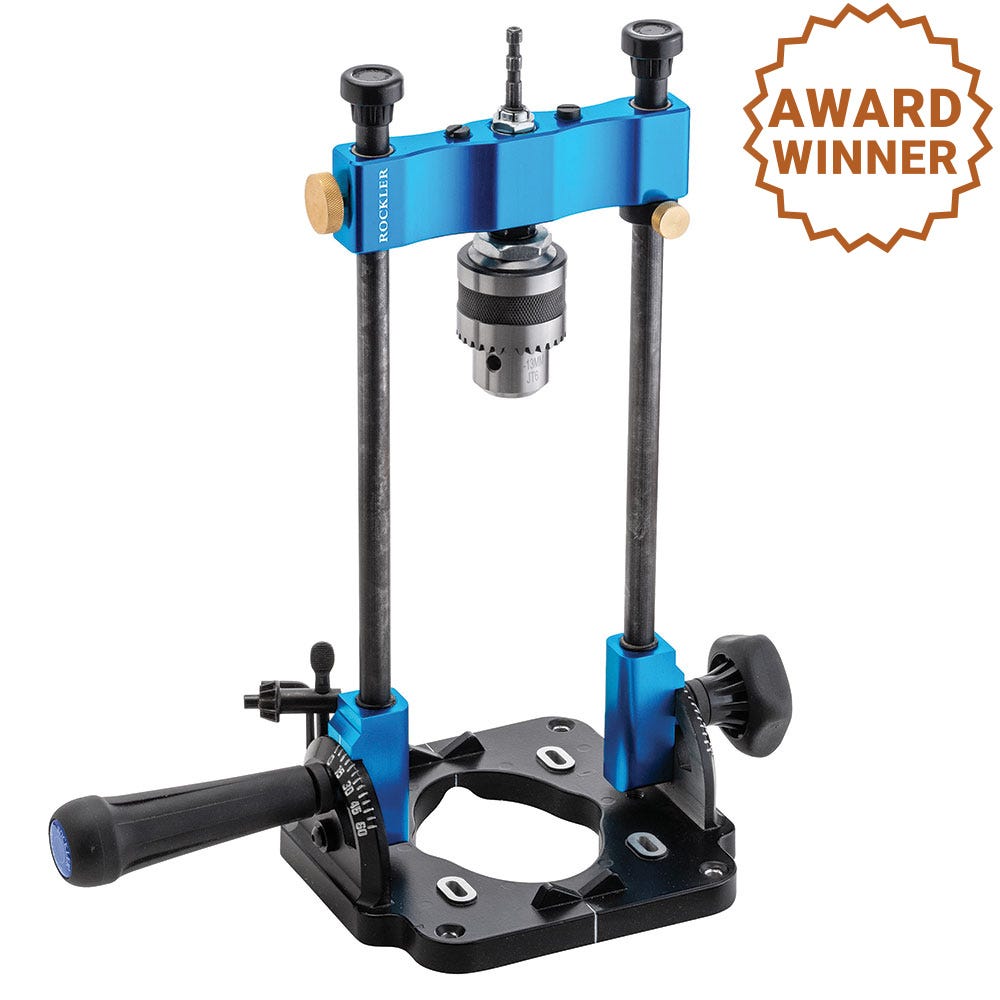
What a Drill Press Is and Why It Matters
A drill press is a stationary machine that drills accurate holes at a fixed angle, usually 90 degrees. Unlike a handheld drill, it gives you steady pressure, repeatable depth, and better control. That matters when you need clean results in wood, metal, plastic, or composite material.
In my own shop, the drill press is the tool I trust when the hole has to land exactly where I want it. I have used handheld drills for quick work, but they can wander, especially on slick metal or dense hardwood. A drill press takes away a lot of that guesswork.
The biggest reason people search for The Ultimate Drill Press Guide is simple. They want better accuracy without making the job harder. The good news is that a good drill press does exactly that.
Main jobs a drill press handles
A drill press is useful for more than drilling holes.
• Drilling straight, repeatable holes in wood, metal, and plastic
• Enlarging existing holes with precision
• Countersinking screw heads
• Sanding curved edges with drum sanders
• Mortising and light shaping work with the right accessories
• Using wire brushes, buffing wheels, and small sanding drums
How a Drill Press Works
The basic design is easy to understand. A motor spins a pulley system or direct drive spindle, which turns the chuck. The chuck holds the drill bit, and the table supports the workpiece. You lower the quill using a feed handle, and the bit moves straight down.
That simple motion is what makes the machine so useful. The frame keeps the bit aligned, and the table keeps your material steady. Once you learn how to set the speed and depth, the tool becomes almost effortless.
A drill press is a lot like a guided path. A handheld drill is like walking a trail in the dark. A drill press is like following a marked sidewalk.
Types of Drill Presses
Not all drill presses are built the same. Choosing the right one depends on your space, budget, and the kind of work you do.
Benchtop drill press
A benchtop drill press sits on a workbench or stand. It is compact, affordable, and great for hobby shops and small garages.
Best for:
• Light to medium woodworking
• Home DIY projects
• Small metal jobs
• Limited shop space
Floor drill press
A floor drill press is larger and more powerful. It usually offers more swing, more stroke, and better stability.
Best for:
• Frequent use
• Larger workpieces
• Metal fabrication
• Serious woodworking shops
Magnetic drill press
A magnetic drill press uses a magnetic base to attach to steel surfaces. It is common in fabrication and construction work.
Best for:
• Structural steel
• On-site metal work
• Heavy-duty industrial tasks
Radial drill press
A radial drill press has an arm that lets the head move in more directions. It is less common in home shops but useful for large parts.
Best for:
• Oversized workpieces
• Advanced fabrication
• Repetitive industrial drilling

Key Parts of a Drill Press
To understand The Ultimate Drill Press Guide, it helps to know the main parts of the machine. Once these are familiar, setup and use become much easier.
Spindle and chuck
The spindle holds the chuck, and the chuck grips the drill bit. A good chuck should hold bits tightly without wobble.
Quill
The quill moves up and down inside the head. It gives you the vertical drilling motion.
Table
The table supports your material. Many tables tilt and adjust up or down, which helps with different project sizes.
Base
The base gives the machine stability. A heavy base reduces vibration and improves accuracy.
Motor
The motor powers the machine. More power usually means better performance in harder materials, but speed control matters too.
Feed handle
The feed handle lowers the quill and bit into the workpiece. Smooth control here is important for clean holes.
Depth stop
The depth stop lets you drill the same hole depth over and over. This is very helpful for production work.
How to Choose the Right Drill Press
Buying a drill press can feel overwhelming at first. There are many models, and the specs can blur together. The trick is to focus on a few important numbers instead of chasing flashy features.
Swing
Swing is the distance from the center of the chuck to the column, multiplied by two. It tells you the widest piece you can drill at the center of the table.
If you work on boards, panels, or wide metal parts, swing matters a lot. A larger swing gives you more flexibility.
Stroke
Stroke is how far the bit can travel up and down. A longer stroke lets you drill deeper holes in one pass.
Motor power
More horsepower can help with tougher materials and larger bits. For most home shops, moderate power is enough if the machine is built well.
Speed range
Different materials need different speeds. Wood often takes higher speeds, while metal usually needs slower speeds.
A good drill press should offer a useful speed range, not just one or two options. This is one part of The Ultimate Drill Press Guide that people often skip, and then regret later.
Table size and adjustability
A larger table gives you more support. Tilting and height adjustment make the machine more versatile.
Build quality
Look for:
• Minimal spindle wobble
• Stable column and base
• Smooth table adjustment
• Solid chuck action
• Easy-to-use depth stop
I once worked with a lower-end drill press that had noticeable runout. It could still drill holes, but the bit wandered just enough to frustrate every precise project. That taught me a useful lesson: a cheap machine can be expensive if it wastes your time.
Drill Press Features Worth Paying For
Not every feature is necessary, but some make a big difference in daily use.
Variable speed
Variable speed is one of the most useful features. It helps you match the drill speed to the material.
Laser guides
Some drill presses include laser alignment. These can help with rough positioning, but I would not rely on them alone.
LED work light
Good lighting makes setup safer and easier. It is a small feature that pays off often.
Digital depth readout
This is helpful if you need precise repeatability. It saves time on production-style work.
Fence system
A fence keeps your material aligned for repeated holes. Woodworkers often value this more than fancy electronics.
Belt cover or speed chart
If the machine uses pulleys, a clear speed chart is important. It helps you adjust the machine correctly.
Best Materials to Drill on a Drill Press
The drill press can handle several materials, but each one needs a different approach.
Wood
Wood is the easiest material to drill. Still, tear-out can happen if the bit is dull or the feed rate is too fast.
Useful tips:
• Use sharp brad-point bits for clean holes
• Clamp the board firmly
• Back up the exit side with scrap wood
Metal
Metal needs slower speed, lubrication, and patience. If you rush, bits overheat and dull quickly.
Useful tips:
• Use cutting oil on steel
• Start with a center punch
• Apply steady pressure, not force
Plastic
Plastic can crack or melt if the speed is too high. Lower speed and a clean bit help a lot.
Useful tips:
• Use sharp bits
• Support the material fully
• Clear chips often
Composite materials
MDF, plywood, fiberglass, and laminates can all chip or splinter. The right bit and support matter here.
Drill Bits and Accessories You Should Know
A drill press is only as good as the bit in the chuck. The wrong bit can ruin a clean setup fast.
Common drill bits
• Twist bits for general drilling
• Brad-point bits for woodworking
• Forstner bits for flat-bottom holes
• Hole saws for larger diameter cuts
• Step bits for sheet metal
• Countersink bits for finishing screw holes
Useful accessories
• Drill press vise for holding small parts
• Clamps for larger workpieces
• Fence for repeated drilling
• Stop block for consistent spacing
• Sanding drums for shaping
• Mortising attachment for square holes in wood
From experience, the drill press vise is one of the most underrated accessories. It keeps your hands away from danger and helps prevent spinning parts. That alone makes it worth owning.
How to Set Up a Drill Press Correctly
A good setup improves accuracy and safety. Skipping this step is like trying to bake without preheating the oven. You might still get something done, but the result will be rough.
Setup steps
- Place the machine on a stable surface
- Bolt it down if possible
- Check that the chuck is secure
- Install the correct bit
- Set the speed for the material
- Adjust the table height
- Clamp the workpiece
- Set the depth stop if needed
Alignment checks
Before using the machine, check for:
• Table squareness
• Bit runout
• Loose chuck jaws
• Vibration at startup
If the table is not square, your holes may lean slightly. That may not matter for rough work, but it can ruin precision projects.
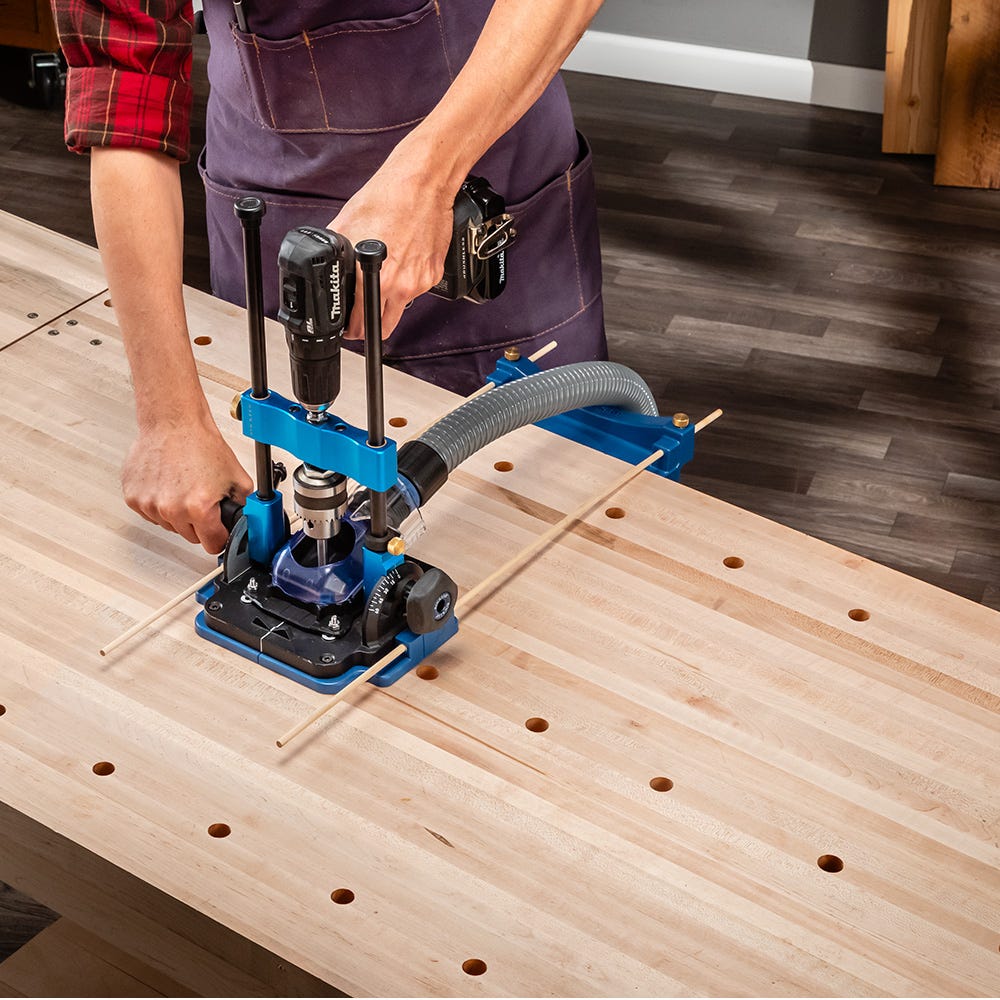
Drill Press Safety Tips You Should Never Skip
Safety is a major part of The Ultimate Drill Press Guide because the machine looks harmless until clothing, jewelry, or loose stock gets pulled into the bit.
Basic safety rules
• Wear eye protection
• Tie back long hair
• Remove rings and loose jewelry
• Never hold small parts by hand
• Clamp every workpiece when possible
• Keep hands clear of the bit
• Turn off power before changing bits
Common mistakes to avoid
• Using the wrong speed
• Forcing the bit through material
• Drilling with a dull bit
• Leaving the chuck key in place
• Using damaged clamps or vises
I have seen more project mistakes come from rushing than from lack of skill. The drill press rewards calm habits. Slow down a little, and your results improve fast.
How to Pick the Right Speed
Speed control is one of the most important parts of drilling well. The right speed depends on the material, bit size, and bit type.
General speed guidance
• Wood: higher speeds for smaller bits
• Metal: lower speeds
• Large bits: slower speeds
• Plastic: moderate to low speeds
Why speed matters
Too much speed creates heat. Heat dulls bits, burns wood, melts plastic, and can even cause metal work to become noisy and rough.
A simple rule I use is this: if the bit sounds strained or the chips look burned, the speed is probably wrong. That habit has saved many bits in my shop.
Drill Press Techniques for Better Results
A few small habits can make a big difference. These techniques are simple, but they improve accuracy and finish.
Start with a center mark
Use a punch or awl to mark the spot. This helps keep the bit from wandering.
Use scrap backing boards
A backing board reduces tear-out when the bit exits the material. This is especially helpful in wood.
Clear chips often
Pull the bit out from time to time so chips do not pack into the hole. Packed chips cause heat and poor cutting.
Let the bit cut, not force it
Pressing too hard can make the bit overheat or drift. Smooth feed pressure works better.
Use clamps on small parts
Small pieces can spin like a propeller if they are not secured. That is dangerous and easy to prevent.
Maintenance and Care
A drill press does not need much attention, but regular care keeps it accurate for years.
Basic maintenance routine
• Clean dust and chips after use
• Check the belt or drive system
• Lubricate moving parts as directed by the manufacturer
• Inspect the chuck for wear
• Keep the table rust-free
• Tighten loose bolts and fasteners
Signs your drill press needs attention
• Unusual vibration
• Bit wobble
• Noisy bearings
• Slipping belts
• Poor depth control
I always tell people that tools speak if you listen. A new noise or vibration is usually the machine asking for help. Catching those signs early saves money and frustration.
Drill Press Uses Beyond Drilling
Many people buy a drill press just for holes, then later discover it can do much more. With the right accessories, it becomes a multipurpose shop tool.
Other useful tasks
• Sanding curved edges with sanding drums
• Polishing small parts with buffing wheels
• Mortising wood with a compatible attachment
• Wire brushing rust from metal
• Repetitive countersinking
This versatility is one reason The Ultimate Drill Press Guide is so useful for beginners and pros alike. It helps you see the machine as more than a single-purpose tool.
How to Decide if You Need a Drill Press
Not everyone needs one, but many people benefit from it more than they expect.
You probably need one if you:
• Work with wood or metal often
• Need repeatable, straight holes
• Want better safety than hand drilling
• Do hobby or small-batch production work
• Care about clean finishes
You may not need one if you:
• Only drill a few holes each year
• Have very little space
• Only work on large items that cannot fit on a table
For many home users, a benchtop model is the sweet spot. It gives a big jump in accuracy without taking over the garage.
Frequently Asked Questions of The Ultimate Drill Press Guide
What is the main advantage of a drill press over a handheld drill?
A drill press gives you straighter, more accurate holes with better depth control. It also makes repeat work much easier, especially when you need the same hole size and position many times.
What size drill press is best for home use?
For most home shops, a benchtop drill press with a decent speed range is a great starting point. It saves space while still handling woodworking, light metal work, and common DIY tasks.
Can a drill press be used on metal?
Yes, a drill press can drill metal very well if you use the right speed, the right bit, and cutting oil when needed. Slower speeds are usually better for steel and other hard metals.
How do I keep a drill bit from wandering?
Use a center punch or awl to mark the spot before drilling. A sharp bit and a securely clamped workpiece also help keep the hole exactly where you want it.
Is a floor drill press better than a benchtop model?
A floor drill press is usually stronger, taller, and more stable. A benchtop model is better if you need a smaller footprint and do not need heavy-duty capacity.
Conclusion
The drill press is one of the most useful tools you can own if you care about clean, accurate, and repeatable work. When you understand the parts, speed control, safety habits, and proper setup, The Ultimate Drill Press Guide becomes less about buying a machine and more about using it with confidence.
If you are planning a purchase or trying to improve your current setup, start with the basics: stable mounting, sharp bits, the right speed, and good clamping. Small changes like these make a huge difference. Keep learning, keep practicing, and use the next project as a chance to sharpen your skills even more.