
The right saw blade makes every cut cleaner, safer, and far less frustrating.
If you have ever burned a board, chipped veneer, or fought a blade that felt dull on day one, you already know how much the right blade matters. I have spent years matching saw blades to wood, metal, and trim jobs, and the same truth keeps showing up: the blade does most of the real work. This guide breaks down saw blade types, materials, tooth counts, coatings, and the small details that separate a smooth cut from a costly mistake.
Saw Blade Basics: What a Saw Blade Actually Does
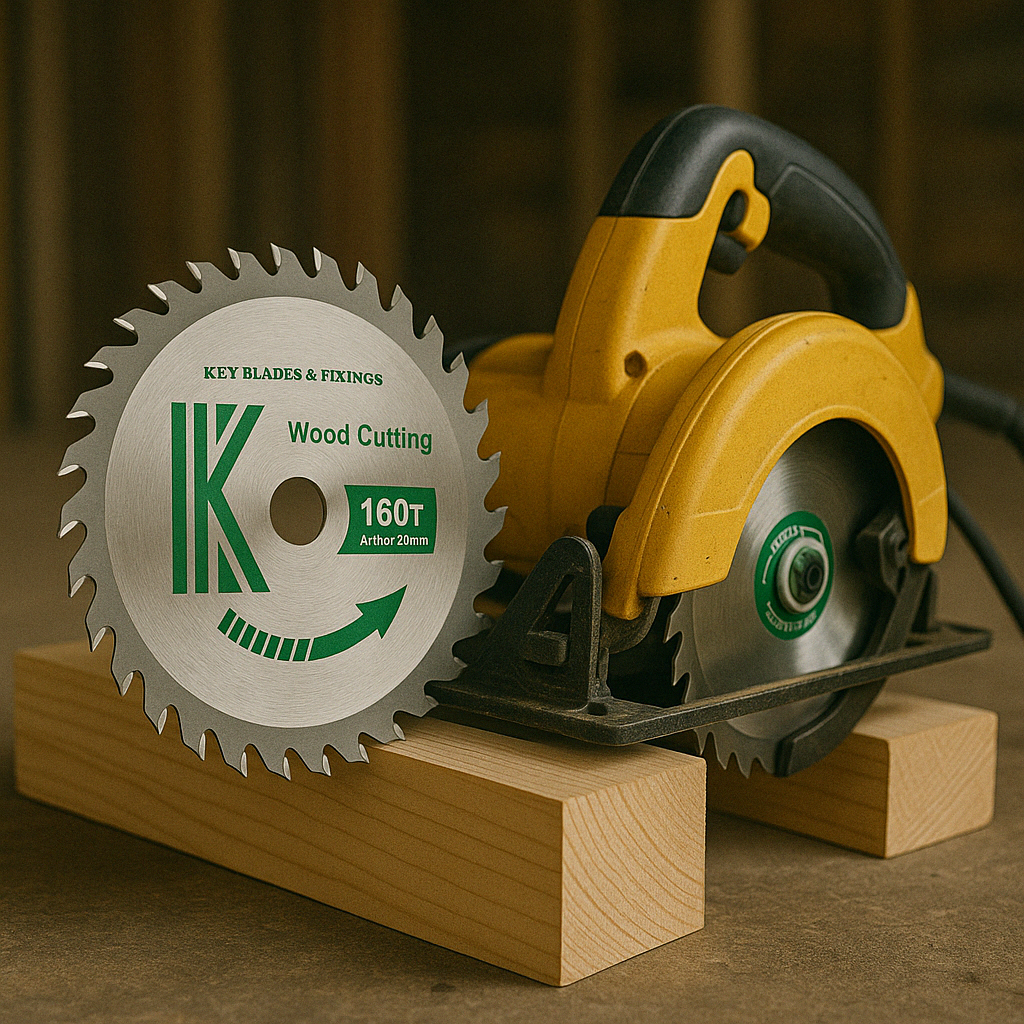
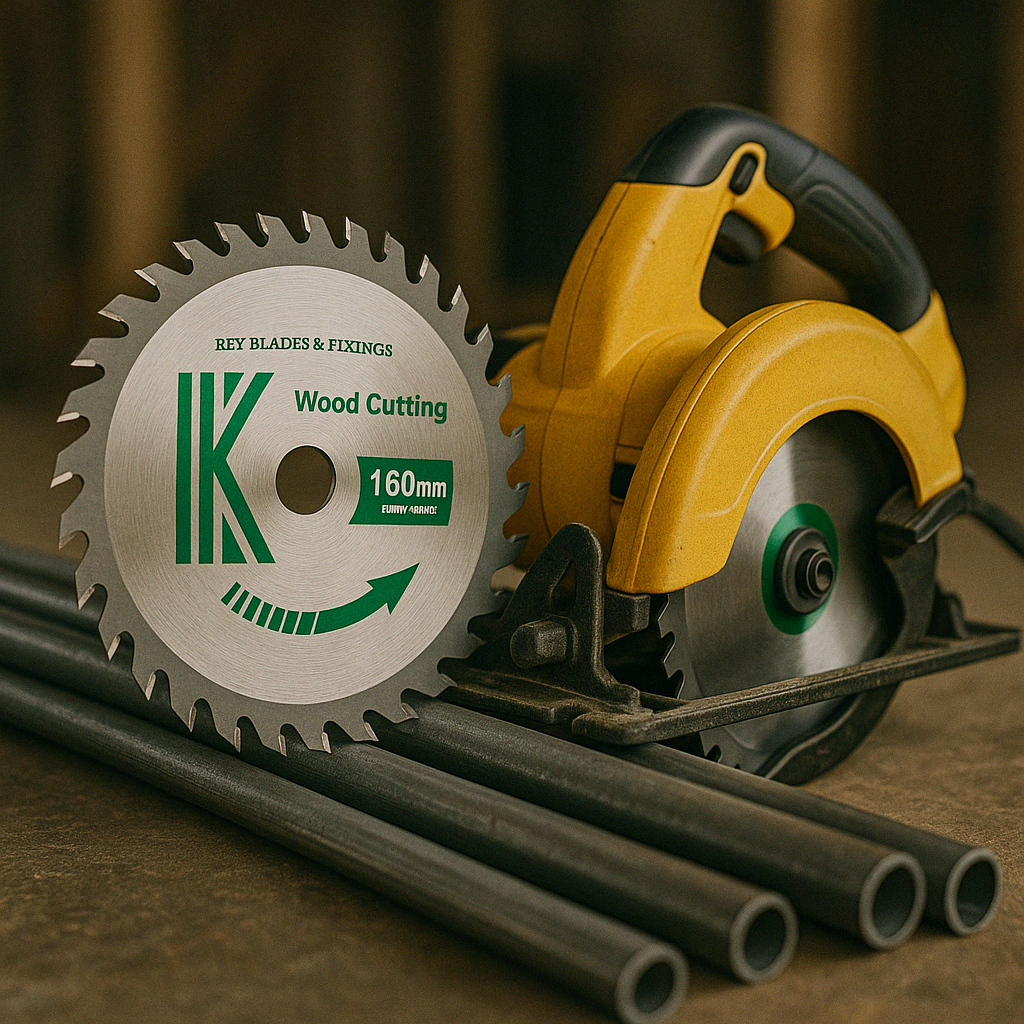
A saw blade is more than a spinning disc with teeth. It is a cutting tool built to remove material in a controlled way, one tiny chip at a time. The tooth shape, number of teeth, kerf width, and blade material all affect the finish and speed of the cut.
The basic job of the blade is simple, but the results can vary a lot. A blade meant for ripping lumber will cut fast but leave a rougher edge, while a fine-finish blade will cut slower and cleaner. That is why “best saw blade” is never one-size-fits-all.
Here are the main parts to know:
• Tooth count: More teeth usually mean smoother cuts, while fewer teeth cut faster.
• Kerf: This is the width of the cut the blade makes. Thin kerf blades remove less material and can reduce strain on the saw.
• Arbor hole: This is the center hole that fits the saw shaft. It must match your saw.
• Plate body: This is the metal disc that supports the teeth. A stable plate helps reduce vibration.
• Tooth geometry: The shape of each tooth affects the cut style and material performance.

Types of Saw Blades and When to Use Them
The first mistake I see people make is treating all blades like they do the same job. They do not. A blade built for framing lumber will not give you the same result as a blade made for plywood or metal.
Rip Blades
Rip blades are made for cutting with the grain of wood. They usually have fewer teeth, often around 24 to 30 on a standard 10-inch blade. That lower tooth count helps clear chips faster and keeps the cut moving.
Use a rip blade when you need speed and power. It is ideal for breaking down boards, framing work, and rough carpentry.
Crosscut Blades
Crosscut blades cut across the grain. They have more teeth, often 40 to 60 or more, which helps create a cleaner edge. The extra teeth reduce tear-out and leave a smoother finish.
Use a crosscut blade for trim, hardwood, and visible cuts where appearance matters. I have learned the hard way that using a rip blade for finish trim almost always ends in sanding regret.
Combination Blades
Combination blades try to balance speed and finish. They are popular because they can handle both rip and crosscut tasks decently well. A common combination blade may have 40 to 50 teeth with grouped tooth patterns.
These are a smart choice for general shop work or job sites where you do not want to swap blades constantly. They are not perfect for every cut, but they save time and space.
Plywood and Finish Blades
Plywood blades are designed to reduce splintering on laminated materials. They often have many teeth and a special grind that helps produce a cleaner edge on veneer, plywood, melamine, and laminate.
If you work with cabinets, shelving, or finish carpentry, this type of blade is worth having. I have found it especially useful when cutting expensive sheet goods where tear-out can ruin an entire panel.
Metal-Cutting Blades
Metal-cutting blades are made for aluminum, steel, and other metals, depending on the blade design. They are built with tooth materials and geometry suited to heat and abrasion. Some are abrasive blades, while others use carbide teeth.
Never use a wood blade on metal. It is unsafe and can destroy the blade quickly.
Specialty Blades
Specialty blades include blades for laminate flooring, masonry, non-ferrous metals, and even plastic. These blades are built for a specific job and often outperform general-purpose options in that one area.
If you cut the same material often, a specialty blade can save time and improve quality. It is one of those small investments that pays back fast.
Saw Blade Tooth Count, Tooth Shape, and Cut Quality
Tooth count is one of the easiest specs to understand, but it is often misunderstood. More teeth do not always mean better. The right tooth count depends on what you are cutting and what finish you want.
A lower tooth count removes more material per tooth. That means faster cuts, cooler operation, and less clogging in rough lumber. A higher tooth count removes less material per tooth, which usually means a smoother finish and less splintering.
Tooth shape matters just as much:
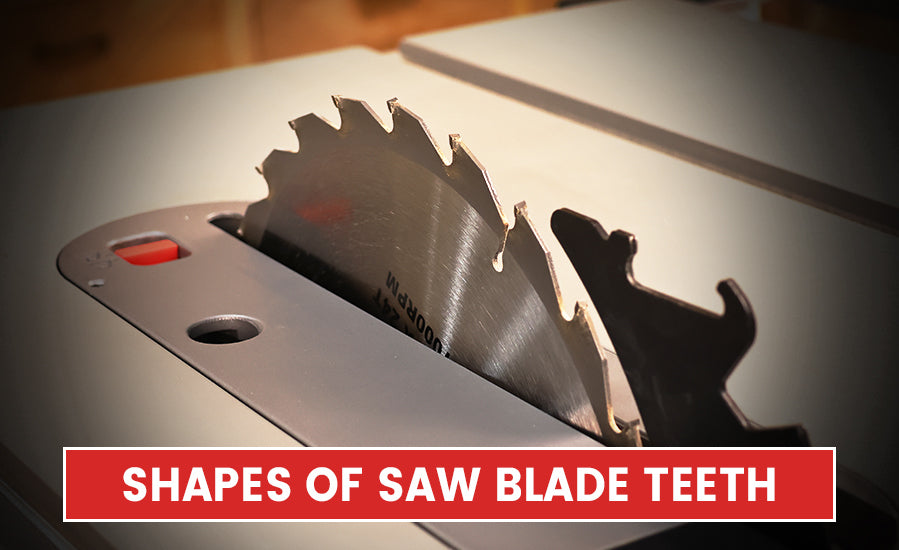
• ATB, or Alternate Top Bevel: Good for clean crosscuts and general woodworking.
• FTG, or Flat Top Grind: Great for fast ripping and durable cutting.
• TCG, or Triple Chip Grind: Often used for hard materials, laminates, and non-ferrous metals.
• Hi-ATB: Best for ultra-clean finish work and delicate sheet goods.
A practical rule I use in the shop is this: match the tooth style to the job before worrying about brand name. The grind affects the cut more than many beginners realize.
Blade Materials, Coatings, and Why They Matter
Blade material affects durability, sharpness, and price. Most modern woodworking blades use carbide-tipped teeth. Carbide holds an edge longer than plain steel, which means fewer sharpenings and better performance over time.
Some blades also use special coatings. These coatings can reduce friction, resist heat, and help prevent pitch buildup. That matters because buildup can make a blade run hotter and cut worse.
Common materials and features include:
• High-speed steel: Usually cheaper, but it dulls faster.
• Carbide-tipped: The most common premium choice for woodworking and general use.
• Diamond-tipped: Used for masonry, tile, and very hard materials.
• Anti-stick coating: Helps reduce resin and sap buildup.
• Expansion slots: Small cuts in the blade body that reduce heat and vibration.
If you have ever noticed a blade getting noisy, hot, or sloppy after a few long cuts, heat and buildup may be the reason. A better coating can help, but cleaning the blade still matters.
How to Choose the Right Saw Blade for Your Project
Choosing the right blade gets much easier when you stop guessing and start matching the tool to the task. I usually think about four things first: material, cut type, finish quality, and saw compatibility.
Use this simple decision process:
- Identify the material. Wood, plywood, laminate, aluminum, plastic, and masonry all need different blade types.
- Decide the cut direction. Are you ripping, crosscutting, or doing both?
- Define the finish. Do you need a rough construction cut or a clean visible edge?
- Check saw specs. Make sure the arbor size, diameter, and max RPM rating match your tool.
- Consider the kerf. Thin kerf blades reduce load, while full kerf blades can feel steadier on powerful saws.
A thin kerf blade is often a good pick for smaller saws because it takes less effort to cut. A full kerf blade can feel more stable on a contractor or cabinet saw with enough power.
If you are unsure, choose the blade based on the most important part of the job. For example, if you are building cabinets, finish quality matters more than speed. If you are framing a wall, speed and durability matter more than a perfect edge.
Understanding Saw Blade Sizes and Compatibility
Blade diameter is another detail that matters a lot. Common sizes include 7 1/4-inch, 10-inch, and 12-inch blades, but the right size depends on the saw. A blade that is too large can be dangerous, while a blade that is too small may not cut properly.
You also need the correct arbor size. Most table saw and miter saw blades use common arbor sizes, but there is no universal fit. Always check the saw manual before buying.
A few things to confirm:
• Blade diameter matches the saw guard and cutting depth.
• Arbor hole matches the saw shaft.
• Max RPM rating is equal to or higher than the saw speed.
• Blade thickness works well with the saw’s power and purpose.
One mistake I have seen on jobsites is people buying a blade because it “looks right.” That usually ends with a blade that wobbles, binds, or simply does not fit.
Signs Your Saw Blade Needs Sharpening or Replacement
A dull blade rarely fails all at once. It usually gives warning signs first. The cuts get rougher, the saw starts working harder, and the wood may burn along the edge.
Watch for these signs:
• Burning marks on the wood
• More tear-out or chipping
• Slower cutting speed
• Extra vibration or noise
• The saw needing more force to push through material
• A smell of hot wood during normal cuts
Sometimes sharpening solves the issue. Other times the blade is too worn, damaged, or out of balance. If teeth are missing, bent, or chipped, replacement is usually the safer choice.
From experience, I can say that pushing a tired blade too long costs more in the end. It wastes material, strains the saw, and increases the chance of a bad cut.
How to Care for Saw Blades
A good blade can last a long time if you treat it right. I have seen expensive blades ruined faster by poor cleaning than by heavy use. Dust, resin, and rust all shorten blade life.
Simple care tips:
• Clean the blade regularly with a proper blade cleaner or safe degreaser.
• Store blades dry to prevent rust.
• Avoid dropping or stacking blades carelessly.
• Inspect teeth before each use.
• Use the correct blade for the job to reduce wear.
If a blade is coated in pitch, it can run hotter and cut worse. Cleaning often brings back a surprising amount of performance. It is a small habit that saves money.
Safety Tips Every User Should Know
Saw blades are efficient, but they are also unforgiving. A sharp blade can do a beautiful job, but the wrong setup can turn risky fast. Safety should always come before speed.
Follow these basics:
• Unplug the saw before changing blades.
• Wear eye and hearing protection.
• Use the blade guard and riving knife when available.
• Never force the cut. Let the blade do the work.
• Check that the blade is installed in the correct direction.
• Keep hands away from the cutting path.
Also, never use a damaged blade. A cracked blade or missing tooth is not worth the risk. I have always found that a careful setup takes less time than fixing a bad cut or an injury.
Common Mistakes to Avoid
Many saw blade problems come from simple mistakes, not bad tools. The good news is that most of them are easy to avoid once you know what to look for.
Common errors include:
• Using the wrong blade type for the material
• Buying the wrong diameter or arbor size
• Ignoring tooth count and tooth grind
• Running a dull blade too long
• Cutting metal with a wood blade
• Pushing too hard and overheating the blade
• Skipping regular cleaning
One lesson I learned early: a premium blade cannot fix a poor setup. If the fence is off, the blade is wrong, or the saw is out of alignment, even the best blade will disappoint.
Frequently Asked Questions of The Ultimate Saw Blade Guide
What is the best saw blade for general use?
A combination blade is usually the most flexible choice for general use. It handles both ripping and crosscutting reasonably well, which makes it a practical option for homeowners and small shops.
How many teeth should a saw blade have?
It depends on the job. Fewer teeth work better for fast ripping, while more teeth are better for smooth finish cuts and sheet goods.
Can I use the same blade for wood and metal?
No, that is not recommended. Wood and metal need different blade materials and tooth designs, and using the wrong one can damage the blade and create safety risks.
How do I know if my saw blade is dull?
A dull blade often leaves burn marks, rough edges, and more tear-out. You may also notice slower cutting and more vibration than usual.
Are expensive saw blades worth it?
Often, yes, especially if you cut often or need clean results. Better blades usually last longer, cut cleaner, and reduce waste, though the best choice still depends on your saw and materials.
Conclusion
Choosing the right saw blade is not just about buying a sharp piece of metal. It is about matching the blade to the material, the cut, and the finish you want. Once you understand tooth count, blade type, kerf, and compatibility, the whole process becomes much easier.
The best saw blade guide is the one that helps you make cleaner cuts with less stress and fewer mistakes. Start with the job in front of you, keep your blade clean, and do not be afraid to swap blades when the work changes. If you want better results in the shop or on the jobsite, this is one upgrade that pays off fast.
Explore more woodworking tips, compare blade types before your next project, and leave a comment with the cut you struggle with most.