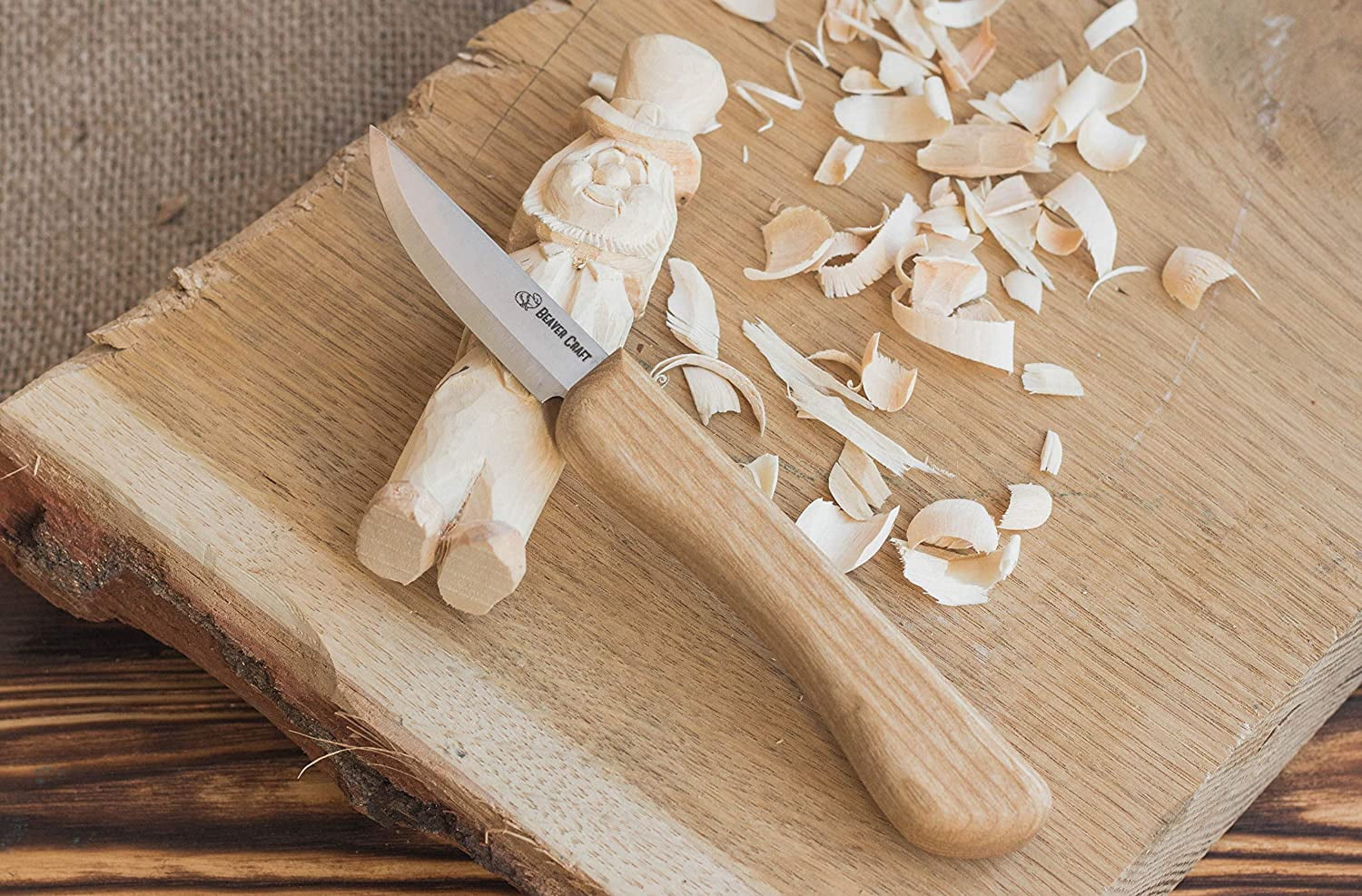
Whittling Fundamentals are the basic skills of shaping wood with a knife through safe grips, controlled cuts, suitable materials, and consistent practice.
In the United States, whittling is a popular hands-on craft practiced by hobby woodworkers, outdoor enthusiasts, and beginners who want to create small wooden objects using simple tools. The process involves removing thin layers of wood with a knife to gradually form a shape rather than cutting away large sections at once.
A strong foundation in whittling starts with understanding wood grain, choosing an appropriate knife, maintaining a sharp edge, and learning safe cutting motions. Beginners usually progress faster when they focus on control and technique instead of trying complex projects too early.
Source: walmartimages.com
What Is Whittling and How Does It Work?
Whittling is the practice of carving wood by removing small pieces with a knife. Unlike power carving, it relies on hand control and repeated slicing motions to gradually create a finished shape.
The main challenge is controlling the relationship between the knife edge, wood grain, and cutting pressure. A good cut follows the structure of the wood and removes a clean shaving rather than forcing the blade through the material.
Source: woodcarving-tools.com
Primary goal
Shape a piece of wood through deliberate cuts while preserving strength and detail in the remaining material.
Main skill
Develop consistent knife control so each cut removes only the intended amount of wood.
Essential Tools and Materials for Beginner Whittling
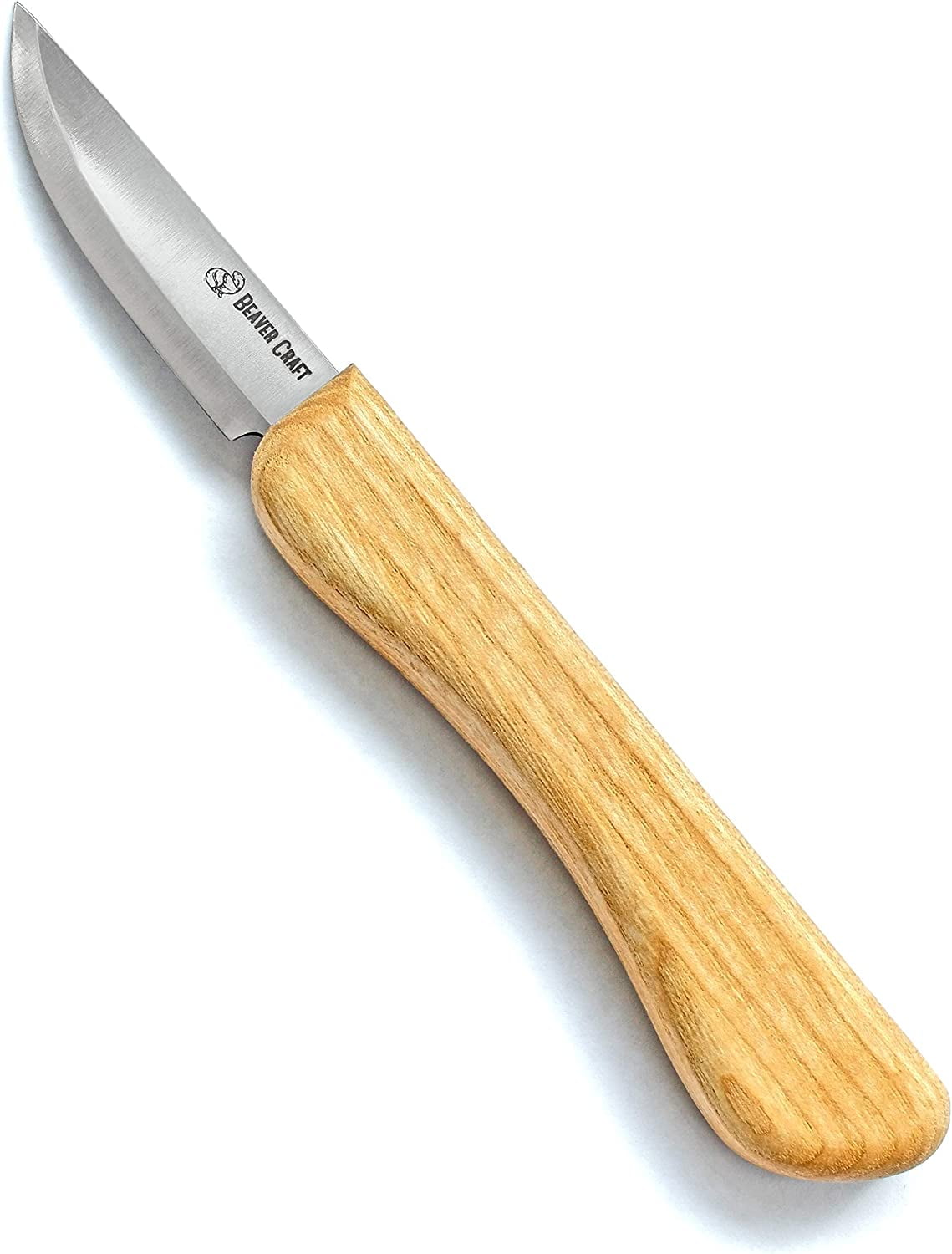
A beginner whittling setup does not require many tools. A comfortable carving knife, suitable wood, sharpening supplies, and basic safety equipment are enough to begin learning fundamental techniques.
The knife should feel controllable in the hand and remain sharp. A dull blade often requires more force, which can make accurate cuts harder and increase the chance of slipping.
Source: focusercarving.com
Whittling knife
A fixed-blade carving knife is commonly used because it provides stability and control during repeated cuts.
Wood selection
Basswood, pine, and other workable woods are often chosen by beginners because they are easier to shape.
Sharpening tools
A strop and sharpening system help maintain a clean cutting edge over time.
How to Choose Wood for Practice
Choose straight-grained wood without excessive knots or cracks when learning basic cuts. Grain direction affects how easily the knife moves and whether the wood splits unexpectedly.
Beginner-friendly wood
Soft, close-grained woods are usually easier for learning controlled slicing movements.
Basic Whittling Cuts Every Beginner Should Learn
The most useful beginner cuts are simple slicing motions that build control. Practicing these cuts on scrap wood helps develop accuracy before starting a finished project.
Always cut away from your body and keep your supporting hand positioned behind the blade path. Stop and reposition the wood whenever a cut requires excessive force.
Source: walmartimages.com
Push cut
A controlled forward motion used to remove small amounts of wood while keeping the blade stable.
Stop cut
A cut made across the grain to create boundaries and prevent unwanted splitting.
Slicing cut
A smooth angled cut that follows the grain and produces cleaner shavings.
Signs Your Technique Is Improving
Improvement appears when cuts become more predictable, shavings become thinner and cleaner, and less hand pressure is needed to shape the wood.
Cleaner surfaces
Smooth cuts indicate better blade control and grain awareness.
Common Whittling Mistakes and How to Fix Them
Many beginner problems come from rushing cuts, using excessive force, or ignoring wood grain direction. Correcting these habits improves both safety and results.
Small mistakes are normal during learning. The goal is to develop repeatable control rather than finishing every project without errors.
Source: randys.rocks
Using a dull knife
Sharpen the blade regularly because a dull edge can require unnecessary pressure.
Cutting against the grain
Change direction when the wood begins tearing instead of forcing the blade forward.
Removing too much material
Make smaller cuts and check the shape frequently to avoid over-carving.
Basic Safety Boundaries
Use a stable work area, keep fingers away from the cutting path, and wear protective equipment when appropriate. Seek qualified instruction if working with unfamiliar tools or advanced carving methods.
Safe practice
Controlled movements are safer than applying extra force to difficult cuts.
Frequently Asked Questions
Q
What is the easiest wood for beginner whittling?
Many beginners start with soft, straight-grained woods because they are easier to cut and allow practice without excessive force.
Q
Can I start whittling with a pocket knife?
A pocket knife can work for simple projects if the blade is sharp and secure, but dedicated carving knives are often easier to control for detailed work.
Q
How often should a whittling knife be sharpened?
Sharpening frequency depends on wood type, cutting style, and use. Maintaining the edge with regular stropping can reduce the need for major sharpening.
Q
Is whittling safe for beginners?
Whittling can be practiced safely when users follow proper cutting direction, maintain sharp tools, and avoid placing hands in the blade path.
Q
What should I carve first when learning whittling?
Simple projects such as sticks, small figures, or basic shapes help beginners practice essential cuts before attempting detailed designs.
✦ Wrapping Up
Conclusion
Whittling Fundamentals provide the foundation for learning wood carving through simple tools, careful technique, and consistent practice. Beginners who understand wood grain, knife control, and safety principles can build skills gradually.
The most effective way to improve is to practice basic cuts on suitable wood, maintain sharp tools, and focus on controlled progress rather than complex projects too soon.
💡 Key Takeaway
Start with a sharp carving knife, a simple piece of beginner-friendly wood, and practice small controlled cuts until your technique becomes consistent.