Wood lathe turning blanks are prepared pieces of wood sized for mounting on a lathe and shaping into bowls, pens, handles, and decorative projects.
For woodworkers in the United States, choosing the right turning blank is one of the first decisions that affects a project’s safety, appearance, and finishing quality. A suitable blank must match the lathe capacity, project design, wood species, and moisture condition before cutting begins.
Wood lathe turning blanks remove much of the preparation work required when starting from raw lumber or logs. Understanding blank types, dimensions, grain direction, and defects helps beginners and experienced turners create more predictable results while reducing wasted material.
Source: thepatriotwoodworker.com
What Are Wood Lathe Turning Blanks?
Wood lathe turning blanks are pieces of wood that have been cut and sized specifically for shaping on a lathe. Unlike ordinary boards, blanks are prepared with enough extra material to allow a turner to create a round or detailed final form.
A blank can be made from kiln-dried lumber, freshly cut green wood, or reclaimed timber. The condition of the wood changes how it cuts, how much it moves during drying, and what finishing approach works best.
Source: simplewoodturningtools.com
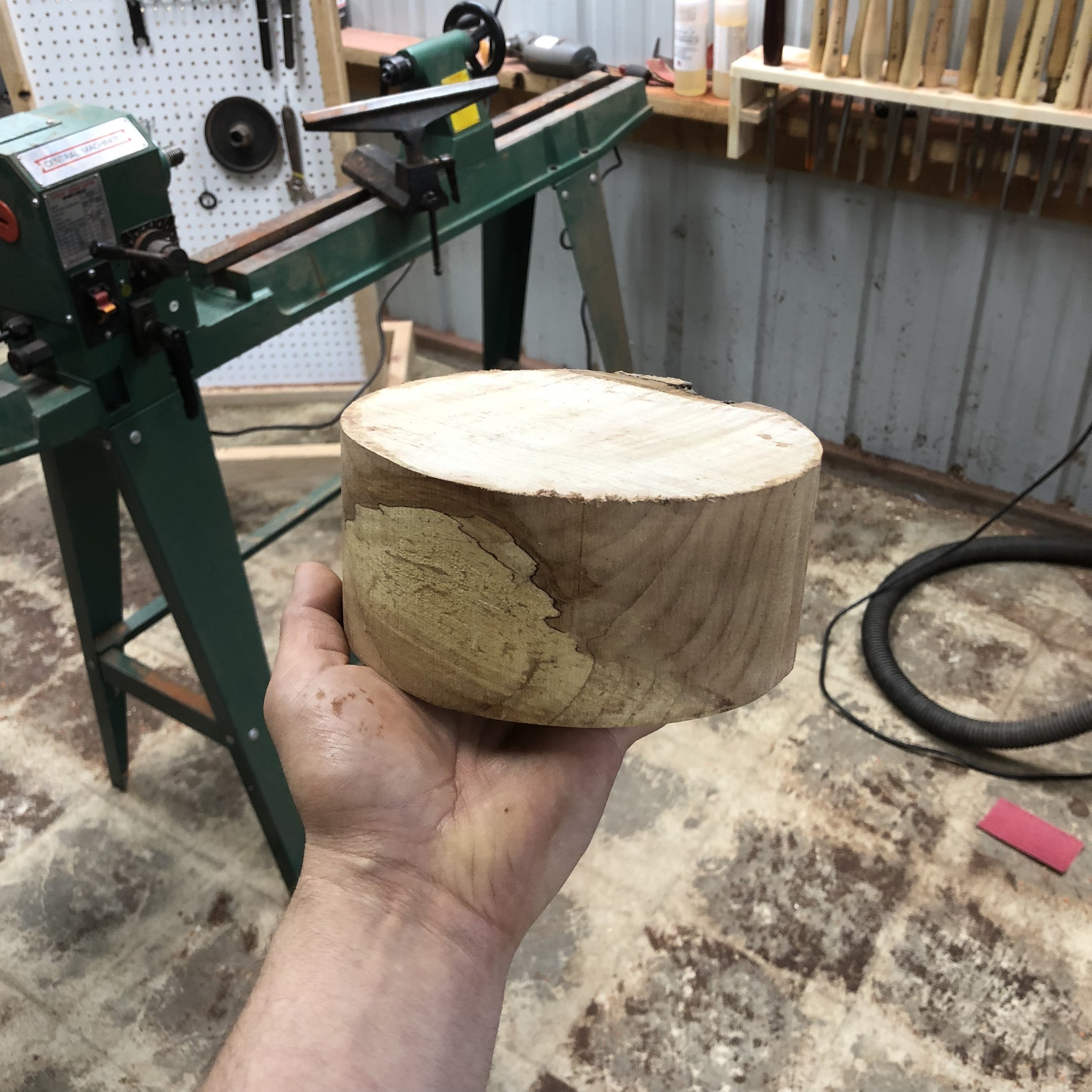
Bowl blanks
Thick pieces designed for bowls, platters, vessels, and hollow forms. They are often round or oversized squares that allow the turner to create curved shapes.
Spindle blanks
Longer pieces used between centers for items such as pens, tool handles, chair parts, and decorative spindles.
Specialty blanks
Prepared pieces made for projects such as bottle stoppers, pepper mills, ornaments, or segmented turning.
How to Choose the Right Turning Blank
The correct turning blank matches the finished project’s required dimensions while leaving enough extra wood for shaping. Measure the maximum diameter and length your lathe can safely handle before selecting material.
Wood species also affects the turning experience. Softer woods may cut easily but can have less resistance to dents, while dense hardwoods often require sharper tools and controlled cutting techniques.
Source: squarespace-cdn.com
Check the size
Choose a blank that fits your lathe swing and distance between centers while allowing room for final shaping.
Inspect the grain
Grain direction and figure influence the appearance of the finished piece and the likelihood of tear-out.
Review moisture condition
Green blanks contain more moisture and may move during drying, while kiln-dried blanks are usually more stable for immediate projects.
Common Wood Species for Turning Blanks
Popular turning woods in the United States include maple, walnut, cherry, oak, ash, and various exotic hardwoods. Each species has different color, grain, hardness, and finishing characteristics.
A beginner may prefer stable, easy-to-cut woods such as maple or cherry before moving to denser or more figured materials.
How to Prepare a Wood Blank Before Turning
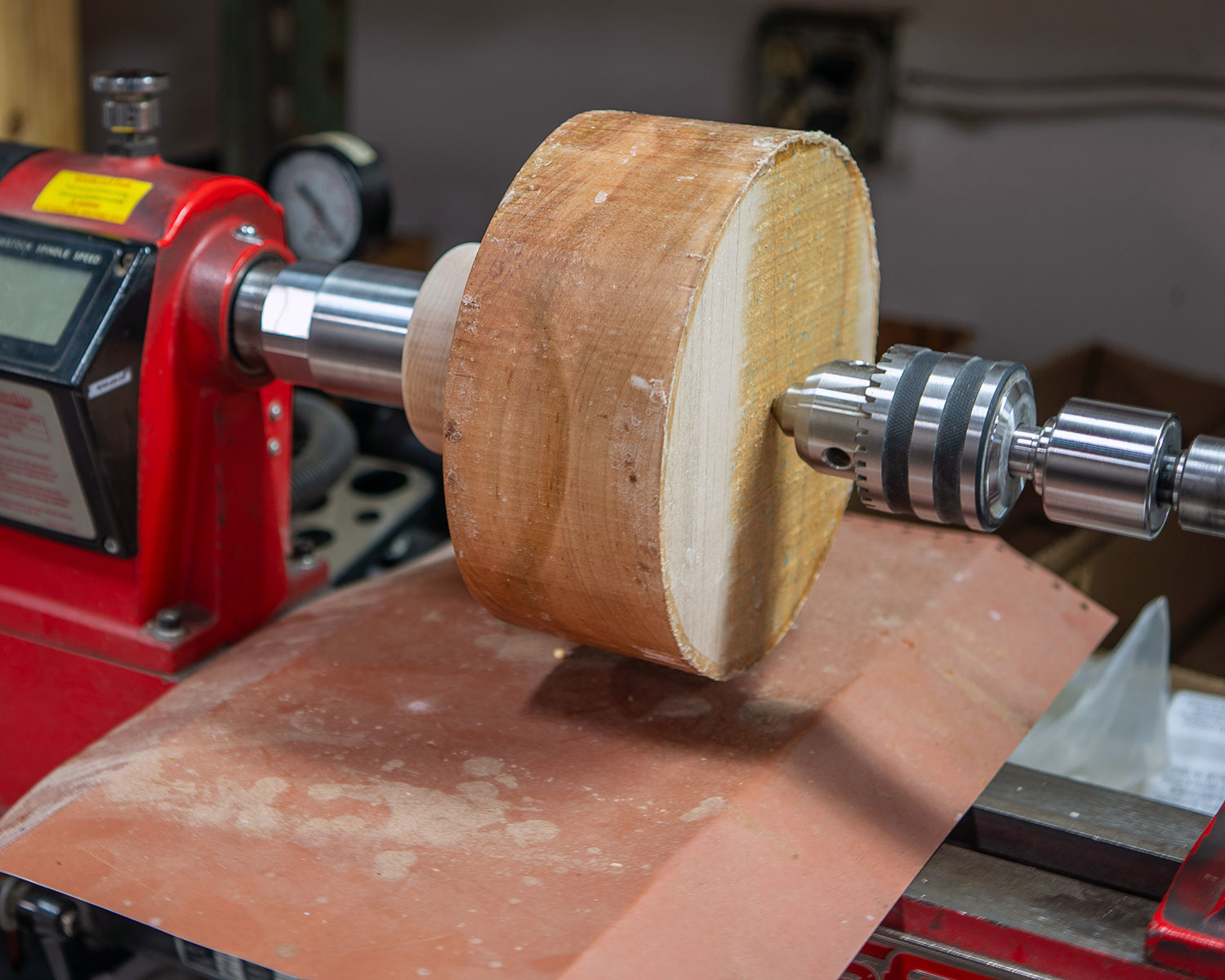
Preparing a blank starts with inspection. Remove loose bark, identify cracks or weak areas, and mark the center before mounting the wood on the lathe.
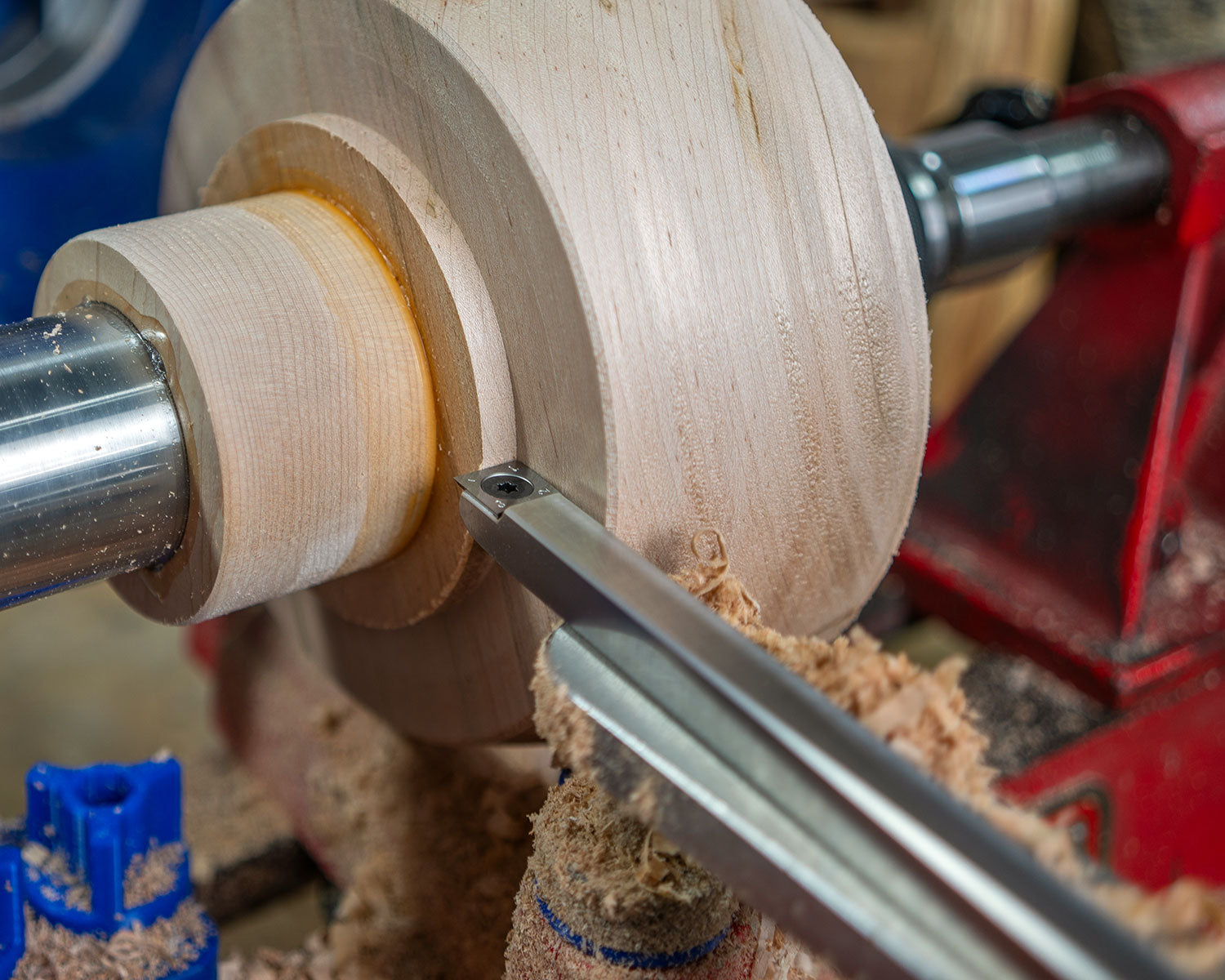
Secure mounting is essential because an uneven or damaged blank can create vibration and increase the chance of the workpiece moving during rotation.
Source: bpfarmsworkshop.com
Inspect for defects
Avoid blanks with deep cracks, loose sections, or defects that could separate while spinning.
Mark the center
Finding the center helps create balanced rotation and reduces unnecessary material removal.
Use proper mounting
Select an appropriate chuck, faceplate, or drive center based on the project and blank shape.
Green Wood Versus Kiln-Dried Blanks
Green wood is often easier to cut because moisture keeps the fibers softer, but it can shrink and change shape as it dries. Many bowl turners rough-shape green wood and allow it to stabilize before final turning.
Kiln-dried blanks are commonly chosen for projects where dimensional stability is important, such as pens, handles, and small decorative items.
Common Mistakes When Using Lathe Turning Blanks
Many turning problems begin before the lathe is switched on. Selecting an unsuitable blank, ignoring defects, or failing to balance the piece can create poor results or unsafe conditions.
Careful preparation improves both the quality of the finished project and the lifespan of turning tools.
Source: simplewoodturningtools.com
Choosing the wrong size
A blank that exceeds the lathe’s capacity can create excessive vibration and unsafe operating conditions.
Ignoring cracks
Hidden splits can expand during turning and may cause pieces of wood to break away.
Using dull tools
Dull tools increase friction, reduce control, and can create rough surfaces.
Frequently Asked Questions
Q
What size wood lathe turning blank should a beginner use?
Beginners should choose a blank that fits their lathe comfortably and matches a simple project. Smaller bowls, pens, and handles are often easier starting points because they require less material control.
Q
Can I use any piece of wood as a turning blank?
Not every piece of wood is suitable for lathe work. The wood should be inspected for cracks, loose areas, excessive imbalance, and defects that could affect safe mounting.
Q
Are green wood blanks better than dry blanks?
Neither type is always better because the choice depends on the project. Green wood is useful for certain bowl-turning methods, while dry blanks are often preferred for projects requiring more stability.
Q
What wood species are easiest for turning blanks?
Many beginners start with common hardwoods such as maple, cherry, or walnut because they provide predictable cutting and attractive grain. The best choice depends on the project and available tools.
Q
How do I know if a turning blank is safe to use?
A safe blank should be securely mounted, free from dangerous cracks or loose sections, and appropriate for the lathe’s size limits. Inspect the wood carefully before turning.
✦ Wrapping Up
Conclusion
Wood lathe turning blanks provide a practical starting point for creating bowls, spindles, pens, and many other turned objects. Choosing the correct blank requires attention to size, wood condition, grain, and project requirements.
A careful selection process leads to safer turning sessions, better finishes, and less wasted material. The right blank is the one that supports the design you want to create while matching your equipment and skill level.
💡 Key Takeaway
Before mounting a blank, check its size, defects, moisture condition, and mounting method to create a safer and more predictable turning process.