
A proper Pilot Hole Guide helps DIY users and professionals install screws with better control. In U.S. homes, pilot holes are common for furniture assembly, deck building, cabinet work, and general repairs. They make screw driving easier and protect wood from splitting.
After years of working with wood projects, one lesson stands out: rushing screw installation often causes weak joints. A small pilot hole can improve the final result by creating a clean path for the screw threads.
What Is a Pilot Hole and Why Does It Matter?
A pilot hole is a small opening drilled before inserting a screw. It creates space for the screw body while allowing the threads to grip the material.
This Pilot Hole Guide method is useful because screws create pressure as they enter wood or other materials. Without a pilot hole, that pressure can cause cracks, crooked screws, or damaged surfaces.
- ✦ Reduces splitting
A pilot hole gives the screw a clear path and lowers stress inside the material.
- ✦ Improves accuracy
The screw follows the drilled path, which helps keep it straight.
- ✦ Protects screws
Pre-drilling reduces the chance of stripped screw heads during installation.
How to Choose the Correct Pilot Hole Size
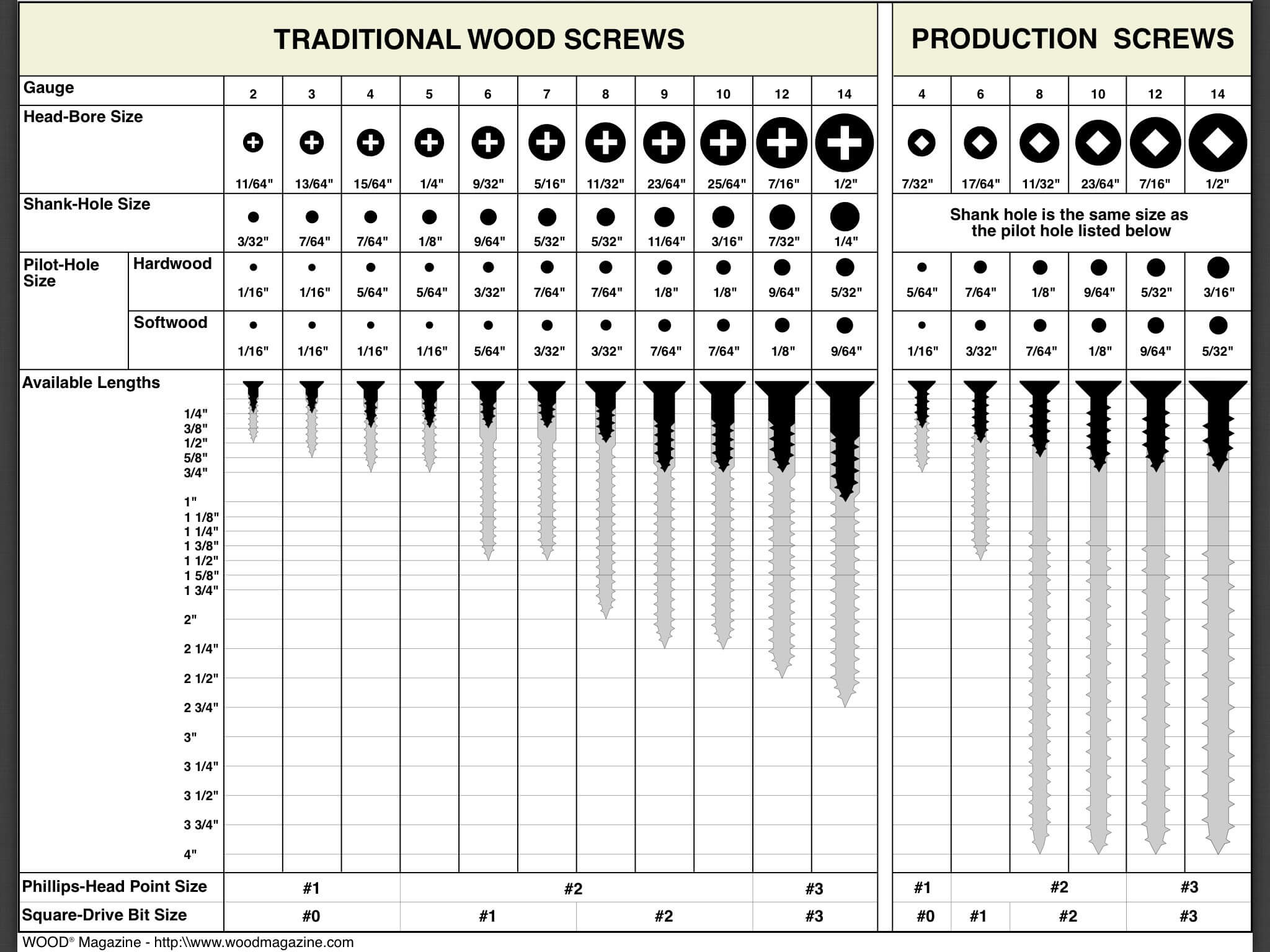
Choosing the correct drill bit is the most important step in a Pilot Hole Guide. The hole should match the screw core, not the outside thread diameter.
For softwoods like pine, the pilot hole may be slightly smaller. Hardwoods like oak often need a larger opening because they resist screw movement.

- ✦ Check screw diameter
Measure the solid center section of the screw when selecting a pilot hole size.
- ✦ Consider material hardness
Dense materials usually need more space for the screw to enter safely.
- ✦ Test before final assembly
A small test hole can confirm the fit before working on the finished piece.
Common Pilot Hole Sizes for Wood Screws
Many U.S. woodworking projects use common screw sizes such as #6, #8, and #10. Each size needs a matching drill bit based on the wood type and screw design.
- ✦ #6 screws
Often used for light projects and small hardware.
- ✦ #8 screws
A popular choice for furniture, cabinets, and general woodworking.
- ✦ #10 screws
Used for stronger joints that need more holding power.
How to Drill a Pilot Hole Step by Step
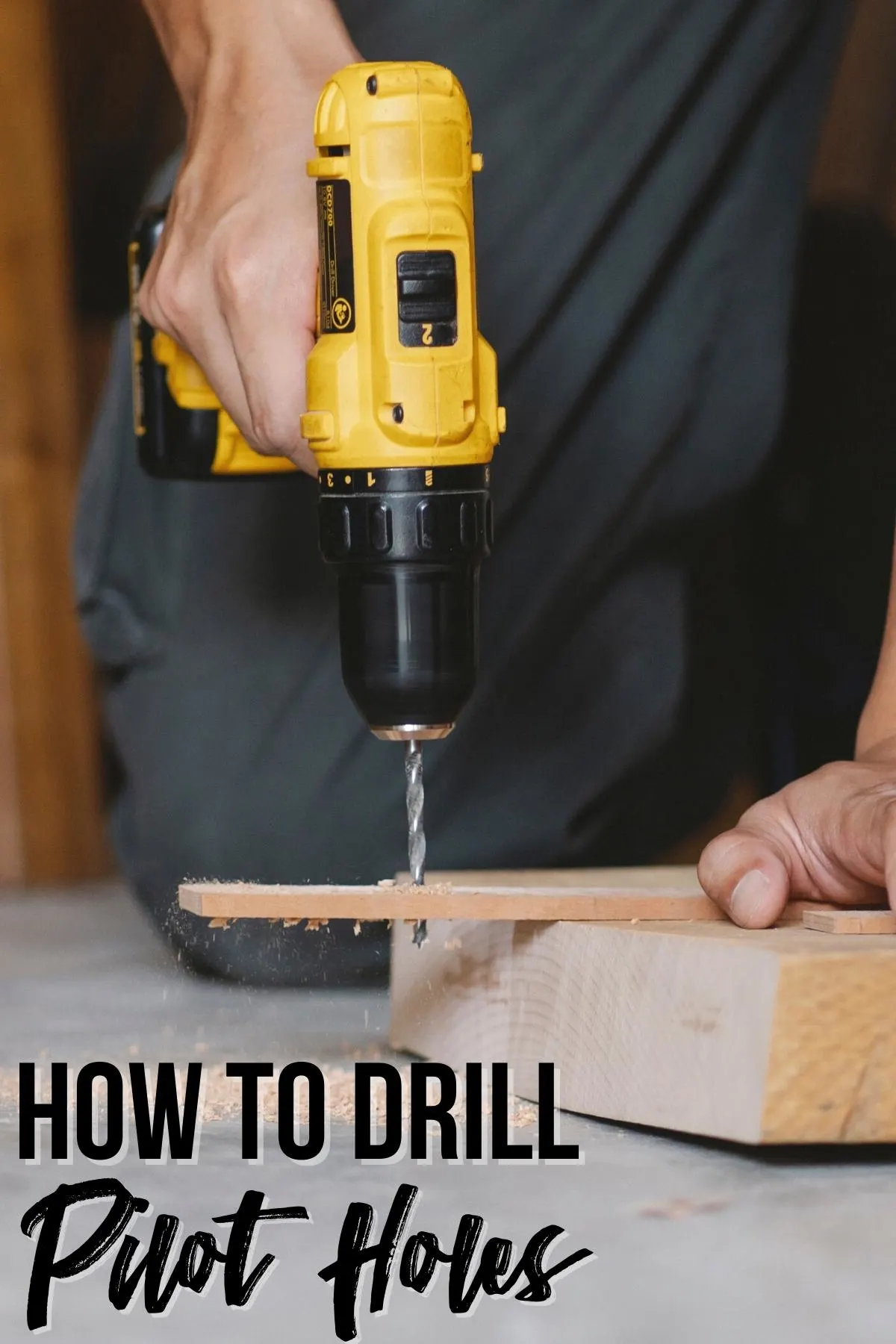
A good Pilot Hole Guide includes the correct drilling process. The goal is a clean, straight hole that supports the screw without removing too much material.
Most home improvement projects only need a drill, the correct bit, and a simple marking tool. Careful preparation creates better results.
- ✦ Mark the location
Use a pencil or punch mark to identify the exact screw position.
- ✦ Select the drill bit
Choose a bit that matches the screw size and material.
- ✦ Drill straight
Keep the drill aligned to create a clean path.
- ✦ Install the screw
Drive the screw slowly and avoid excessive force.
Pilot Holes for Different Materials
A Pilot Hole Guide changes depending on the material. Wood, metal, and plastic each react differently when a screw enters.
Using the same drilling approach for every material can lead to poor results. Adjust the bit size, speed, and technique for each project.

- ✦ Wood
Wood projects usually need pilot holes to prevent splitting and improve screw alignment.
- ✦ Metal
Metal requires proper drill bits and controlled pressure to create accurate holes.
- ✦ Plastic
Pilot holes help prevent cracking when screws enter plastic parts.
Pilot Holes for Hardwood and Softwood
Softwoods compress more easily, while hardwoods resist screw movement. Matching the hole size to the wood type helps create strong connections.
Tools Needed for Creating Pilot Holes
The right tools make pilot hole drilling faster and more accurate. Most DIY users can complete common projects with a basic drill setup.
Professional carpenters often keep multiple drill bits ready because different screws and materials require different hole sizes.

- ✦ Cordless drill
A reliable drill provides control for home and professional projects.
- ✦ Drill bit set
A variety of sizes helps match different screws.
- ✦ Depth guide
A depth mark prevents drilling too deep into the material.
Common Pilot Hole Mistakes to Avoid
Even experienced DIY users can make mistakes when drilling pilot holes. Small errors can weaken joints or damage finished surfaces.
Following this Pilot Hole Guide helps avoid common problems and creates cleaner results.

- ✦ Using the wrong bit size
A hole that is too small may split wood, while a hole that is too large may reduce grip.
- ✦ Skipping pilot holes in hard materials
Hardwood and dense materials often need pre-drilling.
- ✦ Drilling at an angle
A crooked pilot hole can cause misaligned screws.