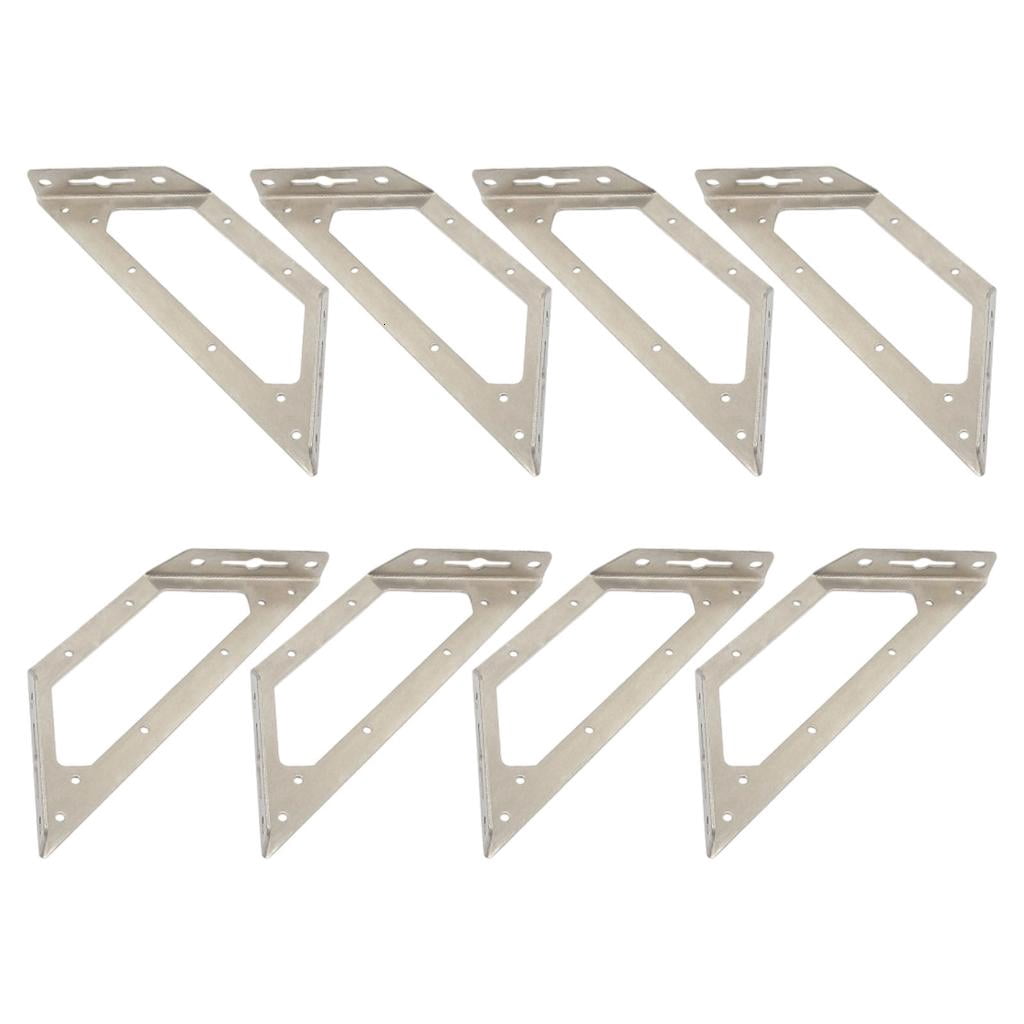
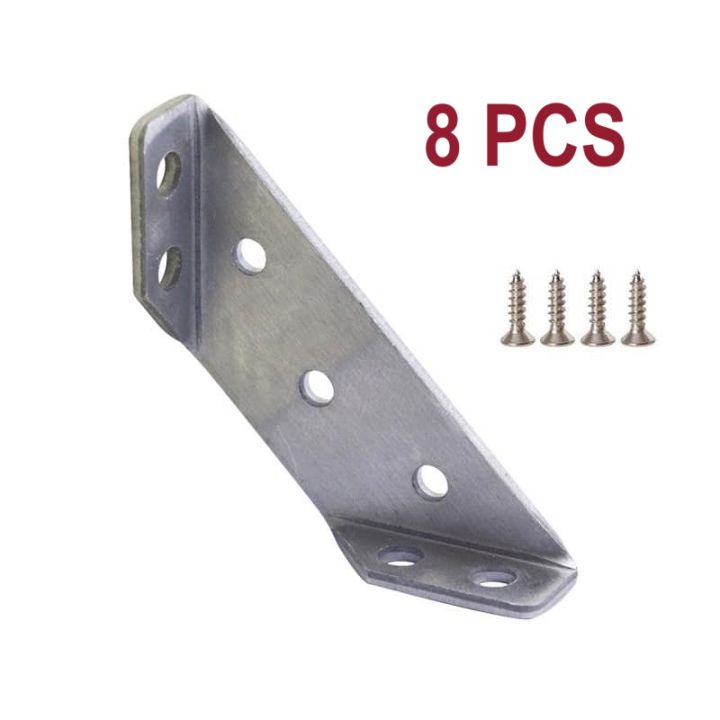
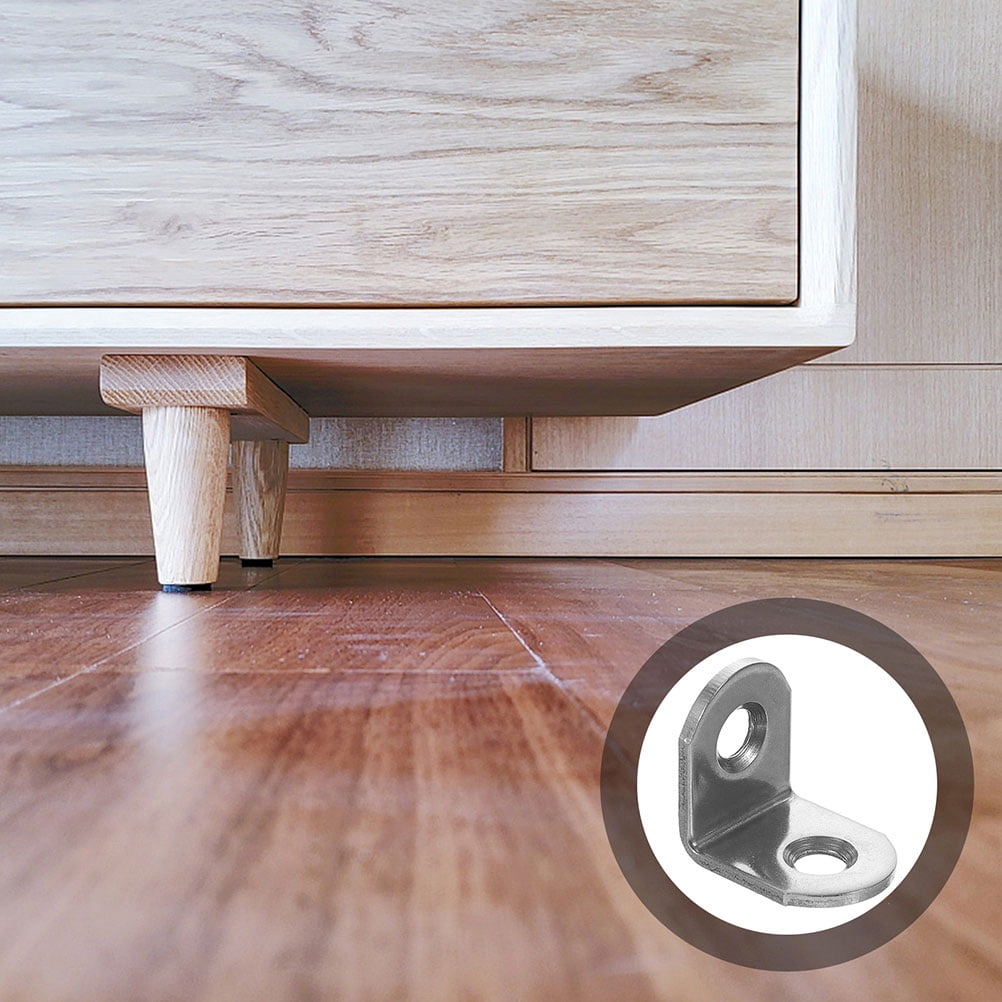
Furniture corner reinforcement strengthens the points where two or more furniture parts meet. Wood blocks, metal brackets, screws, dowels, and glue can reduce joint movement and help furniture resist daily loads.
In American homes, furniture must handle daily use. Dining chairs carry repeated weight. Kitchen cabinets hold dishes and cookware. Desks support computers and other work tools. Tables face pushes, pulls, and side loads. These demands place stress on the joints that hold each piece together.
A weak corner can make an entire piece of furniture wobble. It may also cause gaps, loose screws, or cracked wood. Corner reinforcement helps spread these forces across a wider area. It gives the joint more support instead of asking one small fastener to carry the full load.
The best method depends on the furniture material, joint design, and intended use. A solid wood chair may need a fitted wooden corner block. A cabinet may benefit from a metal L-bracket. An MDF unit may need a well-planned glue joint with suitable fasteners. Each method has different strengths and limits.
This guide explains how corner reinforcement works, which materials to use, and how to install the right support. It also covers common repair problems, material limits, and ways to check whether a reinforced corner is sound.
Source: storage.googleapis.com
What Is Furniture Corner Reinforcement?
Furniture corner reinforcement is a way to add support where furniture parts meet. These parts may include legs, rails, side panels, base frames, shelves, and cabinet walls. The added support helps the joint stay in place during normal use.
Think of a furniture corner as a small bridge between two parts. Both sides must stay connected when weight or movement acts on them. If the joint has little support, it may bend or pull apart. A brace gives the corner another path to carry that force.
Most reinforcement methods use a larger contact area, extra fasteners, or a mechanical link. Some methods stay hidden inside the furniture. Others remain visible as metal fittings or decorative braces.
Corner reinforcement does not replace good joint design. A weak, dirty, or damaged joint can still fail even after a bracket is added. The goal is to support a sound joint or restore a damaged one with a suitable repair.
Source: walmart.com
Joint support
Reinforcement helps keep joined parts aligned and reduces unwanted movement.
Load sharing
A block or bracket can spread force across more than one small connection point.
Frame stability
Support at key corners helps reduce wobble in chairs, tables, and cabinets.
Long-term repair
A suitable brace can help restore a loose joint after the original cause has been fixed.
Why Furniture Corners Need Extra Support
A corner often carries more than one type of force. Weight may push down on a table rail. A person may pull a chair backward. A cabinet door may place repeated stress on its frame. These forces can make a simple joint move over time.
The problem becomes worse when a joint has a small glue area or weak fastener grip. A screw may loosen. A thin panel may crack. A poorly fitted joint may begin to open. Reinforcement helps reduce these risks when it matches the material and design.
Repeated movement
Daily use can loosen joints that were not designed for repeated side loads.
Weak end grain
A screw or glue joint into end grain may have less holding power than a suitable long-grain connection.
Thin furniture panels
Thin boards may need wider support to avoid damage around fasteners.
Furniture Parts That Often Need Reinforcement
The most common areas include chair seat frames, table aprons, cabinet backs, drawer frames, bed rails, and shelf corners. These parts often meet at right angles and carry repeated loads.
Check the joint before choosing a brace. A cabinet corner may need support against panel separation. A chair corner may need to resist twisting. A table leg joint may need support against side movement. The purpose of the brace should guide its shape and position.
Chairs and benches
Seat rails and legs often need support against rocking and twisting.
Tables and desks
Apron corners and leg connections can benefit from blocks or metal fittings.
Cabinets and bookcases
Side panels, back panels, and shelf connections may need added corner support.
Common Types of Furniture Corner Reinforcement
Furniture makers use several types of corner reinforcement. Each one suits a different joint, material, and design. The main choices are wooden corner blocks, metal brackets, gusset plates, dowels, and reinforced glue joints.
A hidden wooden block can keep a classic furniture look. A metal bracket is often faster to fit. A gusset plate can add support across a wider corner. Dowels help connect parts inside a joint. A reinforced glue joint can improve contact between clean and well-fitted surfaces.
No single method works best for every piece. Choose based on the direction of force, available space, panel thickness, and access to the joint.
Source: lazada.com.ph
Wooden corner blocks
Solid wood blocks fit inside a corner and support the joined rails or panels.
Metal L-brackets
Right-angle brackets connect two sides with screws or other suitable fasteners.
Gusset plates
Flat or shaped plates spread support across a larger corner area.
Dowel reinforcement
Wooden dowels connect two parts through matching holes and suitable adhesive.
Adhesive reinforcement
A suitable wood adhesive can strengthen clean, close-fitting joint surfaces.
Wooden Corner Blocks
Wooden corner blocks are small pieces fitted inside a furniture corner. They often have a triangular shape, but square, angled, and custom shapes also work. The block connects two nearby parts and helps spread stress across a wider area.
They are common in wooden chairs, tables, benches, and cabinet frames. A block may be glued into place or held with screws. Some furniture uses a dado or groove to help locate the block and resist movement.
Choose a block with sound wood and a suitable grain direction. Pine, poplar, and other workable woods can suit many furniture projects. Harder woods may be useful in high-stress areas when their size and fit are correct.
A block should sit flat against both parts. Large gaps reduce contact and can weaken the connection. Do not force an oversized block into a small corner.
Best use
Wooden blocks suit hidden support in chair frames, table bases, and wooden cabinet corners.
Main benefit
They add support without leaving metal hardware visible.
Main limit
They need enough room and suitable surfaces for a strong fit.
Metal L-Brackets
Metal L-brackets have two sides that meet at a right angle. Each side attaches to one part of the furniture. The bracket helps keep those parts in position and can resist corner movement.
Steel and stainless steel are common options. Steel brackets suit many indoor projects. Stainless steel may be useful where moisture or corrosion is a concern, provided the fasteners also suit that environment.
Bracket size and thickness matter. A small bracket may work for a light cabinet connection but may not suit a heavy table frame. The screw holes must also line up with solid material. A long screw is not automatically better if it can pass through the furniture surface.
Check the bracket shape before installation. Some have rounded corners or raised ribs. Others have flat sides. The fitting must sit properly against both surfaces.
Best use
L-brackets suit cabinet corners, storage frames, desks, and many repair jobs.
Main benefit
They are easy to position and can provide a firm mechanical connection.
Main limit
Visible brackets may affect appearance, and poor screw placement can damage thin panels.
Gusset Plates and Corner Braces
A gusset plate is a support piece placed across a joint. It may be made from metal, plywood, or solid wood. Its shape often includes a triangle because this shape can support a corner without covering a large area.
Gussets are useful in furniture frames that face side loads. They can connect a table apron to a leg or strengthen a frame corner. The plate must have enough contact area and suitable fasteners to do its job.
A gusset does not fix a broken main member. If a rail has split or a leg has lost a large section of wood, repair or replacement may be needed before the gusset is fitted.
Best use
Gussets suit frame corners that need support against bending and twisting.
Main benefit
They spread force over a wider section of the joint.
Main limit
They need enough space and may change the look of exposed furniture.
Dowels and Reinforced Wood Joints
Dowels are short wooden rods placed in matching holes in two parts. Glue holds the dowel inside the holes and helps connect the pieces. A dowel joint can add support to a furniture corner when the holes are accurate and the parts fit well.
A dowel needs enough depth in both parts. Poor alignment can pull a joint out of square. A hole that is too tight may squeeze away too much glue. A hole that is too loose may leave a weak connection.
Dowels are often used with butt joints, rail connections, and cabinet parts. They can also support mitered corners when the design allows. Use a doweling jig when accurate hole placement is needed.
Best use
Dowels suit hidden connections in wood and some engineered wood furniture.
Main benefit
They add a mechanical link inside the joint.
Main limit
They need accurate drilling and suitable material around each hole.
Choosing the Right Reinforcement Material
The furniture material should guide the reinforcement choice. Solid wood, plywood, MDF, and particleboard do not hold fasteners in the same way. A method that works well in a solid wood frame may fail in a thin composite panel.
Start by checking the core material, not just the surface finish. A cabinet may have a wood-look coating over particleboard. A shelf may have a thin veneer over MDF. The visible surface does not tell you how much screw grip is available inside.
Also consider the room and expected use. A bathroom cabinet may face more moisture than a bedroom dresser. A dining chair needs a stronger frame connection than a light display shelf. Match the support to the real job.
Source: walmart.com
Solid wood
Use suitable wood blocks, screws, dowels, and glue. Check grain direction and avoid splitting near board ends.
Plywood
Use suitable screws and blocks. Its layered structure can offer useful support, but edge quality and thickness still matter.
MDF
Use careful pilot drilling, suitable screws, and compatible adhesive. Avoid over-tightening and weak edge placement.
Particleboard
Use fittings designed for the panel and avoid relying on damaged or stripped screw holes.
Metal furniture
Use compatible metal brackets, bolts, or other fittings suited to the frame and coating.
Corner Reinforcement for Solid Wood
Solid wood gives many options for corner support. You can add a fitted block, a screw-fastened brace, or a dowel connection. A good glue joint can also add strength when both surfaces are clean and fit closely.
Wood moves as moisture levels change. Boards can expand and shrink across the grain. A block that locks two wide surfaces together without allowing movement may create stress over time.
Keep blocks small enough for the joint and place them where they add support without restricting normal movement. Match the grain direction where practical. For complex joints, use a design that allows the wood to move.
Check grain
Look at the grain direction of both the block and the furniture parts.
Use sound stock
Avoid cracked, warped, or badly split blocks.
Allow movement
Do not trap a wide solid wood panel in a rigid joint that prevents normal seasonal change.
Corner Reinforcement for Plywood and MDF
Plywood often provides a useful base for screws and blocks, but the number of layers and panel thickness affect the result. Screws near a thin edge may still split the panel. Pilot holes help reduce this risk.
MDF has a fine and even core. It can form good glued joints when the edges are prepared and the parts are held in place during curing. However, MDF has less screw-holding power than solid wood in many applications.
For MDF, use suitable screws and follow the fastener maker’s guidance. Drill pilot holes and countersinks where needed. Do not place screws too close to the edge. The right spacing depends on panel thickness and screw size.
Particleboard needs even more care around damaged holes and edges. If the core has crumbled, a new screw may not hold. A wider repair block or a suitable replacement panel may be needed.
Use proper drilling
Pilot holes help guide screws and reduce splitting or surface damage.
Check the core
Do not assume a coated panel is solid wood.
Avoid excess torque
Stop when the screw is seated. More force can strip the material.
How to Install Furniture Corner Reinforcement
A sound installation starts with a stable joint. First, find the source of the movement. Then clean, align, and support the joint before adding a block or bracket.
This basic method works for many wooden furniture corners. The exact steps will vary with the material and brace design. Always follow the adhesive and hardware instructions for the parts you use.
For a loose chair, table, or cabinet, work on a flat surface. Remove loose items and make sure the furniture cannot fall. If the item is heavy, ask another person to help turn or support it.
Prepare a tape measure, square, pencil, drill, suitable bits, screwdriver, clamps, and a clean cloth.
Basic materials
Select the correct block or bracket, suitable screws, and adhesive when the joint design calls for it.
Safety gear
Wear eye protection and use dust control when cutting or drilling wood-based panels.
Step 1: Inspect the Furniture Corner
Turn the furniture so you can see the joint. Look for loose screws, gaps, cracks, damaged wood, and old glue. Check whether the movement comes from the corner or from another part of the frame.
Use gentle hand pressure to find the loose area. Do not put your full weight on a damaged chair or table. A weak joint may fail without warning.
Check whether the parts are still square. If a cabinet has shifted out of shape, measure its diagonals or use a framing square. A brace fitted to a twisted frame may lock the problem in place.
Look for gaps
Open seams can show that the joint has moved or lost its bond.
Check fasteners
Look for loose, rusted, bent, or stripped screws and bolts.
Check for damage
A split rail or crushed panel may need repair or replacement before reinforcement.
Step 2: Select and Measure the Brace
Choose a brace that fits the corner and suits the material. Measure the available space on both sides. Check the thickness of the wood or panel before selecting screw length.
For a wooden block, make sure both contact faces match the corner. For an L-bracket, check that the holes sit over sound material. The bracket should not cover a hinge, drawer slide, wire, or other fitting.
Mark the screw positions with a pencil. Keep suitable space from board edges. Use the fastener maker’s instructions to confirm the correct hole size and screw type.
Check the angle
The brace should fit the actual corner without forcing the furniture out of shape.
Check the thickness
The screw must grip the material without passing through the outer surface.
Check clearance
Make sure the brace will not block normal furniture use.
Step 3: Prepare the Joint
Remove dust, loose glue, and dirt from the contact area. A clean surface helps adhesive make proper contact. If the joint has old glue, remove loose residue without damaging the wood.
If the original joint has separated, check whether the parts can be brought back together. Do not simply cover a large gap with a bracket. A bracket may hold the outside of a joint while the damaged connection remains weak.
For a chair or table, support the frame on a flat surface. Use clamps or temporary supports to hold the parts in their correct position.
Clean surfaces
Remove dust and loose material from the joint and brace contact areas.
Repair damage
Address cracks, crushed edges, and stripped holes before fitting new hardware.
Align the frame
Bring the parts into their intended position before tightening the reinforcement.
Step 4: Drill Pilot Holes
Pilot holes guide screws into the material. They also reduce the risk of splitting and help the screw enter at the correct angle. Select a drill bit that suits the screw and material.
Use a depth stop or a piece of tape on the drill bit when the screw must not pass through the far side. This is useful on thin cabinet panels and finished furniture surfaces.
For MDF and particleboard, drill with care. Do not force the bit or use excessive pressure. If the panel begins to crumble, stop and assess the repair.
Mark the depth
Know how deep the hole must go before drilling.
Keep the drill straight
A straight hole helps the screw seat correctly.
Avoid edge damage
Keep holes far enough from the edge to preserve the material around them.
Step 5: Fit the Wooden Block or Metal Bracket
For a wooden block, apply a suitable adhesive to the prepared contact faces when the design calls for a glued connection. Place the block in the corner and align it with the marked position.
For a metal bracket, place it against both sides of the joint. Insert the screws by hand or with a controlled driver. Start each screw before tightening the group. This helps keep the bracket aligned.
Do not over-tighten the fasteners. Stop when the bracket sits firmly against the surface. Excess force can strip a hole or crush a composite panel.
Check the fit
The block or bracket should sit flat without rocking.
Use suitable fasteners
Match screw material, thread, head, and length to the furniture and brace.
Keep the joint aligned
Do not pull the furniture out of square while tightening.
Step 6: Clamp and Allow the Adhesive to Cure
When glue is part of the joint, use clamps to hold the parts in place during the stated setting and curing period. Apply enough pressure to keep the surfaces together without crushing the wood.
Wipe away excess glue as directed by the adhesive maker. Keep the furniture still until the required cure time has passed. A joint that feels firm after a few minutes may not yet have reached its full bond strength.
Different adhesives have different working times and curing needs. Temperature, moisture, and material type can change the process. Follow the product label rather than guessing.
Use even pressure
Place clamps so they hold the joint without twisting the frame.
Follow cure times
Do not load the furniture before the adhesive maker’s stated time.
Check squeeze-out
Remove excess adhesive in the way recommended for that product.
Step 7: Check the Finished Reinforcement
Once the adhesive has cured, inspect the joint. Look for gaps, loose screws, bent brackets, or signs of movement. Check that the furniture still sits square and that all parts work as intended.
Apply gentle hand pressure to the frame. Do not use a person or a heavy load as a test weight. If the corner moves, makes a cracking sound, or opens again, stop using the furniture until the cause is found.
A good result should feel stable during normal handling. The brace should stay in place, and the joint should not show new gaps or damage.
Check alignment
Confirm that the corner remains square and the furniture sits level.
Check fasteners
Look for movement or signs that a screw has pulled out.
Check normal use
Make sure doors, drawers, shelves, and moving parts still work freely.
Choosing the Best Reinforcement for Different Furniture
The best reinforcement depends on the type of furniture and the load placed on its corners. A dining chair faces repeated movement. A cabinet needs stable panel connections. A table must resist side forces at its legs and apron.
Start with the joint design. Then consider the material, access, appearance, and repair needs. A hidden block may suit a wooden chair. A metal fitting may suit a cabinet that already uses mechanical fasteners.
The following table offers general guidance. It is not a load rating or a guarantee of strength. Actual performance depends on the size, material, joint condition, and installation.
Source: walmart.com
For chairs
Use fitted wooden blocks or suitable frame braces at sound seat-rail joints.
For tables
Consider blocks or gussets where the legs meet the apron.
For cabinets
Use suitable corner brackets, blocks, or panel joinery.
For shelves
Use supports that match the panel material and expected shelf load.
Dining Chairs and Wooden Benches
Chairs and benches face repeated movement. People sit down, stand up, lean back, and move the furniture across the floor. These actions can place stress on the joints between the legs and seat rails.
Wooden corner blocks are a common choice for these frames. They can connect nearby rails and help reduce twisting. Some designs use blocks with angled faces or grooves to improve the fit.
Check all four corners before repairing one loose joint. Other joints may also be weak. If a chair has a cracked leg, broken rail, or damaged main joint, a small brace may not be enough. Keep the chair out of use until the frame is sound.
Preferred option
A fitted wood block or suitable frame brace for a sound wooden corner.
Important check
Inspect the legs, rails, and other joints for related damage.
Tables and Desks
Tables and desks often use an apron between the legs. The apron helps connect the legs and supports the top. Corner blocks can strengthen the area where the apron meets each leg.
Metal braces may also work when the frame has enough material for secure screws. Check the underside before drilling. Avoid placing screws where they can damage the top or interfere with a drawer.
A table that rocks may have loose joints, uneven feet, or a floor problem. Check these causes before adding corner hardware. A brace will not correct a table that rocks because one leg is too short.
Preferred option
Wood blocks or suitable metal braces at the apron and leg connections.
Important check
Confirm that the floor, feet, and table frame are level and sound.
Kitchen Cabinets and Storage Units
Cabinet corners often join side panels, top panels, bottoms, and backs. Their design may use screws, dowels, cams, grooves, or other fittings. The correct reinforcement depends on the original construction.
L-brackets can support some cabinet corners. Wooden blocks can also provide hidden support. A cabinet with a loose back may need its back panel secured rather than extra brackets at the front.
Before drilling, check for hinges, drawer slides, electrical wires, plumbing, and other parts behind the panel. Use fasteners that will not pass through the visible side.
Preferred option
A suitable L-bracket, wood block, or matching cabinet fitting.
Important check
Identify the panel core and inspect the original joint before drilling.
Beds and Large Furniture Frames
Bed frames carry repeated loads through their rails, corners, and center supports. A loose corner can cause noise and movement. The problem may come from a bolt, fitting, cracked rail, or damaged support.
Use hardware designed for the bed frame. Tighten the correct bolts and check that the rails sit fully against their fittings. A generic small L-bracket may not be suitable for a major bed connection.
If a rail is cracked or a corner fitting has pulled out, repair the damaged area before use. A bed frame should not depend on a small decorative bracket to carry its main load.
Preferred option
Purpose-designed bed fittings, bolts, and sound frame connections.
Important check
Inspect the rails, center support, and main corner fittings together.
Common Furniture Corner Reinforcement Problems and Mistakes
Many reinforcement problems start with the wrong repair method. A bracket may be too small. A screw may be too long. Glue may be applied over old residue. A brace may also hide damage instead of fixing it.
The best way to avoid these problems is to inspect the joint first. Find out why it became loose. Then choose a repair that addresses the real cause.
Do not keep adding screws when a hole has lost its grip. More fasteners in damaged material can make the problem worse. Replace or repair the weak material before installing new hardware.
Source: storage.googleapis.com
Using the wrong bracket
A bracket that does not fit the corner may leave gaps or place force on the wrong area.
Using screws that are too long
Long screws can pass through the panel or damage the opposite surface.
Skipping pilot holes
This can split solid wood or damage a composite panel.
Ignoring old glue
New adhesive may not bond well when old residue covers the contact area.
Over-tightening screws
Excess force can strip holes and crush the material around a fastener.
Why Does a Reinforced Corner Keep Moving?
A corner that moves after repair may have a deeper problem. The brace may not reach sound material. The original joint may still be loose. A screw may have stripped its hole, or the furniture may be under a load that the repair was not designed to carry.
Remove the load and inspect the joint again. Check the fastener holes, brace contact, and condition of the wood. If the material has split or crumbled, do not keep tightening the same screws.
A larger block, a new fitting, or replacement of the damaged part may be needed. If the furniture supports a person or heavy load, have a qualified furniture repair professional assess a serious failure.
Check the material
Look for cracks, stripped holes, and crushed panel edges.
Check the brace
Confirm that the brace sits flat and connects to sound material.
Check the original joint
Make sure the main connection is repaired rather than simply covered.
Why Does Glue Fail at Furniture Corners?
Glue can fail when surfaces are dirty, poorly fitted, or covered with old adhesive. It may also fail when the wrong product is used for the material or service conditions.
Too little pressure can leave gaps between the parts. Too much pressure may force out too much adhesive. Some joints also fail because the furniture moves before the glue has cured.
Prepare the surfaces, use a suitable adhesive, and follow the maker’s instructions. If a joint has a large gap or damaged wood, glue alone may not restore its strength.
Prepare both surfaces
Remove loose residue and make sure the parts fit as intended.
Use suitable adhesive
Check the label for compatibility with the material and use.
Allow full curing
Do not load the joint before the stated cure period ends.
When Should You Replace the Furniture Part?
Reinforcement is not always the right answer. A badly split leg, rotten rail, crushed panel, or severely damaged corner may not hold a new brace.
A replacement part can provide a sound base for the joint. For valuable antique furniture, use a furniture restorer who can assess the material and preserve the original design.
Do not rely on a small metal plate to hold a broken load-bearing part together. The whole connection must be sound before the furniture returns to normal use.
Replace damaged wood
Use a suitable replacement when the original part has lost too much sound material.
Seek skilled repair
Use a qualified repairer for major frame damage or valuable furniture.
How to Maintain Reinforced Furniture Corners
Good maintenance helps keep furniture corners stable. Check the joints from time to time, especially on chairs, tables, beds, and storage units that receive frequent use.
Look for new gaps, loose screws, rust, and changes in frame alignment. Fix small problems before they spread. Do not wait until a chair begins to rock or a cabinet starts to pull apart.
Keep furniture in a suitable indoor environment when possible. Large changes in moisture can affect wood and some panel products. Wipe spills promptly and keep metal fittings dry when their finish is not designed for wet conditions.
Source: lazada.com.ph
Inspect visible hardware
Check brackets, screws, bolts, and other fittings for movement or corrosion.
Check wood condition
Look for cracks, swelling, loose joints, and changes in the surface.
Avoid excess loads
Keep the furniture within its intended use and support limits.
Repair early
Address loose joints before they cause further damage.
Simple Inspection Schedule
There is no single inspection schedule for every piece of furniture. A dining chair used every day needs more attention than a small display cabinet. Inspect furniture after moving it, after a repair, or when you notice a change.
A quick check can reveal a loose screw or a new gap. More serious movement needs a closer inspection before the furniture is used again.
During normal cleaning
Look for visible gaps, loose hardware, and signs of moisture.
After moving furniture
Check that corners, legs, and panels remain aligned.
After a repair
Check the joint again after the adhesive has fully cured and the item returns to normal use.
Signs That a Corner Needs Attention
A reinforced corner may need maintenance if the bracket shifts, a screw becomes loose, or a gap appears near the joint. Rust or a bent fitting can also signal a problem.
Wooden blocks may crack or lose contact after long use. Check the surrounding wood as well. A new crack near the block may show that the load has moved to another weak area.
New movement
The joint moves when the furniture is handled gently.
Visible separation
A gap appears between the joined parts.
Hardware damage
A bracket bends, rusts, or pulls away from its mounting surface.
Furniture Corner Reinforcement: Practical Design and Research Findings
A useful reinforcement design balances strength, appearance, cost, and ease of repair. A hidden wooden block may be the best fit for a traditional chair. A metal bracket may be more practical inside a utility cabinet. A dowel joint may be better when the outside must remain clean.
The choice should also reflect the type of force on the joint. A corner that faces twisting needs support in the direction of that movement. A joint that tends to pull apart needs a connection that resists separation.
Published woodworking guidance and furniture joint research support a few clear points. Joint fit, material type, adhesive choice, and fastener placement all affect performance. No single bracket or block can guarantee a strong joint in every material.
Source: storage.googleapis.com
Fit matters
A brace with full contact can transfer force more effectively than one that rocks or leaves large gaps.
Material matters
Solid wood, plywood, MDF, and particleboard have different bonding and fastener properties.
Design matters
The position and direction of reinforcement should match the forces acting on the joint.
Repair matters
A brace cannot restore missing material or make a badly damaged frame sound by itself.
What Technical Research Tells Us About Corner Joints
Research on furniture corner joints examines how joint type, board material, fasteners, and adhesive affect strength. Tests of case furniture joints show that different joint designs can perform differently under diagonal compression and tension.
A review of furniture corner construction also discusses the effect of dowels, glue, and panel materials. It shows why the type of board and the way the joint is made matter when comparing reinforcement options.
Research on upholstered furniture frames has also compared corner blocks, gusset plates, dowels, and traditional wood joints. Results depend on the timber, joint design, and test method. A value from one test should not be treated as a universal rating for all furniture.
These findings support a practical rule: choose the complete joint system rather than judging a brace by its appearance or metal thickness alone.
Documented finding
Joint design, fastener type, glue, and base material can affect the strength of furniture corners.
Documented finding
Accurate fit and suitable adhesive application matter in bonded MDF joints.
Evidence limit
Results from one material or laboratory test do not establish a universal load capacity.
Reader Questions and Coverage Gaps
A review of woodworking guidance, furniture repair resources, material guidance, and joint research reveals several useful areas to address. Basic guides often explain what a corner block or bracket does, but readers also need to know when a repair will fail.
The following map separates questions found in the reviewed material from reasonable next needs inferred from the repair task. It does not claim to measure search demand or represent every page on the internet.
Observed question: How do you install a wooden corner block?
Reader stage: installation. Woodworkers Guild of America provides a practical corner-block installation demonstration. This guide adds material checks, alignment, and curing steps. Priority: high.
Observed question: Can you use glue and screws on MDF?
Reader stage: material selection. WOOD Magazine addresses MDF screw placement, pilot holes, and glue. This guide adds limits for damaged panels and corner braces. Priority: high.
Inferred next need: Which brace suits a chair, cabinet, or table?
Reader stage: selection. General corner-block guidance covers some uses, but furniture types need different support. This guide provides a practical comparison. Priority: high.
Inferred next need: Why does a reinforced corner remain loose?
Reader stage: troubleshooting. The reviewed basic installation guidance does not fully cover every cause of repeat failure. This guide addresses stripped holes, damaged material, and poor fit. Priority: high.
Inferred next need: When should a damaged part be replaced?
Reader stage: after repair assessment. Basic bracket guidance gives limited help with major structural damage. This guide explains when a brace is not enough. Priority: medium.
Research Scope and Evidence Limits
The research review for this guide included Fine Woodworking’s discussion of hidden corner blocks, WOOD Magazine’s MDF joint guidance, European Panel Federation guidance on adhesive-bonded MDF corners, Colorado State University Extension furniture repair material, and published furniture joint research.
These sources provide useful construction principles and repair guidance. They do not establish a tested load rating for the specific brackets shown in the supplied image list. No hands-on furniture testing was performed for this article.
For that reason, the recommendations are general construction guidance. Actual load limits, screw sizes, and fitting suitability must come from the exact furniture design and hardware instructions.
Evidence type
Published technical guidance, educational repair material, and research on furniture joint performance.
Not tested by us
No physical bracket strength test or furniture load test was carried out.
Not established
No universal safe load rating can be assigned to a corner brace without its specifications and installation details.
Frequently Asked Questions
Q
What is the strongest way to reinforce a furniture corner?
There is no single strongest method for every furniture corner. A well-fitted wooden block, suitable metal gusset, dowel joint, or reinforced mechanical connection can work well when matched to the material and load.
For a wooden chair, a fitted corner block may be a good choice. For a cabinet, a suitable metal bracket may be more practical. The original joint must also be sound.
Q
Are wooden corner blocks better than metal brackets?
Neither is always better. Wooden blocks can stay hidden and suit traditional furniture frames. Metal brackets offer a direct mechanical connection and can be easier to install in many cabinets and storage units.
Choose based on the furniture material, available space, appearance, and expected load. A correctly fitted brace is more useful than an unsuitable brace made from a stronger-looking material.
Q
Can I reinforce MDF furniture with screws?
Yes, suitable screws can work in MDF when the panel thickness, screw type, and hole placement are correct. Pilot holes and careful tightening help reduce damage.
MDF has less screw-holding power than solid wood in many applications. Avoid weak edges, stripped holes, and screws that are too long. Use suitable adhesive when the joint design calls for it.
Q
Should I use glue and screws together for corner reinforcement?
Glue and screws can work together in many wooden furniture joints. Glue bonds the prepared surfaces, while screws help hold the parts in position and provide mechanical support.
The method depends on the material and joint design. Follow the adhesive and fastener instructions, and do not use glue to hide a damaged or poorly fitted joint.
Q
Can corner brackets stop a wobbly chair?
A suitable bracket can help when the wobble comes from a loose corner joint. However, the chair may also have a cracked rail, damaged leg, loose dowel, or uneven foot.
Inspect the whole frame before adding hardware. Repair the actual source of movement and keep the chair out of use until the frame is stable.
Q
How many corner brackets does a piece of furniture need?
The number depends on the furniture design, joint layout, and expected load. A cabinet may need support at selected corners, while a table may use blocks at each leg and apron connection.
Do not add brackets without a reason. Place them where they can connect sound material and support the forces acting on the joint.
Q
Can I use furniture corner reinforcement on antique furniture?
Yes, but the method needs care. A visible metal bracket may change the original appearance. Drilling can also reduce the value of an antique or damage an old joint.
For valuable or historic furniture, ask a qualified furniture restorer to inspect the joint. A hidden and reversible repair may be more suitable than a new metal fitting.
✦ Wrapping Up
Conclusion
Furniture corner reinforcement helps keep furniture joints stable and secure. It can reduce unwanted movement and support the areas where legs, rails, panels, and frames meet. The right method depends on the furniture design and the material used.
Wooden corner blocks offer hidden support for many chairs and tables. Metal L-brackets work well for many cabinet and storage connections. Gusset plates, dowels, and suitable adhesives provide other options when the joint needs a different type of support.
A strong repair starts with a careful inspection. Find the cause of the loose joint, check the material, and select a suitable brace. Use correct fasteners, drill carefully, keep the frame aligned, and allow adhesives to cure fully.
Most of all, remember that reinforcement cannot fix every type of damage. A broken rail, crushed panel, or badly split leg may need replacement or professional repair. A sound joint and a well-matched brace work together to create stable furniture.
💡 Key Takeaway
Before reinforcing furniture, inspect the loose corner, identify its core material, and measure the available space. Choose a suitable wooden block, metal bracket, or joint reinforcement method. Repair damaged material first, use correct fasteners, and check the finished joint before returning the furniture to normal use.