furniture frame construction is the process of building the main support structure of a furniture piece. It uses carefully selected materials, accurate cuts, strong joints, and proper bracing to create a frame that stays square, supports its intended load, and lasts through daily use.
Furniture makers across the United States use frame construction to build chairs, sofas, beds, tables, cabinets, and other household items. The frame is the hidden skeleton of each piece. It holds the parts together and gives the furniture its shape. A well-built frame can support daily use without loose joints or unwanted movement.
The best frame starts with a clear plan. The maker must know the size, shape, use, and expected load of the finished piece. A dining chair needs a different frame from a sofa or a bed. Each design needs the right wood, joint type, support points, and assembly method.
Good construction is not just about using thick wood. A thick part can still fail if its joint is weak or its grain runs in the wrong direction. A slim part can work well when its shape, material, and support are suited to the job. The goal is to make every part work as one strong structure.
This guide explains how furniture frames work and how to plan and build them. It covers wood types, frame parts, joints, tools, assembly, bracing, common errors, and basic safety. The focus is on furniture made for homes and workshops in the United States.
Source: craigrobertdouglas.co.uk
What Is Furniture Frame Construction?
Furniture frame construction is the method of joining parts to form a stable support structure. The frame carries the weight of the furniture and its users or stored items. It also keeps the piece in the right shape.
A frame can be made from solid wood, plywood, metal, or a mix of materials. The best choice depends on the design. A wooden chair may use solid hardwood rails and legs. A sofa may use a mix of wood panels, rails, and support blocks.
The frame also controls how force moves through the furniture. When someone sits on a chair, their weight moves from the seat to the rails and legs. Each joint must transfer that force without coming loose. A good design spreads the load across more than one part where needed.
Source: pinterest.com
Shape
The frame sets the height, width, depth, and overall form of the finished furniture.
Support
The frame carries the weight of people, cushions, shelves, or stored objects.
Stability
The frame helps stop twisting, rocking, sagging, and side-to-side movement.
Attachment
The frame gives doors, drawers, seats, backs, and panels a firm place to attach.
Frame Construction and Panel Construction
Frame construction uses connected parts to form a support structure. The parts may include legs, rails, posts, and braces. Panel construction uses broad sheets or boards as major parts of the structure.
Many furniture pieces use both methods. A cabinet may have a panel-based box with a separate face frame. A sofa may use rails and posts with plywood panels. This mixed approach can save material and suit complex shapes.
Frame-based design
Useful for chairs, tables, beds, and furniture that needs open spaces between support parts.
Panel-based design
Useful for cabinets, storage units, and furniture with broad flat sides.
Main Parts of a Furniture Frame
A furniture frame is made of parts that perform different jobs. Some parts carry weight. Others hold the frame square or provide a place for panels and hardware. Each part must fit the design and connect well with the rest.
Before cutting wood, draw the frame and label every part. This helps prevent wrong cuts and missing supports. It also makes it easier to plan joints and measure the full structure.
Source: baciamistupido.com
Legs
Legs support the furniture and transfer weight to the floor. They may be straight, tapered, turned, or angled.
Rails
Rails connect legs or posts. They help hold the frame together and may support a seat, shelf, or panel.
Stiles
Stiles are upright frame parts. They often appear in doors, backs, and panel-based furniture.
Stretchers
Stretchers connect legs or other supports. They can reduce unwanted side movement and improve frame stability.
Cross supports
Cross supports connect opposite sides of a frame. They help spread loads and limit movement.
Corner blocks
Corner blocks add support where two or more frame parts meet. They are common in chairs, sofas, and tables.
Back supports
Back supports hold the backrest or rear panel. Their design depends on the furniture shape and use.
How Frame Parts Work Together
A frame works best when each part has a clear job. Legs carry weight. Rails connect the legs. Stretchers help limit movement. Corner blocks support joints that face repeated stress.
Think of the frame as a team. A strong leg cannot fix a weak rail joint. A thick rail cannot prevent all movement if the frame lacks proper support. The full structure must work together.
For example, a dining chair needs a seat support system, four legs, connecting rails, and a back support. The seat must transfer weight to the frame. The back must resist the force caused when someone leans against it.
Follow the load path
Plan how weight moves from the seat or top through the frame and down to the floor.
Support weak points
Give joints and long spans enough support to limit bending and movement.
Choosing the Right Materials for a Furniture Frame
Material choice affects frame strength, weight, cost, appearance, and repair. A good choice must match the job. The wood used for a small side table may not suit a chair that faces repeated movement.
Solid wood is common in traditional furniture. Plywood and other sheet goods are useful for panels and some support parts. Metal can provide a strong frame for designs that need thin sections or a modern look.
Check each piece before use. Look for cracks, loose knots, severe warping, decay, and other defects. A poor board can weaken a frame even when the joints are well made.
Source: homestretchfurniture.com
Hardwood
Oak, maple, ash, and beech are common furniture woods. They can work well for legs, rails, and other parts when the grade and design suit the load.
Softwood
Pine and other softwoods are easy to work and often cost less. They can suit many furniture projects, but the maker must account for their lower resistance to dents and wear.
Plywood
Plywood uses thin wood layers bonded together. It can offer good panel stability and is useful for seat bases, cabinet parts, and some sofa frames.
Medium-density fiberboard
MDF has a smooth surface and works well for some indoor panels. It is not a direct substitute for solid wood in every load-bearing frame part, and moisture can damage it.
Metal
Steel and aluminum can form furniture frames with different strength and weight traits. Metal construction needs suitable cutting, joining, and finishing methods.
Solid Wood Selection
Choose wood with straight, sound grain for parts that carry load. Grain direction matters because wood is stronger along its grain than across it. Avoid large defects near joints or narrow sections.
Wood also changes size as moisture levels change. It expands as it gains moisture and shrinks as it dries. This movement can cause cracks or loose joints if the design does not allow for it.
Use wood that has been dried and stored for the conditions where the furniture will be used. Let the material adjust to the workshop before final cutting when needed. Do not seal wet wood inside a finished frame.
Check grain
Look for grain that runs along the length of a rail or leg.
Check moisture
Use a moisture meter when moisture content is important to the project.
Check defects
Avoid splits, loose knots, and damaged areas near joints and fasteners.
Plywood and Engineered Wood
Plywood is useful because its layers run in different directions. This helps limit some forms of movement. Its strength still depends on thickness, grade, layer quality, and support.
Use the correct plywood grade for the intended setting. Interior furniture does not always need the same panel type as furniture exposed to damp conditions. Do not assume that all plywood is waterproof or suitable for every structural task.
MDF and particleboard can work for selected panels and furniture parts. Their edges need proper support and suitable fasteners. Repeated screw removal can damage the material, so plan hardware locations with care.
Use the right panel
Match panel grade and thickness to the design and the expected use.
Support panel edges
Add rails or blocks where a panel needs a firm fixing point.
Furniture Frame Joints and Their Uses
Joints connect the parts of a furniture frame. Their strength depends on the joint shape, wood quality, fit, glue, fasteners, and direction of force. A well-cut joint gives parts a firm place to meet and helps keep the frame in shape.
There is no single best joint for every project. A chair may need joints that resist repeated movement. A cabinet frame may use joints that are easier to make with a router or table saw. Choose a joint based on the part and the load it must carry.
Source: baciamistupido.com
Mortise and tenon
A tenon fits into a matching hole called a mortise. This joint offers a broad glue surface and is widely used in traditional frame work.
Dowel joint
Wooden dowels fit into aligned holes in two parts. They help align the parts and add a joining surface.
Biscuit joint
A compressed wood biscuit fits into matching slots. It can help align panels and add support, but it should not replace a suitable structural joint where heavy loads are involved.
Pocket-hole joint
Angled screws join one part to another. This method is quick and useful for many projects, but screw size, material, edge distance, and load direction matter.
Dovetail joint
Interlocking tails and pins resist pulling apart. Dovetails are common in drawers and selected furniture connections.
Butt joint
One part meets the end or face of another. It is simple to make, but it often needs screws, blocks, plates, or other support.
How to Choose a Joint
Start by asking what force the joint must resist. A joint that faces a pulling force needs a different design from one that mainly holds two panels in line. Also consider whether the joint will face repeated movement.
For chair legs and rails, a well-made mortise-and-tenon joint is a common choice. Dowel joints can suit many frame connections when the holes line up and the parts fit well. Pocket-hole screws may work for selected furniture parts, but they need proper support and correct placement.
The joint must also suit the tools and skill available. A simple joint made with care can perform better than a complex joint cut poorly. Test a new joint on scrap wood before using it in the final frame.
Match the force
Choose a joint that resists the pull, push, twist, or bending force expected at that point.
Check the fit
Parts should meet as planned without gaps or forceful fitting that can split the wood.
Use suitable glue
Select an adhesive made for the wood, joint, and indoor or outdoor conditions.
Follow fastener guidance
Use the correct screw or bolt size and avoid placing fasteners too close to weak edges.
Why Glue Alone Is Not Always Enough
Wood glue can form a strong bond when the surfaces fit well and the adhesive suits the material. It cannot fix a badly shaped joint or weak wood. Dirt, finish, poor contact, and wrong clamp pressure can also harm the bond.
Some joints need mechanical support. Screws, bolts, dowels, or other fittings may help hold parts in place. The design should account for wood movement and the way the furniture will be used.
Prepare clean surfaces
Remove dust, oil, and old finish from surfaces that need a glue bond.
Apply the right amount
Follow the adhesive label for coverage, open time, and clamp time.
Tools and Preparation Before Building
Good preparation makes frame building easier and reduces errors. The exact tools depend on the project. A simple stool needs fewer tools than a large sofa or a complex bed frame.
Set up a clean, stable work area. Make sure there is enough room to handle long boards and large frame parts. Keep the floor clear so you can move safely while cutting and assembling.
Read the instructions for every tool and adhesive. Wear eye and hearing protection when needed. Use dust control when cutting or sanding wood, and follow the safety guidance for the equipment.
Source: pinterest.com
Measuring tools
Use a tape measure, steel rule, combination square, and marking gauge to mark parts.
Cutting tools
A circular saw, table saw, miter saw, or hand saw can cut frame parts. Choose a tool that suits the cut and your skill.
Shaping tools
A router, chisel, plane, or drill can form joints and prepare edges.
Clamping tools
Bar clamps, pipe clamps, and corner clamps can hold parts during assembly.
Fastening tools
A drill, driver, suitable bits, and hand tools help install screws and other fittings.
Safety gear
Use safety glasses, hearing protection, dust control, and other protective gear suited to the task.
Make a Cutting and Assembly Plan
Write a parts list before cutting. Include each part name, material, finished size, quantity, and joint type. Mark which parts need holes, slots, or shaped ends.
Check the total material needed and allow for saw cuts and trimming. A cutting plan can help reduce waste. It also makes it easier to spot a missing part before assembly.
Dry-fit the parts before applying glue. This means joining them without adhesive to check the fit and shape. A dry fit can reveal errors while they are still easy to fix.
Label every part
Use simple marks or labels to show where each part belongs.
Check measurements twice
Confirm length, width, thickness, and joint position before cutting.
Plan the glue order
Decide which parts will be joined first and where clamps will sit.
How to Build a Basic Furniture Frame Step by Step
A basic frame follows a clear order: plan, measure, cut, fit, assemble, and inspect. The steps below suit many small wooden furniture projects. The exact parts and joints will change with the design.
Start with a simple drawing that shows the finished size and the location of each support. Include the thickness of each part. This helps prevent a frame that ends up too wide, too tall, or out of square.
Source: dreamstime.com
Step 1: Define the use
Decide whether the frame will support a seat, table top, bed base, cabinet, or another part of the furniture.
Step 2: Draw the frame
Show the main parts, support points, joint locations, and overall dimensions.
Step 3: Select materials
Choose suitable wood or sheet material and inspect it for defects.
Step 4: Mark the parts
Transfer the measurements to the material and mark every cut and joint.
Step 5: Cut and shape
Cut each part carefully and form the planned joints.
Step 6: Dry-fit the frame
Join the parts without glue and check the fit, shape, and overall dimensions.
Step 7: Assemble the frame
Apply suitable adhesive and install the planned fasteners or fittings.
Step 8: Clamp and check
Hold the parts in place and check for square, twist, and even contact.
Step 9: Add supports
Install the rails, stretchers, blocks, or cross supports shown in the design.
Step 10: Inspect the result
Check the joints, corners, dimensions, and frame movement before adding panels or upholstery.
How to Check Whether a Frame Is Square
A square frame has corners that meet at right angles. For a rectangular frame, compare the two diagonal measurements. If the diagonals match, the frame is generally square, provided the sides are straight and the corners are properly formed.
For example, imagine a frame that measures 24 inches by 36 inches. Measure from one corner to the opposite corner. Then measure the other diagonal. The two results should match within the accuracy needed for the project.
Use a framing square or combination square to check the corners as well. A diagonal check alone may not reveal every problem if a part is bowed or the frame is twisted.
Equal diagonals
Matching diagonal measurements are a useful sign that a rectangular frame is square.
Flat reference surface
Place the frame on a flat surface to check for twist or rocking.
Even joints
Look for gaps, raised edges, and joints that have shifted during clamping.
What to Do When the Frame Is Out of Square
If the frame is still dry-fitted, loosen the clamps and adjust the parts. Push the longer diagonal corner toward the shorter diagonal corner until the measurements match. Recheck all corners before assembly.
If glue is already applied, work within the adhesive open time. Make small changes while the joint can still move. Do not force a hardened joint, as this may damage the wood or break the connection.
If the glue has cured and the frame is badly out of square, disassemble or remake the affected parts when safe repair is not possible. Do not hide a serious frame defect with trim or upholstery.
Before glue sets
Adjust clamps and recheck the diagonal measurements.
After glue sets
Inspect the joints and decide whether the frame needs a repair or new parts.
Frame Bracing and Structural Stability
Bracing helps stop a furniture frame from moving in unwanted ways. A frame may carry weight but still feel loose if it can twist or sway. Proper braces help connect the parts and keep the structure in shape.
The best bracing method depends on the furniture design. A table may need stretchers or an apron. A chair may need side rails and corner blocks. A bed may need center support and cross rails, based on its size and design.
Bracing should support the frame without blocking its intended movement. Solid wood changes size with moisture. A design that locks every part in place may develop stress as the wood expands or shrinks.
Source: baciamistupido.com
Corner blocks
These blocks reinforce selected corners and help support rail connections.
Stretchers
These parts connect legs and help reduce side movement.
Cross rails
These rails connect opposite sides and can support a seat or base.
Aprons
Aprons connect table legs and support the area below the top.
Diagonal braces
These braces can help resist racking, where a rectangular frame shifts into a leaning shape.
Understanding Racking
Racking happens when a rectangular frame shifts out of shape under side force. The frame may start as a rectangle but move toward a slanted shape. This can happen in tables, chairs, cabinets, and other furniture.
A well-fitted joint can help resist racking. Diagonal braces, solid back panels, and suitable corner supports can also help. The best method depends on how the furniture is built.
Do not add random braces without checking the design. A brace can block a drawer, interfere with a seat, or place force on a weak joint. Plan the full support system before assembly.
Check side movement
Look for movement when light pressure is applied to the frame by hand.
Check corner joints
Inspect areas where rails meet legs or posts.
Check support layout
Make sure braces connect sound parts and do not obstruct normal use.
Why Frame Thickness Is Not the Only Measure of Strength
A thick rail may still bend if it spans too far without support. A strong board may fail at a poorly cut joint. A narrow part with the right grain and support may perform well in its intended role.
Frame strength depends on several factors. These include material quality, part shape, grain direction, joint design, support spacing, and the direction of force. The complete design matters more than one measurement.
Part length
Long unsupported spans may bend more than shorter spans made from the same material.
Joint quality
A weak connection can become the first point of failure.
Load direction
A part may respond differently to bending, pulling, compression, and twisting.
Furniture Frame Construction for Different Furniture Types
Different furniture types need different frame layouts. A sofa must support people across a broad seat. A bed must support a mattress and its users. A table must resist downward force and side movement.
The design should match the real use of the furniture. Do not copy a chair frame for a bed or use a small table design as a guide for a large dining table. Each piece needs its own load path and support plan.
Source: craigrobertdouglas.co.uk
Sofa frames
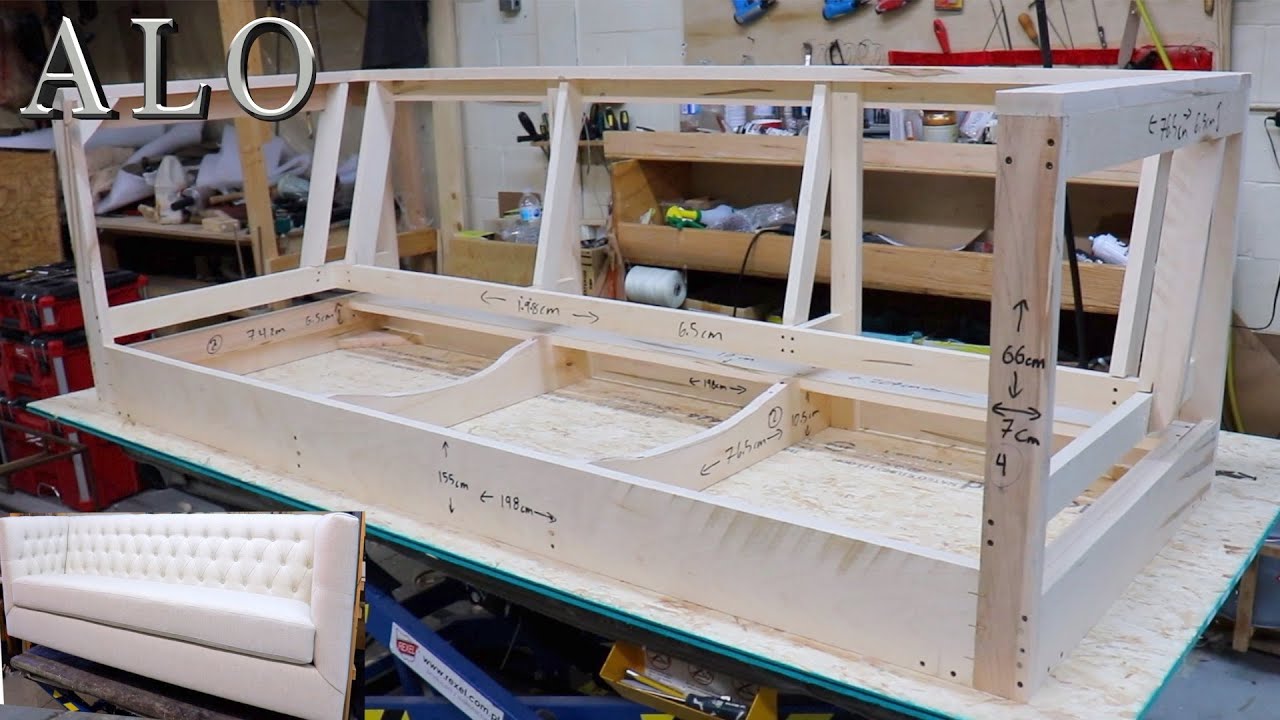
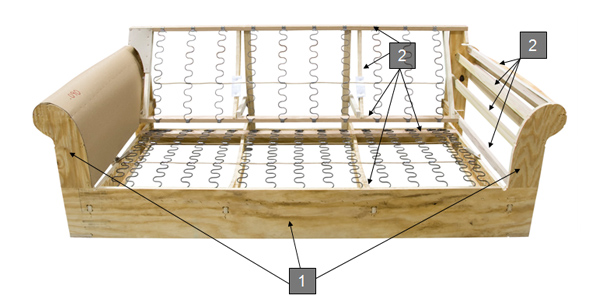
Sofa frames often use front and rear rails, side rails, seat supports, back supports, and corner blocks. The design must account for cushions, upholstery, and repeated sitting.
Chair frames
Chair frames need strong connections between the legs, seat rails, and back. They face repeated movement and forces from sitting and leaning.
Bed frames
Bed frames use side rails, end supports, slats, and sometimes a center rail with legs. Support needs depend on the bed size and the mattress system.
Table frames
Table frames often use legs, aprons, stretchers, and top supports. The design must also allow for wood movement when a solid wood top is used.
Cabinet frames
Cabinets may use side panels, rails, backs, and face frames. The structure must support shelves, doors, drawers, and stored items.
Sofa Frame Construction
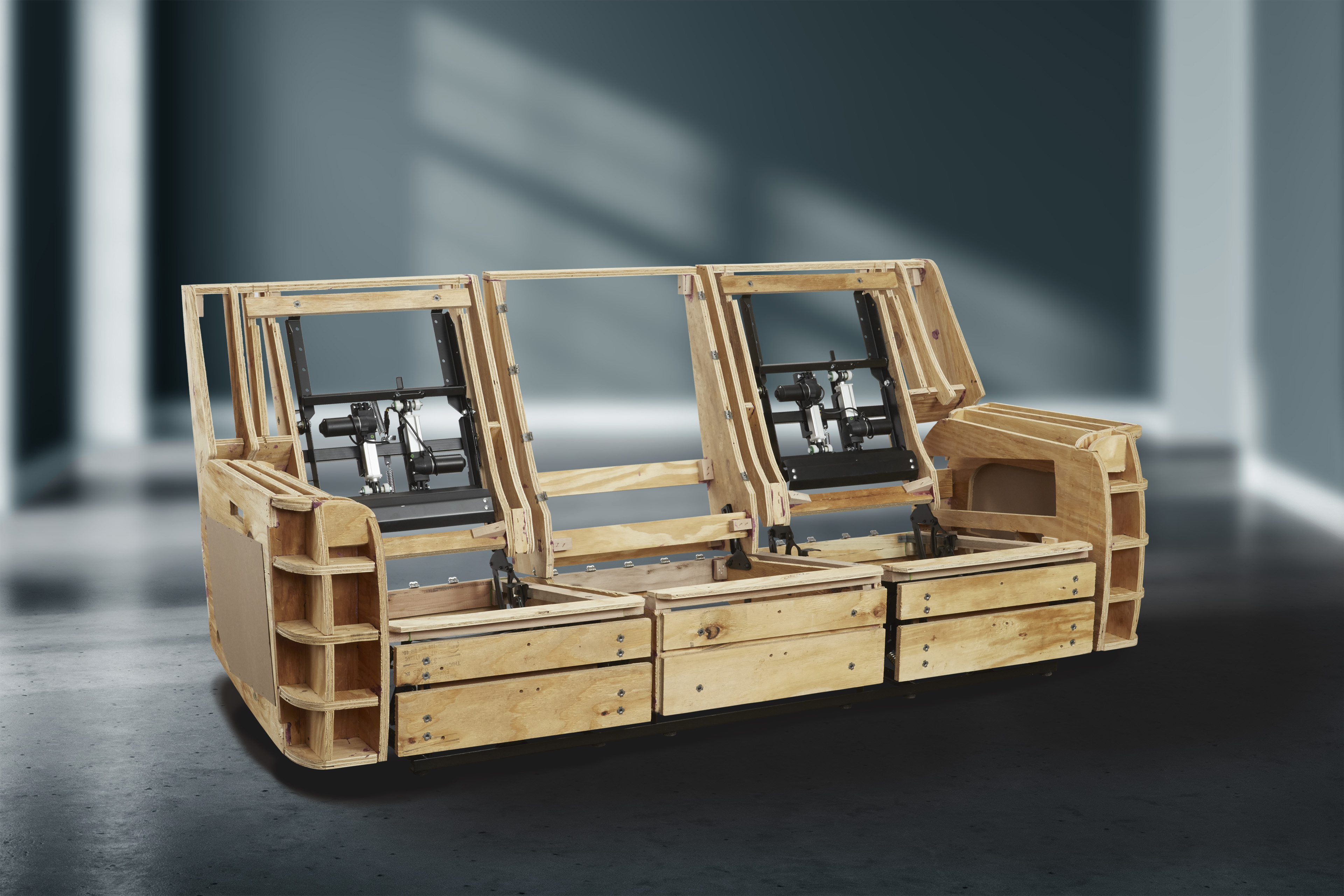
A sofa frame forms the base for the seat, arms, and back. It must support the cushions and the weight of people who sit on it. It also needs to hold its shape as people get on and off.
Many sofa frames use a mix of solid wood and plywood. Rails connect the main sides. Seat supports hold the cushion base. Back supports connect the rear structure. Corner blocks can reinforce selected joints.
The upholstery hides much of the frame, so inspection before covering is vital. Check every joint, support, and fastener. Make sure there are no sharp edges that could damage the fabric or foam.
Seat support
Plan the seat base and support spacing to suit the cushion and the frame design.
Arm structure
Connect the arms to the base and back with suitable support parts.
Back support
Build a firm rear structure that resists the force of leaning.
Chair and Table Frames
Chairs face repeated movement and changing force. Their legs and rails must stay connected during normal use. The back also needs a suitable connection because people often lean against it.
Tables face a different set of demands. Their legs carry the top and its contents. Their joints must resist side movement, especially when someone leans on the edge.
For both types, test the fit before final assembly. Check that all legs sit evenly on a flat surface. A frame that rocks on the floor may have uneven legs, a twisted structure, or a poor joint.
For chairs
Focus on leg-to-rail joints, back connections, and seat support.
For tables
Focus on leg alignment, apron joints, stretcher layout, and top attachment.
Bed and Cabinet Frames
A bed frame needs a support layout that suits the mattress and the bed size. Slats must fit the design. Some beds also use a center rail and support legs. Follow the frame design rather than guessing the number or spacing of supports.
A cabinet frame must hold its shape while supporting shelves, doors, and stored items. A back panel may help resist racking when it is designed and fixed for that role. Shelf supports must suit the shelf material and expected load.
For both furniture types, inspect the full structure before adding the finish parts. Check rails, panel connections, and support points. Make sure hardware can be installed without splitting the material.
For beds
Check side rails, slats, center supports, and floor contact.
For cabinets
Check panel joints, back support, shelf fixing points, and door alignment.
Common Furniture Frame Construction Mistakes
Most frame problems start before the final assembly. Poor measurements, weak material, bad joints, and missing supports can all reduce the life of furniture. Careful checks at each stage help prevent costly repairs.
A frame may look good after assembly but still have hidden problems. Loose joints, trapped stress, and uneven support can appear after regular use. Inspect the structure before adding panels, paint, stain, or upholstery.
Source: pinterest.com
Using poor-quality wood
Boards with splits, loose knots, or severe defects can fail near joints. Inspect the full board before cutting.
Making inaccurate cuts
Parts that are too short or uneven can leave gaps and pull the frame out of square.
Choosing the wrong joint
A joint that does not suit the load may loosen or fail during normal use.
Using too little support
Long rails and broad panels may bend or move if the design lacks suitable support.
Overtightening fasteners
Excess force can strip screw holes, crush soft material, or split wood.
Skipping the dry fit
This can leave alignment errors that become harder to fix after glue is applied.
Applying too much glue
Excess adhesive can make a mess and may affect the finish. Follow the product instructions.
Ignoring wood movement
A frame that does not allow for normal material movement may develop stress or cracks.
How to Fix a Loose Furniture Frame
Start by finding the source of the movement. Check whether the problem comes from a loose joint, damaged wood, a missing fastener, or an uneven floor. Do not add screws at random before you know what has failed.
If a joint is loose but the wood is sound, it may be possible to take it apart, clean the surfaces, and rebuild it with a suitable joint and adhesive. A damaged joint may need new wood or a repair block. The repair must restore the original support path.
If a leg is split or a load-bearing rail is cracked, stop using the furniture until it is repaired. A weak frame can fail without much warning. Large or complex repairs should go to a qualified furniture repair professional.
Find the source
Check the legs, rails, braces, and joints one by one.
Check for damage
Look for cracks, crushed wood, stripped holes, and signs of water damage.
Repair the cause
Restore the damaged joint or part instead of covering the problem.
Recheck stability
Inspect the repaired furniture before returning it to normal use.
Signs That a Frame Needs Repair
Listen for new creaks and clicks when the furniture moves under normal use. Look for gaps at joints, loose rails, cracks, or parts that no longer line up. These signs may point to a frame problem.
A sofa that sags may have a damaged support rail, worn seat support, or a problem with its springs or webbing. The cushion alone may not be the cause. Inspect the full support system before choosing a repair.
A chair that rocks may have uneven legs or a loose joint. A table that shifts may have weak rail connections or missing bracing. Stop using furniture that shows signs of serious structural damage.
New movement
The furniture rocks, twists, or shifts more than it did before.
Visible cracks
A leg, rail, support, or joint shows a split or break.
Joint gaps
Parts no longer meet as they should.
Furniture Frame Safety and Quality Checks
A safe frame needs sound materials, suitable joints, and careful assembly. The correct design depends on the furniture type and its intended use. A decorative frame should not be treated as a seat or bed support unless it was designed for that purpose.
Do not rely on a simple hand push as proof that furniture can carry a certain weight. It can help reveal loose joints, but it does not establish a safe load rating. Formal load limits need suitable design work and testing.
Follow the safety instructions for saws, drills, routers, clamps, and adhesives. Keep hands away from cutting paths. Secure the workpiece before cutting or drilling. Use dust control and protective gear that suit the material and task.
Source: baciamistupido.com
Inspect all joints
Look for gaps, splits, poor contact, loose fasteners, and glue failure.
Check frame alignment
Use a square and diagonal measurements to check the frame shape.
Check floor contact
Make sure the legs or base sit as intended and do not rock.
Check exposed edges
Remove sharp corners and rough edges that could damage people or upholstery.
Check hardware
Make sure screws, bolts, brackets, and fittings suit the material and design.
When to Seek Professional Help
Ask a qualified furniture maker or repair professional for help when a load-bearing part has cracked, a major joint has failed, or the frame has severe twisting. These problems may need new parts or a full rebuild.
Professional help is also useful for large sofas, beds, and chairs with complex support systems. The repair may involve springs, webbing, metal parts, or hidden joints. A small visible repair may not address the real cause.
Do not use damaged seating or sleeping furniture until the frame has been checked and repaired. This is especially important when a failure could cause a fall or injury.
Major cracks
A main leg, rail, post, or support has split.
Repeated joint failure
The same connection becomes loose again after repair.
Complex support systems
The furniture contains springs, webbing, metal fittings, or other parts that need specialist work.
How to Maintain a Furniture Frame
Good maintenance helps furniture stay stable. Keep wooden furniture in a dry indoor space with steady conditions where possible. Large changes in moisture can cause wood to expand or shrink.
Avoid placing furniture near strong heat sources or in areas where water can collect. Wipe spills soon after they happen. Use care when moving heavy furniture, as dragging it can stress legs and joints.
Check the frame from time to time. Look under sofas, chairs, beds, and tables for loose connections or new cracks. Early repairs are often easier than fixing a frame after a major failure.
Source: baciamistupido.com
Keep it dry
Clean spills quickly and avoid long exposure to moisture.
Move it with care
Lift furniture when practical instead of dragging it across the floor.
Check joints
Look for gaps, loose fasteners, and new movement.
Avoid excess load
Use furniture for its intended purpose and follow any stated load limits.
Repair early
Fix loose joints and damaged supports before the problem spreads.
Wood Movement and Indoor Conditions
Wood is a natural material. It takes in and releases moisture from the air. This can change its size and shape, mainly across the grain.
A frame must allow for this movement where needed. Wide solid wood panels often need a fixing method that lets them move. If they are locked too tightly, they may crack or push against the frame.
Stable indoor conditions can reduce large changes. Still, no home has the same moisture level all year. Good design must allow for normal seasonal changes rather than depend on a fixed room condition.
Use dry material
Start with wood that is suited to the expected indoor conditions.
Plan panel fixing
Allow wide solid wood panels to move where the design requires it.
Check for changes
Inspect joints and panels after major seasonal changes or water exposure.
Frequently Asked Questions
Q
What is the strongest type of furniture frame?
There is no single strongest frame for every furniture type. A well-designed hardwood frame with suitable joints and bracing can work well for many chairs, tables, and sofas. Plywood and metal can also work well when the material and design suit the job.
The full structure matters more than the material name alone. Joint quality, grain direction, support spacing, and expected load all affect performance.
Q
Which wood is best for furniture frames?
Oak, maple, ash, and beech are common hardwood choices for furniture frames. Pine can also work for many indoor projects when the design accounts for its properties. The best wood depends on the furniture type, budget, appearance, and expected use.
Choose sound, properly dried wood with suitable grain. Avoid boards with serious cracks, loose knots, or damage near important joints.
Q
Are plywood furniture frames strong?
Plywood can be strong and stable when its grade, thickness, support, and joint design suit the project. It is often used for furniture panels, seat bases, cabinet parts, and selected sofa frame components.
Not every plywood panel is suitable for every structural task. Check the material specification and the design before using it in a load-bearing part.
Q
How do I stop a furniture frame from wobbling?
First, find the cause of the movement. Check for uneven legs, loose joints, damaged rails, missing braces, and poor floor contact. A loose connection may need repair, while a twisted frame may need more extensive work.
Do not add random screws or blocks without checking the structure. Repair the failed joint or support and then check the frame again before normal use.
Q
Can I build a furniture frame without power tools?
Yes. Many simple furniture frames can be made with hand saws, chisels, hand drills, squares, measuring tools, and clamps. Hand tools can produce accurate work when used with care.
Power tools can save time, but they are not required for every project. Choose a design that matches your tools and skill. Always secure the workpiece and follow safe cutting methods.
✦ Wrapping Up
Conclusion
Furniture frame construction begins with a clear design and suitable materials. The frame must have the right parts, well-made joints, and enough support for its intended use. Accurate measurements and careful assembly help keep the structure square and stable.
The best results come from treating the frame as one connected system. Legs, rails, braces, panels, and joints must work together. A strong board cannot make up for a weak connection, and a thick frame cannot fix poor support.
Take time to plan the frame before cutting. Check every part, dry-fit the joints, and inspect the structure before adding upholstery or finish. If a major support part cracks or a joint fails, stop using the furniture until it has been repaired.
💡 Key Takeaway
Start your next furniture project with a measured drawing and a complete parts list. Choose sound materials, select joints that suit the load, dry-fit the frame, and check every corner for square before final assembly.