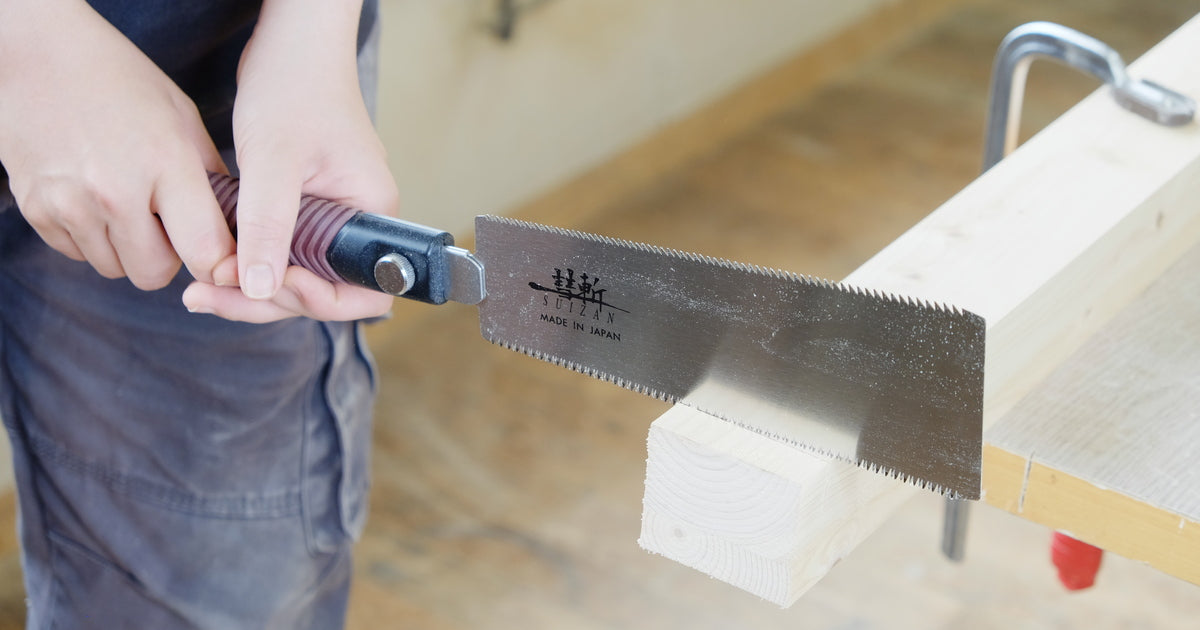
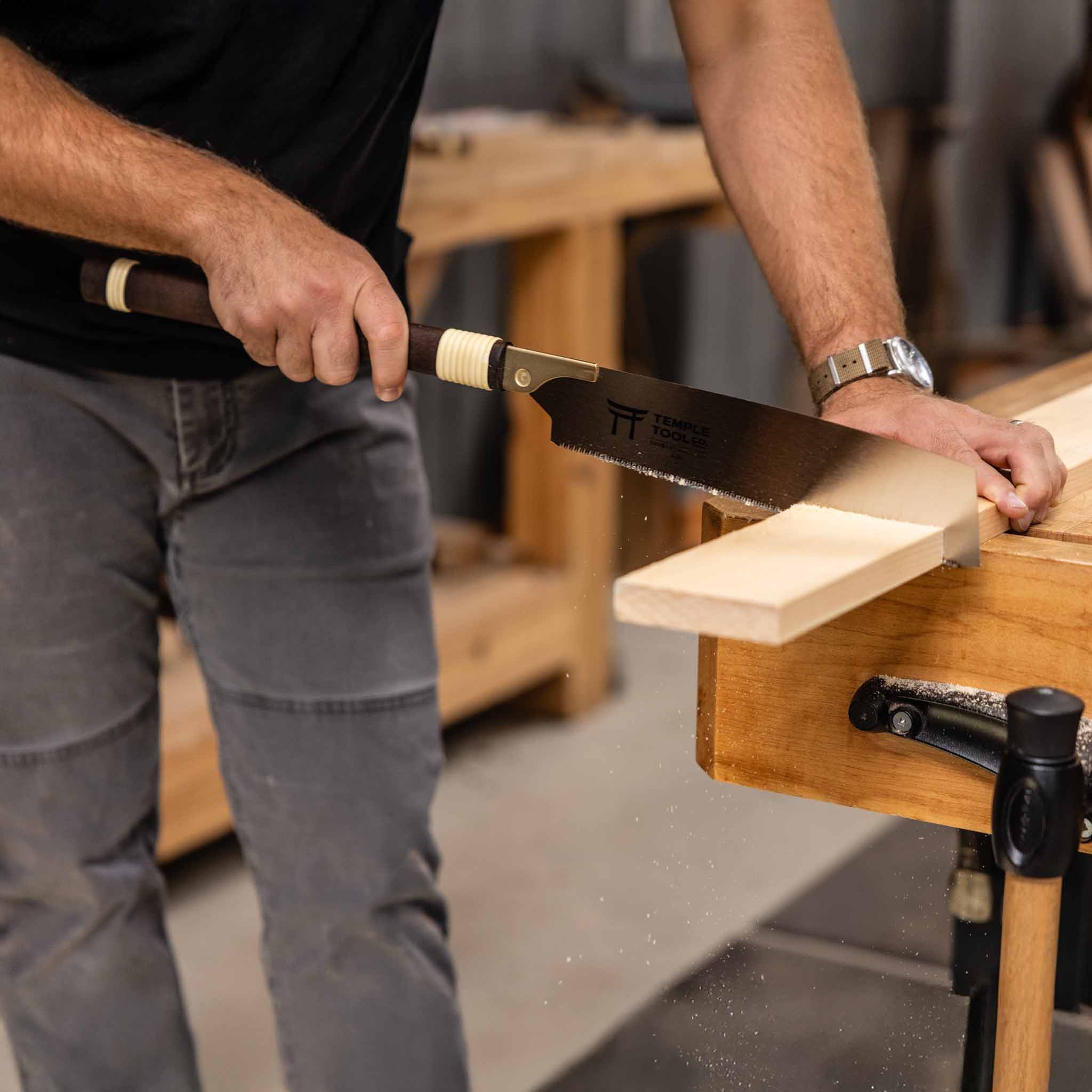
A pull saw technique uses a light pulling motion to guide a thin blade through wood with control and precision.
For American woodworkers, DIY builders, and carpenters, the pull saw technique is useful when a project requires clean cuts, narrow kerfs, and careful control. Unlike many traditional Western hand saws that cut on the push stroke, pull saws remove material when the blade is drawn toward the user.
The main advantage comes from the blade being placed under tension during the cut. This allows many pull saws to use thinner blades that can follow marked lines accurately. Good results depend less on force and more on steady positioning, correct blade selection, and letting the teeth do the cutting.
Source: suizan.net
What Is a Pull Saw Technique?
A pull saw technique is a woodworking cutting method where the saw blade cuts as it moves toward the user. The user guides the blade along a marked line while applying controlled pulling force instead of pushing the blade forward.
Most pull saws are associated with Japanese woodworking tools, including Ryoba, Kataba, and Dozuki saws. These saws have different blade designs, tooth patterns, and intended uses, but they share the same basic pulling action.
Source: leevalley.com
Pull stroke cutting
The blade works under tension, allowing a thinner profile that can reduce wandering during precise cuts.
Thin kerf advantage
A narrow cut removes less material and can leave a cleaner finish when the saw is used correctly.
Control over force
The technique relies on alignment and steady movement rather than heavy pressure.
How Pull Saws Differ From Push Saws
Push saws must resist compression forces during the cutting stroke, while pull saw blades are tensioned as they cut. This difference allows pull saws to use flexible, thin blades that are effective for detailed woodworking tasks.
Pull saw
Cuts toward the user with a thinner blade and emphasis on precision.
Push saw
Cuts away from the user and often uses a stiffer blade for heavier cutting.
How to Perform the Pull Saw Technique Step by Step
Successful pull saw cuts begin before the first stroke. A stable workpiece, visible cutting line, and comfortable stance make the blade easier to control.
The goal is to create a consistent kerf that guides later strokes. Avoid trying to remove wood quickly because excessive pressure can cause the blade to flex or leave the intended path.
Source: templetoolco.com
Step 1: Prepare the workpiece
Clamp the wood securely and mark the cutting line clearly on the surface and edges when possible.
Step 2: Position the saw
Place the teeth at the start of the line and hold the saw at a comfortable angle where you can see the cut.
Step 3: Start with short strokes
Use gentle pulling motions to establish the cut before increasing the stroke length.
Step 4: Maintain a steady rhythm
Allow the teeth to cut naturally and avoid forcing the blade downward.
Step 5: Finish carefully
Reduce pressure near the end of the cut to prevent splintering or tearing.
Signs Your Technique Is Working
A successful pull saw cut usually produces a straight kerf, consistent sawdust, and smooth blade movement. The saw should move without excessive resistance or vibration.
Clean kerf
The cut line remains close to the marked path without large deviations.
Smooth movement
The blade travels freely without sticking or requiring strong force.
Choosing the Right Pull Saw for the Task
Different pull saw designs are made for different woodworking tasks. Selecting the correct saw helps match the tooth pattern, blade shape, and flexibility to the job.
A beginner often benefits from understanding the three common styles before buying or using a pull saw.
Source: stier.de
Ryoba saw
A double-edged saw with different tooth patterns for rip cuts along the grain and crosscuts across the grain.
Kataba saw
A single-edged saw often used for general cutting where deeper blade reach is helpful.
Dozuki saw
A backed pull saw designed for precise joinery and fine woodworking cuts.
Pull Saw Selection Factors
Consider the material thickness, grain direction, desired finish, and whether the cut requires speed or precision. Fine teeth are generally suited to cleaner finishing work, while coarser teeth can remove material faster.
Fine teeth
Better suited for delicate joinery, trim work, and finish cuts.
Coarse teeth
Useful when faster material removal is more important than surface finish.
Common Pull Saw Technique Mistakes and How to Fix Them
Many pull saw problems come from using too much force or allowing the blade to drift before a proper cutting groove is established. Most issues can be corrected by improving setup and reducing pressure.
Source: mbmega.pl
Blade wandering
Cause: starting too aggressively or losing sight of the cutting line. Fix: begin with shorter strokes and maintain alignment.
Saw binding
Cause: the workpiece moves or the cut closes around the blade. Fix: clamp the material and check blade angle.
Rough surface finish
Cause: wrong tooth type or excessive pressure. Fix: select a suitable blade and allow the teeth to work.
Uneven cuts
Cause: poor stance or inconsistent movement. Fix: position your body behind the cut line and use smooth strokes.
Safety Boundaries When Using Pull Saws
Hand saws are generally low-risk tools when used carefully, but sharp teeth can cause injuries. Keep hands away from the cutting path, secure the material, and avoid rushing the final strokes.
Secure materials
A stable workpiece reduces sudden movement and improves control.
Protect hands
Keep fingers clear of the blade path and maintain a controlled grip.
Frequently Asked Questions
Q
Is a pull saw easier for beginners to use?
Many beginners find pull saws easier to control because the pulling motion keeps the blade under tension. However, good results still require practice with alignment, pressure, and body position.
Q
Can a pull saw cut hardwood?
Yes, a pull saw can cut hardwood when the blade type and tooth pattern match the material. Dense woods may require slower strokes and a suitable saw designed for harder materials.
Q
Why does my pull saw bend while cutting?
Pull saw blades are often thinner and more flexible than push saw blades. Bending usually happens when too much sideways pressure is applied or when the saw is forced instead of guided.
Q
Should I push a pull saw during cutting?
A small amount of positioning pressure is normal, but the cutting action should come mainly from pulling. Pushing hard can reduce accuracy and increase the chance of blade damage.
Q
How do I maintain a pull saw?
Keep the blade clean, store it where teeth are protected, and replace blades when they become dull if the design uses replaceable blades. Avoid using the teeth for materials they were not designed to cut.
✦ Wrapping Up
Conclusion
The pull saw technique is based on controlled pulling strokes, careful alignment, and letting sharp teeth remove material without excessive force. When used correctly, pull saws can produce accurate cuts for woodworking, joinery, and detailed projects.
The best results come from matching the saw type to the task, securing the workpiece, and practicing consistent movement. Precision improves through technique rather than speed.
💡 Key Takeaway
Start with scrap wood, practice light pulling strokes along a marked line, and focus on control before increasing cutting speed.