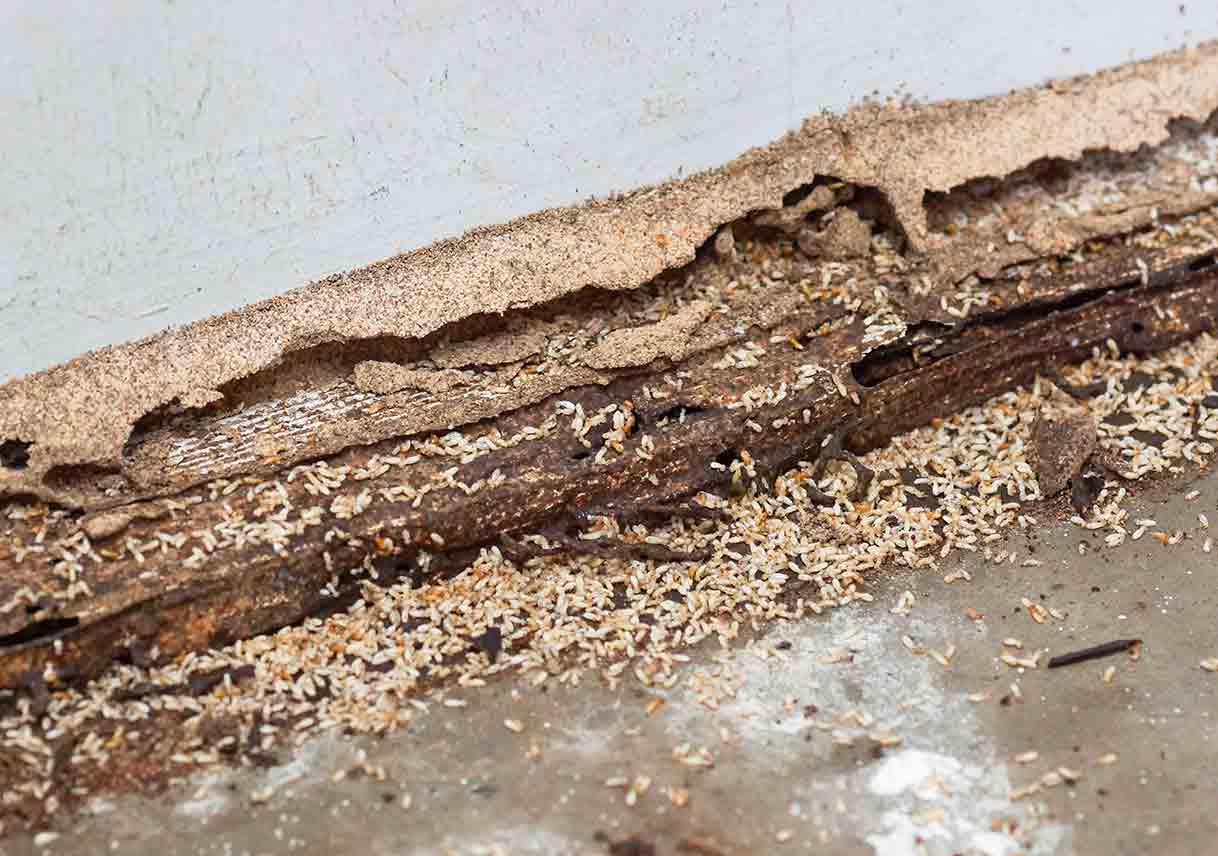
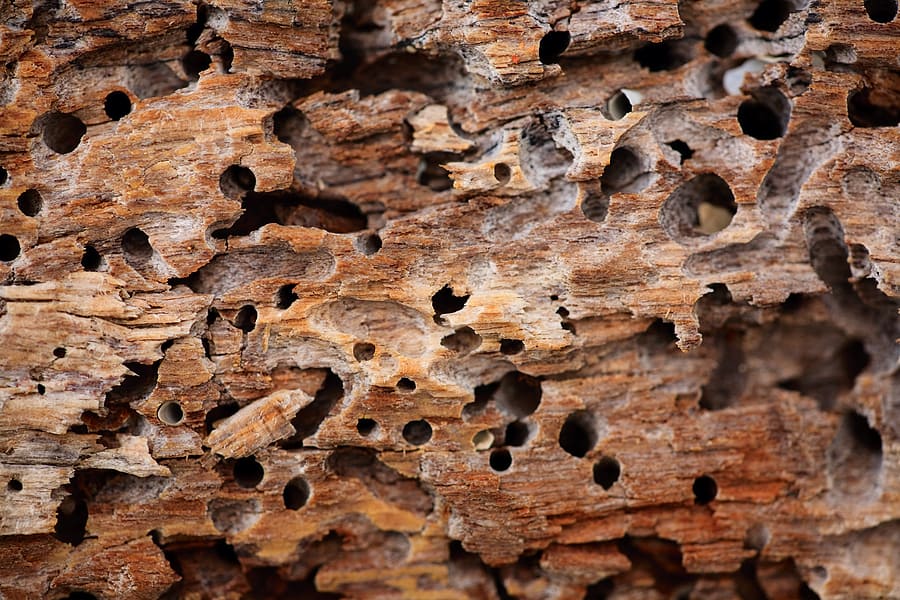
Termite damage to wood happens when termites eat the cellulose inside wood. They create hidden tunnels and hollow spaces. The surface may look normal while the inside loses strength. Look for mud tubes, hollow sounds, soft spots, tiny holes, and discarded wings. A professional inspection can confirm the damage and whether termites remain active.
Termite damage is a serious concern for homeowners across the United States. These insects can attack floor joists, wall studs, roof supports, doors, window frames, decks, and wooden furniture. They feed on cellulose, which is found in wood and many paper-based materials. A small sign near a foundation can point to a much larger problem behind a wall.
Different termite types attack wood in different ways. Subterranean termites live mainly in soil and often reach buildings through mud tubes. Drywood termites can live inside dry timber without a soil connection. Dampwood termites prefer wet or decaying wood. These differences matter because the signs, risks, and treatment methods can vary.
The most useful first step is to inspect the wood and nearby areas without causing more damage. Look for changes in texture, sound, color, and shape. Also check for insect wings, mud trails, and small piles of pellets. Do not assume that old-looking damage means the colony is gone.
This guide explains how termite damage develops, how to recognize it, and how to judge its possible effect on a home. It also covers the difference between termite damage and wood rot, repair choices, prevention, and the point when a licensed pest control professional or qualified building expert should step in.
Source: woodworkingadvisor.com
What Is Termite Damage To Wood?
Termite damage is the loss of wood caused by termites feeding on its cellulose. Cellulose is a natural material that forms part of plant cell walls. It gives wood much of its structure. Termites can break it down with help from microbes in their digestive systems.
As termites feed, they make narrow paths and larger chambers inside the wood. These spaces are called galleries. They may follow the natural grain of the timber. Some galleries contain soil, mud, or waste material. Others look clean and smooth.
The main problem is that termite damage can remain hidden. A painted board may look sound from the outside. Yet its inner section may be weak and hollow. This makes termite activity a risk for furniture and building parts alike.
Termites do not always eat a board from one side to the other. Some species leave thin layers of wood near the surface. This can make an infested board look much stronger than it really is.
Source: storage.googleapis.com
Loss of wood strength
Termites remove wood from the inside. This can weaken boards, supports, and joints.
Hidden feeding galleries
Small tunnels can spread through a board without making a clear hole on the surface.
Damage to nearby materials
Termites can also feed on cardboard, paper, and the paper covering of drywall.
Long-term building risks
Severe damage to key supports may lead to sagging floors, loose frames, or other structural problems.
Why Do Termites Eat Wood?
Wood contains cellulose, which provides food for termites. Worker termites collect and digest this material. Other members of the colony depend on the food they bring back.
Termites often prefer wood that is easy to reach. Soil contact, leaks, poor drainage, and damp spaces can make a building more open to attack. Still, drywood termites can infest dry and sound timber.
Food source
Wood, paper, and other materials that contain cellulose can provide food.
Moisture needs
Many termite species need a moist environment. Leaks and damp crawl spaces can support their activity.
Can Termites Damage Strong Hardwood?
Yes. Hardwoods are not fully safe from termites. Some types may be less attractive or harder to feed on than others, but termites can still attack them. The risk depends on the termite species, wood type, moisture, and access.
A strong oak floor, hardwood door, or timber frame should not be treated as termite-proof. A coating may slow access in some cases, but it does not guarantee protection.
Common Signs of Termite Damage to Wood
The most useful signs are changes in the wood and evidence of termite movement nearby. One sign alone may not confirm an active infestation. Several signs together make the need for a closer inspection stronger.
Start with exposed wood near the foundation, crawl space, basement, garage, and areas with past leaks. These places can provide easy access or favorable conditions. Use a flashlight and look closely at corners, joints, and hidden edges.
Do not cut into walls or remove large sections of wood just to look for termites. A professional can use suitable tools to inspect hidden areas with less risk of damage.
Source: castleconstruction.contractors
Hollow-sounding wood
Wood with internal galleries may make a dull or hollow sound when tapped lightly. Compare it with nearby wood that appears sound.
Soft or weak surfaces
Damaged wood may feel soft or give way under light pressure. Do not use force on a beam or support to test it.
Mud tubes
Subterranean termites build narrow shelter tubes from soil and other material. These may run along foundations, walls, and wooden supports.
Discarded wings
Winged termites may shed their wings after a swarm. Look near windows, doors, and indoor lights.
Tiny holes and pellets
Drywood termites may push waste pellets through small openings in the wood. Small holes with piles of dry pellets deserve inspection.
Blistered paint or wood
Some damaged areas look swollen, rippled, or blistered. Moisture can cause similar changes, so check for other signs.
Hollow Sounds and Hidden Tunnels
Hollow sounds are a common clue. Termites remove wood from inside a board and leave empty spaces. When tapped, the damaged section may sound different from the solid wood around it.
A hollow sound does not prove termite activity. Old repairs, gaps, and other forms of decay can also change the sound. A trained inspector can check the area and look for feeding galleries.
Subterranean termites often feed along the wood grain. They may leave thin, unbroken layers near the surface. This is one reason visual checks alone may miss damage.
Mud Tubes on Wood and Foundations
Mud tubes are one of the clearest signs of subterranean termite activity. They protect termites as they travel between their colony and a food source. The tubes can appear on concrete, brick, foundation walls, and timber.
A tube may contain live workers when it is active. However, an empty tube does not prove that the colony is gone. Termites can leave one path and use another. Do not rely on breaking a tube as a method of control.
Check the foundation
Look along cracks, corners, utility openings, and areas where soil meets the building.
Check the crawl space
Look at support piers, floor joists, and the underside of the floor system.
Check wooden posts
Inspect deck posts, porch supports, fence posts, and timber that touches soil.
Termite Droppings and Small Holes
Drywood termites often leave small, hard pellets near their feeding areas. These pellets may collect below tiny holes in wood. Their color can vary with the type of wood and the age of the waste.
The pellets may look like fine sand or sawdust at first glance. Yet termite pellets are usually firm and have a more regular shape. Wood-boring beetles can also leave powder or pellets, so a pest specialist should confirm the source.
Save a sample
If you find pellets, place a small amount in a clean container for possible identification.
Photograph the location
Take clear photos of the holes and nearby piles before cleaning the area.
Types of Termites and the Damage They Cause
The type of termite changes how wood damage looks and where an inspector should search. In the United States, three major groups that affect buildings are subterranean, drywood, and dampwood termites.
Their range differs by climate and region. Subterranean termites occur across much of the country. Drywood termites are a greater concern in warmer regions, including parts of the South and Southwest. Dampwood termites are often linked to very moist wood.
Correct identification matters because a treatment that works for one type may not solve another type of infestation. A pest professional should identify the termite before choosing a control plan.
Source: termicuretermitebaits.com.au
Subterranean termites
These termites live mainly in soil and often enter buildings through mud tubes, cracks, or hidden openings.
Drywood termites
These termites live inside dry wood and do not need a direct connection to soil.
Dampwood termites
These termites prefer wet or decaying wood and often point to a moisture problem.
Subterranean Termite Damage
Subterranean termites build colonies in the soil. Workers travel through protected paths to reach wood in a building. They may build mud tubes over foundation walls, support piers, and other surfaces.
Their galleries often follow the grain of the wood. They may leave mud or soil inside the tunnels. In some cases, only a thin layer of wood remains near the surface.
These termites can attack sill plates, joists, studs, and other parts of a building. The damage may remain hidden behind drywall, flooring, or insulation.
Drywood Termite Damage
Drywood termites live and feed inside dry timber. They can infest furniture, door frames, window frames, roof timbers, and stored lumber. They do not need to build a mud tube from the soil.
Their galleries can spread through the wood and remain hidden for a long time. Small kick-out holes may appear where termites push out their waste pellets. A pile of pellets below a wooden item is a useful warning sign.
A drywood termite problem may affect one piece of furniture or several parts of a building. The treatment must match the size and spread of the infestation.
Dampwood Termite Damage
Dampwood termites prefer wood with a high moisture level. They may attack timber near roof leaks, plumbing leaks, poor drainage, or direct soil contact. Their presence can point to a water problem that needs repair.
The galleries may be large and open. The wood may already show signs of decay. Dampwood termite activity and fungal wood rot can occur in the same area, which makes a careful inspection useful.
How to Tell Termite Damage From Wood Rot
Termite damage and wood rot can both make timber weak, soft, or discolored. They are different problems, though. Termites are insects that feed on cellulose, while wood rot is caused by fungi that break down wood.
The distinction matters because the repair plan changes. Termite damage calls for pest control and an assessment of the remaining wood. Wood rot calls for moisture control and removal or repair of decayed material. Some buildings have both problems at once.
Look for the pattern of damage rather than relying on color alone. Termite galleries may follow the grain and contain soil or mud. Rot often causes a change in the wood’s texture and may make it crumble, split, or lose its normal shape.
Source: storage.googleapis.com
Termite galleries
Termite-damaged wood may contain narrow tunnels, hollow spaces, and mud-lined passages.
Fungal decay
Rot may cause wood to become soft, crumbly, stringy, cracked, or brittle.
Small waste pellets
Drywood termite pellets may collect beneath small holes. Wood rot does not create these pellets.
Mud shelter tubes
Mud tubes near wood are a strong clue of subterranean termites. They are not a normal sign of fungal decay.
How Does Wood Rot Look?
Wood rot often starts where moisture remains for a long time. Common places include leaking roofs, wet basements, damp crawl spaces, and wood near damaged gutters. The surface may darken or become soft.
Brown rot can make wood crack into cube-like pieces. White rot can make wood look pale or stringy. Soft rot can affect wood that stays wet for long periods.
These patterns are useful clues, but they do not replace an inspection. The type and extent of decay can vary with the wood, moisture level, and fungi involved.
Can Termites and Wood Rot Occur Together?
Yes. A leaking pipe or poor drainage can cause wood to stay wet. That moisture may support fungal decay and also create conditions that attract some termite species.
Repairing the leak alone will not remove an established termite colony. Treating the termites alone will not stop ongoing wood decay. Both causes need attention before the wood can be repaired properly.
A Simple Comparison
The table below shows common differences. These are inspection clues, not a final diagnosis. Some signs overlap, especially when moisture and insect damage occur together.
Termite damage
Often has hidden galleries, grain-following tunnels, mud deposits, small kick-out holes, or termite pellets.
Wood rot
Often has soft, crumbly, cracked, or stringy wood linked to long-term moisture.
Shared signs
Both may cause weak wood, surface changes, and damage near leaks or damp areas.
Where to Look for Termite Damage in a Home
Termites can attack many parts of a home, but some areas deserve more attention. Start where wood meets soil, where moisture collects, and where hidden timber supports the building.
A careful visual inspection can reveal warning signs before a problem becomes obvious indoors. Use a flashlight and inspect areas that are safe to reach. Do not enter a damaged crawl space or climb onto an unsafe roof.
Remember that termites can travel behind surfaces. A clean wall does not prove that the wood inside it is free from damage.
Source: woodworkingadvisor.com
Foundation and sill plates
Check for mud tubes, wood-to-soil contact, and damage near the bottom of exterior walls.
Crawl spaces
Look at floor joists, support posts, and areas with poor airflow or standing water.
Basements
Check wooden frames, exposed beams, stored cardboard, and areas near plumbing.
Doors and windows
Inspect lower frames, sills, trim, and corners for soft wood or unusual surface changes.
Roof and attic
Look for leaks, damaged roof timbers, and signs of insects near wooden supports.
Decks and porches
Check posts, steps, railings, and boards near soil or wet ground.
Inspect Floor Joists and Beams
Floor joists and beams carry important loads. Termite damage in these parts can affect the safety and strength of a floor. Watch for sagging, unusual movement, cracks, and hollow areas.
Do not remove a large section of a beam to inspect it. A structural professional can assess the remaining wood and decide whether support or replacement is needed.
Inspect Furniture and Cabinets
Termites can attack wooden beds, tables, cabinets, shelves, and other furniture. Drywood termites are a particular concern because they can live inside dry furniture without a soil connection.
Check the underside, joints, legs, back panels, and areas hidden against walls. Look for small holes, dry pellets, soft spots, and loose joints. Keep suspect items away from other wooden furniture until they have been inspected.
How to Inspect Wood for Termite Damage
A basic home inspection can help you spot warning signs. It cannot confirm that every hidden area is clear. The goal is to record what you see and decide whether a professional inspection is needed.
You only need a few simple items for a safe visual check. Use a flashlight, a phone or camera, and a notepad. A small mirror may help you see behind exposed pipes or around tight corners.
Avoid drilling, cutting, or removing wood during the first check. Do not probe a floor joist, roof support, or other load-bearing part. A small test can cause more damage if the wood is already weak.
Source: woodworkingadvisor.com
Flashlight
Helps reveal mud tubes, holes, pellets, and dark areas.
Camera
Records the location and appearance of signs for later review.
Notepad
Helps record dates, room names, moisture sources, and changes.
Protective gear
Use suitable gloves and a dust mask when inspecting a dusty area, but avoid entering unsafe spaces.
Step 1: Check the Outside of the Building
Walk around the home and look at the foundation, siding, porch, deck, and exposed wood. Pay close attention to places where soil, mulch, or plants touch the building.
Look for mud tubes, damaged wood, and moisture near the foundation. Check downspouts and gutters for signs that water collects close to the house.
Step 2: Inspect Exposed Indoor Wood
Look at baseboards, door frames, window frames, cabinets, and exposed support timbers. Check for small holes, loose paint, unusual cracks, and areas that appear swollen or weak.
Compare suspect wood with nearby wood of the same type. Differences in sound or texture may help you locate an area that needs closer attention.
Step 3: Look for Termite Evidence
Search for mud tubes, live insects, discarded wings, and dry pellets. Take photos before moving or cleaning anything. Record the exact location of each sign.
If you find a mud tube, do not assume that removing it will stop the colony. Termites may build another route. A pest control professional should check the source and extent of activity.
Step 4: Check for Moisture Problems
Look for plumbing leaks, roof leaks, wet insulation, poor drainage, and standing water. Moisture may help explain why termites or fungal decay are present.
Fixing a leak is useful, but it does not replace termite treatment. Record both the insect signs and the water problem so the right work can be planned.
Step 5: Arrange a Professional Inspection
Call a licensed pest control professional if you find mud tubes, live termites, termite pellets, or damaged structural wood. Ask for a written inspection report that explains the evidence and likely extent of the problem.
If a beam, post, joist, or other support may be weak, ask a qualified structural professional to assess it. Pest control and structural repair are separate tasks, and both may be needed.
How Serious Is Termite Damage to Wood?
The seriousness of termite damage depends on the location, amount of wood removed, and role of the damaged part. A damaged decorative trim board may be a small repair. A damaged floor joist or roof support can create a major safety concern.
Termites do not need to destroy an entire board to make it unsafe. A narrow section of remaining wood may not have enough strength to carry its normal load. The outside appearance alone cannot show how much strength remains.
Damage can also spread beyond the first visible area. Termites may travel inside walls, under flooring, and through hidden spaces. An inspection should look beyond the spot where the first sign appeared.
Source: woodworkingadvisor.com
Low concern
Small damage to a non-structural item, such as a loose trim piece, may need limited repair after pest control.
Moderate concern
Damage to door frames, window frames, cabinets, or multiple boards may need broader inspection and replacement.
High concern
Damage to beams, joists, roof supports, load-bearing studs, or foundation-related timber needs prompt professional assessment.
Signs of Possible Structural Damage
Some signs suggest that termite damage may affect a building’s strength. These signs do not identify the cause by themselves, but they should never be ignored.
Stop using an unsafe area if a floor feels unstable or a support appears close to failure. Keep people away until a qualified professional has checked the structure.
Sagging floors
A floor that dips or feels unusually weak may have damaged joists or other support problems.
Loose support posts
A post with hollow or badly damaged sections may no longer provide safe support.
Cracked or weak beams
Large cracks, missing wood, and unusual movement need a structural review.
Doors and windows out of alignment
Changes in frame shape may result from wood damage, moisture, settlement, or other building problems.
Can Termite Damage Make a House Unsafe?
Yes, severe damage to load-bearing wood can make part of a house unsafe. The risk depends on how much material has been lost and how the building carries its loads.
There is no reliable way to judge this from a photo or a surface check alone. A structural professional should assess serious damage and specify the repair needed.
How to Repair Termite-Damaged Wood
Repairing termite-damaged wood starts with stopping the infestation. Replacing a damaged board while termites remain active may leave the problem in place. The colony can continue feeding on nearby wood.
The right repair depends on the part, the extent of damage, and the amount of sound wood that remains. A small decorative item may need a simple replacement. A structural member may need engineered reinforcement or full replacement.
Do not cover damaged wood with filler, paint, or a new panel before the pest problem is addressed. Such work can hide warning signs and make later inspection harder.
Source: castleconstruction.contractors
Stop termite activity
Have the termite type and infestation assessed, then complete a suitable treatment plan.
Fix moisture sources
Repair leaks, drainage problems, and other conditions that keep wood wet.
Assess the wood
Determine which parts are sound, damaged, or too weak to remain in place.
Choose the right repair
Replace or reinforce wood based on its use and the advice of a qualified professional.
Inspect the repair
Check that the repaired area is sound and that termite monitoring continues.
When Should Damaged Wood Be Replaced?
Replace wood when it has lost too much material, has weak joints, or cannot safely perform its intended job. This often applies to badly damaged trim, floorboards, posts, and structural members.
A replacement should match the required size, strength, and intended use. For structural work, the repair must follow an appropriate design and local building rules.
Do not decide that a beam is safe because some wood remains around a termite gallery. A structural assessment should determine whether the remaining section can carry the load.
When Can Wood Filler or Epoxy Be Used?
Wood filler and repair epoxy may help with small, non-structural defects. They can fill holes, chips, and minor surface damage after the pest problem has been controlled and the wood is dry and sound.
These materials do not restore every lost structural property. They should not be used as a substitute for replacing a badly damaged beam, joist, or support post.
Choose a repair material that suits the wood, location, and final finish. Follow its instructions for surface preparation, mixing, curing, and ventilation.
Use filler for small surface defects
Suitable for limited cosmetic damage in non-structural wood.
Use epoxy for suitable repairs
Some repair epoxies can restore small damaged areas when the wood is sound enough to support the repair.
Replace badly damaged timber
Deep galleries, weak joints, and major material loss often require replacement or a designed reinforcement method.
How Is Structural Wood Repaired?
Structural repair may involve replacing a damaged member or adding a designed support. The method depends on the location, load, building design, and amount of sound material left.
A contractor may need to support the area before removing a damaged beam or joist. This work must be planned to prevent movement or collapse during the repair.
A structural engineer or other qualified building professional can specify the required repair. Follow local permit rules and use a contractor with suitable experience.
What Should You Do After Repair?
Keep the repaired area open to inspection where practical. Do not hide it behind new panels until the pest professional confirms the treatment and the repair team has finished its work.
Keep records of the treatment, repair materials, replaced members, and inspection dates. These records can help with future maintenance and property transactions.
Keep treatment records
Save the inspection report, treatment details, warranty terms, and follow-up dates.
Monitor repaired areas
Watch for new mud tubes, pellets, wings, or changes in the wood.
Maintain dry conditions
Check gutters, pipes, drainage, and crawl-space ventilation on a regular basis.
How to Prevent Future Termite Damage
The best way to reduce termite risk is to remove easy access to wood and control moisture around the building. No single step can guarantee that termites will never enter a home. A group of simple measures can make the property less attractive and easier to inspect.
Focus on the foundation, crawl space, gutters, plumbing, and outdoor wood. These areas often reveal the conditions that support termite activity. Keep the area around the home clear enough to spot new signs.
Prevention also includes regular professional inspections when the property has a history of termites or other risk factors. Follow the inspection schedule recommended for your area and treatment plan.
Source: woodworkingadvisor.com
Keep wood away from soil
Avoid direct contact between untreated structural wood and soil. Use suitable construction details for posts, decks, and fences.
Fix leaks quickly
Repair roof leaks, plumbing leaks, and damaged flashing before water reaches structural wood.
Improve drainage
Keep water moving away from the foundation and direct downspouts away from the building.
Remove wood waste
Clear scrap lumber, buried wood, and unwanted wood piles from areas near the home.
Maintain ventilation
Keep crawl spaces and other enclosed areas dry and properly ventilated.
Schedule inspections
Arrange suitable inspections and keep written records of any findings.
Control Moisture Around the Foundation
Water near the foundation can increase the risk of termite activity. Check that gutters are clear and that downspouts move water away from the home. Look for soil that slopes toward the foundation.
Repair dripping outdoor faucets and leaking pipes. Do not allow sprinkler systems to soak exterior walls or wooden posts. Remove standing water when it appears.
Keep the Yard Clear
Wood piles, old fence posts, tree stumps, and buried scrap timber can provide food for termites. Keep stored firewood away from the house and raised off the ground where practical.
Trim plants so they do not hide the foundation. Avoid piling mulch or soil against siding and other wooden parts. Keep inspection areas visible.
Use Suitable Building Materials
Some wood products are treated to resist insect attack. Certain naturally durable woods may also offer better resistance in suitable uses. However, no ordinary wood should be assumed to be completely termite-proof.
Use materials approved for their intended location. Follow the required treatment, installation, and maintenance instructions. Keep untreated cut ends protected when the product instructions require it.
Maintain a Termite Inspection Record
Keep a simple record of inspection dates, visible signs, repairs, and treatment work. Photographs can help show whether a crack, tube, or damaged board has changed over time.
A record is useful because there is no reliable way to date most termite damage from its appearance alone. Knowing when an area was last confirmed sound can help a professional judge later changes.
Common Mistakes When Dealing With Termite Damage
A termite problem can lead to rushed repairs and poor treatment choices. Some mistakes hide the evidence without removing the cause. Others can put people or the building at risk.
The safest approach is to identify the pest, confirm the extent of damage, and plan treatment before closing or replacing the affected area. Ask for clear records of the work and follow-up checks.
Source: woodworkingadvisor.com
Painting over damaged wood
Paint may hide surface clues, but it does not remove termites or restore lost strength.
Filling every hole with putty
Filler cannot replace missing structural wood or control an active colony.
Removing mud tubes and stopping there
Termites may build new tubes or use hidden paths. Removing a visible tube is not a treatment.
Assuming dry wood is termite-free
Drywood termites can live inside dry timber without a soil connection.
Using household spray as the main treatment
A surface spray may kill insects it reaches, but it may not control the hidden colony.
Replacing wood before treating termites
New wood may also be attacked if the infestation remains active.
Ignoring a moisture source
A repaired board may decay again if the leak or drainage problem continues.
Why DIY Termite Treatment May Fail
A visible insect is only one part of a termite colony. Workers may travel through hidden tunnels and reach wood far from the place where the insects were found.
Some professional treatments need special equipment and careful application around foundations or inside structural spaces. A wrong treatment can leave parts of the colony untouched.
Use pesticides only when they are registered for the intended use. Follow the label and local rules. Do not mix chemicals or apply a product to areas not listed on its label.
Why You Should Not Ignore Old Damage
Old termite galleries can remain in wood long after treatment. Their appearance alone cannot show when the termites were active or whether the building has since been treated.
A professional should review old damage when a home is being bought, sold, renovated, or repaired. Ask for past treatment records when they are available.
When to Call a Termite Control Professional
Call a qualified pest control professional when you find live termites, mud tubes, drywood termite pellets, or clear termite damage. A professional can identify the likely termite group and inspect areas that are difficult to reach.
Choose a provider who explains the evidence, treatment method, limits, and follow-up plan. Ask whether the treatment is intended for subterranean or drywood termites and what monitoring will be needed.
If the damage affects a structural part, also contact a qualified building professional. Pest treatment does not prove that a beam or joist is still safe. The structural condition must be assessed separately.
Live termites indoors
Live workers or a swarm inside the home call for prompt inspection.
Mud tubes on the building
These may indicate subterranean termites and need a closer check.
Widespread damage
Several damaged areas may point to a larger infestation or hidden routes.
Structural warning signs
Sagging floors, weak beams, loose posts, or damaged supports need urgent assessment.
Repeated termite activity
New signs after treatment may mean that more inspection or follow-up work is needed.
Questions to Ask Before Treatment
A clear treatment plan should explain what the inspection found and how the provider plans to address it. Ask for details in writing before agreeing to major work.
Compare the scope of the proposed work rather than choosing only by price. A low-cost plan may not cover the same areas, treatment type, or follow-up service as another plan.
What termite type did you identify?
The answer should explain the evidence used for identification.
Where is the damage?
Ask for a clear description of affected and inspected areas.
What treatment will you use?
Ask how the method fits the termite type and the building.
Is follow-up included?
Find out whether monitoring, later visits, or additional work are part of the plan.
What does the warranty cover?
Read the exclusions, renewal terms, and limits before signing.
When Is a Structural Engineer Needed?
A structural engineer or other qualified building professional may be needed when termites have damaged a beam, joist, post, roof support, or load-bearing wall. They can assess the remaining material and specify suitable repairs.
Seek help quickly if a floor is sagging, a support is moving, or a large timber appears close to failure. Keep people away from any area that may be unsafe until it has been checked.
What to Expect During Termite Treatment and Follow-Up
Termite treatment depends on the species, location, and extent of the infestation. A professional may recommend a soil treatment, bait system, direct treatment of infested wood, or another suitable method.
Subterranean termite treatment often focuses on the routes between the soil and the building. Drywood termite treatment may focus on infested timber or a wider area if the infestation is spread out. These methods are not interchangeable.
Treatment does not repair damaged wood. It also may not provide instant proof that every termite has been removed. Follow-up inspections and monitoring are part of a sound control plan.
Inspection
The professional checks visible signs, access points, moisture conditions, and likely areas of activity.
Identification
The termite type and infestation pattern help guide the treatment choice.
Treatment
The provider applies the agreed method according to product labels and applicable rules.
Monitoring
The provider checks for new activity and follows the agreed inspection schedule.
Repair
Damaged wood is repaired or replaced after the pest and structural issues have been addressed.
Do Termite Treatments Work Immediately?
Some treatments may reduce termite activity quickly, while bait systems can take longer to affect a colony. The result depends on the method, termite type, and conditions around the building.
Do not judge success by the absence of insects on one day. Follow the provider’s monitoring plan and ask what signs would require another visit.
How Can You Tell if Termite Damage Is New?
Fresh activity may be suggested by live termites, newly built mud tubes, fresh pellets, or new damage found during a later inspection. However, the age of damaged wood is often difficult to determine from appearance alone.
Photographs and inspection records can help show changes over time. Ask the pest professional to compare current findings with earlier reports.
Research Notes and Practical Evidence Limits
This guide draws on established U.S. university extension information about termite identification, wood damage, inspection, and prevention. The reviewed guidance includes material from UC Statewide Integrated Pest Management, North Carolina State Extension, and the University of Kentucky Department of Entomology.
The reviewed sources agree on several useful points. Subterranean termites can leave mud tubes and grain-following galleries. Drywood termites can live inside dry timber and leave pellets. Hidden damage can remain difficult to detect even when the outside surface looks sound.
The main practical improvement is to separate signs of past damage from evidence of current activity. An old mud tube or hollow board does not prove that termites remain active. At the same time, an empty tube or a clean surface does not prove that a building is free of termites.
This article does not claim hands-on testing or a professional inspection of a particular building. It does not estimate the cost or age of damage. Actual treatment and repair decisions require site-specific evidence.
DOCUMENTED
Termite feeding can create hidden galleries, weaken timber, and leave different signs depending on the termite group.
ANALYSIS
Combining insect evidence, wood condition, moisture checks, and inspection records gives a stronger basis for deciding what work is needed.
NOT ESTABLISHED
The exact age of most termite damage, the remaining strength of a damaged beam, and the presence of a hidden colony cannot be confirmed from appearance alone.
REQUIRES PROFESSIONAL REVIEW
Treatment selection, hidden infestation assessment, structural safety, and major wood repairs depend on the specific property.
Next Questions and Coverage Gaps
The following map separates questions directly supported by the reviewed extension material from practical next needs inferred from the repair and inspection process. It does not claim that these questions have a verified search volume or ranking.
Can old termite damage still be dangerous?
Basis: Inferred next need. Coverage: Answered. Benefit: Helps readers understand why old galleries still need a structural review.
Can an empty mud tube mean termites are gone?
Basis: Observed in university extension guidance. Coverage: Answered in many guides. Benefit: Prevents readers from treating tube removal as pest control.
Can termites and wood rot occur together?
Basis: Inferred next need. Coverage: Shallow in some general identification guides. Benefit: Helps readers address both insects and moisture.
When should damaged structural wood be replaced?
Basis: Inferred next need. Coverage: Shallow in basic pest identification guides. Benefit: Separates cosmetic repair from structural work.
How can homeowners document new termite damage?
Basis: Inferred next need. Coverage: Shallow in the reviewed inspection guidance. Benefit: Supports better comparisons during follow-up visits.
Frequently Asked Questions
Q
What does termite damage to wood look like?
Termite damage often looks like hollow tunnels, narrow galleries, or missing wood inside a board. The galleries may follow the grain. Some contain mud or soil, while drywood termite damage may leave small holes and piles of hard pellets.
The outer surface may remain intact. Look for hollow sounds, soft spots, mud tubes, discarded wings, and other signs. A professional inspection is the best way to confirm the cause.
Q
Can termite-damaged wood still be strong?
Some damaged wood may retain enough sound material for a limited repair. However, its remaining strength cannot be judged by appearance alone. Termite galleries can remove important material from inside a board.
A qualified professional should assess damaged beams, joists, posts, and other load-bearing parts before they remain in use.
Q
Do termites eat wood from the inside out?
Termites often feed inside wood and leave a thin outer layer. This can make the damage hard to see. They create galleries as they move through the timber and consume cellulose.
Not all termite species create the same gallery pattern. Subterranean and drywood termites may leave different evidence.
Q
Can I repair termite-damaged wood myself?
You may repair a small, non-structural item after a professional has addressed the termite problem and confirmed that the remaining wood is suitable. A suitable filler or repair epoxy may work for minor surface defects.
Do not repair load-bearing timber without a proper assessment. Do not cover active termite damage with paint, filler, or new panels.
Q
Does termite damage mean termites are still active?
No. Damaged wood can remain after an infestation has been treated. Mud tubes can also remain after termites abandon them. However, the appearance of old damage cannot reliably show when the activity stopped.
Look for live insects, new tubes, fresh pellets, and changes over time. A pest control professional can help determine whether further treatment is needed.
Q
Can termites damage painted or treated wood?
Yes. Paint does not make ordinary wood termite-proof. Some treated wood products resist insect attack, but their protection depends on the product, treatment level, use, and condition.
Damaged coatings, untreated cut ends, and contact with soil can increase risk. Follow the product instructions and maintain the surrounding area.
Q
How long does it take for termites to damage wood?
There is no single time period. The rate depends on the termite species, colony size, wood type, moisture, temperature, and access to the timber.
Some damage may remain hidden for a long time. Do not use an estimated age to judge whether a damaged structural member is safe.
Q
Can termites spread from one piece of furniture to another?
Drywood termites can infest other suitable wooden items when winged reproductives establish new colonies. A nearby piece of furniture does not automatically become infested, but suspect items should be inspected.
Keep an affected item away from other wood where practical. Ask a pest professional to identify the infestation and recommend a suitable treatment.
✦ Wrapping Up
Conclusion
Termite damage to wood can be difficult to spot because termites often feed inside timber. Hollow sounds, mud tubes, soft surfaces, discarded wings, and small piles of pellets can all point to a problem. These signs deserve attention, even when the wood still looks sound from the outside.
The right response starts with identifying the termite type and checking the extent of the damage. Subterranean, drywood, and dampwood termites leave different clues. Wood rot and moisture damage can also look similar, so a careful inspection matters.
Stop active termite problems before making permanent repairs. Fix leaks and drainage issues. Replace badly damaged timber when needed, and seek a structural assessment for weakened supports. Keep records of inspections and treatment so future changes are easier to track.
A small warning sign is easier to investigate than a major repair problem. Check exposed wood, keep the foundation visible, and arrange professional help when you find signs of termites. Early action can help protect the wood and the safety of the building.
💡 Key Takeaway
Start with a visual check of the foundation, crawl space, exposed timber, and areas with moisture. Photograph any mud tubes, pellets, or damaged wood. Do not cover or remove the evidence before inspection. Contact a licensed termite control professional, and arrange a structural assessment if beams, joists, posts, or other supports appear damaged.