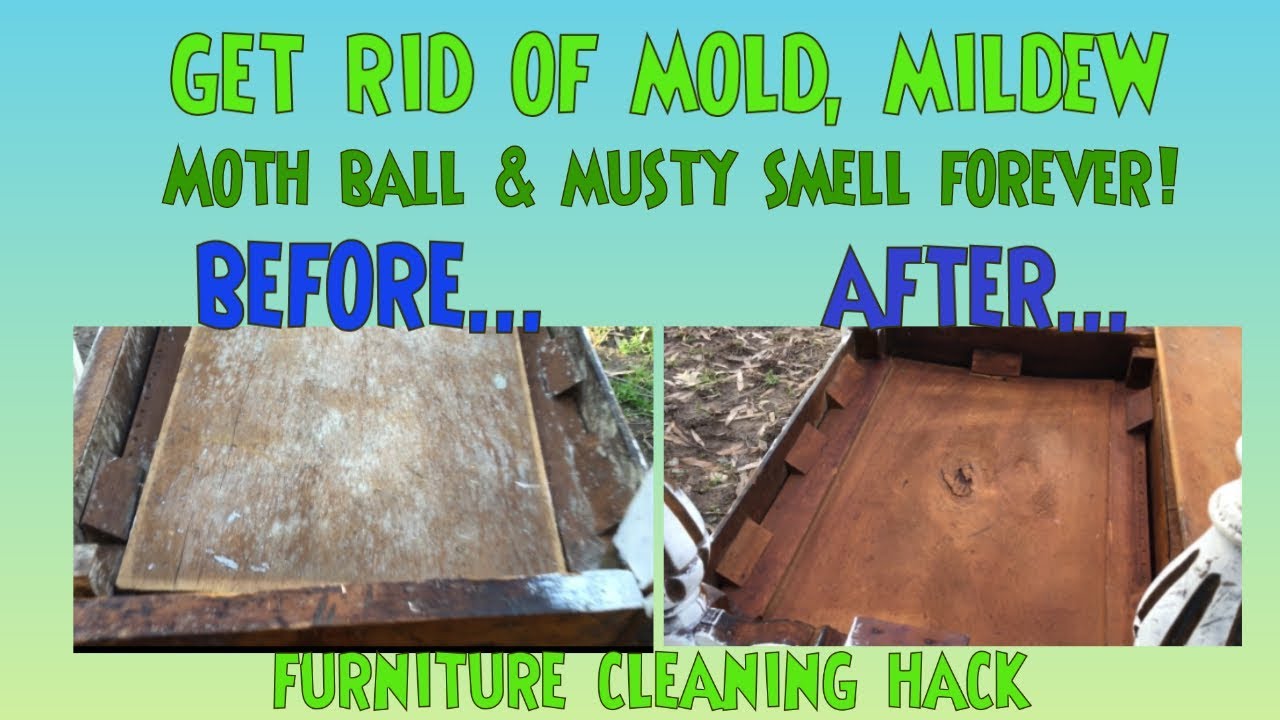
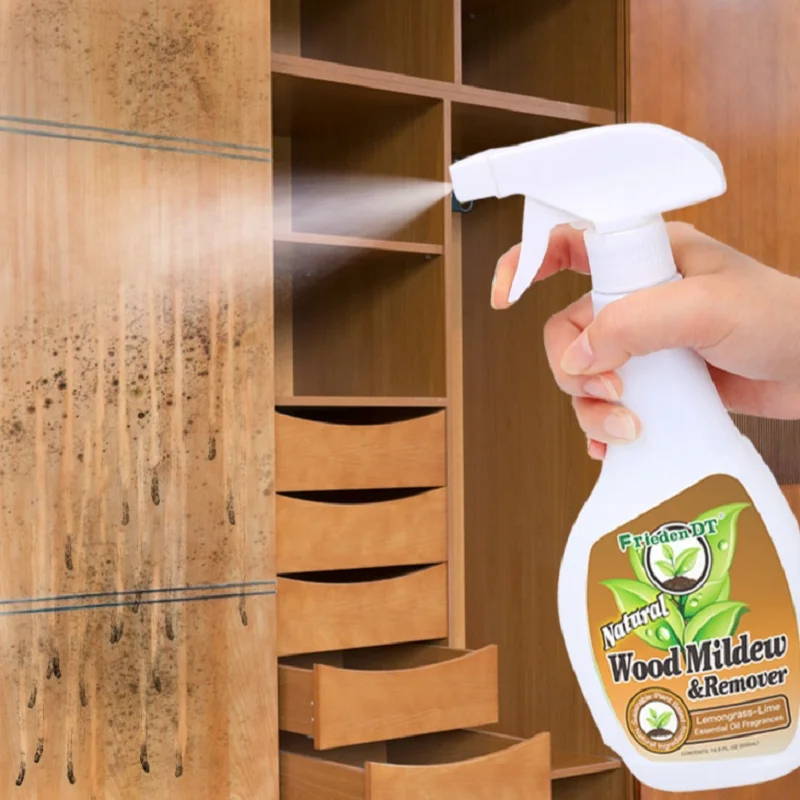
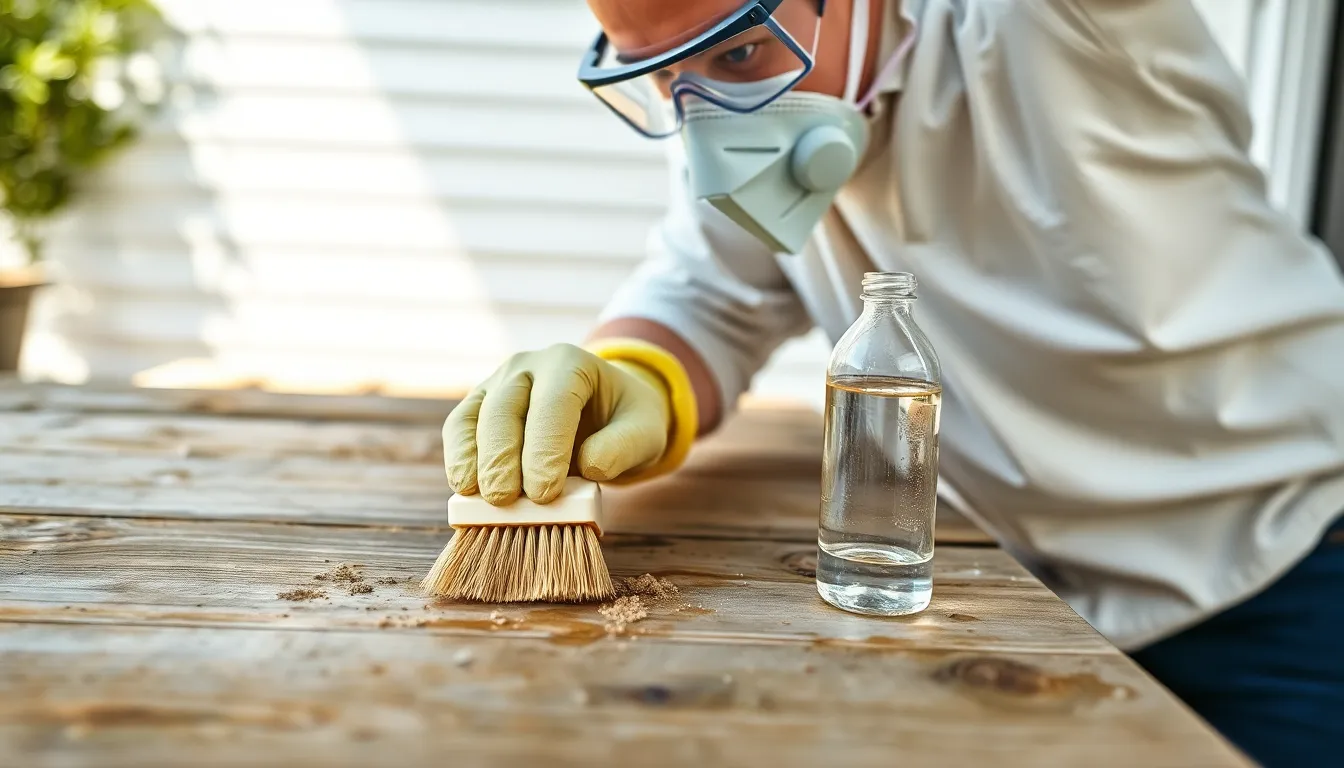
Remove mildew from sound wood by wearing protective gear, gently cleaning the surface with mild detergent and water, wiping away the residue, and drying the wood fully. Fix the moisture source to prevent new growth.
In American homes, wood mildew often appears on patio furniture, deck boards, window frames, basement shelves, and bathroom cabinets. Hot, humid summers, heavy rain, roof leaks, and poor airflow can leave these surfaces damp. Mildew may first look like a thin white, gray, or dark patch. It can also leave a musty smell that signals a moisture problem.
The best way to clean mildew depends on the wood surface. Sealed furniture, painted trim, unfinished boards, and outdoor decks do not react to water in the same way. A mild cleaning method often works on sound wood with light surface growth. Deep growth, soft wood, or damage from a leak may need professional care.
This guide explains how to spot mildew, choose a suitable cleaner, and remove surface growth without soaking or harming the wood. It also covers protective gear, drying, common cleaning mistakes, and ways to stop mildew from coming back. The goal is not just to make the wood look clean. It is to deal with the moisture that allowed the growth to start.
Source: psoriasisguru.com
What Is Mildew on Wood?
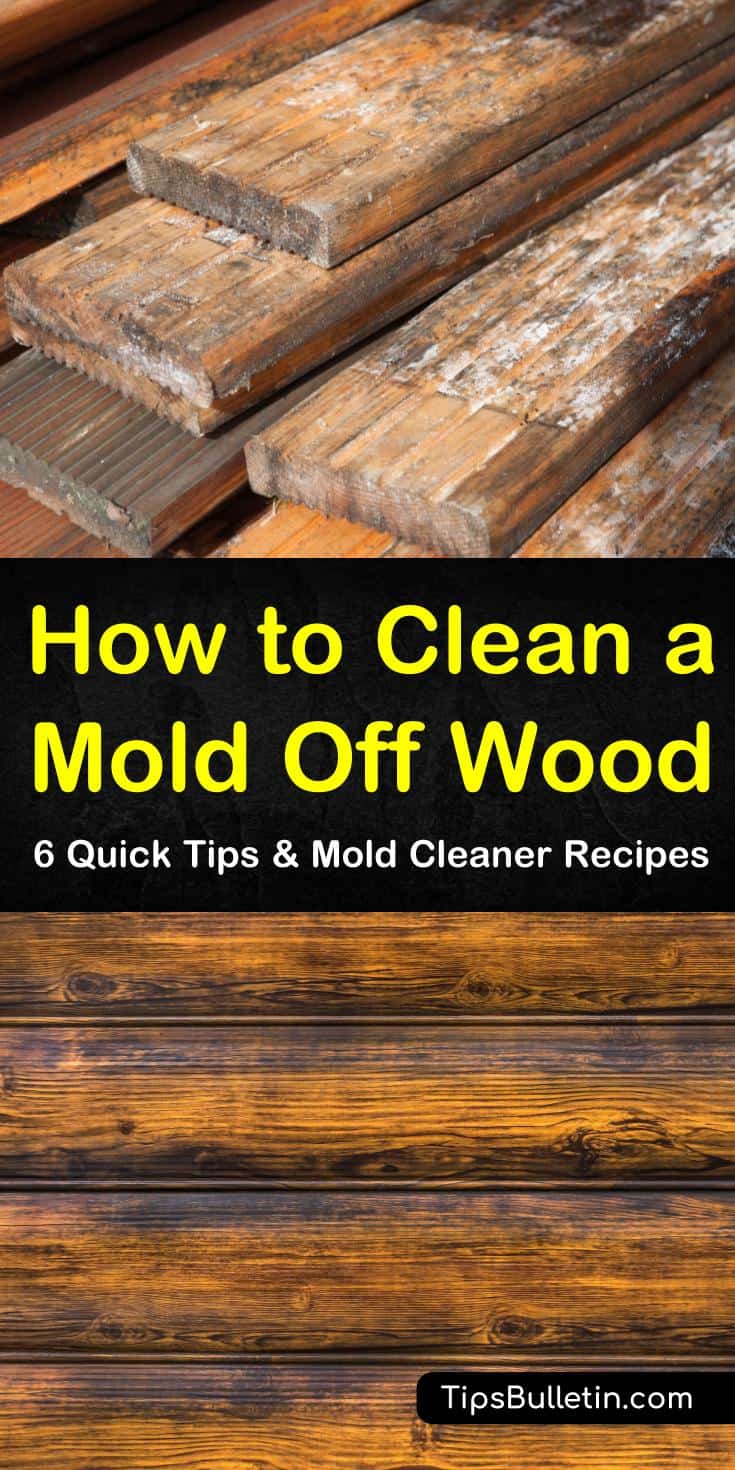
Mildew is a common term for certain surface-growing fungi. It often appears as a thin, powdery, or flat patch. Its color may be white, gray, or pale in some cases. Other fungal growth can look green, brown, or black.
Mildew grows when moisture, food, and suitable conditions come together. Wood gives fungi an organic material to grow on. Dust, dirt, oils, and old finish can also collect on the surface and support growth.
Mildew is often easier to remove than growth that has entered deep cracks or damaged wood. Still, a clean-looking surface does not always mean the problem is gone. The wood may hold moisture beneath its finish or in its joints.
Source: woodrio.com
Surface mildew
This growth often appears as a thin layer on finished or painted wood. It may respond to careful cleaning when the wood remains sound.
Deeper fungal growth
Growth in cracks, joints, end grain, or damaged wood can be harder to remove. It may require professional assessment.
Mildew stains
Dark marks may remain after the surface growth has been removed. These marks do not always mean active growth remains.
Is Wood Mildew the Same as Wood Mold?
Mildew and mold are both fungi. People often use the words to describe similar growth on home surfaces. In common cleaning advice, mildew usually refers to a thin surface growth. Mold can describe a wider range of fungal growth.
Color alone cannot tell you which fungus is present. White growth is not always mildew, and black growth does not identify one specific mold type. A homeowner cannot reliably identify a fungus by sight alone.
For most home cleanup decisions, the surface, amount of growth, moisture source, and condition of the wood matter more than the name. Visible growth should be removed safely, and the moisture problem should be corrected.
Appearance
Mildew may look powdery or flat, while other mold growth may look fuzzy, slimy, or raised. These are clues, not a reliable identification test.
Cleaning needs
Light growth on sound wood may be cleaned at home. Deep growth or damage calls for a more careful assessment.
Why Does Mildew Grow on Wood?
Moisture is the main factor. A leaking pipe, wet floor, damp basement, or rain-soaked deck can keep wood wet for long periods. Poor airflow slows drying and gives fungi more time to grow.
The EPA advises drying wet materials within 24 to 48 hours when possible. This is a prevention goal, not a guarantee that growth will or will not occur at a certain hour. Existing mildew still needs proper cleanup.
High humidity
Damp indoor air can cause moisture to collect on cool wood surfaces.
Water leaks
Leaking roofs, pipes, windows, and appliances can keep hidden wood damp.
Poor airflow
Closed cabinets, crowded furniture, and blocked vents can slow drying.
Wet outdoor surfaces
Rain, shade, wet leaves, and poor deck drainage can support fungal growth.
How to Identify Mildew on Wood
Look for changes in color, texture, and smell. Mildew may form small white, gray, or dark patches. It often appears in places that stay damp or receive little airflow.
Check the wood around the visible growth. Look at joints, corners, screw holes, undersides, and areas close to walls. These spots can hold moisture longer than open surfaces.
A musty odor may suggest hidden growth, but smell alone cannot confirm its location or type. Check for plumbing leaks, condensation, water stains, and soft spots before cleaning.
Source: furnifixes.com
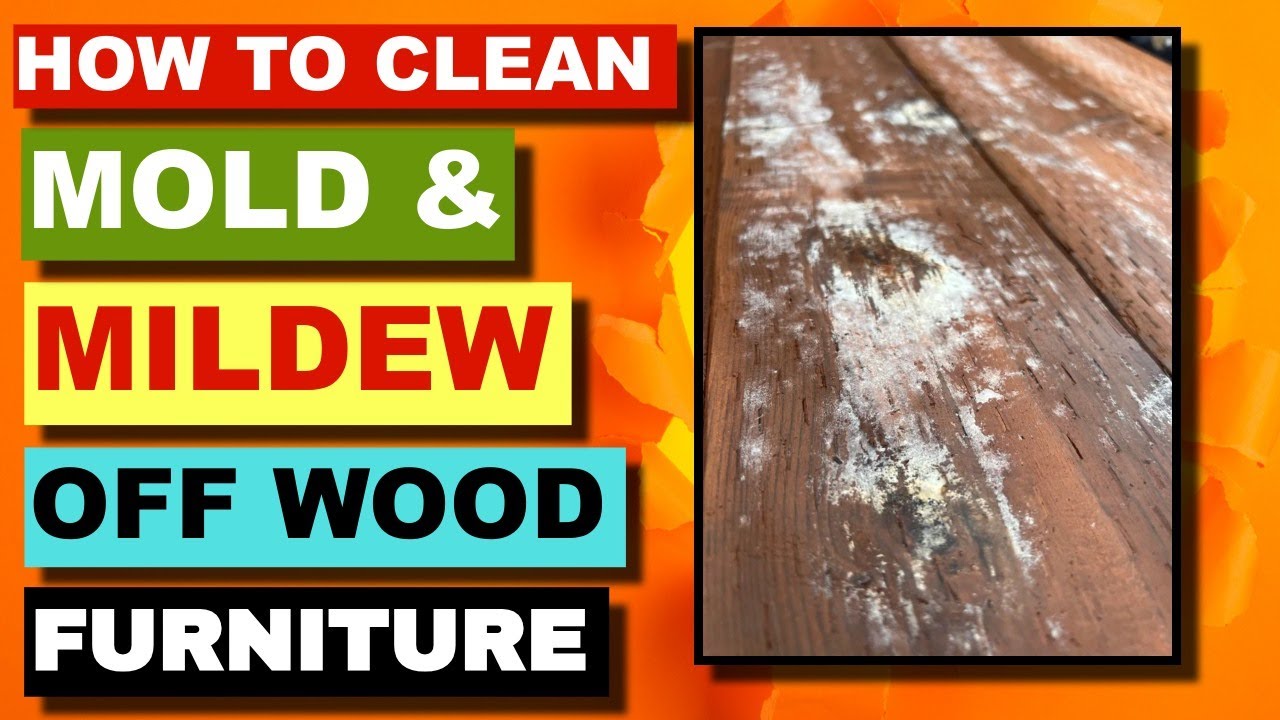
White or gray patches
A powdery layer may appear on unfinished wood, painted trim, or furniture.
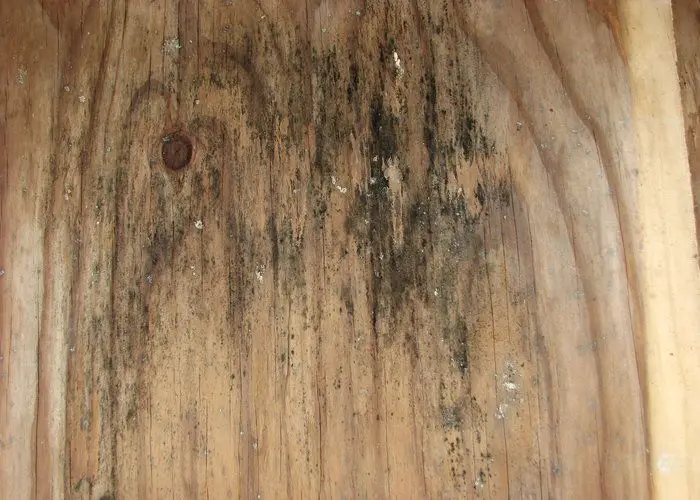
Dark spots
Black or brown marks may come from fungal growth, dirt, old stains, or water damage.
Musty odor
A damp, earthy smell may point to a moisture issue in a cabinet, closet, or nearby wall.
Surface changes
Peeling paint, swollen joints, and rough patches may indicate long-term moisture exposure.
Mildew, Dirt, or Water Stains: How Can You Tell?
Dirt often forms around handles, corners, and places that receive frequent contact. It may wipe away without leaving a musty odor. Mildew may spread in irregular patches and return if the surface stays damp.
Water stains often leave a fixed mark in the wood or finish. A brown ring or dark patch may remain even after the wood has dried. Cleaning the surface will not always remove a stain that has entered the finish or wood fibers.
Do not assume every dark spot is mold. If the surface is soft, swollen, cracked, or damaged, look for a deeper moisture problem. A qualified professional can assess uncertain or serious damage.
Test a small area
Use a lightly damp cloth on an inconspicuous spot to see whether ordinary surface dirt lifts.
Check the smell
A musty odor that remains after surface cleaning may indicate moisture or hidden growth.
Check the wood
Press gently with a finger on a safe, hidden area. Soft or crumbly wood needs further inspection.
Safety Precautions Before Removing Wood Mildew
Protect your lungs, eyes, and skin before you start. Cleaning can disturb fungal material and release particles into the air. Even small jobs deserve care, especially when the surface is dry or dusty.
The CDC recommends a NIOSH-approved N95 respirator at a minimum for mold cleanup. Wear gloves and goggles that protect your eyes from small particles. Choose clothing that covers your arms and legs.
People with asthma, chronic lung disease, mold allergies, or weakened immune systems should not take part in mold cleanup. Children should stay away from the work area. Seek professional help if anyone in the home has a higher risk from exposure.
Source: youtube.com
Respirator
Use a properly fitted NIOSH-approved N95 respirator. Follow its fitting and use instructions.
Gloves
Use rubber, nitrile, vinyl, or other suitable protective gloves.
Eye protection
Wear sealed goggles designed to protect against dust and small particles.
Protective clothing
Wear long sleeves, long pants, and washable clothing. Clean up after the job.
Fresh air
Keep the work area well ventilated when it is safe to do so. Follow all cleaner label directions.
When Should You Avoid DIY Mildew Removal?
Do not handle a large or complex mold problem as an ordinary furniture cleaning job. The EPA uses about 10 square feet as a general point at which homeowners should seek further guidance. This is not a guarantee that every smaller job is safe for DIY cleanup.
Professional help is also appropriate when water damage is extensive, the growth is inside walls, or the source is sewage or contaminated floodwater. Do not disturb a suspected contaminated HVAC system. A professional should assess it before the system runs.
If the wood is part of a floor structure, roof frame, support post, or other load-bearing part, do not remove material without a qualified assessment. Structural damage can create risks beyond surface cleanliness.
Large affected area
Get professional guidance when visible growth covers more than about 10 square feet or when several rooms are affected.
Health risks
Leave the work to trained people if a household member has asthma, lung disease, a mold allergy, or a weakened immune system.
Contaminated water
Use a qualified restoration service after sewage, floodwater, or other contaminated water exposure.
Supplies Needed for Wood Mildew Removal
Gather the supplies before you begin. A small cleaning job usually needs basic household items rather than a strong chemical treatment. Choose tools that will not scratch the finish or leave excess water on the wood.
Use a mild household detergent and clean water as your starting point for sound, finished wood. A soft microfiber cloth or soft-bristle brush can lift surface growth. Keep separate clean cloths for wiping and drying.
Avoid harsh tools and unapproved chemical mixtures. A strong cleaner may strip paint, dull a finish, or change the color of bare wood. Always read the product label before using a commercial cleaner.
Source: tipsbulletin.com
Mild detergent
Use a basic household detergent that does not contain ammonia or harsh abrasive ingredients.
Clean water
Use a small amount of clean water to prepare the cleaning solution and wipe away residue.
Microfiber cloths
Use soft cloths to lift growth and remove cleaning residue without scratching the finish.
Soft-bristle brush
Use a gentle brush for small grooves and textured surfaces. Avoid stiff wire brushes.
Dry towels
Keep absorbent towels ready to remove moisture after cleaning.
Protective equipment
Prepare an N95 respirator, suitable gloves, and sealed goggles before disturbing the affected area.
Drying equipment
A dehumidifier or suitable drying equipment can help control moisture after the cleaning process.
Should You Use a Special Wood Cleaner?
A special wood cleaner is not always needed for light surface mildew. Mild detergent and water are often enough for a sound, finished surface. The cleaner should match the wood finish and the product label should allow the intended use.
Some commercial mold cleaners are designed for particular materials. Check the label for wood compatibility, application instructions, ventilation needs, and required protective equipment. Do not assume that a product made for tile or concrete is safe for furniture.
Finished furniture
Choose a gentle cleaner that will not damage varnish, lacquer, polyurethane, or paint.
Unfinished wood
Use caution because bare wood absorbs liquids and can hold moisture beneath the surface.
How to Remove Mildew From Wood Step by Step
The safest basic approach is to remove loose surface growth, clean with mild detergent and water, wipe away residue, and dry the wood fully. Work slowly and avoid soaking the surface. Test the cleaning method in a hidden spot first.
This method is intended for small areas of light growth on structurally sound wood. It is not a complete treatment for deep contamination, damaged timber, or a large mold problem. Stop if the wood begins to soften, swell, or lose its finish.
Source: storage.googleapis.com
Step 1: Inspect the area
Check the size of the affected area, the condition of the wood, and the likely moisture source. Look for leaks, condensation, and poor airflow.
Step 2: Prepare the space
Keep children and pets away. Wear your respirator, gloves, and goggles. Protect nearby items from cleaning residue.
Step 3: Remove loose surface material carefully
Use a slightly damp cloth to collect loose growth. Avoid dry brushing, compressed air, or vigorous rubbing that may spread particles.
Step 4: Mix a mild cleaning solution
Add a small amount of mild household detergent to clean water. Follow the detergent label and avoid creating a strong or highly foamy mixture.
Step 5: Clean the affected surface
Dampen a clean cloth with the solution. Wring it out well, then gently wipe the affected wood. Use a soft brush only where needed.
Step 6: Remove cleaning residue
Wipe the surface with a separate cloth lightly dampened with clean water. Do not leave detergent on the wood.
Step 7: Dry the wood
Use a dry towel to absorb remaining moisture. Allow the wood to dry fully in a well-ventilated space.
Step 8: Check the result
Look for remaining growth, a persistent musty smell, or signs of damage. If the problem remains, stop repeating the same cleaning method and seek further assessment.
Step 9: Correct the moisture problem
Repair leaks, improve drainage, reduce humidity, and increase airflow so the wood can remain dry.
How to Clean Mildew From Finished Wood
Finished wood has a protective coating that helps limit water absorption. Examples include varnished tables, painted cabinets, and furniture with a clear protective finish. Light surface growth may be cleaned with a mild detergent solution.
Use a soft cloth and very little water. Work in small sections and wipe the surface dry as you go. Do not let water sit around joints, seams, or damaged finish.
If the coating becomes cloudy, sticky, or discolored, stop cleaning. The finish may already be damaged. A furniture restoration professional can advise whether refinishing is needed.
Test first
Check the cleaner on a hidden area before using it on the visible surface.
Use light pressure
Avoid scrubbing hard because this may scratch or dull the finish.
Dry immediately
Use a clean towel to remove water from edges and joints.
How to Clean Mildew From Unfinished Wood
Unfinished wood is more difficult to clean because it has no protective coating. Water can enter the wood fibers and remain inside. A wet cleaning method may remove surface dirt while adding moisture to the material.
For a small affected item, first assess whether the wood is dry, sound, and easy to move outdoors or into a suitable work area. Use professional advice when growth extends into cracks or the wood has a persistent odor.
Do not use heavy sanding as the first solution. Sanding can release fine particles and may spread contamination. A specialist can decide whether controlled surface removal, restoration, or replacement is appropriate.
Limit water
Avoid soaking bare wood or allowing liquid to enter joints and end grain.
Check the depth
Look for growth in cracks, pores, and damaged areas that may not respond to surface wiping.
Seek help when needed
Use a restoration specialist for valuable, deeply affected, or structurally important wood.
How to Remove Mildew From Wood Furniture
Move a small piece of furniture away from the wall if you can do so safely. Check its back, underside, drawer spaces, and legs. Mildew often develops in areas where air cannot move freely.
Remove loose items from drawers and cabinets. Clean suitable finished surfaces with a mild detergent solution and a well-wrung cloth. Dry the inside and outside before putting the furniture back in place.
Do not place furniture against a damp wall. Leave enough space for airflow and inspect the wall behind it. If the same growth keeps returning, check for a leak or a hidden source of moisture.
Check hidden surfaces
Inspect drawer bottoms, cabinet backs, joints, and the underside of shelves.
Clean gently
Protect the furniture finish by using a soft cloth and limited moisture.
Allow full drying
Do not close drawers or doors until the cleaned surfaces are fully dry.
How to Remove Mildew From Wood Decks and Patio Furniture
Outdoor wood faces a different set of problems. Rain, morning dew, shade, leaves, and poor drainage can keep a deck or chair damp. Clean the area when the weather allows enough time for complete drying.
Remove leaves and loose debris before cleaning. Use a wood-safe detergent and a soft brush where needed. Rinse only as directed by the cleaner label and avoid forcing water into joints or beneath boards.
Let the wood dry before applying a stain, sealer, or paint. Follow the coating manufacturer’s moisture and preparation instructions. Applying a finish to damp wood can lead to poor adhesion and future problems.
Clear debris
Remove wet leaves, soil, and other material that holds moisture against the wood.
Protect nearby plants
Use cleaners according to their labels and prevent unwanted runoff into gardens or drains.
Improve drainage
Keep water from collecting under furniture or against deck boards.
Which Cleaning Solution Works Best for Wood Mildew?
The best starting cleaner for light growth on sound wood is usually mild detergent and water. It removes surface material without relying on a strong chemical treatment. The correct choice still depends on the finish and condition of the wood.
Some homeowners use white vinegar for household cleaning. However, vinegar is not a universal wood treatment, and there is no reason to assume it will remove every type of fungal growth. Its acidity may also affect certain finishes.
Bleach is not a routine first choice for cleaning wood. Wood is porous, and bleach may not reach growth within the material. It can also affect the wood’s color and nearby finishes. Follow official cleanup guidance and product labels rather than using stronger chemicals without a clear need.
Source: stkittsvilla.com
Mild detergent and water
A practical first choice for light surface growth on sound, finished wood. Use limited moisture and dry the surface fully.
White vinegar
Sometimes used for household surface cleaning, but it is not a guaranteed treatment for wood mildew. Test compatibility and avoid mixing it with other cleaners.
Commercial wood cleaner
May help when its label specifically permits use on the affected wood and finish. Follow the listed precautions.
Bleach-based cleaner
Do not use it as an automatic solution for wood. Follow public health guidance and the exact product label if a suitable disinfectant is required.
Can You Use Vinegar to Remove Mildew From Wood?
Vinegar is a common household cleaner, but its effectiveness depends on the surface and the type of growth. It should not replace moisture control or physical removal of visible material.
If you consider using vinegar, check the finish manufacturer’s advice first. Test a hidden area and avoid soaking the wood. Do not mix vinegar with bleach because the combination can release dangerous chlorine gas.
For ordinary light surface growth, mild detergent and water provide a more straightforward starting method. If the growth remains, assess the depth and condition of the wood instead of adding stronger chemicals.
Check compatibility
Vinegar may affect some finishes, coatings, and sensitive materials.
Never mix cleaners
Keep vinegar separate from bleach and other cleaning products.
Does Bleach Remove Mildew From Wood?
Bleach may affect visible fungal growth on some surfaces, but it does not guarantee that growth within porous wood has been removed. It may also lighten the wood or damage its finish.
The CDC advises never mixing bleach with ammonia or any other cleanser. If a bleach product is appropriate for a particular cleanup, follow its label, use proper ventilation, and wear suitable protection.
Do not pour bleach directly onto wood. Do not increase the concentration in an attempt to get a faster result. A stronger solution can create added chemical and material risks without solving the underlying moisture problem.
Avoid direct application
Do not pour concentrated bleach onto furniture, floors, or unfinished boards.
Read the label
Use only products approved for the intended surface and application.
Never combine chemicals
Do not mix bleach with vinegar, ammonia, detergent, or other cleaners.
How to Dry Wood After Mildew Removal
Drying is a key part of successful cleanup. A damp surface can support new growth even after visible mildew has been removed. The wood must dry fully, including its joints, edges, and hidden sides.
Start by removing excess water with a dry towel. Place movable furniture in a dry, ventilated area. Use a dehumidifier when indoor air is damp and allow enough space around the item for air to move.
Fans may help dry cleaned materials when the area is safe and the growth has been properly removed. Avoid using fans to blow across active, loose mold growth because this may spread particles. Do not use unsafe electrical equipment near standing water.
Source: woodworkingadvisor.com
Remove surface moisture
Blot the wood with a clean, absorbent towel after wiping away the cleaning solution.
Improve airflow
Move furniture away from walls and open doors where this helps air circulate.
Control humidity
Use suitable ventilation or a dehumidifier to reduce damp indoor air.
Check hidden areas
Inspect the underside, joints, and back of the wood before returning the item to its normal place.
Measure when needed
A suitable wood moisture meter can help assess whether wood is dry enough for repair or refinishing. Follow the coating or material manufacturer’s moisture requirements.
How Long Does Wood Take to Dry?
There is no single drying time for every wood item. A thin, finished chair may dry faster than a thick unfinished board. Air temperature, humidity, wood thickness, airflow, and the amount of water all affect drying.
The EPA’s 24-to-48-hour guidance is a target for drying wet materials quickly to help prevent mold growth. It is not a promise that every item will be dry in two days. Thick or water-damaged wood may take longer.
Do not cover damp wood with a rug, plastic sheet, or new finish. Wait until the material is fully dry and the moisture source has been corrected.
Thin finished wood
Often dries faster when only a small amount of surface water was used.
Thick solid wood
May retain moisture in its core even when the surface feels dry.
Wood near a leak
Needs further inspection because moisture may remain inside the surrounding structure.
How to Prevent Mildew From Returning to Wood
Preventing mildew starts with keeping wood dry. A clean surface can develop new growth if the same leak, damp air, or drainage problem remains. Treat moisture control as part of the cleaning job, not as an optional extra.
Inspect areas where water enters the home. Check roof edges, windows, plumbing, basement walls, and appliances. Repair leaks promptly and dry wet wood as soon as possible.
The EPA identifies moisture control as the key to mold control. Indoor humidity should be kept low enough to limit condensation. A common home target is below 60 percent relative humidity, ideally around 30 to 50 percent when practical.
Source: aliexpress.com
Repair leaks
Fix damaged pipes, roof leaks, window seals, and other sources of water.
Improve ventilation
Use bathroom and kitchen exhaust fans where appropriate. Keep air moving around cabinets and stored furniture.
Control indoor humidity
Use air conditioning or a dehumidifier when damp air causes condensation or persistent moisture.
Clean outdoor debris
Remove wet leaves, dirt, and standing water from decks and wooden furniture.
Protect outdoor wood
Use a suitable exterior wood finish after proper cleaning and drying.
Inspect regularly
Check damp corners, furniture backs, basement storage, and outdoor surfaces for early signs of growth.
Prevent Mildew on Indoor Wood Furniture
Place furniture where air can move around it. Avoid pushing large cabinets tightly against cold or damp exterior walls. Leave a small gap when the room layout allows it.
Keep drawers and cabinets dry. Do not store wet clothing, damp towels, or recently cleaned items inside wooden furniture. Check the back panels and drawer bottoms from time to time.
If a room often feels damp, measure its humidity and improve ventilation. A dehumidifier may help when natural airflow and normal ventilation are not enough.
Keep furniture dry
Wipe spills promptly and avoid leaving wet objects on wooden surfaces.
Leave room for airflow
Avoid tightly packed furniture arrangements in damp rooms.
Check storage spaces
Inspect closets, cabinets, and drawers for condensation or musty odors.
Prevent Mildew on Outdoor Wood
Outdoor furniture needs regular care because it faces rain, dew, sun, and changing temperatures. Keep it off wet soil when possible and avoid leaving cushions or covers in ways that trap moisture.
Clear leaves from deck corners and gaps between boards. Check that water drains away instead of pooling around posts or furniture legs. Trim nearby plants if they block airflow around the wood.
A suitable exterior stain or sealer can help limit water absorption. It cannot make wood immune to mildew. Apply it only after cleaning and drying the wood according to the product instructions.
Use suitable covers
Choose covers that protect against rain without trapping damp air against the wood.
Maintain drainage
Keep deck gaps, gutters, and nearby drains clear of debris.
Maintain the finish
Inspect exterior coatings and repair worn areas according to the manufacturer’s directions.
Common Wood Mildew Removal Mistakes to Avoid
Many cleaning problems happen when people focus only on removing the visible marks. Strong chemicals, excess water, and rough tools can damage wood without correcting the conditions that caused the growth.
Use a simple method and check the result. If the wood remains damp or the growth keeps returning, investigate the source instead of repeating the same treatment. A clean appearance is not proof that hidden moisture has been resolved.
Source: youtube.com
Using too much water
Excess moisture can enter joints and bare wood. Use a well-wrung cloth and dry the surface promptly.
Scrubbing too hard
Aggressive scrubbing may scratch a protective finish and spread contaminated material.
Mixing cleaning products
Combining bleach with vinegar, ammonia, or other cleaners can produce dangerous fumes.
Using bleach as the only treatment
Bleach does not correct moisture problems and may not reach growth inside porous wood.
Painting over mildew
Paint and sealers should not cover active growth. Clean and dry the wood before applying a suitable finish.
Ignoring hidden moisture
A leak behind furniture or inside a wall can keep the wood damp after surface cleaning.
Using dry sanding too soon
Sanding may spread fine particles and expose the person doing the work. Use professional help for affected or damaged wood.
Why Does Mildew Return After Cleaning?
Mildew often returns because the wood remains damp. A cleaned surface may look better for a short time, but fungal growth can develop again when the same moisture conditions remain.
Check the wall behind furniture, the underside of flooring, nearby plumbing, and the room’s humidity. A recurring musty smell may point to hidden moisture rather than a problem with the cleaning solution.
If the surface repeatedly becomes damp, arrange a proper moisture inspection. Repeated chemical cleaning will not solve a leak or a damaged building component.
Find the water source
Inspect for leaks, condensation, poor drainage, and water entering from outside.
Check the material
Look for soft wood, peeling coatings, swollen joints, and persistent staining.
Improve the environment
Reduce humidity and improve airflow around the affected surface.
When Should You Repair or Replace Mildew-Damaged Wood?
Cleaning is suitable only when the wood remains sound and the affected material can be treated safely. A surface mark does not always mean the wood needs replacement. However, long-term moisture can damage the wood itself.
Check for softness, crumbling, deep cracks, swelling, and loss of strength. These signs may indicate decay or other damage beyond surface mildew. A clean surface cannot restore wood that has lost its structural strength.
Small decorative items may be candidates for restoration. Structural posts, floor joists, beams, and roof framing need assessment by a qualified building professional. Do not rely on a household cleaner to repair damaged timber.
Source: psoriasisguru.com
Clean and keep
Sound wood with light surface growth may be suitable for careful cleaning and complete drying.
Restore
Valuable furniture with surface staining or finish damage may benefit from a furniture restoration specialist.
Replace
Severely damaged or deeply contaminated wood may not be practical to restore.
Get a structural assessment
Wood that supports a building or floor should be checked by a qualified professional if it shows signs of decay.
Can You Save Wood With Dark Mildew Stains?
Sometimes. A dark mark may remain after the visible growth has been removed. The mark can be a stain in the finish or wood fibers rather than active growth.
Check whether the surface is dry and firm. If there is no continuing moisture problem or visible growth, a restoration specialist may be able to improve the appearance with suitable refinishing work.
Do not sand or bleach a valuable item just to remove a stain. Both methods can change its color or damage its surface. Test any restoration method on a hidden area or seek professional advice.
Check the surface
Make sure the wood is dry and structurally sound before considering cosmetic work.
Assess the finish
Determine whether the stain sits in the protective coating or extends into the wood.
Choose suitable restoration
Use a qualified furniture or wood restoration professional for valuable pieces.
Research Notes and Practical Evidence
This guide follows the general home cleanup principles published by the US Environmental Protection Agency and the Centers for Disease Control and Prevention. The central recommendations are to remove visible growth, correct the moisture source, protect people from exposure, and dry cleaned materials fully.
The EPA states that hard surfaces can be scrubbed with detergent and water. It also warns that some porous materials may be difficult or impossible to clean fully. Its home guidance uses about 10 square feet as a general point for seeking further remediation guidance.
The CDC provides personal protection guidance for mold cleanup. It recommends a NIOSH-approved N95 respirator, protective gloves, and suitable eye protection. It also advises people with certain respiratory and immune conditions not to take part in cleanup.
Cornell Cooperative Extension reinforces the need for moisture control, rapid drying, protective equipment, and professional help for larger or contaminated cleanup jobs. These sources support general cleanup principles, not a claim that one household cleaner works for every wood type.
The methods in this article are practical guidance based on published cleanup recommendations. No laboratory testing, independent product testing, or on-site wood inspection was performed for this article. The right treatment for a specific item depends on its finish, condition, moisture level, and the extent of growth.
Source: storage.googleapis.com
DOCUMENTED
EPA guidance supports cleaning suitable hard surfaces with detergent and water, correcting moisture sources, and drying materials fully.
DOCUMENTED
CDC guidance supports using an N95 respirator, gloves, and suitable eye protection during mold cleanup.
ANALYSIS
The best cleaning method depends on whether the wood is finished, unfinished, damaged, or affected by deeper growth.
NOT ESTABLISHED
A specific vinegar, bleach, or commercial cleaner cannot be claimed to remove every type of fungal growth from every wood surface.
NOT TESTED BY US
No cleaning product, treatment time, or restoration technique was tested on physical wood samples for this article.
Research Sources and Scope
US Environmental Protection Agency, What Are the Basic Mold Cleanup Steps? https://www.epa.gov/mold/what-are-basic-mold-cleanup-steps. Accessed November 4, 2026. This source supports moisture control, detergent cleaning, drying, and professional help for uncertain or valuable items.
US Environmental Protection Agency, Mold Cleanup in Your Home. https://www.epa.gov/mold/mold-cleanup-your-home. Accessed November 4, 2026. This source explains the general 10-square-foot guidance, contaminated water exceptions, HVAC concerns, and limits of cleaning porous materials.
Centers for Disease Control and Prevention, Mold Clean Up Guidelines and Recommendations. https://www.cdc.gov/mold-health/about/clean-up.html. Accessed November 4, 2026. This source supports protective equipment, health-related precautions, and safe chemical use.
Cornell Cooperative Extension, Mold Control and Clean Up Basics. https://hamilton.cce.cornell.edu/resources/mold-control-and-clean-up-basics. Accessed November 4, 2026. This source supports moisture control, protective clothing, the limits of routine biocide use, and professional cleanup boundaries.
Market
The guide is written for homeowners and renters in the United States.
Primary intent
Help readers safely remove light mildew from suitable wood surfaces and prevent recurrence.
Research limitation
No live search rankings, Search Console queries, or customer support records were supplied or used.
Frequently Asked Questions
Q
What Is the Fastest Way to Remove Mildew From Wood?
For light surface growth on sound, finished wood, use a mild detergent solution and a soft cloth. Wear suitable protective equipment, wipe gently, remove the cleaning residue, and dry the surface fully. Fix the moisture source to prevent the growth from returning.
Q
Can I Remove Mildew From Wood Without Sanding?
Yes. Light surface growth on sound, finished wood can often be cleaned without sanding. Use mild detergent and water with a soft cloth. Sanding is not a first step because it can spread particles and damage the finish. Deep growth may require professional treatment.
Q
Does Wood Mildew Mean the Wood Is Rotten?
No. Surface mildew does not automatically mean wood rot. Mildew can grow on a sound surface when moisture is present. Soft, crumbly, swollen, or weakened wood may indicate decay or other damage and needs further inspection.
Q
Can Mildew Grow on Painted or Sealed Wood?
Yes. A protective finish can reduce moisture absorption, but it does not make wood immune to fungal growth. Mildew may develop on dust, dirt, damaged coatings, or damp areas. Clean the surface carefully and investigate the moisture source.
Q
How Do I Know If Wood Mildew Is Gone?
Look for the removal of visible growth, a clean surface, and no continuing moisture problem. The wood should be fully dry and should not develop new growth. A persistent musty smell or repeated dampness may point to hidden contamination that needs professional assessment.
Q
Can I Paint Over Wood After Removing Mildew?
Yes, but only after the visible growth has been removed, the moisture source has been corrected, and the wood is fully dry. Prepare the surface according to the paint manufacturer’s instructions. Do not paint over active growth or damp wood because the coating may fail.
✦ Wrapping Up
Conclusion
Wood mildew removal starts with careful inspection and moisture control. For light surface growth on sound, finished wood, mild detergent and water are often a practical starting point. Use a soft cloth, avoid excess water, and dry the wood completely after cleaning.
The condition of the wood matters as much as the cleaning method. Unfinished boards, damaged furniture, deep growth, and contaminated materials may need professional care. People with asthma, lung disease, mold allergies, or weakened immune systems should avoid taking part in cleanup.
The most lasting result comes from preventing new moisture. Repair leaks, improve airflow, control indoor humidity, and inspect damp areas regularly. A clean surface is a good first step, but keeping the wood dry is what helps protect it over time.
💡 Key Takeaway
Inspect the affected wood, find the moisture source, and wear an N95 respirator, gloves, and goggles before cleaning. Use mild detergent and limited water on suitable sound wood, remove the residue, and dry the surface fully. If growth covers a large area, returns repeatedly, or affects damaged or structural wood, contact a qualified mold remediation or wood restoration professional.