
An oscillating tool is a versatile, fast-cutting power tool for sanding, scraping, cutting, and detail work.
If you have ever tried to cut a doorway trim, remove old grout, or fix a small section of damaged flooring, you already know how useful the right tool can be. The Ultimate Oscillating Tool Guide is for anyone who wants clear, practical advice on how this tool works, what it can do, and how to use it well. I have seen this tool save time on messy repair jobs, and I have also seen people misuse it and wear out blades fast. This guide will help you avoid those mistakes and get real results.

What an Oscillating Tool Is and Why It Matters
An oscillating tool is a compact power tool that moves its accessory side to side at very high speed, but only over a tiny angle. That small motion is what makes it so useful for detailed work in tight spaces. It can cut, sand, grind, scrape, and remove material with more control than many larger tools.
The biggest reason people reach for The Ultimate Oscillating Tool Guide is simple: one tool can handle many tasks. It is often called a multi tool or oscillating multi tool, and it is popular with DIY users, remodelers, electricians, plumbers, and finish carpenters. In my own experience, the tool shines when a job is awkward, delicate, or just plain hard to reach.
Common uses include:
- Trimming baseboards and door casings
- Cutting drywall for outlet boxes
- Removing old caulk and grout
- Scraping paint or adhesive
- Sanding corners and edges
- Making plunge cuts in wood or soft metal
The tool is not meant to replace every saw or sander. Instead, it fills the gap when precision matters more than speed.
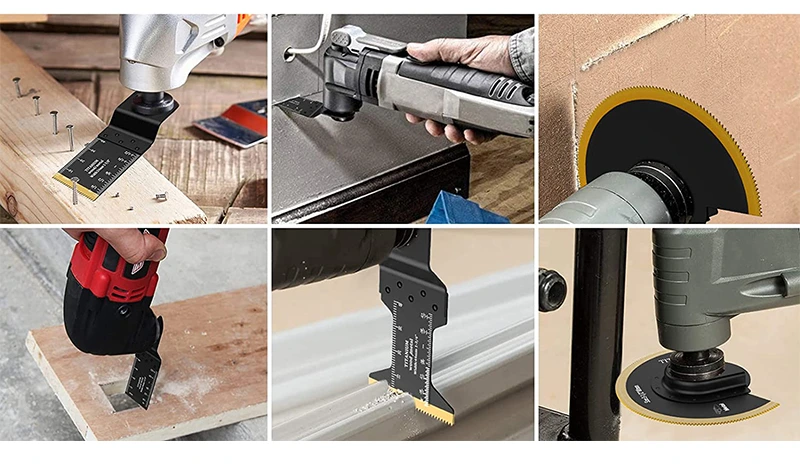
How an Oscillating Tool Works
The name comes from the motion. The accessory oscillates, which means it vibrates back and forth in a fast arc. That motion lets the blade or pad work in a tight area without the wild movement of a reciprocating saw.
Most models use a clamp or quick-change system to hold blades and attachments. Many have variable speed control, which helps match the tool to the material. Lower speed is better for control, while higher speed helps when removing more material.
Here is the basic idea:
- The motor spins internal parts.
- Those parts create rapid side-to-side oscillation.
- The attached blade or pad moves in a small arc.
- The accessory cuts, sands, or scrapes the surface.
This design makes the tool feel a bit like a fine-point pen in a world full of heavy markers. It can do detailed work where bulkier tools simply cannot fit.
Key Parts and Features to Know
If you are comparing models, the details matter. The right features can make The Ultimate Oscillating Tool Guide much easier to use and much more useful in real projects.
Important parts and features include:
- Variable speed dial or trigger for control
- Tool-free accessory change for faster swaps
- Brushless motor for better efficiency and longer life
- Soft grip handle for comfort
- LED light for dark corners
– Dust port or vacuum adapter for cleaner sanding - Universal accessory interface for wider blade compatibility
In practice, I have found that tool-free blade changes save more time than people expect. When you are switching from cutting to scraping every few minutes, a quick-change system is worth it.
Best Jobs for an Oscillating Tool
This tool really earns its place when precision matters. It is not the fastest option for big cuts, but it is often the smartest choice for detailed work.
Good jobs for an oscillating tool include:
- Flush cuts in wood, nails, and screws
- Undercutting door jambs for flooring
- Trimming installed trim without removing it
- Cutting drywall openings after the wall is up
- Removing grout around tile
- Scraping silicone, glue, and paint
- Sanding inside corners and tight spots
One of the most useful real-world examples is flooring work. I once watched a simple door jamb trim save an entire afternoon because the oscillating tool made a clean cut right where a hand saw would have been clumsy.
How to Choose the Right Oscillating Tool
The best tool depends on the kind of work you do most often. A homeowner who only wants to handle small repairs will have different needs than a contractor who uses the tool daily.
Look at these factors before buying:
- Power source: corded for nonstop power, cordless for mobility
- Battery platform: if cordless, match it to batteries you already own
- Speed range: more control usually means better results
- Vibration level: less vibration means less fatigue
- Accessory compatibility: universal fit can save money
- Ergonomics: a comfortable grip matters on long jobs
- Weight: lighter tools are easier overhead or in corners
For most people, cordless is the most convenient choice. For heavy use, corded tools can still be a strong option because they do not stop for charging. The best choice is the one that fits your work style, not just the spec sheet.
Blade and Accessory Types
Accessories make or break The Ultimate Oscillating Tool Guide in real use. A great tool with the wrong accessory can feel disappointing, while the right blade can make a hard job feel easy.
Common accessory types include:
- Wood cutting blades for trim, flooring, and drywall
- Bi-metal blades for nails, screws, and mixed materials
- Carbide blades for tile, grout, and hardened surfaces
- Scraper attachments for adhesive, paint, and caulk
- Sanding pads and sanding sheets for finish work
- Rasp attachments for shaping wood or removing mortar
A mistake I see often is using a cheap blade on a tough material. It can overheat, dull fast, and make the tool seem weak. In many cases, the tool is fine. The blade just is not.
How to Use an Oscillating Tool Safely
Safety should always come first. Oscillating tools are generally safer than many saws because they have less exposed motion, but they can still kick up dust, heat up, and damage nearby surfaces.
Follow these basic safety habits:
- Wear eye protection
- Use hearing protection for long jobs
- Wear a dust mask or respirator when sanding or cutting dusty material
- Clamp the workpiece if possible
- Start at a low speed
- Let the tool do the work
- Keep hands clear of the blade path
- Check for wires, pipes, and hidden fasteners before cutting
A helpful rule is to think of the tool as a patient slicer, not a brute-force cutter. If you push too hard, you usually get more heat, more wear, and less control.
Step-by-Step: Using the Tool for Common Tasks
Different jobs need different techniques, but the basic process is similar.
Cutting Trim or Baseboards
- Mark the cut line clearly
- Choose a wood or flush-cut blade
- Set the tool to medium speed
- Hold the blade flat and steady
- Make slow, controlled passes
This method is great when you need a clean trim cut without tearing out the surrounding finish.
Removing Grout
- Use a carbide grout blade
- Work at a moderate speed
- Keep the blade aligned with the grout line
- Move slowly to avoid chipping tile edges
Patience matters here. The best results come from light pressure and steady movement.
Sanding Tight Corners
- Attach the sanding pad
- Use fine-grit paper for finish work
- Keep the tool moving to avoid swirl marks
- Vacuum dust often for better visibility
For corners and edges, this tool is like a tiny finishing hand that can reach places a regular sander cannot.
Benefits of Using an Oscillating Tool
There is a reason The Ultimate Oscillating Tool Guide remains so popular. The tool solves problems that often slow down larger projects.
Main benefits include:
- Versatility across many tasks
- Precision in tight spaces
- Less damage to surrounding surfaces
- Easy control for detail work
- Compact size and portability
- Useful for both repair and renovation
The real strength is flexibility. You may buy it for one job, but it often becomes the tool you grab for ten others.
Limitations You Should Know
No tool does everything perfectly. Being honest about limits makes this guide more useful and trustworthy.
Oscillating tools have a few drawbacks:
- They are slower than full-size saws on large cuts
- Blades can wear out quickly on hard materials
- Sanding can be slower than using a dedicated sander
- Some models vibrate enough to cause fatigue
- Battery life can be limited on cordless units
This does not make the tool less valuable. It just means it works best as a precision tool, not a high-speed demolition tool.
How to Get Cleaner Cuts and Better Results
Small technique changes can make a big difference. I learned this after ruining a few blades early on by forcing the tool too hard.
Try these tips:
- Let the blade reach full speed before touching the material
- Use light pressure instead of forcing the cut
- Match the accessory to the job
- Keep blades sharp and clean
- Mark your line before starting
- Practice on scrap material first
The more you use the tool, the more you learn its rhythm. It works best when you guide it, not when you wrestle it.
Maintenance and Care
Good maintenance keeps the tool reliable and safer to use. Even a strong tool will feel weak if it is dirty, dull, or poorly stored.
Basic care tips:
- Clean dust after each use
- Check the accessory clamp for wear
- Replace dull blades before they overheat
- Store batteries properly if cordless
- Keep the motor vents clear
- Follow the manufacturer’s service guidance
A well-kept tool feels smoother and lasts longer. That matters a lot if you use The Ultimate Oscillating Tool Guide to make buying decisions for long-term use.
Buying Tips for Different Users
Different users need different features. There is no single “best” model for everyone.
For homeowners:
- Choose a simple cordless model
- Prioritize comfort and ease of blade change
- Look for a starter kit with common accessories
For DIY remodelers:
- Pick a model with variable speed and strong accessory support
- Consider a brushless motor for better durability
- Buy quality blades, not just the cheapest kit
For professionals:
- Focus on battery platform, speed control, vibration, and accessory ecosystem
- Choose a model that can handle daily use
- Keep multiple blade types on hand for different materials
In my experience, accessory cost is part of the real price. A cheaper tool with expensive blades can cost more over time than a better model with a wider accessory range.
Frequently Asked Questions of The Ultimate Oscillating Tool Guide
What is an oscillating tool best used for?
An oscillating tool is best for precise cutting, scraping, sanding, and detail work in tight spaces. It is especially helpful for trim, drywall, grout, and finish repairs.
Can an oscillating tool cut metal?
Yes, it can cut thin metal, nails, screws, and pipes if you use the right blade. For best results, choose a bi-metal or carbide accessory and work slowly.
Is an oscillating tool better than a reciprocating saw?
Not better for every job, but better for precision work and tight spots. A reciprocating saw is usually faster for demolition, while an oscillating tool gives more control and cleaner cuts.
What kind of blade should I use for wood?
Use a wood cutting blade for clean cuts in trim, drywall, and soft wood. If the wood may contain nails, a bi-metal blade is a safer choice.
Why does my oscillating tool vibrate so much?
Some vibration is normal because of the tool’s oscillating motion. Too much vibration may mean the accessory is loose, dull, or not matched well to the material.
Conclusion
The Ultimate Oscillating Tool Guide comes down to one simple idea: the right tool makes hard jobs feel manageable. When you choose the right accessory, use steady technique, and respect the tool’s limits, you can cut cleaner, work faster, and avoid a lot of frustration.
If you are planning a repair, remodel, or cleanup job, this is one of those tools that can quietly become essential. Start with one solid model, learn its strengths, and build your accessory set as your projects grow. If this guide helped, explore more tool tips, subscribe for future posts, or leave a comment with the job you want to tackle next.